

Quick Summary
Owning a giant cat breed like a Maine Coon, Savannah, Norwegian Forest Cat, Ragdoll, or Siberian requires specialized veterinary care, proper joint nutrition, and environmental adaptations. Because these breeds can weigh up to 25 pounds and take up to five years to reach full skeletal maturity, owners must monitor their growth closely to prevent lifelong orthopedic and cardiac issues. Dr. Veronica Heller shares clinical insights on choosing, feeding, and caring for these magnificent feline giants.
In my twenty years of veterinary practice, I have witnessed a dramatic shift in what people look for in a feline companion. More and more, my clients are captivated by the idea of sharing their homes with giant, majestic cat breeds.
There is an undeniable charm to having a cat that rivals a small dog in size but retains that classic, independent feline elegance.
However, owning one of these gentle giants is a major medical and financial commitment that goes far beyond buying larger bags of food. What I see most often in practice is that owners are unprepared for the unique orthopedic, genetic, and physiological needs of these massive breeds.
In this guide, I will share the real clinical realities of owning the five largest cat breeds.
Key Takeaways
- Large cat breeds take up to five years to reach full skeletal maturity, requiring specialized long-term pediatric nutrition.
- Hypertrophic Cardiomyopathy (HCM) is a highly prevalent genetic heart disease in Maine Coons and Ragdolls that requires regular screening.
- Standard cat furniture and litter boxes are inadequate; giant breeds require heavy-duty vertical structures and massive open latrines.
- A slow, controlled growth rate is essential to prevent painful skeletal issues like hip dysplasia and patellar luxation.
- Hybrid breeds like the Savannah have unique metabolic rates, high exercise needs, and require specialized veterinary anesthesia protocols.
- Despite their imposing size, these breeds are highly social, dog-like, and require intense mental enrichment to prevent behavioral issues.
In This Article
- 1. The Maine Coon: The King of Feline Giants
- 2. The Savannah Cat: The Tall, Leggy Athlete
- 3. The Norwegian Forest Cat: The Rugged Viking
- 4. The Ragdoll: The Docile Blue-Eyed Giant
- 5. The Siberian: The Mighty, Hypoallergenic Hunter
- 6. Pediatric Nutrition and Controlled Growth Rates
- 7. Environmental Modifications for Giant Felines
1. The Maine Coon: The King of Feline Giants
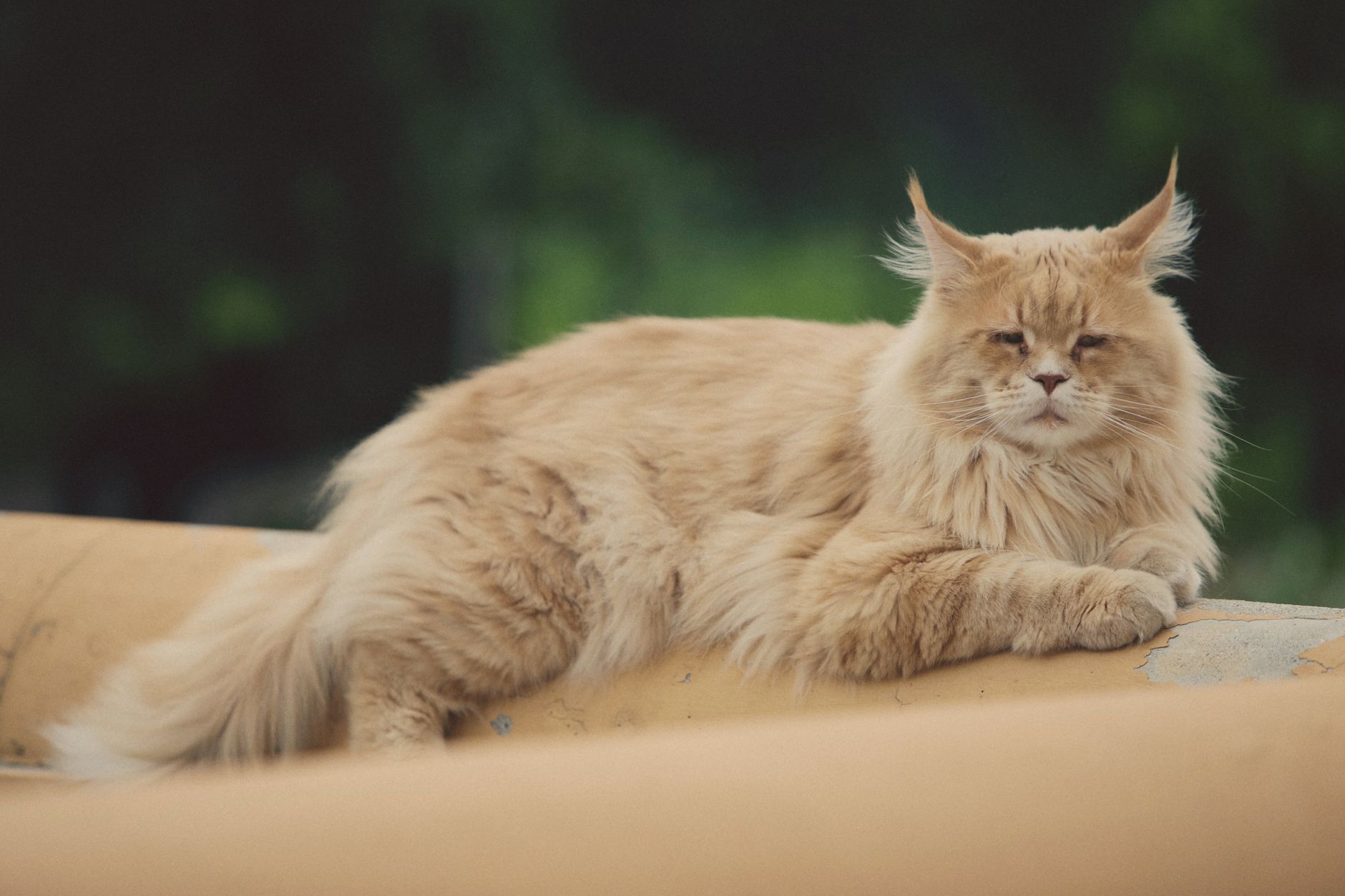
The Maine Coon is the undisputed heavyweight champion of the domestic cat world, and they dominate the large-breed caseload in my veterinary clinic. These magnificent felines can easily weigh up to 25 pounds for males, with a skeletal structure that can stretch over three feet in length.
In my years treating this breed, I always tell my clients that they are not just ‘big cats.’ Their bodies grow at a much slower rate than standard domestic cats, which has a massive impact on their joint health.
Because they carry so much weight on their frame, Maine Coons are clinically predisposed to hip dysplasia. This is an orthopedic condition more commonly associated with Golden Retrievers than cats, but it is a very real threat here.
- Average Weight: 15 to 25 pounds for males; 10 to 15 pounds for females.
- Primary Genetic Risk: Hypertrophic Cardiomyopathy (HCM) linked to the MYBPC3 gene mutation.
- Grooming Frequency: Daily brushing is mandatory to prevent painful matting in the groin and armpits.
- Exercise Needs: Moderate but consistent play to keep their large muscle groups toned and supported.
Screening for Feline HCM
In my practice, I recommend that all Maine Coon owners obtain a genetic test for HCM before adoption. An annual echocardiogram by a veterinary cardiologist is the gold standard for monitoring heart health.
2. The Savannah Cat: The Tall, Leggy Athlete
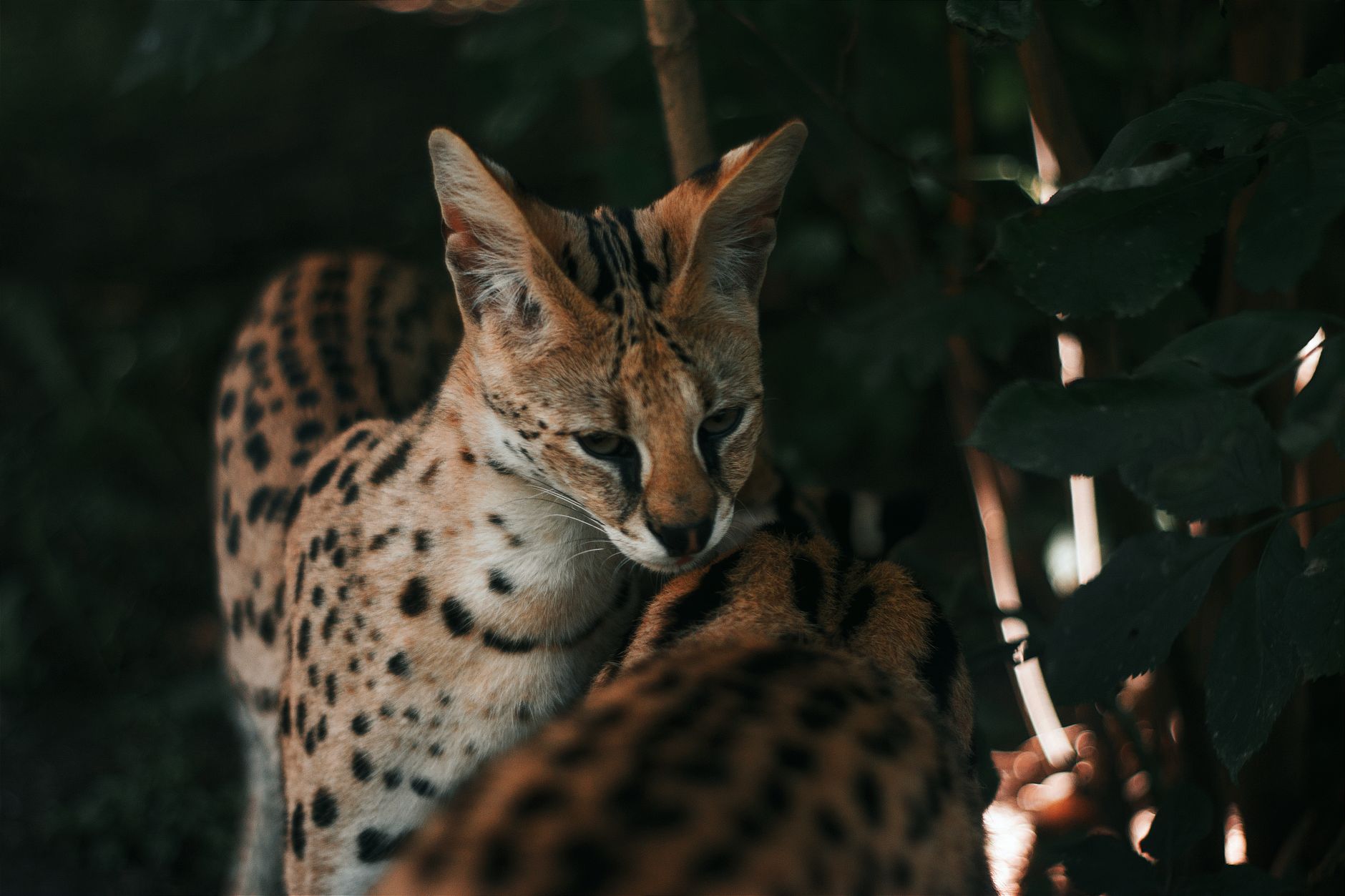
The Savannah cat is a striking, high-energy hybrid created by crossing a domestic cat with an African Serval. They are renowned for their incredible height, with some F1 and F2 individuals standing a massive 17 inches at the shoulder.
What I see most often in practice is that Savannahs are treated like standard lap cats, which is a recipe for disaster. These cats are incredibly active, possessing an athletic leaping ability that allows them to jump eight feet into the air.
They require a massive amount of mental stimulation, environmental enrichment, and specialized nutritional considerations. If you are not prepared to leash-train your cat or build an outdoor catio, this breed is likely not the right fit for your household.
- Average Weight: 12 to 25 pounds, with early generations (F1-F3) being the tallest and heaviest.
- Dietary Strategy: Many thrive best on high-protein, moisture-rich diets to replicate their ancestral needs.
- Behavioral Risk: Extreme boredom can lead to destructive chewing, escaping, and territorial spraying.
- Legal Restrictions: Check local state and municipal laws, as early-generation Savannahs are restricted in some jurisdictions.
Anesthetic Sensitivities in Hybrids
I always caution my veterinary colleagues that Savannahs can react unpredictably to standard veterinary anesthetics. They require a highly customized, low-dose sedation protocol to ensure their safety during routine procedures like dental cleanings.
3. The Norwegian Forest Cat: The Rugged Viking
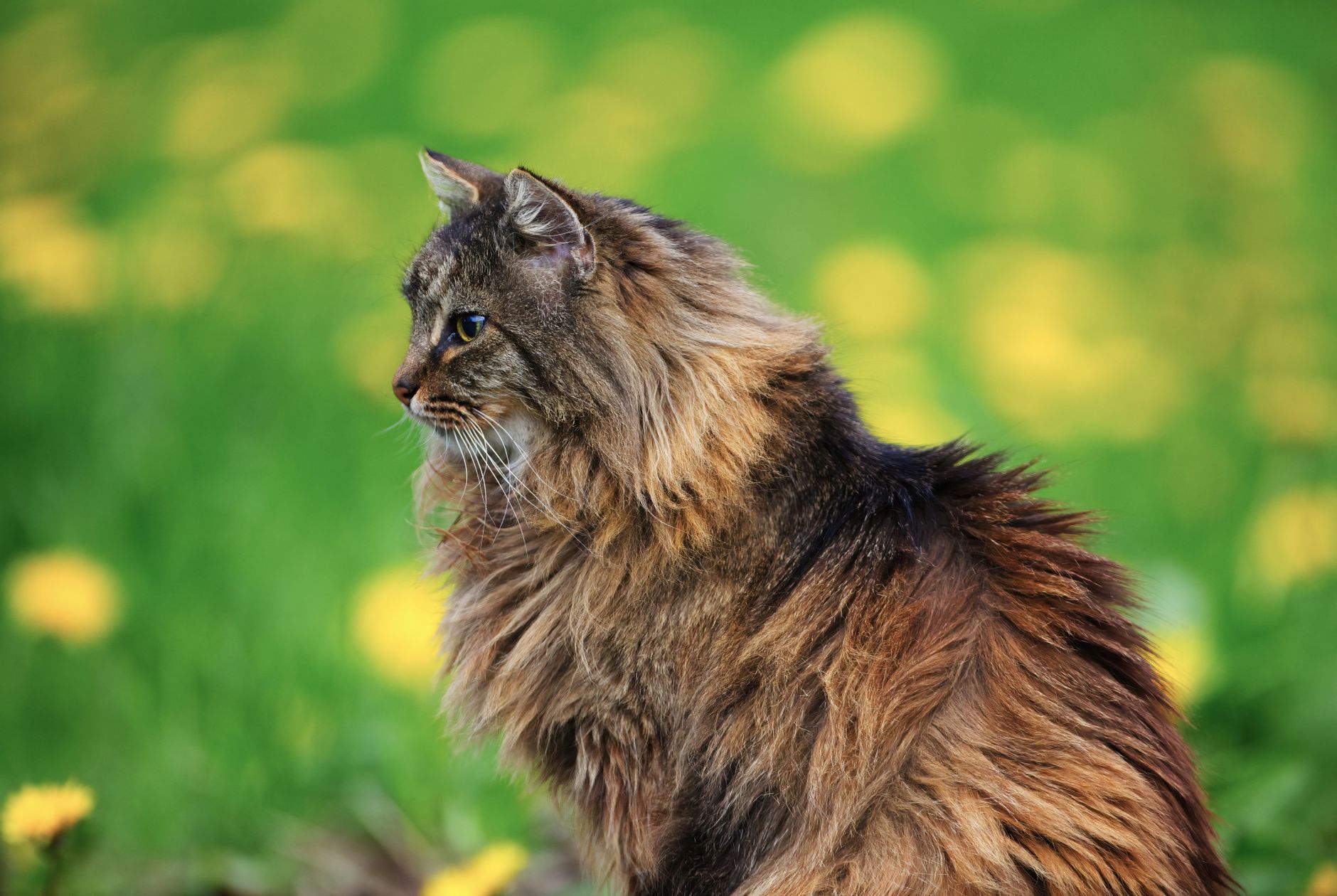
Affectionately known as the ‘Wegie,’ the Norwegian Forest Cat is a sturdy, heavily-boned breed built to survive harsh Scandinavian winters. They feature a distinctive water-repellent double coat, a powerful chest, and a wedge-shaped head that exudes wild elegance.
In my clinic, I frequently have to educate owners on the difference between a fat cat and a heavily built cat. Norwegian Forest Cats are naturally muscular and heavy, but carrying excess adipose tissue is devastating to their joints.
Because they love to climb to the absolute highest point in a room, their hind limbs endure immense impact upon landing. Keeping them at a lean, optimal body condition score is my primary medical recommendation for this breed.
- Average Weight: 12 to 20 pounds for males; 9 to 14 pounds for females.
- Genetic Hazard: Glycogen Storage Disease Type IV (GSD IV), a fatal metabolic disorder.
- Climbing Habits: Highly arboreal; they require sturdy, floor-to-ceiling cat trees to satisfy their climbing instincts.
- Coat Maintenance: Dense undercoat that sheds heavily twice a year, requiring intensive grooming during these periods.
GSD IV Genetic Testing
GSD IV is a devastating disease that affects glucose metabolism, leading to rapid neuromuscular degeneration. Always demand proof of negative genetic status for both parent cats before purchasing a Norwegian Forest kitten.
4. The Ragdoll: The Docile Blue-Eyed Giant
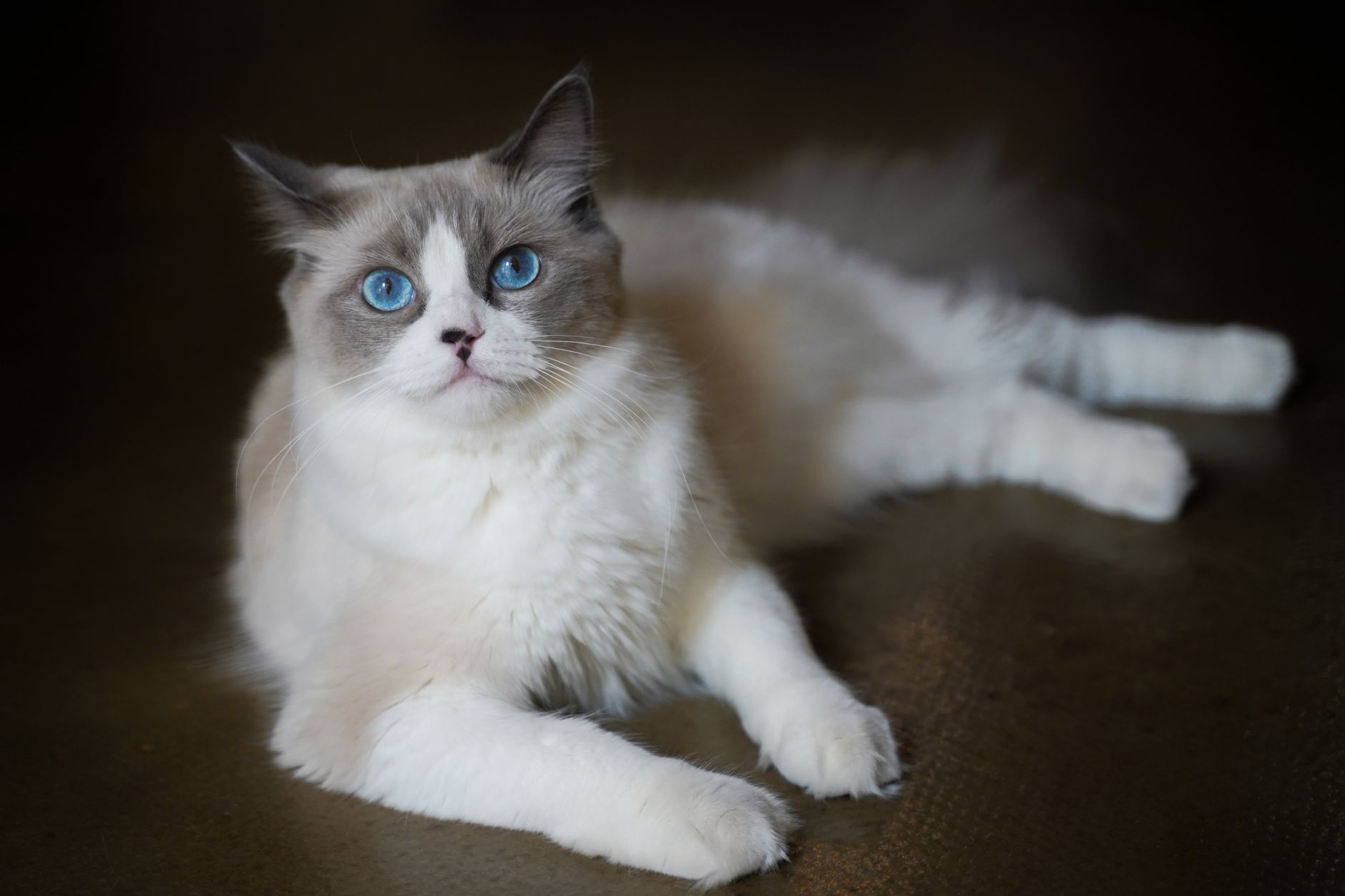
Ragdolls are famous for their sweet temperaments, striking blue eyes, and their unique habit of going completely limp in your arms. While they are incredibly soft and gentle, they are also one of the largest domestic breeds, with males frequently reaching 20 pounds.
In my practice, the Ragdoll’s calm, sedentary nature is both their most endearing trait and their greatest health hazard. Because they prefer lounging on the sofa to chasing lasers, they are highly prone to feline obesity.
Obesity in a large-framed cat exponentially increases the risk of osteoarthritis and Type II diabetes. I spend a significant portion of my check-ups with Ragdoll owners formulating weight management and active play strategies.
- Average Weight: 15 to 20+ pounds for males; 10 to 15 pounds for females.
- Skeletal Development: Extremely slow growth rate, taking up to four years to reach full size and coat color.
- Urinary Risks: Higher incidence of feline lower urinary tract disease (FLUTD) and painful bladder stones.
- Handling Care: Always support their hindquarters when lifting them, as their limp muscles provide little joint support.
Combating Sedentary Lifestyles
To keep Ragdolls active, I recommend interactive puzzle feeders and automated toys. Forcing them to work for their dry kibble keeps their minds sharp and burns critical calories.
5. The Siberian: The Mighty, Hypoallergenic Hunter
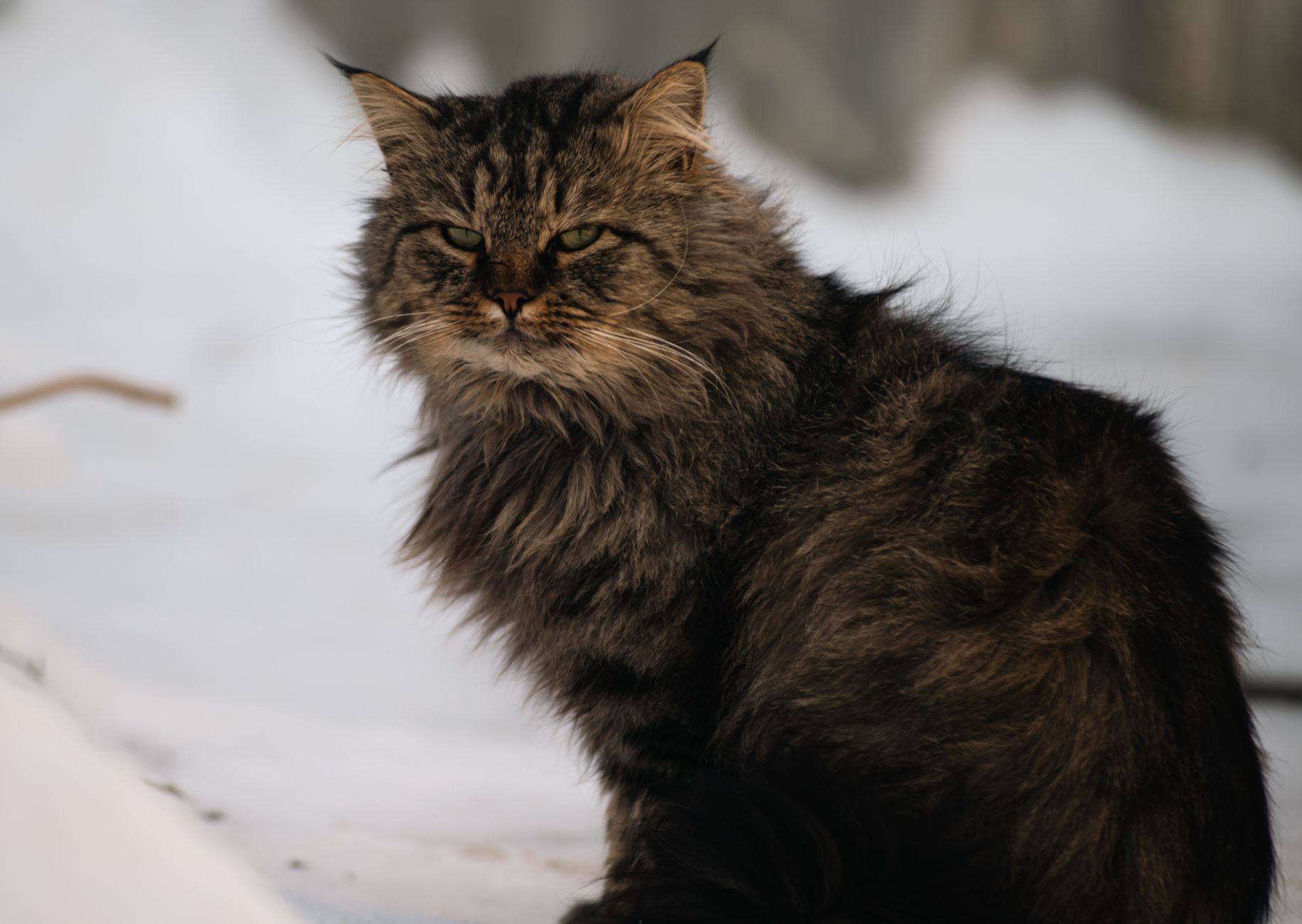
Hailing from the freezing forests of Russia, the Siberian cat is a barrel-chested, heavily muscled powerhouse. These cats are incredibly agile jumpers despite their thick, dense bodies, which can easily weigh up to 20 pounds.
What makes the Siberian unique in my clinical eyes is their reputation as a ‘hypoallergenic’ breed. They naturally produce much lower levels of Fel d 1, the salivary protein responsible for triggering human cat allergies.
However, I always warn my allergic clients that ‘lower levels’ does not mean zero. They still produce dander, and their massive triple coats can trap environmental allergens like pollen and dust.
- Average Weight: 15 to 20 pounds for males; 10 to 15 pounds for females.
- Coat Structure: A dense triple coat designed to withstand extreme cold, requiring regular deshedding.
- Personality Profile: Highly social, fearless, and deeply attached to their human families.
- Medical Predisposition: High prevalence of hypertrophic cardiomyopathy (HCM) in certain bloodlines.
Allergen Management Strategies
If you are adopting a Siberian due to allergies, I recommend bathing them monthly with a dander-reducing shampoo. Regular grooming with a high-quality undercoat rake also minimizes the spread of allergenic proteins in your home.
6. Pediatric Nutrition and Controlled Growth Rates
One of the biggest mistakes I see large-breed cat owners make occurs during the first year of life. Well-meaning owners want their Maine Coons or Siberians to get big fast, so they overfeed high-calorie kitten diets.
This practice is incredibly dangerous for their developing skeletal systems. Rapid growth causes a mismatch between bone density and body weight, leading to severe joint deformities.
To prevent early-onset osteoarthritis and hip dysplasia, we must focus on slow, steady, controlled growth. It is far healthier for a giant cat to reach their maximum size at four years old rather than twelve months.
- Balanced Calcium-to-Phosphorus Ratio: Crucial for ensuring that bones mineralize correctly during growth spurts.
- Extended Kitten Nutrition: Keep these slow-maturing breeds on formulated kitten diets for 12 to 18 months, depending on veterinary advice.
- L-Carnitine Supplementation: Helps convert fat into lean muscle mass, preventing excess weight load on soft joints.
- Wet Food Domination: Ensure at least 50% of their daily caloric intake comes from wet food to protect their kidneys and urinary tract.
7. Environmental Modifications for Giant Felines
You cannot bring a 20-pound feline into a home designed for an 8-pound domestic shorthair without making changes. Standard commercial cat trees will wobble, sway, and eventually collapse under the weight of a giant cat, posing a major safety hazard.
Additionally, standard litter boxes are far too small for these massive felines. When a cat has to squeeze into a cramped box, they will often choose to eliminate on your rug instead.
I always tell my clients to think outside the box—literally—when setting up their homes. Providing the correct scale of furniture is essential for their physical safety and psychological well-being.
- The DIY Litter Box Solution: Use a giant 30-gallon plastic storage tote with a door cut out of the side for ample turning room.
- Wall-Mounted Cat Shelves: Must be secured directly into wall studs using heavy-duty brackets rated for at least 40 pounds.
- Oversized Scratching Posts: Posts must be tall enough (at least 36 inches) for the cat to fully stretch their spine while scratching.
- Robust Cat Carriers: Ditch the flimsy plastic cat carriers and opt for a medium-sized dog crate or a heavy-duty, steel-framed carrier.
Frequently Asked Questions
Do large cat breeds have shorter lifespans than normal cats?
Unlike dogs, where giant breeds live significantly shorter lives, large domestic cats generally enjoy normal lifespans of 12 to 15 years, or even longer. However, this longevity depends heavily on preventing obesity and screening for genetic diseases like hypertrophic cardiomyopathy.
Can giant cat breeds live comfortably in small apartments?
Yes, they can live happily in smaller spaces, but you must compensate with vertical enrichment. Installing sturdy wall shelves and high scratching posts allows them to utilize the vertical space, effectively doubling their usable living area.
How much does it cost to feed a giant cat breed?
You should prepare for a significantly higher pet food budget. A 20-pound active Maine Coon or Savannah can consume up to twice the calories of an average house cat, translating to roughly $80 to $150 per month in high-quality wet and dry food.
Are giant cat breeds more aggressive due to their size?
No, they are actually famous for having incredibly gentle, docile, and dog-like temperaments. Breeds like the Ragdoll and Maine Coon are highly social and gentle, making them excellent family pets, though they should always be supervised around toddlers.
Do large cats require professional grooming?
While professional grooming isn’t strictly mandatory, it can be incredibly helpful during seasonal shedding periods. If you cannot commit to daily brushing at home, hiring a professional groomer every 6 to 8 weeks is essential to prevent severe mats and hairballs.
Are male giant cats significantly larger than females?
Yes, in almost all giant cat breeds, there is a pronounced sexual dimorphism. Males are routinely 30% to 50% larger and heavier than their female littermates, making sex selection an important factor if you want a truly massive cat.
Sources & Further Reading
- The Cat Fanciers’ Association (CFA)
- Cornell University College of Veterinary Medicine
- International Cat Care
Final Thoughts
Bringing a giant cat breed into your life is an incredibly rewarding experience, but it requires a veterinarian-partnered approach to care. From managing their slow, delicate growth phases to investing in heavy-duty home gear, these magnificent animals demand specialized attention.
As a veterinarian, I love nothing more than helping my clients navigate the unique joys and challenges of raising these majestic felines. By focusing on genetic screening, strict weight management, and joint support, you can ensure your gentle giant lives a long, healthy, and vibrant life by your side.
If you are ready to make the commitment, these five breeds will reward you with a lifetime of unparalleled companionship and love.