
Exotic Shorthair Breed Guide

Quick Summary
The Exotic Shorthair is the ultimate low-maintenance alternative to the Persian, offering the same sweet, affectionate personality and adorable ‘teddy bear’ face without the demanding daily coat care. Perfect for quiet households, they thrive on gentle companionship, making them ideal partners for apartment dwellers, seniors, and calm families.
Quick Facts
- origin countryUnited States
- breed groupPersian Group (CFA, TICA)
- sizeMedium to Large
- weight range8 to 15 pounds
- height range10 to 12 inches
- lifespan12 to 15 years
- coat typeShort, dense, plush, and standing away from the body
- common colorsWhite, blue, black, red, cream, silver, golden, tortoiseshell, calico, and tabby in all patterns
- other namesExotic, the ‘Lazy Man’s Persian’
- recognized byCFA, TICA, FIFe, ACFA, CCA
Caring for a Exotic Shorthair
Living with an Exotic Shorthair is a masterclass in quiet, easygoing companionship. In my experience, they are incredibly adaptable, content to snooze in a sunny spot for hours but always ready to greet you at the door with a quiet chirp. Their brachycephalic (flat) faces mean you must closely monitor indoor temperatures, as they can overheat quickly. Daily life involves a quick face wipe to prevent tear-staining, a weekly brush of their dense plush coat, and plenty of opportunities for gentle, interactive play.
Is an Exotic Shorthair a good family pet?
Yes, their patient and gentle temperament makes them wonderful family pets for households with respectful children. I’ve found they do best in calmer homes where they won’t be subjected to rough handling, as they prefer a serene environment.
Do Exotic Shorthairs shed a lot?
They shed a moderate amount, but because their undercoat is exceptionally dense and plush, dead hair tends to get trapped. I always advise owners to do a thorough weekly combing to prevent mats and minimize the amount of hair left on your furniture.
Is an Exotic Shorthair good for first-time owners?
Absolutely, they are an excellent choice for first-time owners due to their easygoing, quiet nature. However, novices must be willing to commit to daily facial hygiene and understand the specific health needs of a flat-faced breed.
Temperament & Personality
The Exotic Shorthair is renowned for its deeply affectionate, serene, and sweet-natured personality. Often described as peaceful and quietly playful, they are far more relaxed than your average domestic cat but retain a touch of curiosity inherited from their American Shorthair ancestors. They are intensely loyal to their chosen humans, often following you room-to-room just to sit near you. I’ve found they rarely vocalize, preferring to communicate with their expressive, round eyes and soft, musical chirps.
Is an Exotic Shorthair good with other pets?
They are incredibly peaceful and generally coexist beautifully with other cats and cat-friendly dogs. In my experience, they prefer to ignore high-energy pets rather than fight, so gradual, calm introductions are key to success.
How much attention does an Exotic Shorthair need?
While they love being near you and crave affection, they are not demanding or overly clingy. They will happily wait for you to return home from work, but they expect to be rewarded with gentle lap time and head scratches when you walk through the door.
Training & Behavior
Training an Exotic Shorthair requires a gentle touch and positive reinforcement, as they are sensitive souls who do not respond well to harsh tones. While they aren’t going to perform high-energy agility courses, they are highly capable of learning house rules, litter box habits, and simple commands when motivated by tasty treats. They have a moderate prey drive and will occasionally surprise you with bursts of kitten-like playfulness, chasing feather wands or batting at toy mice.
Training Tips
- Use highly palatable soft treats to keep their focus during short, 5-minute training sessions.
- Keep a consistent daily routine, as they thrive on predictability.
- Never scold or raise your voice; redirect unwanted behaviors gently.
- Incorporate puzzle feeders to stimulate their minds without requiring heavy physical exertion.
Fun Activities
- Chasing laser pointers at a slow, manageable pace
- Batting at crinkle balls or catnip-infused mice
- Interactive play sessions with feather wands
- Perching on low, accessible window sills to watch ‘cat TV’ outside
Is an Exotic Shorthair easy to train?
They are moderately easy to train for basic household manners, but they are not as eager-to-please as some active breeds. I’ve found that patience and offering high-value food rewards are essential to overcome their occasional stubborn streaks.
Exotic Shorthair Health Issues
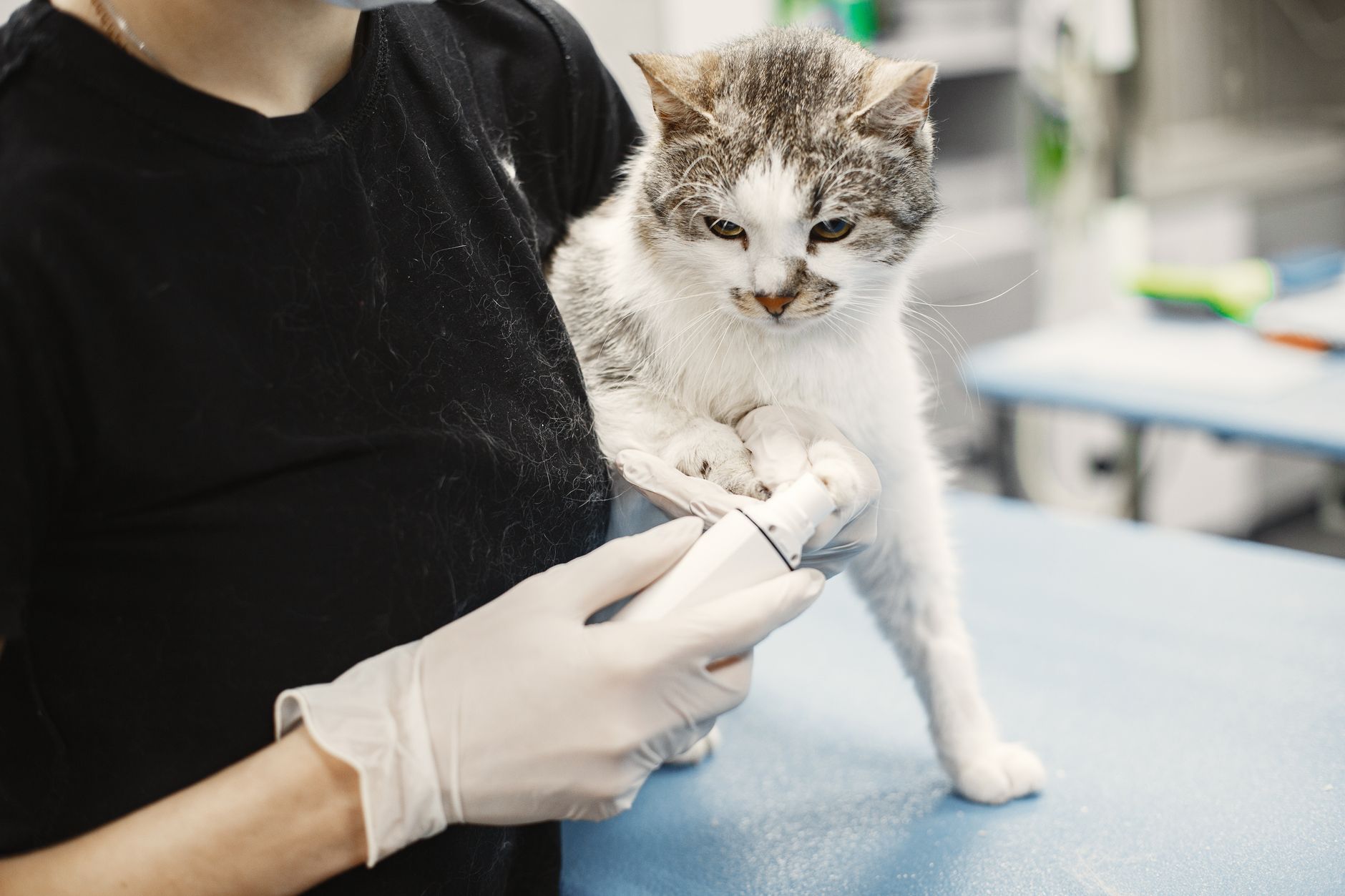
While generally robust, the Exotic Shorthair is a brachycephalic breed, which predisposes them to several structural and genetic health conditions. Prospective owners must work with reputable breeders who screen their lines for hereditary diseases to ensure a healthy, happy companion.
Brachycephalic Airway Syndrome
Due to their shortened facial structure, Exotics can suffer from narrowed nostrils (stenotic nares) and an elongated soft palate, which restricts airflow. This can cause breathing difficulties, particularly in hot, humid weather or during times of stress.
Polycystic Kidney Disease (PKD)
An inherited condition common in the Persian breed group where fluid-filled cysts form in the kidneys, slowly multiplying and growing over time, eventually leading to kidney failure. Responsible breeders use genetic DNA testing to screen out affected cats.
Hypertrophic Cardiomyopathy (HCM)
This is the most common form of heart disease in cats, characterized by the thickening of the left ventricle wall. While it is genetic, regular echocardiograms can help detect it early so it can be managed with medication.
Corneal Ulcers and Sequestrum
Their large, prominent, round eyes are highly exposed to dust, debris, and physical trauma. Combined with poor tear film distribution due to facial conformation, this can lead to painful corneal abrasions and black corneal plaques (sequestra).
Calcium Oxalate Urolithiasis
Exotics have a higher statistical predisposition to developing calcium oxalate stones in their bladder or kidneys, which can cause painful blockages and urinary tract irritation.
How long do Exotic Shorthairs typically live?
With proper indoor care, a high-quality diet, and routine veterinary checkups, an Exotic Shorthair typically enjoys a lifespan of 12 to 15 years, with some reaching 16 or 17.
What to Feed a Exotic Shorthair
Because of their quiet, sedentary lifestyles, Exotic Shorthairs are highly prone to obesity. I cannot emphasize enough how important it is to measure their daily food intake rather than free-feeding them, as extra weight puts dangerous strain on their already compromised joints and respiratory systems.
Best Diet
A moisture-rich diet consisting of high-quality wet food is ideal for this breed. This helps prevent urinary tract issues and stone formation, which they are genetically prone to, while keeping their calorie intake controlled.
How to Feed
I recommend feeding them scheduled meals twice a day using wide, shallow bowls. Their flat faces make eating out of deep, narrow bowls highly uncomfortable and can cause whiskers fatigue and dirty facial folds.
How Much to Feed
Portion size depends on age, weight, and activity level, but generally, an adult Exotic needs about 200 to 250 calories per day. Always consult your veterinarian to establish a precise feeding plan tailored to your cat’s body condition score.
Nutritional Tips
Look for diets with added Omega-3 and Omega-6 fatty acids to support their dense undercoat and skin health. Adding a urinary health-focused formula or veterinary-approved cranberry supplement can also support bladder health.
Exotic Shorthair Grooming Guide
While they don’t require the daily hours of grooming that Persians do, the Exotic is not a ‘hands-off’ breed. You will need to commit to a routine that balances coat maintenance with essential facial and ocular care to keep them comfortable.
Coat Care
Comb their thick, plush coat twice a week using a high-quality metal comb to remove loose undercoat and prevent small tangles. During their seasonal shedding periods in spring and fall, daily combing is highly recommended.
Skin Care
Regularly check the deep skin creases on their face for moisture build-up, which can lead to bacterial or yeast infections. Clean these folds gently with a damp, warm washcloth or specialized pet wipes, ensuring the area is dried completely afterward.
Eye Care
Daily eye care is non-negotiable; because of their short tear ducts, their eyes overflow constantly, creating tear stains and crust. Wipe their eyes daily with a damp cotton pad, using a fresh pad for each eye to prevent spreading any potential infections.
Ear Care
Check their ears weekly for dirt, wax build-up, or redness, and clean them with a vet-approved ear flush when necessary. Their small, forward-tilted ears can trap moisture, making them slightly more susceptible to ear mites or infections.
Nail & Dental Care
Clip their nails every 2 to 3 weeks to keep them comfortable, and brush their teeth at least twice a week with feline-safe toothpaste to combat periodontal disease.
Considerations for Pet Parents
Pros
- Incredibly quiet, calm, and sweet demeanor
- Fabulous ‘teddy bear’ appearance without Persian-level grooming
- Very adaptable to apartment living and small spaces
- Highly affectionate and loyal to their families
- Generally peaceful with dogs and other cats
- Low vocalization and gentle, quiet presence
Cons
- Requires daily eye wiping and facial crease cleaning
- Prone to brachycephalic airway and heat sensitivity issues
- Highly susceptible to genetic conditions like PKD and heart disease
- Low energy levels can lead to rapid weight gain if diet isn’t managed
Best For
Quiet households, retired individuals, apartment dwellers, or families with calm, respectful children who want a gentle, low-drama lap cat and are willing to perform daily facial grooming.
Not Recommended For
Extremely busy families who are rarely home, households without air conditioning in hot climates, or those who cannot commit to daily eye cleaning and routine veterinary health screenings.
Cost
- purchase price$1,200 to $3,000+
- monthly cost$80 to $150
- initial setupExpect to spend around $500 to $800 initially on high-quality veterinary-approved genetic tests, a wide shallow bowl set, premium grooming combs, tear-stain cleaners, and a sturdy cat carrier suitable for flat-faced breeds.
Similar Breeds
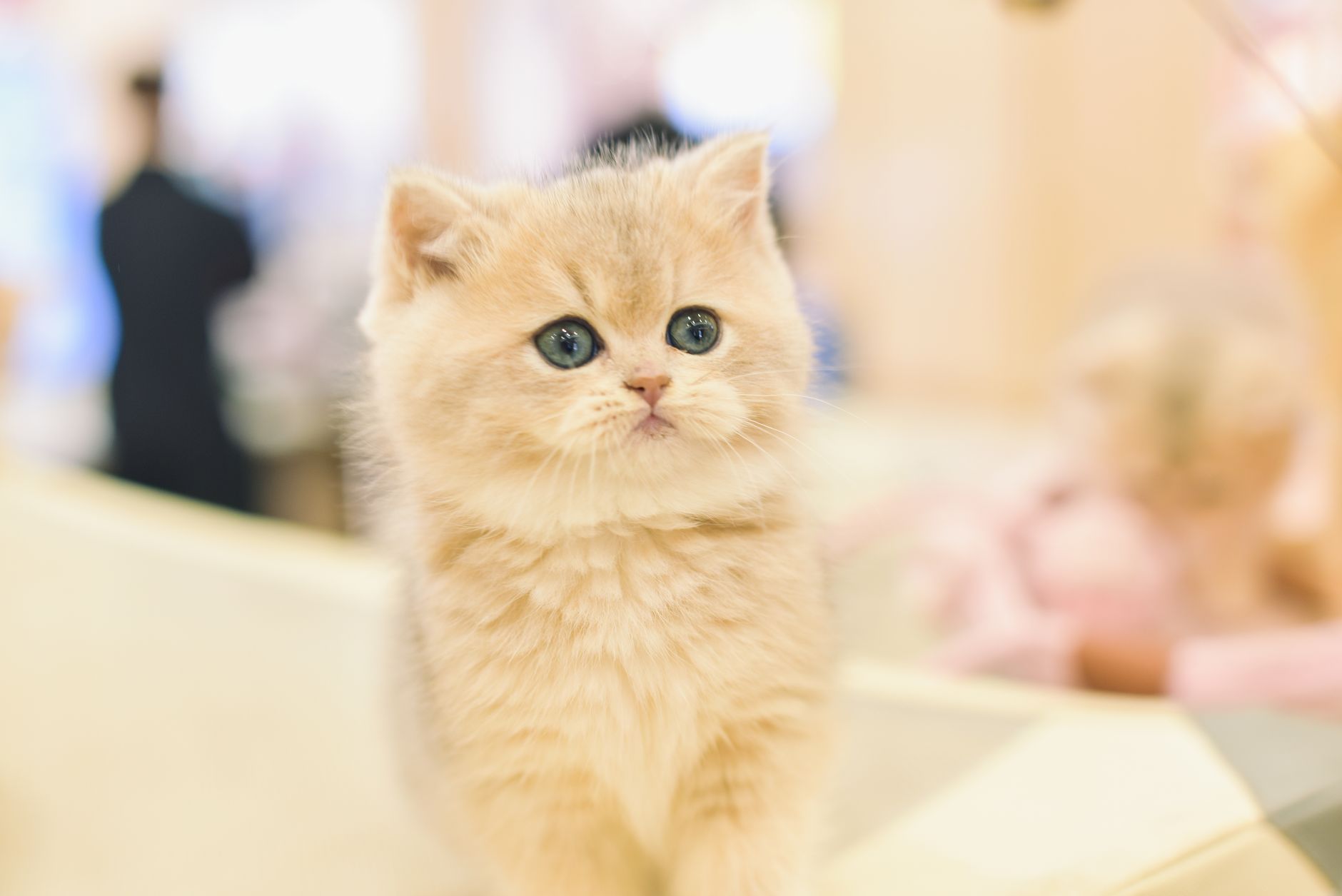
Persian

British Shorthair
Exotic Shorthair FAQs
What is the difference between a Persian and an Exotic Shorthair?
The primary difference is the coat. While Persians have a long, flowing, high-maintenance double coat, the Exotic Shorthair has a short, thick, plush coat that stands away from the body, earned via crossing Persians with American Shorthairs.
Do Exotic Shorthairs have breathing problems?
Because of their brachycephalic (flat) faces, they can suffer from stenotic nares and restricted airways, making them susceptible to breathing difficulties, especially in warm, humid weather or during intense exertion.
Do they get tear stains, and how do you clean them?
Yes, their flat face structure causes tears to overflow constantly. You should wipe under their eyes daily using a warm, damp cotton ball or a specialized, non-irritating pet tear-stain wipe, drying the area immediately afterward.
Are Exotic Shorthair cats vocal?
No, they are exceptionally quiet cats. On the rare occasion they do vocalize, it is typically a very soft, melodious chirp or a tiny meow that is barely audible.
Are they prone to separation anxiety?
While they love their humans and prefer company, they are generally calm and independent enough to handle a standard workday alone, provided they are given plenty of love and playtime when you return.
Do they need air conditioning?
Yes, absolutely. Because of their breathing limitations, they cannot cool themselves efficiently through panting like other cats. They must live in a climate-controlled environment with air conditioning during warm seasons.
Why does my Exotic Shorthair snore?
Their flat facial structure means they have shortened nasal passages and a longer soft palate, which vibrates when they sleep. While light snoring is normal for this breed, any sudden changes or labored breathing while awake should be evaluated by a vet.
Are they hypoallergenic?
No, they are not hypoallergenic. They produce the same Fel d 1 protein in their saliva and skin as other breeds, and their dense undercoat sheds moderately, which can trigger allergies.
How often should I bathe an Exotic Shorthair?
They typically only need a bath once every 1 to 2 months to keep their plush coat clean and reduce oils. Be sure to use a high-quality cat shampoo and dry them thoroughly to prevent skin fold irritation.
What are the common eye problems in this breed?
Besides constant tearing, their prominent eyes are vulnerable to corneal ulcers, corneal sequestrums (dead corneal tissue), and progressive retinal atrophy (PRA), which can cause vision loss.
Do they like to be held and lap-cuddled?
Yes, they are quintessential lap cats. Most Exotics love nothing more than curling up on a warm lap for hours, though they also enjoy lying right next to you on the couch.
How can I prevent my Exotic Shorthair from getting overweight?
Avoid free-feeding dry food. Instead, offer measured, scheduled meals of high-protein, low-carbohydrate wet food, and encourage daily low-impact play sessions using wand toys or slow food puzzles.
What kind of bowls should I use for feeding?
You should use wide, very shallow bowls or flat plates made of ceramic or stainless steel. Deep bowls crush their whiskers and force their flat faces into the food, causing distress and dirty facial folds.