
Napoleon Cat Breed Guide
Quick Summary
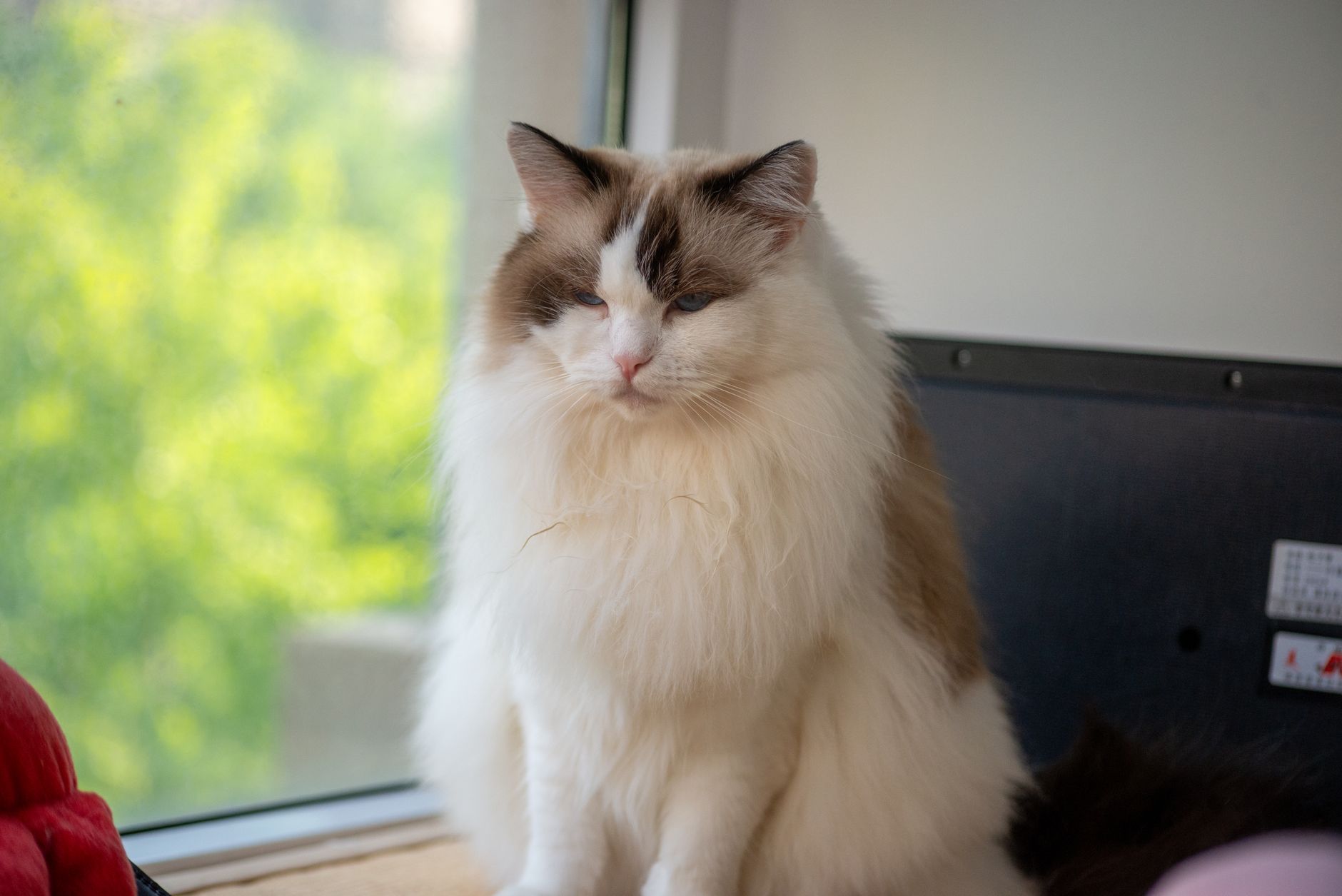
The Napoleon, officially recognized as the Minuet, is an enchanting blend of the Persian’s sweet, docile nature and the Munchkin’s playful, short-legged stature. In my practice, I find they make incredible companions for families seeking a low-slung, highly loving lap cat that retains a kitten-like curiosity throughout its life. However, their unique hybrid anatomy demands dedicated joint care, daily eye maintenance, and proactive genetic health screening to ensure they thrive.
Quick Facts
- origin countryUnited States
- breed groupDwarf / Hybrid Breed
- sizeSmall to Medium
- weight range5 to 9 lbs (2.3 to 4.1 kg)
- height range7 to 8 inches (18 to 20 cm)
- lifespan12 to 15 years
- coat typeBoth shorthair (dense, plush) and longhair (double, soft undercoat)
- common colorsAll colors and patterns, including pointed, bi-color, solid, and tabby
- other namesMinuet Cat
- recognized byTICA
Caring for a Napoleon Cat
Caring for a Minuet involves managing their unique physical proportions while nurturing their highly social, affectionate nature. In my years treating this breed, I emphasize that they must be strictly indoor cats; their short legs limit their ability to escape predators or jump to safety in emergency situations. You will need to structure their home environment safely, ensuring climbable surfaces are accessible via safe intermediate steps or specialized ramps. Regular, proactive veterinary wellness checks are non-negotiable to track their spinal development, joint health, and kidney function.
Is a Napoleon Cat a good family pet?
Absolutely. In my practice, Minuets consistently prove to be gentle, highly adaptable, and patient with children, provided the kids are taught how to support their long backs during handling. They thrive on human companionship and love being integrated into daily family activities.
Do Napoleon Cats shed a lot?
Shedding depends heavily on whether you have a shorthair or longhair variety. Long-haired individuals shed moderately to heavily year-round and require daily brushing to prevent painful matting, while shorthairs need only a weekly brush to manage loose hairs.
Is a Napoleon Cat good for first-time owners?
Yes, they are excellent for first-time owners due to their laid-back, highly forgiving temperament and social nature. However, I always caution beginners to fully research the potential veterinary costs associated with dwarfism and Persian-related genetic health risks before adopting.
Temperament & Personality
The Minuet possesses one of the most endearing personalities in the feline world, combining the Persian’s gentle docility with the Munchkin’s energetic, floor-level curiosity. What I see most often in practice is a cat that is deeply attached to its humans, preferring to follow owners from room to room like a tiny shadow. They are surprisingly active despite their short legs, navigating their world with a comical, fast-paced trot. Because they do not tolerate isolation well, they are happiest in homes where they receive abundant daily attention.
Is a Napoleon Cat good with other pets?
They are incredibly social and typically get along famously with other cats and cat-friendly dogs. In my clinical experience, their low-key, non-aggressive nature means they rarely instigate conflict, making them perfect additions to multi-pet households.
How much attention does a Napoleon Cat need?
The Minuet is a highly social breed that requires a significant amount of daily interaction and mental stimulation. They do not do well when left alone for long stretches, so I recommend them for households where someone is home during the day, or where they have another animal companion.
Training & Behavior
Minuets are highly intelligent and surprisingly trainable, often retaining a kitten-like playfulness well into their senior years. In my clinical observations, they respond exceptionally well to positive reinforcement, such as clicker training and low-calorie treats. Because they cannot jump as high as normal-legged cats, they use creative puzzle-solving to reach their goals, making interactive toys a must. Establishing early boundaries for grooming is crucial for their long-term cooperation.
Training Tips
- Use clicker training for basic commands
- Incentivize with small, high-value treats
- Keep training sessions short (3-5 minutes)
- Handle paws and ears early to ease future vet visits
- Introduce ramps early to train safe furniture access
Fun Activities
- Interactive feather wand play
- Treat puzzles and food-dispensing toys
- Low-impact floor-level obstacle courses
- Clicker training simple tricks like ‘sit’ and ‘fetch’
- Supervised indoor exploration and laser pointer games
Is a Napoleon Cat easy to train?
Yes, they are highly cooperative and eager to please their human companions. I have seen clients successfully train their Minuets to fetch small toys, sit on command, and walk on a harness with patient, reward-based methods.
Napoleon Cat Health Issues
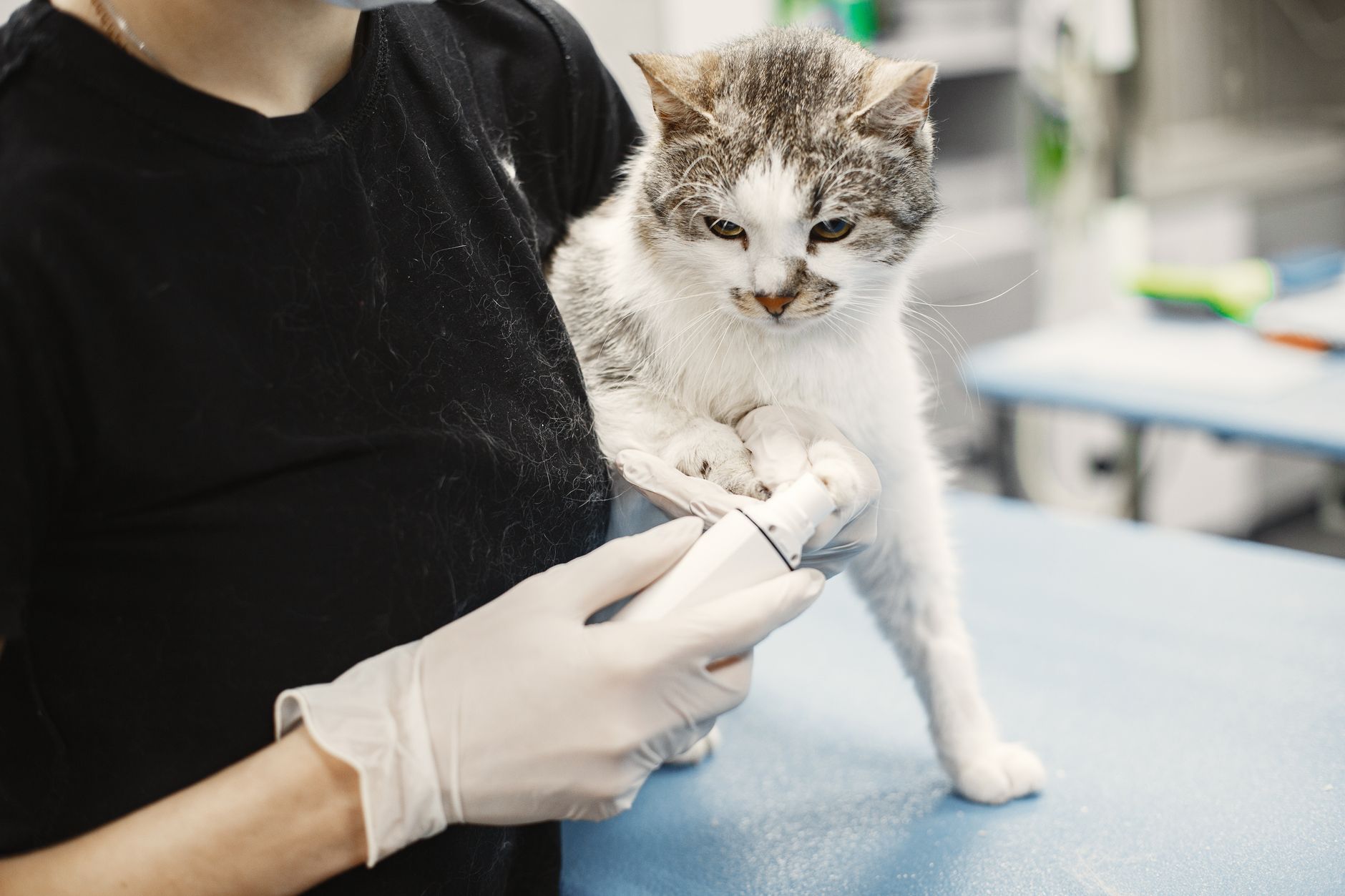
While Minuets are generally robust, their hybrid heritage means we must carefully monitor for genetic conditions inherited from both the Persian and Munchkin lineages. As a veterinarian, my primary focus with this breed is early genetic screening and maintaining an ideal weight to protect their spine.
Polycystic Kidney Disease (PKD)
An inherited condition from the Persian side where fluid-filled cysts develop in the kidneys, eventually leading to renal failure. I always tell owners to ask breeders for DNA-negative test results of the parents.
Lordosis
A spinal deformity characterized by an excessive inward curvature of the lower spine, which can put pressure on internal organs. This is associated with the gene for dwarfism and is typically diagnosed in early kittenhood.
Hypertrophic Cardiomyopathy (HCM)
The most common form of heart disease in cats, where the heart muscle thickens, compromising cardiac efficiency. Regular echocardiograms are the gold-standard diagnostic tool for tracking this condition in susceptible breeds.
Epiphora (Excessive Tearing)
Due to their moderately flat facial structure inherited from Persians, their tear ducts can become compressed, causing tears to overflow onto the face. If left unmanaged, this can lead to painful skin fold dermatitis.
Pectus Excavatum
A congenital chest wall deformity where the breastbone sinks into the chest, potentially compressing the heart and lungs. Severe cases may require surgical intervention in young kittens.
How long do Napoleon Cats typically live?
With proper veterinary care, a high-quality diet, and proactive screening, a Minuet cat typically enjoys a lifespan of 12 to 15 years. Some of my patients have reached 16 or 17 when their owners were highly diligent about weight management and kidney health.
What to Feed a Napoleon Cat
Feeding a Minuet requires a precise balance, as their short stature makes weight management absolutely critical. Any excess weight places direct, dangerous stress on their shortened limbs and lower spine, increasing the risk of early-onset arthritis.
Best Diet
I highly recommend a high-protein, low-carbohydrate wet diet to promote lean muscle mass and maintain hydration, which is essential for protecting their Persian-derived kidneys. Transitioning to a senior-specific formula around age seven is wise to support aging joints.
How to Feed
Establish a strict twice-daily feeding schedule rather than free-feeding kibble. I always counsel owners to use measured portions and puzzle feeders to slow down eating and provide mental stimulation.
How Much to Feed
Portions must be tailored to their specific weight and activity level, usually ranging from 150 to 200 calories per day for a typical 7-pound adult. Always consult your veterinarian to calculate precise caloric needs based on body condition scoring.
Nutritional Tips
Incorporating omega-3 fatty acid supplements, such as wild-caught salmon oil, is highly beneficial for their joint health and coat quality. Avoid treats high in sodium and fillers to prevent unnecessary weight gain and kidney strain.
Napoleon Cat Grooming Guide
Grooming requirements vary significantly depending on whether your Minuet has a long or short coat, but both require a proactive routine. In my clinic, I emphasize that regular grooming is not just cosmetic; it prevents painful matting and skin infections.
Coat Care
Long-haired Minuets need daily brushing with a slicker brush and a steel comb to prevent tangles in their dense undercoat. Short-haired varieties can be brushed twice a week to remove dead hair and distribute natural skin oils.
Skin Care
Regularly check the skin under their dense fur for dry patches, redness, or signs of dermatitis, especially in the skin folds if they have a slightly flatter face.
Eye Care
Due to their Persian ancestry, daily eye wiping is essential. Use a damp, warm cotton pad to gently clear tear staining and prevent yeast buildup in the facial folds.
Ear Care
Inspect their ears weekly for wax buildup or redness, cleaning gently with a vet-approved ear flush if needed.
Nail & Dental Care
Trim nails every 2-3 weeks, taking extra care as they cannot wear them down naturally as easily, and brush teeth daily to prevent feline periodontal disease.
Considerations for Pet Parents
Pros
- Extremely affectionate and loving family companions
- Laid-back temperament that adapts well to apartment living
- Highly compatible with other pets and gentle children
- Retain an adorable, kitten-like appearance throughout life
- Highly intelligent and capable of learning tricks
- Quieter vocalization compared to more demanding breeds
Cons
- High grooming demands, especially for the longhair variety
- Prone to genetic health issues like PKD and spinal abnormalities
- Requires strict weight management to protect short limbs
- Strictly indoor-only due to anatomical limitations
Best For
The ideal owner for a Minuet is someone who is home frequently, committed to daily grooming, and highly proactive about preventative veterinary care. They do beautifully in calm households, apartments, and multi-pet families who can provide safe, low-climb environments.
Not Recommended For
I do not recommend this breed for families with very young, boisterous children who might drop or mishandle them, nor for owners who work long hours outside the home and cannot commit to daily grooming and companionship.
Cost
- purchase price$1,500 to $3,500 USD
- monthly cost$80 to $150 USD
- initial setupInitial setup costs typically range from $500 to $1,000, which includes essential low-profile litter boxes, ramps for furniture access, high-quality grooming tools, and immediate baseline veterinary diagnostics like a PKD DNA test.
Similar Breeds

Napoleon Cat FAQs
What is the difference between a Napoleon Cat and a Minuet Cat?
They are actually the exact same breed. The breed was originally named ‘Napoleon’ when established in 1996, but the International Cat Association (TICA) officially renamed the breed to ‘Minuet’ in 2015 to avoid historical controversy and better describe their dainty stature.
Are Napoleon Cats born with short legs?
Not all of them. Because the dwarfism gene is heterozygous, a litter of Minuets can contain both short-legged (‘standard’) and long-legged (‘non-standard’) kittens. Both types share the same sweet temperament and Persian-like features, but only the short-legged ones have the signature dwarf stature.
Do Napoleon Cats have back problems like Dachshunds?
While their short legs are due to a similar form of dwarfism, cats have a much more flexible spine than dogs. In my clinical experience, they do not suffer from Intervertebral Disc Disease (IVDD) at the rate Dachshunds do, though keeping them at a lean weight is still critical to protect their joints.
Can a Napoleon Cat jump?
Yes, but not as high as a typical cat. They can easily hop onto sofas and low chairs, but they rely on intermediate steps, furniture ramps, or climbing to reach higher surfaces like countertops. I always advise owners to place ramps near their favorite high spots to prevent hard landings.
Are they hypoallergenic?
No, Minuets are not hypoallergenic. They produce the Fel d 1 protein in their saliva and dander just like other cats, and their dense undercoat can trap allergens, meaning they are not recommended for individuals with severe cat allergies.
How often should I bathe a Napoleon Cat?
For the long-haired variety, a bath every 6 to 8 weeks with a cat-safe shampoo can help keep the coat clean and prevent mats. Short-haired Minuets rarely need bathing unless they get exceptionally dirty, as they are diligent self-groomers.
Is Polycystic Kidney Disease (PKD) common in this breed?
Because they descend from Persians, PKD is a significant genetic risk. However, responsible breeders DNA-test their breeding cats to ensure they do not pass this gene on. As a vet, I urge you to always demand proof of PKD-negative status before purchasing a kitten.
Do they get along well with dogs?
Yes, they generally get along excellently with dogs, provided the dog is cat-friendly and gentle. Because of their small size and short legs, they cannot escape a boisterous dog quickly, so initial introductions must be carefully supervised.
How can I prevent joint issues in my Napoleon Cat?
The two most effective strategies are maintaining a lean body condition through a strict diet and providing ramps or pet stairs to high surfaces. Preventing high-impact jumps onto hard floors is the best way to safeguard their joints.
Why do their eyes water so much?
This is due to their inherited Persian heritage, which can result in a slightly shortened skull (brachycephaly) and narrower tear ducts. Daily wiping with a warm, damp cloth is necessary to keep the area clean and dry, preventing yeast infections.
Are Napoleon Cats active or lazy?
They land right in the middle. They possess the playful energy of the Munchkin, often zoom around the house at floor level, but they also inherit the Persian’s love of lounging and will happily spend hours sleeping in your lap.
What kind of litter box do they need?
Because of their short legs, standard high-sided litter boxes can be difficult for them to enter and exit. I always recommend using a low-entry or senior-style litter box with an entry height of no more than 3 inches to prevent accidents and joint strain.
Can they be left alone during the work day?
They can handle brief periods of isolation, but they are highly people-oriented and can develop separation anxiety if left alone for 8 to 10 hours daily. Having a second cat or choosing a different breed is best if your household is empty for long periods.
What brush is best for their coat?
For longhairs, a high-quality slicker brush combined with a dual-spaced steel greyhound comb is essential for reaching the undercoat. For shorthairs, a soft bristle brush or a rubber grooming mitt works beautifully to remove loose dander.