
Cymric Breed Guide

Quick Summary
The Cymric is a round, tailless, long-haired powerhouse of a cat, known for its dog-like loyalty, impressive jumping skills, and plush double coat. This breed is perfect for active households looking for an interactive, affectionate companion, though owners must be prepared for intensive grooming and potential spinal health challenges.
Quick Facts
- origin countryIsle of Man
- breed groupLonghair
- sizeMedium to Large
- weight range8 to 14 lbs (3.6 to 6.4 kg)
- height range7 to 11 inches (18 to 28 cm)
- lifespan8 to 14 years
- coat typeLong, dense, plush double coat
- common colorsAll colors and patterns, including tabbies, solids, bi-colors, and tortoiseshell
- other namesLonghaired Manx, Manx Longhair
- recognized byTICA, CFA, CCA, NZCF, ACF
Caring for a Cymric
Living with a Cymric is a delightfully active experience; I always tell owners to expect a cat that behaves more like an energetic puppy, following you from room to room. Their powerful hind legs mean they can clear a high shelf with absolute ease, so vertical enrichment like tall cat trees is non-negotiable. Because of their unique skeletal structure and thick double coat, daily spine checks and combing sessions will quickly become core parts of your routine.
Is a Cymric a good family pet?
Absolutely, they are incredibly gentle and bond deeply with all family members. In my experience, they match the energy of playful children perfectly while remaining remarkably patient during handling.
Do Cymrics shed a lot?
Yes, their dense double coat sheds heavily, particularly during seasonal transitions in the spring and fall. You will need to commit to thorough combing several times a week to manage the thick undercoat.
Is a Cymric good for first-time owners?
They can be, provided the owner is fully aware of their intensive grooming demands and the potential genetic health risks associated with taillessness. For those ready to commit, their friendly, adaptable nature makes them a joy.
Temperament & Personality
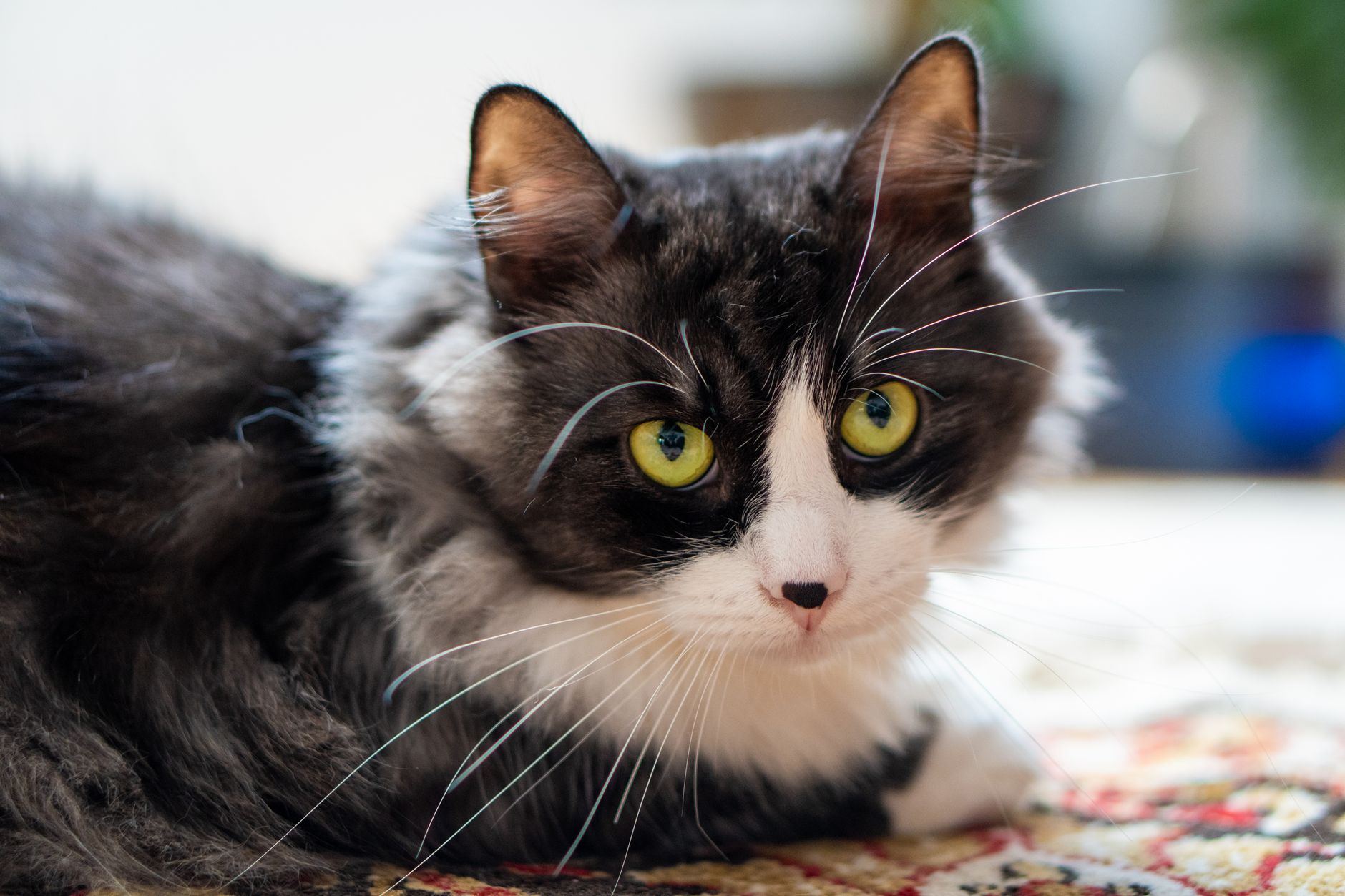
I’ve found the Cymric to be one of the most socially intelligent and emotionally intuitive breeds out there. They possess a surprisingly quiet, chirping voice rather than a loud meow, which they use to gently communicate with their human companions. They are incredibly loyal, often selecting a favorite human but showing abundant affection to everyone in the household, including other pets.
Is a Cymric good with other pets?
Yes, they are highly social cats that usually thrive alongside friendly dogs and other cats. Their confident, easygoing nature helps them integrate smoothly into multi-pet homes without territorial drama.
How much attention does a Cymric need?
They are highly people-oriented and do not do well when left alone for long stretches. I advise busy owners to provide plenty of interactive toys or consider a second pet to keep them company.
Training & Behavior
Training a Cymric is highly rewarding because of their sharp intelligence and natural curiosity. They learn tricks easily and are famous for opening cabinet doors with their paws. Establishing boundaries early is key, as their incredible jumping ability means no counter or high shelf is naturally out of bounds.
Training Tips
- Use positive reinforcement with high-value treats
- Teach fetch to channel their natural retrieving instinct
- Introduce leash training early for safe outdoor exploration
- Set up sturdy, tall scratching posts to direct clawing behavior
Fun Activities
- Interactive puzzle feeders
- Playing fetch with crinkle balls
- Agility courses built with household furniture
- Clicker training simple tricks
- Exploring safely in a cat backpack
Is a Cymric easy to train?
Yes, they are remarkably responsive to clicker training and positive reinforcement. I’ve successfully taught several Cymrics to come when called, fetch toys, and even sit on command.
Cymric Health Issues

While the Cymric is generally a sturdy, muscular cat, the dominant gene responsible for their unique taillessness can carry severe skeletal issues. Working with a reputable breeder who screens their lines is paramount, and regular veterinary checkups are essential to monitor their development.
Manx Syndrome
A collection of birth defects caused by the tailless gene, which can shorten the spine too much. This leads to severe spinal cord defects, hind-limb paralysis, and problems with bowel and bladder control.
Megacolon
A chronic condition where the colon becomes abnormally enlarged and loses its muscle tone, often secondary to nerve damage from Manx Syndrome.
Arthritis of the Tail Base
In ‘rumpy-riser’ or ‘stumpy’ Cymrics with partial tails, the remaining vertebrae can be fused or malformed, leading to painful arthritis as they age.
Corneal Dystrophy
An inherited condition where cloudy deposits build up in the cornea of the eye, potentially affecting vision.
Intervertebral Disc Disease (IVDD)
Due to their shortened spines, Cymrics can be prone to herniated or bulging discs, causing pain and nerve compression.
How long do Cymrics typically live?
A healthy Cymric typically lives between 8 to 14 years. Cats free of Manx Syndrome symptoms by 6 months of age have an excellent chance of living a long, full life.
What to Feed a Cymric
Because Cymrics are naturally heavy-boned and stocky, maintaining a lean body weight is absolutely critical to protect their unique spines. Extra weight puts dangerous stress on their lower backs and hind joints.
Best Diet
I highly recommend a high-protein, low-carbohydrate wet diet to promote lean muscle mass and optimal hydration. Look for formulas listing real meat as the first ingredient, tailored specifically to their life stage.
How to Feed
Avoid free-feeding kibble, as Cymrics are prone to overeating. Instead, feed measured portions split into two or three scheduled meals daily using a digital scale for accuracy.
How Much to Feed
The exact amount depends heavily on age, activity level, and neuter status. On average, an adult Cymric requires about 200 to 250 calories per day, but you should always consult your vet to tailor this.
Nutritional Tips
Incorporate Omega-3 fatty acids (like salmon oil) to support joint health and keep their dense, double coats shiny. Adding moisture to their food also helps prevent the constipation issues common to the breed.
Cymric Grooming Guide
The Cymric has a thick, plush double coat that requires consistent attention to prevent painful matting. I’ve found that establishing a routine early in kittenhood makes grooming a pleasant, bonding experience rather than a chore.
Coat Care
Use a high-quality steel comb and a slicker brush at least three times a week to reach the dense undercoat. Pay extra attention to the thick ‘trousers’ on their hind legs and their underbelly.
Skin Care
Keep the area around their rear clean, especially in completely tailless ‘rumpies’ who may occasionally need a quick wipe or sanitary trim to prevent litter or stool from sticking.
Eye Care
Gently wipe the corners of their eyes with a damp, soft cloth if you notice any discharge, using a clean section of the cloth for each eye.
Ear Care
Check their ears weekly for wax buildup or redness; clean them gently with a vet-approved ear cleaner and a cotton ball if needed.
Nail & Dental Care
Trim their nails every two to three weeks to prevent snagging on carpets, and brush their teeth daily with cat-safe enzymatic toothpaste.
Considerations for Pet Parents
Pros
- Exceedingly affectionate and family-friendly
- Dog-like, highly trainable personality
- Quiet, sweet vocalizations
- Stunningly beautiful, plush coat
- Excellent jumpers and athletic companions
- Thrives in multi-pet households
Cons
- High grooming requirements to prevent mats
- Susceptible to severe spinal genetic health issues
- Prone to obesity which stresses their unique spine
- Can be difficult to find from ethical breeders
- High potential for separation anxiety
Best For
Active families, experienced cat owners, or retirees who have the time to dedicate to daily grooming and hands-on companionship.
Not Recommended For
Those who are frequently away from home for long hours, or anyone unwilling or unable to manage potential, costly chronic health issues related to the spine.
Cost
- purchase price$1,000 to $2,500
- monthly cost$100 to $180
- initial setupInitial setup including genetic health screening, high-quality grooming tools, tall cat trees, and spay/neuter surgery can range from $600 to $1,500.
Similar Breeds
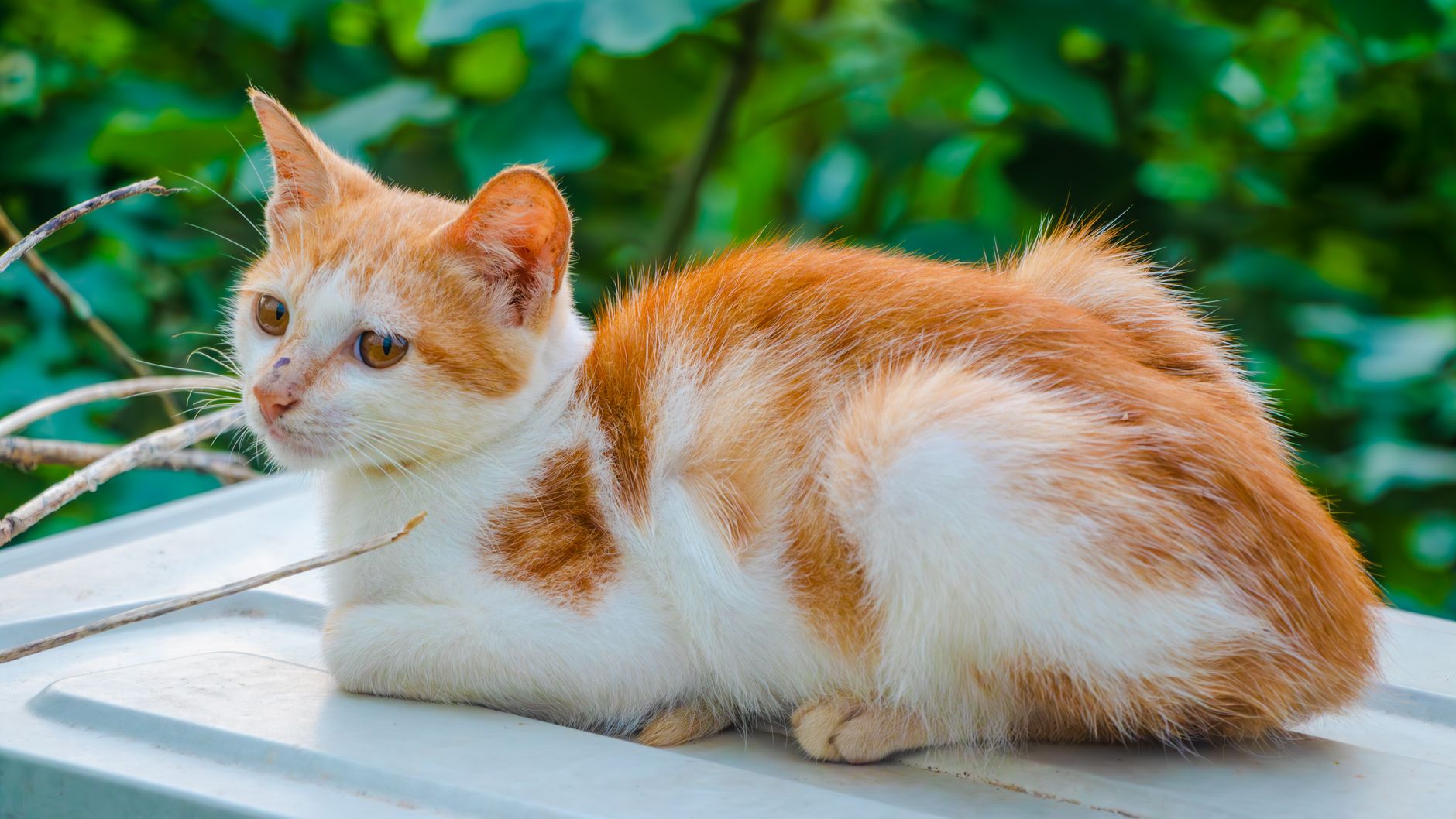
Manx

American Bobtail
Cymric FAQs
What is the difference between a Manx and a Cymric?
The Cymric is simply the longhaired version of the Manx cat. They share the exact same genetic history, rounded body structure, and tailless gene; the only difference is the length and density of their coat.
Are all Cymric cats completely tailless?
No, they can have varying tail lengths. Breeders categorize them as ‘rumpies’ (completely tailless), ‘rumpy-risers’ (a small rise of bone), ‘stumpies’ (a short, curved tail), or ‘longies’ (nearly normal-length tails).
Do Cymrics hop like rabbits?
Yes, many Cymrics display a hopping gait due to their short back and exceptionally long, muscular hind legs. This is a normal breed trait and is not automatically a sign of skeletal disease, though it should be monitored.
Why is breeding Cymrics so difficult?
The tailless gene is dominant but lethal in its homozygous form. Kittens that inherit the gene from both parents die in utero, meaning breeders must carefully cross tailless cats with tailed ones to ensure viable litters.
Do Cymrics get along with dogs?
In my experience, they get along wonderfully with dogs. Their bold, confident, and playful nature makes them excellent playmates for dog-friendly canines, and they often enjoy playing fetch together.
Are Cymric cats hypoallergenic?
No, they are not. Their dense double coat sheds heavily and produces standard amounts of the Fel d 1 protein, which is the primary trigger for cat allergies in humans.
How can I prevent Manx Syndrome in a Cymric kitten?
You cannot prevent it once a kitten is born, as it is genetic. The best protection is to buy from an ethical breeder who keeps kittens until they are 4 to 6 months old, by which time any signs of the syndrome will have manifested.
Are Cymrics good jumpers?
They are phenomenal jumpers. Thanks to their powerful rear legs, they can jump onto high surfaces like refrigerators and doors easily, so you will need to keep breakables away from high shelves.
Why does my Cymric chirp instead of meowing?
This is a delightful breed trait. Cymrics are generally quiet and prefer to communicate using soft, bird-like chirps and trills rather than loud meows, which they use to express curiosity or ask for dinner.
Do Cymrics like water?
Many do. They have a strange fascination with water and may play in dripping faucets, splash in their water bowls, or even try to join you in the shower. I always advise keeping toilet lids closed.
Can a Cymric be kept as an indoor-only cat?
Yes, they absolutely should be. Given their friendly, trusting nature, high value, and potential spinal vulnerabilities, keeping them safely indoors protects them from diseases, traffic, and predators.
What kind of grooming tools do I need for a Cymric?
You will need a high-quality stainless steel greyhound comb to detangle the undercoat, a soft slicker brush for the topcoat, a dematting tool for occasional knots, and cat-safe sanitary wipes.