
Briard Breed Guide

Quick Summary
The Briard is an ancient, highly intelligent French herding breed renowned for its absolute loyalty, protective nature, and striking, long coat. While incredibly rewarding, they are intense dogs that require dedicated socialization, firm training, and hours of weekly grooming, making them best suited for active, experienced owners who can commit to their extensive physical and mental needs.
Quick Facts
- origin countryFrance
- breed groupHerding
- sizeLarge
- weight range55 to 100 pounds
- height range22 to 27 inches at the shoulder
- lifespan12 to 15 years
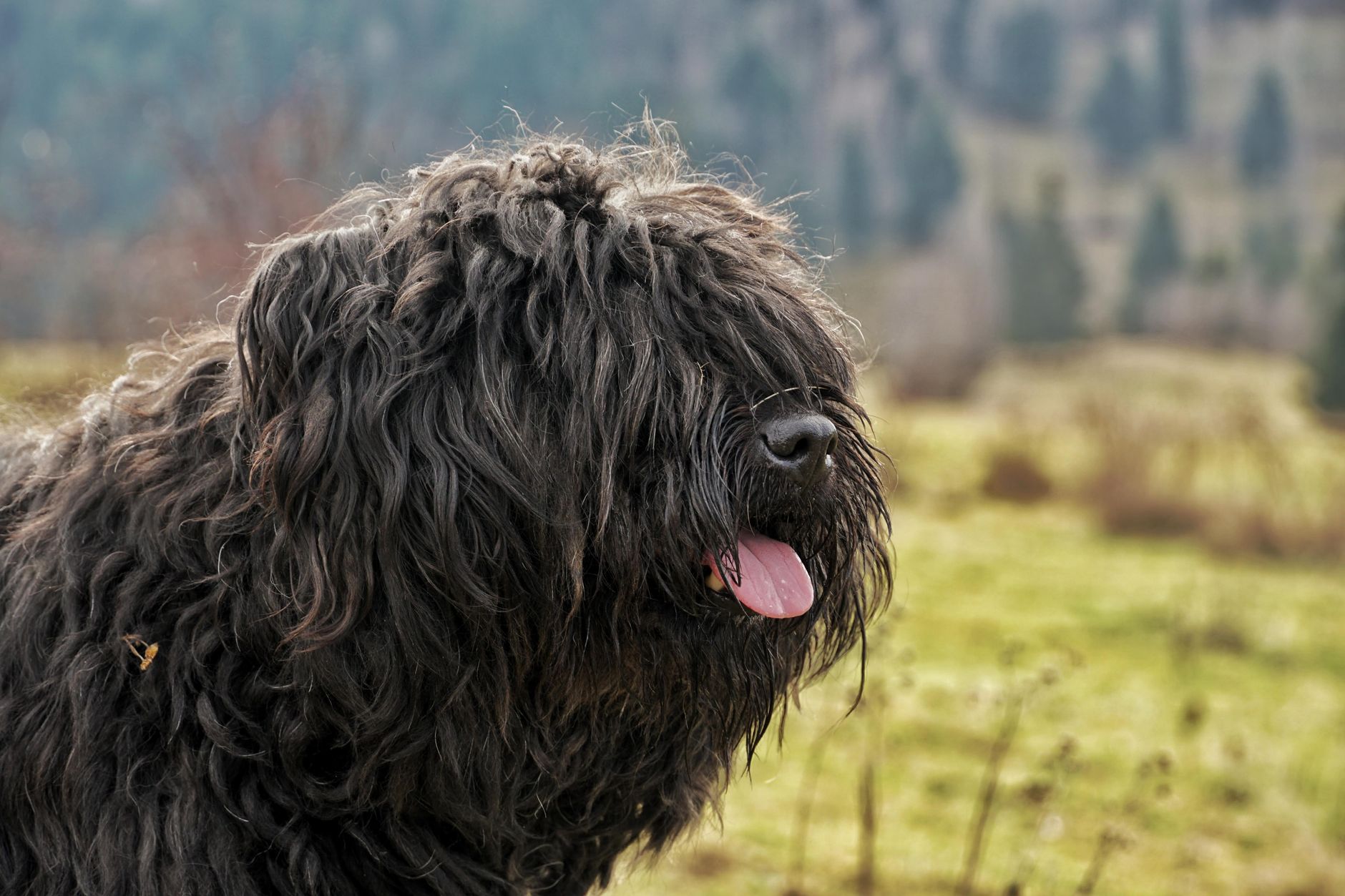
- coat typeLong, coarse, slightly wavy, dry ‘goat’ coat with a fine undercoat
- common colorsBlack, tawny, gray
- other namesChien Berger de Brie
- recognized byAKC, UKC, FCI
Caring for a Briard
In my years treating this breed, I always tell owners that living with a Briard is a lifestyle commitment, not just pet ownership. Day-to-day life involves balancing their intense herding instincts, which can manifest as trying to circle your children or guests, with their need for rigorous physical exercise. You must be prepared to dedicate at least 1.5 to 2 hours daily to structured physical and mental work. Additionally, managing their unique double coat requires a permanent spot in your weekly schedule to prevent painful matting and skin infections.
Is a Briard a good family pet?
Yes, for the right family. In my experience, they are fiercely loyal and protective of their ‘flock,’ but their strong herding drive means they may attempt to nip at the heels of running children, requiring diligent training and supervision.
Do Briards shed a lot?
Surprisingly, they shed very little loose hair compared to other long-haired breeds because their dead hair gets trapped in the coat. However, if you do not brush this trapped hair out regularly, it will quickly turn into severe mats.
Is a Briard good for first-time owners?
I generally advise against a Briard for first-time owners. Their combination of high intelligence, physical strength, and independent thinking means they will easily outmaneuver an inexperienced owner who lacks confident leadership.
Temperament & Personality

The Briard is a complex blend of independent thinker and intensely devoted companion. In my clinic, I see them as deeply sensitive to their owner’s emotions, yet they possess a strong, assertive guardian instinct that makes them naturally aloof with strangers. They are not ‘everyone’s best friend’ like a Golden Retriever; they reserve their deep affection for their immediate family. This devotion means they thrive when integrated closely into family activities and can become destructive if isolated.
Is a Briard good with other pets?
They can coexist beautifully with other pets if raised together from puppyhood, but their high herding drive can cause them to chase smaller animals like cats. Early socialization and slow, supervised introductions are absolutely essential.
How much attention does a Briard need?
They need an immense amount of daily human interaction. This is not a breed that can be left alone in a backyard all day; they require shared activities, mental puzzles, and close physical proximity to their human pack to remain emotionally stable.
Training & Behavior
Training a Briard requires a partnership approach rather than a dictatorial one. Because they are exceptionally smart herding dogs, they learn commands quickly but will choose to ignore them if they find the repetition boring or the trainer inconsistent. In my practice, I have observed that positive, reward-based training coupled with clear, unwavering boundaries yields the best results. Socialization must begin the week you bring your puppy home and continue throughout their entire first year to temper their natural guarding instincts.
Training Tips
- Keep training sessions short, dynamic, and intellectually engaging.
- Use positive reinforcement; harsh corrections will cause this sensitive breed to shut down.
- Begin socialization early, exposing them to at least 100 different people and environments in the first 4 months.
- Incorporate impulse-control games to manage their natural herding and chasing instincts.
Fun Activities
- Herding trials
- Agility training
- Scent work and tracking
- Carting and pulling sports
- Advanced competitive obedience
Is a Briard easy to train?
They are highly capable and eager to learn, but their independent streak means they are not necessarily ‘easy’ for novices. Success requires patience, consistency, and an understanding of working-dog psychology.
Briard Health Issues
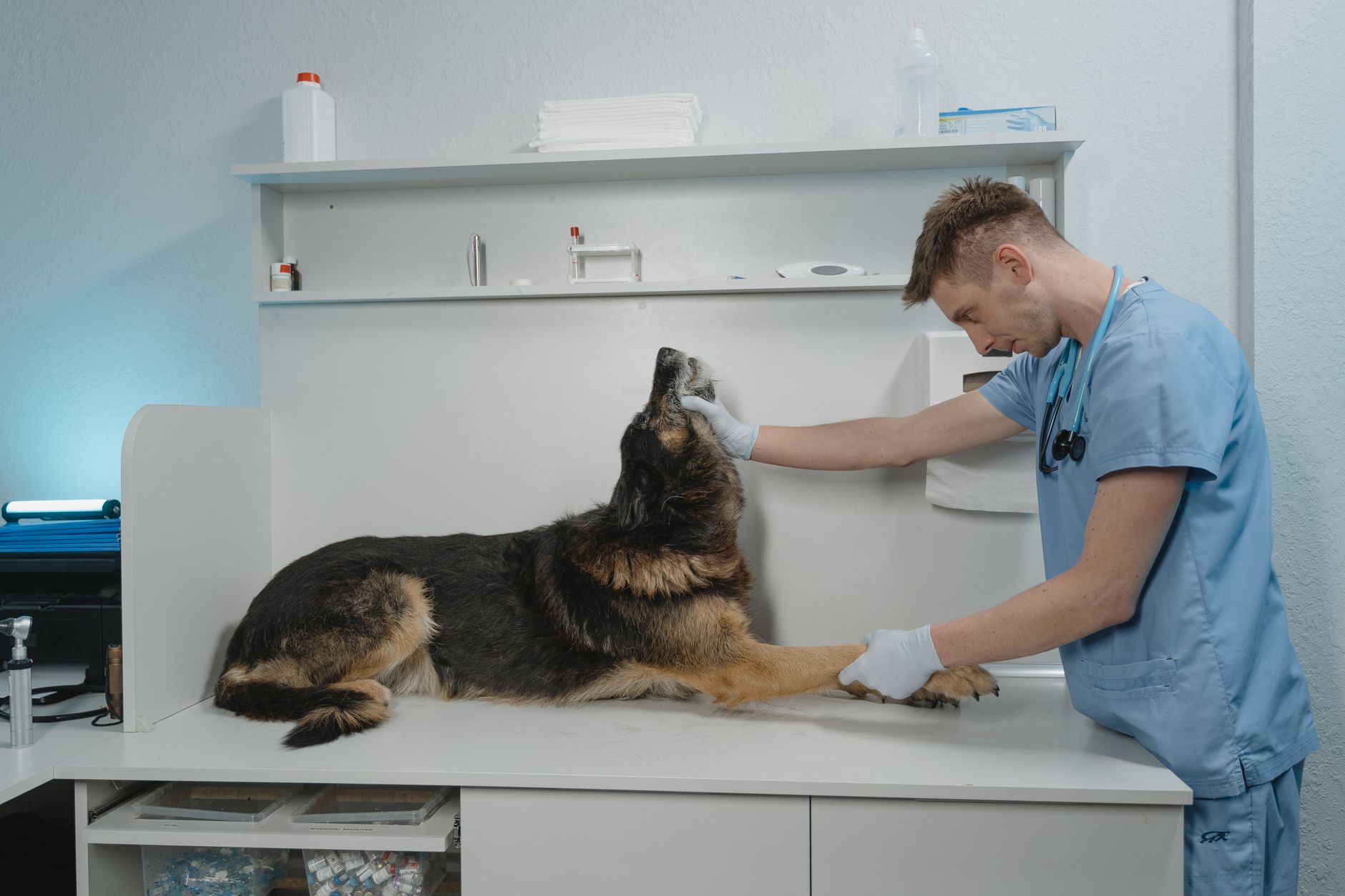
As a vet, I consider the Briard to be a generally robust and hardy breed, but like all large working dogs, they are genetically predisposed to several serious health conditions. Working with a reputable breeder who performs comprehensive genetic screening is your first and best line of defense.
Gastric Dilation-Volvulus (GDV or Bloat)
A life-threatening emergency where the deep-chested stomach fills with gas and twists on its axis, cutting off blood supply. This requires immediate emergency surgical intervention.
Congenital Stationary Night Blindness (CSNB)
An inherited retinal disorder unique to the breed that causes varying degrees of vision loss, specifically in low-light conditions, from birth.
Hip Dysplasia
A genetic developmental malformation of the hip joint leading to painful osteoarthritis and joint laxity.
Progressive Retinal Atrophy (PRA)
A group of degenerative eye diseases that gradually destroy the photoreceptor cells of the retina, eventually leading to complete blindness.
Hypothyroidism
An underactive thyroid gland that fails to produce adequate levels of thyroid hormone, slowing the dog’s metabolic rate.
How long do Briards typically live?
With proper nutrition, preventative veterinary care, and regular exercise, Briards typically live between 12 and 15 years, which is an excellent lifespan for a large, deep-chested breed.
What to Feed a Briard
Proper nutrition is critical to supporting the rapid growth rate of Briard puppies and maintaining the energy levels of active adults. Because of their risk for GDV, the method of feeding is just as important as the food itself.
Best Diet
I recommend a high-quality, large-breed formula that contains controlled levels of calcium and phosphorus to support steady, safe bone development in growing puppies. For adults, look for premium kibble enriched with glucosamine, chondroitin, and omega-3 fatty acids for joint health.
How to Feed
Always split their daily food allowance into at least two, preferably three, smaller meals. To prevent bloat, absolutely do not feed them from elevated bowls unless medically advised, and strictly restrict vigorous exercise for one hour before and two hours after eating.
How Much to Feed
Adult Briards generally require between 3 to 5 cups of high-quality dry food per day, though this varies widely depending on age, metabolism, and activity level. You should consult your veterinarian to calculate exact caloric needs based on a Body Condition Score.
Nutritional Tips
Incorporate high-quality marine sources of Omega-3 fatty acids (like wild-caught salmon oil) into their diet. This not only supports their heavy joint burden but is vital for keeping their massive double coat hydrated and preventing dry, itchy skin.
Briard Grooming Guide
What I see most often in practice is owners severely underestimating the grooming commitment a Briard demands. Their double coat acts like a magnet for twigs, mud, and debris, requiring a rigorous and consistent routine to prevent the coat from forming tight, painful felted mats next to the skin.
Coat Care
Expect to spend at least 2 to 3 hours per week on thorough line-brushing, using a high-quality pin brush and undercoat rake to get completely down to the skin. Never brush a dry coat; always use a light detangling spray to prevent hair breakage.
Skin Care
Because mats can trap moisture, yeast, and bacteria against the skin, regular inspection is vital. If your Briard gets wet, ensure they are thoroughly blow-dried to the skin to prevent hot spots.
Eye Care
The signature ‘fall’ of hair over their eyes can collect debris and irritate the cornea. I recommend using a soft band or clip to keep the hair out of their eyes at home, and gently wiping the corners daily with a damp cloth.
Ear Care
Their heavily feathered drop ears trap moisture and restrict airflow, creating a breeding ground for yeast. Clean them weekly with a vet-approved, drying ear cleanser, and monitor closely for redness or odor.
Nail & Dental Care
The Briard has unique, functional double dewclaws on their rear legs that must never be removed unless medically necessary. These do not touch the ground, meaning they must be clipped manually every 2-3 weeks, alongside daily dental brushing.
Considerations for Pet Parents
Pros
- Incredibly loyal, devoted, and loving with their immediate family
- Exceptional natural guardians and watchdogs
- Highly intelligent and capable of learning complex tasks
- Extremely versatile, excelling in herding, agility, and tracking
- Relatively low-shedding compared to other long-coated breeds
- Athletic and robust companion for outdoor enthusiasts
Cons
- Extremely high grooming demands requiring hours of weekly work
- Strong herding instinct can lead to chasing and heel-nipping
- Requires intensive, lifelong socialization to prevent over-guarding
- Prone to life-threatening bloat (GDV)
- Can be highly suspicious or aloof with strangers
Best For
Active, experienced owners who have the time to devote to extensive grooming, daily training, and rigorous physical exercise. They thrive in homes with a large, securely fenced yard where they can work and play.
Not Recommended For
Sedentary owners, first-time dog parents, or those who are away from home for long stretches. They are also not ideal for households with very young, running children who might trigger the dog’s herding and nipping instincts.
Cost
- purchase price$1,500 to $3,000 from a reputable, health-testing breeder
- monthly cost$150 to $250 for high-quality food, grooming supplies, and routine preventative veterinary care
- initial setupPlan to spend an initial $1,200 to $1,800 on professional grooming tools (dryers, tables, brushes), a heavy-duty crate, high-quality training classes, and essential vet visits.
Similar Breeds

Briard FAQs
Why do Briards have double rear dewclaws?
This is a historic, genetic trait required by the breed standard. Historically, these double dewclaws acted like snowshoes, helping them navigate rough terrain, mud, and wet fields while herding sheep in France.
How much daily exercise does a Briard require?
An adult Briard needs a minimum of 1.5 to 2 hours of vigorous exercise daily. This should include structured activities like running, hiking, fetch, or dog sports, combined with daily mental training sessions.
Are Briards hypoallergenic?
No. While they do not shed heavily because their dead hair remains trapped in their coat, they still produce dander and saliva, which can trigger allergies in sensitive individuals.
What is CSNB in Briards, and can it be prevented?
Congenital Stationary Night Blindness is an inherited eye disease. While there is no cure, it is entirely preventable through responsible breeding practices; reputable breeders use a DNA test to ensure carrier dogs are never bred together.
Can Briards live in an apartment?
Generally, no. Their large size, high energy level, and natural protective instincts make them poorly suited to apartment living. They thrive best in homes with a spacious, securely fenced yard.
How do Briards handle hot weather?
Because of their thick double coats, they are prone to overheating. In hot weather, limit their vigorous exercise to the early morning or late evening, keep them in air-conditioned spaces, and never shave their coat, as it actually insulates them from heat.
Do Briards bark a lot?
They are natural watchdogs and will bark to alert you to strangers, deliveries, or unusual noises. With proper training, you can teach them to stop barking on command, but they are not a silent breed.
How do you clean a Briard’s beard?
Their long beard gets wet and dirty during eating and drinking, which can cause a sour odor and skin irritation. I recommend washing their beard with a gentle dog shampoo weekly and wiping it dry after meals.
Are Briards prone to separation anxiety?
Yes. Because they form an incredibly close bond with their family, they can suffer from separation anxiety if left alone for long periods. They need to be gradually acclimated to crate training and short departures from puppyhood.
At what age do Briards stop growing?
Briards typically reach their full adult height by 12 to 18 months of age, but they will continue to fill out, gain muscle, and develop their mature coat until they are about 2 to 3 years old.
How do I prevent my Briard from herding my children?
You must redirect their herding instinct immediately. Teach commands like ‘leave it’ and ‘sit-stay,’ and never allow them to chase running children. Always supervise interactions and give the dog structured mental outlets like fetch or puzzle toys.
Is a gastropexy recommended for Briards?
Yes. Because of their high risk of Gastric Dilation-Volvulus (GDV), I frequently recommend a prophylactic gastropexy (stomach-tacking surgery), which can be performed at the time of spay or neuter to prevent the stomach from twisting.