
Balinese Breed Guide
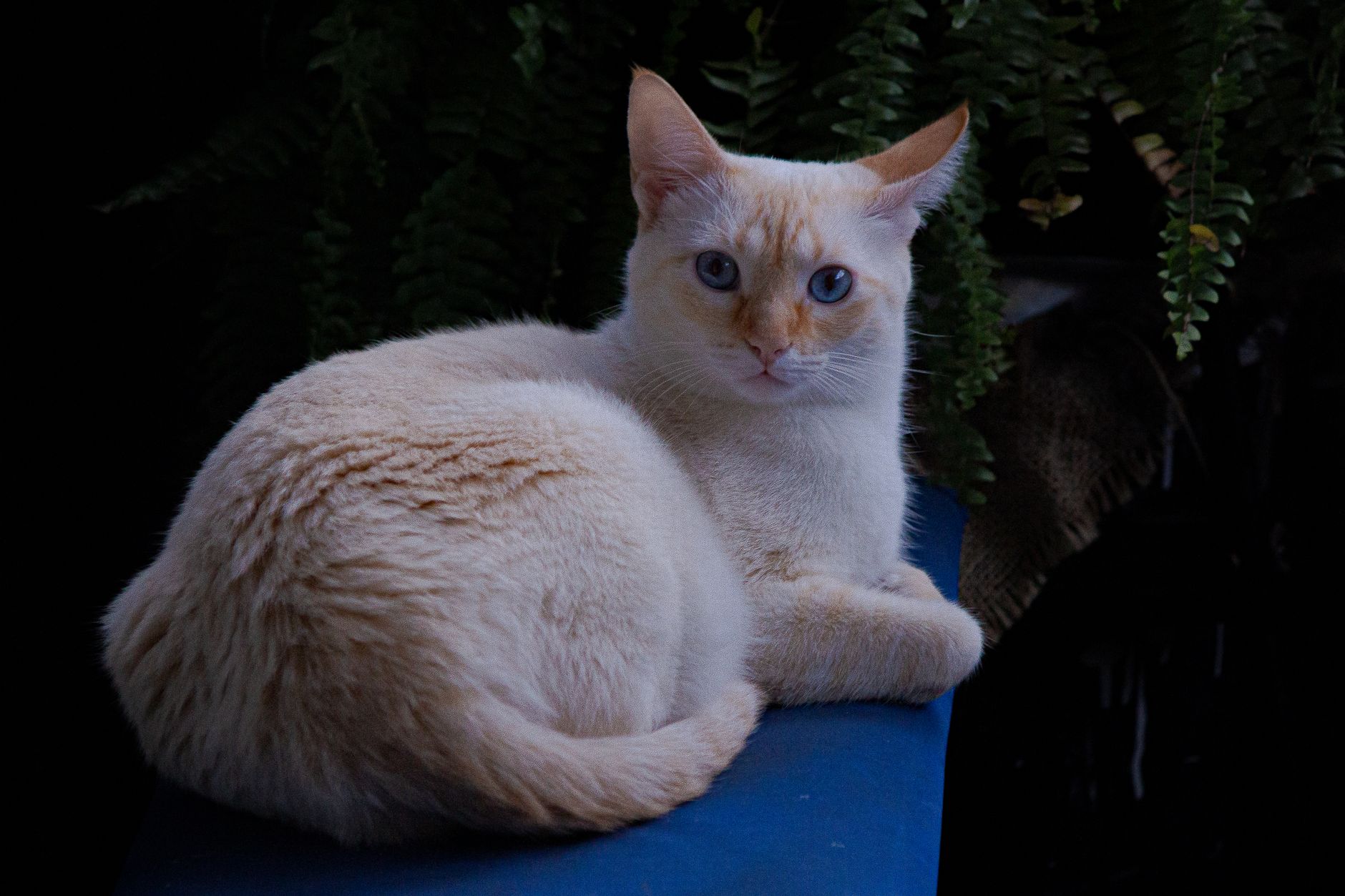
Quick Summary
The Balinese is essentially a long-haired Siamese, boasting the same striking point-coloration, piercing blue eyes, and brilliant, highly social mind. Ideal for active households and families who want a highly communicative, ‘velcro’ companion, this breed offers the beauty of a long coat without the heavy shedding or matting typical of double-coated cats.
Quick Facts
- origin countryUnited States
- breed groupShorthair/Longhair Oriental
- sizeMedium
- weight range5 to 12 lbs (2.3 to 5.4 kg)
- height range8 to 11 inches (20 to 28 cm)
- lifespan12 to 20 years
- coat typeMedium-long, single coat, silky
- common colorsSeal, Chocolate, Blue, and Lilac points
- other namesLong-haired Siamese
- recognized byCFA, TICA, FIFe, CCA, ACFA
Caring for a Balinese
Living with a Balinese is less like owning a pet and more like having an incredibly curious, chatty roommate who insists on helping you with every single task. In my experience, they will follow you from room to room, riding on your shoulders or supervising your typing from the top of your monitor. Because they have a single coat with no undercoat, their grooming routine is surprisingly low-maintenance compared to other long-haired breeds. However, their high intelligence means you must provide plenty of mental stimulation, puzzle toys, and vertical space to keep them out of trouble.
Is a Balinese a good family pet?
Absolutely, they thrive in bustling family environments because they love being the center of attention and get along wonderfully with respectful children. I’ve found their playful, acrobatic nature makes them fantastic playmates who don’t tire easily.
Do Balineses shed a lot?
Surprisingly, no. Because they lack a dense undercoat, their silky hair rarely mats and sheds significantly less than other long-haired cats, making them much easier to manage.
Is a Balinese good for first-time owners?
Only if you are prepared for an extremely vocal, high-energy companion who demands constant interaction. If you expect a quiet, independent cat that sleeps all day, a Balinese will likely overwhelm you.
Temperament & Personality
The Balinese is renowned for its highly social, vocal, and deeply affectionate personality. They are passionate talkers who will happily hold full conversations with you, using a softer, more melodious voice than their Siamese ancestors. In my years working with them, I’ve noticed they form profound emotional bonds with their humans, often acting as sensitive ‘therapist’ cats who sense your mood. They are extremely active and remain kitten-like in their playfulness well into their senior years.
Is a Balinese good with other pets?
Yes, they are highly social and generally do very well with other cats and cat-friendly dogs. I always advise owners that a lonely Balinese can become destructive, so having a playmate is actually ideal.
How much attention does a Balinese need?
They need a lot of daily interaction and do not tolerate being ignored or left alone for long periods. If you work long hours out of the home, you’ll need to provide another companion pet or interactive toys to keep them occupied.
Training & Behavior
With their high-level intelligence—often ranked among the smartest of all cat breeds—Balinese are incredibly trainable. I have successfully taught Balinese cats to fetch, walk on a leash, and even perform agility courses using positive reinforcement. If you don’t actively train them, they will train themselves, which usually involves figuring out how to open cabinets and turn on faucets.
Training Tips
- Use clicker training with high-value treats like freeze-dried chicken.
- Keep training sessions short, fast-paced, and fun.
- Start leash and harness training early in kittenhood.
- Redirect unwanted behaviors immediately with an interactive toy.
- Teach them target training to manage their jumping instincts.
Fun Activities
- Fetch with crinkle balls or felt mice
- Agility obstacle courses
- Leash-walks in quiet parks
- Puzzle feeders and food-dispensing toys
- Learning high-fives and sit commands
Is a Balinese easy to train?
Yes, they are among the easiest cats to train due to their eagerness to interact with you and their sharp intellect. They respond beautifully to praise and treats, making them great candidates for clicker training.
Balinese Health Issues

The Balinese is generally a robust, long-lived breed, but because they share genetic roots with the Siamese, they are prone to some of the same inherited health issues. Working closely with a reputable breeder who screens their breeding cats is the best way to avoid these genetic pitfalls.
Progressive Retinal Atrophy (PRA)
An inherited degenerative eye disease that causes the photoreceptor cells in the retina to waste away, eventually leading to blindness.
Hypertrophic Cardiomyopathy (HCM)
The most common form of heart disease in cats, characterized by the thickening of the heart muscles, which impairs cardiac function.
Amyloidosis
A rare familial disease where an abnormal protein called amyloid deposits in organs, most commonly the liver or kidneys, leading to organ failure.
Strabismus and Nystagmus
Neurological eye conditions causing crossed eyes (strabismus) or involuntary rapid eye movement (nystagmus), common in Siamese-lineage breeds.
Asthma and Bronchial Disease
An inflammatory airway disease that causes spasms in the lungs, making breathing difficult during flare-ups.
How long do Balineses typically live?
With proper nutrition, regular veterinary checkups, and an indoor-only lifestyle, a Balinese can easily live between 15 and 20 years. Many of my clients’ Balinese cats have lived vibrant lives well into their late teens.
What to Feed a Balinese
Maintaining a lean body condition is absolutely critical for the long, svelte frame of the Balinese. Excess weight puts unnecessary strain on their delicate joints and increases their risk of feline diabetes.
Best Diet
I highly recommend a diet rich in high-quality animal protein and low in carbohydrates, consisting primarily of wet canned food to support hydration. Look for formulas listing real meat (like chicken, turkey, or salmon) as the first ingredient, and consult your vet to tailor nutrition to their life stage.
How to Feed
Avoid free-feeding kibble, as Balinese can overeat out of boredom. Instead, divide their daily caloric intake into 2 to 3 scheduled meals, or use puzzle feeders to stimulate their minds while they eat.
How Much to Feed
The exact amount depends on their age, weight, and activity level, but generally, an active adult Balinese requires about 200 to 250 calories per day. Always consult your veterinarian to establish a precise feeding plan based on their body condition score.
Nutritional Tips
Incorporate Omega-3 fatty acids (like salmon oil) to keep their single, silky coat shining and healthy. Ensure they always have access to fresh, filtered water, ideally from a cat fountain to encourage drinking.
Balinese Grooming Guide
Unlike double-coated breeds like the Persian, grooming a Balinese is incredibly straightforward. Their single coat lacks a downy undercoat, meaning it rarely mats or tangles, making coat care a breeze.
Coat Care
A thorough brushing once or twice a week with a stainless steel comb or soft slicker brush is all it takes to remove loose hairs and maintain their coat’s natural luster. During seasonal sheds in spring and fall, you may want to brush them every other day.
Skin Care
Their skin is generally healthy, but look out for dry skin during winter months. Avoid bathing them unless they get into something messy, as frequent baths can strip natural skin oils.
Eye Care
Wipe the corners of their eyes weekly with a damp, warm cotton ball (using a different cotton ball for each eye) to clear any minor discharge, which is common in pointed breeds.
Ear Care
Check their ears weekly for dirt, redness, or a yeast odor. If dirty, clean them gently with a vet-approved ear cleaner and a cotton round, never inserting cotton swabs into the ear canal.
Nail & Dental Care
Clip their nails every 2 to 3 weeks and brush their teeth daily (or at least 3 times a week) using cat-safe toothpaste to prevent periodontal disease, which pointed breeds are prone to.
Considerations for Pet Parents
Pros
- Highly affectionate, loyal, ‘velcro’ companion
- Exceptionally intelligent and highly trainable
- Lower-maintenance coat that rarely mats or tangles
- Extremely playful, keeping a kitten-like spirit for years
- Produces less Fel d 1 protein, making them more tolerable for some allergy sufferers
- Sociable and gets along wonderfully with kids and other pets
Cons
- Extremely vocal and demanding of attention
- Prone to separation anxiety if left alone for long periods
- Needs high-level mental stimulation to prevent destructive behavior
- High energy levels can be overwhelming for some households
Best For
This breed is perfect for active households, remote workers, or families who want a highly interactive, communicative pet. They thrive when they can participate in daily household activities and have other pets to play with.
Not Recommended For
I do not recommend this breed for people who spend long hours away from home, those who prefer a quiet and calm living environment, or owners looking for a low-energy, independent cat.
Cost
- purchase price$1,000 to $2,500 USD
- monthly cost$80 to $150 USD
- initial setupExpect to spend $400 to $800 initially on high-quality cat trees, interactive toys, litter boxes, grooming tools, and initial vet visits.
Similar Breeds

Siamese

Javanese
Balinese FAQs
Are Balinese cats hypoallergenic?
While no cat is truly 100% hypoallergenic, the Balinese is often considered a great choice for mild allergy sufferers. They produce significantly lower levels of the Fel d 1 protein in their saliva and skin oil than most other breeds, and their single coat doesn’t trap and spread dander as much.
What is the difference between a Siamese and a Balinese cat?
The primary difference is coat length. The Balinese is essentially a long-haired mutation of the Siamese, possessing a silky, medium-long single coat and a plume-like tail, whereas the Siamese has a very short, flat coat. Behaviorally, they are very similar, though many find the Balinese to have a slightly softer vocal volume.
Do Balinese cats talk a lot?
Yes, they are highly vocal cats who love to converse with their owners. They will meow, chirp, and trill to tell you about their day, demand food, or ask for attention. If you prefer a quiet, silent home, this breed is not a good fit.
Can Balinese cats be left alone during the day?
Generally, no, they do not tolerate being left completely alone for long periods. They are prone to loneliness and separation anxiety, which can lead to stress-induced behaviors like excessive vocalization or destructive scratching. If you must be gone, it is highly recommended to have a second pet.
Do they get along with dogs?
Yes, Balinese cats are highly social and often get along fabulously with cat-friendly dogs. Because of their active and confident nature, they aren’t easily intimidated and will often seek out the family dog as a playmate or sleeping companion.
How often should I brush a Balinese cat?
Brushing them once or twice a week is usually sufficient. Because they lack a thick undercoat, their silky fur is not prone to severe matting, making their grooming routine much easier than that of other long-haired cats.
Are Balinese cats indoor-only pets?
I strongly recommend keeping Balinese cats indoors. Their friendly, trusting nature, high financial value, and lack of a thick undercoat to protect against extreme weather make them ill-suited for unsupervised outdoor life. Secure outdoor enclosures (catios) or leash walks are great alternatives.
Do Balinese cats jump high?
Yes, they are incredible acrobats capable of leaping to heights you wouldn’t expect. They love being high up, so you will often find them on top of doors, refrigerators, or the highest shelves. Providing sturdy, tall cat trees is essential.
Why does my Balinese cat’s coat change color?
Like all pointed cats, the Balinese’s coat color is temperature-sensitive. The enzyme that produces pigment is active only in cooler areas of the body, which is why their extremities (ears, nose, paws, tail) are dark, and their warmer torsos stay light. Their coats may darken as they age or during colder winter months.
Are Balinese cats aggressive?
No, they are highly affectionate and social cats with no natural tendency toward aggression. However, because they are highly energetic and intelligent, if they do not receive enough mental and physical stimulation, they may display frustration through play-biting or rough play.
At what age are Balinese cats fully grown?
While they reach sexual maturity earlier than some breeds, a Balinese cat typically takes about 12 to 18 months to reach their full skeletal size and weight, and their adult coat and final point coloration may not fully develop until they are around 2 years old.
Are Balinese cats prone to dental issues?
Yes, like their Siamese cousins, they are genetically predisposed to gingivitis and periodontal disease. Starting a daily tooth-brushing routine with enzymatic cat toothpaste during kittenhood is crucial for their long-term health.