
Irish Water Spaniel Breed Guide

Quick Summary
The Irish Water Spaniel is an active, highly intelligent, and clownish sporting dog known for its curly, water-repellent coat and distinctive ‘rat tail.’ Ideally suited for active, outdoor-loving owners, this breed combines the retrieval drive of a retriever with the sharp mind of a spaniel, requiring ample mental stimulation and vigorous exercise.
As an Amazon Associate, we earn from qualifying purchases.
Popular with Irish Water Spaniel owners: Slicker Brush · Hip & Joint Supplement · Orthopedic Dog Bed
Quick Facts
- origin countryIreland
- breed groupSporting Group
- sizeMedium to Large
- weight range45 to 68 pounds (20 to 31 kg)
- height range21 to 24 inches (53 to 61 cm)
- lifespan10 to 12 years
- coat typeDense, tight, water-repellent curls; smooth face and ‘rat tail’
- common colorsSolid liver (puisne)
- other namesShannon Spaniel, Whip-Tail Spaniel, Rat-Tail Spaniel
- recognized byAKC, UKC, FCI
Caring for a Irish Water Spaniel
Living with an Irish Water Spaniel is an active, engaging commitment that centers on satisfying their intense need for physical and mental exercise. In my practice, I find these dogs thrive when they have a job to do, ideally involving swimming or retrieval work. Their unique curly coat doesn’t shed much but requires diligent, weekly line-brushing to prevent painful matting close to the skin. Expect to dedicate at least 60 to 90 minutes daily to interactive exercise, otherwise, their sharp minds will redirect into destructive behaviors.
Is a Irish Water Spaniel a good family pet?
Yes, they make excellent companions for active families with older children who respect their size and boundary needs. They are incredibly loyal and playful, though they can be somewhat aloof with strangers compared to more gregarious retrievers. Early socialization is key to ensuring their protective instincts remain balanced.
Do Irish Water Spaniels shed a lot?
No, they are a low-shedding breed, often categorized as hypoallergenic because their tight curls trap dander and loose hair. However, this trapped hair will quickly form dense mats if not brushed out weekly to the skin. Owners must commit to regular clipping every 6 to 8 weeks.
Is a Irish Water Spaniel good for first-time owners?
Generally, I do not recommend them for novice owners due to their high intelligence, independent streak, and intense exercise demands. They require a confident leader who understands positive reinforcement training and can prevent them from outsmarting their handlers. Without consistent structure, they can easily become headstrong.
Temperament & Personality
In my clinical experience, the temperament of the Irish Water Spaniel is a unique blend of a goofy ‘clown’ at home and a highly focused, serious worker in the field. They possess an inquisitive nature and an innate love for water that influences almost everything they do. While incredibly devoted to their immediate family, they maintain a natural, spaniel-like reserve around strangers that requires active socialization to manage. They are highly observant and will quickly figure out how to open cabinets or find hidden toys.
Pecute Skin-Friendly Self-Cleaning Slicker Brush
- ✓Instant hair-ejection button
- ✓Made for heavy shedders and sensitive skin
- ✓Works on cats and dogs
- Fine wire pins lift loose undercoat and work out small tangles before they turn into mats
Is a Irish Water Spaniel good with other pets?
They can coexist wonderfully with other household dogs if raised together, though they may assert dominance if not properly socialized. Because of their strong hunting heritage, they have a high prey drive, meaning smaller pets like cats or rabbits require careful supervision and slow, managed introductions.
How much attention does a Irish Water Spaniel need?
They are a highly people-oriented breed that does not tolerate long periods of isolation well. I often treat IWS patients for separation anxiety when left alone for more than 4 to 5 hours daily without mental stimulation. They want to be active participants in your daily routine.
Training & Behavior
Training an Irish Water Spaniel is highly rewarding but requires a creative approach, as these dogs bore easily with repetitive drills. I always tell owners that if you don’t keep training sessions engaging, your IWS will invent their own ‘clownish’ diversions to entertain themselves. They respond exceptionally well to positive reinforcement and clicker training, but they possess a sensitive side that will shut down under harsh correction.
Training Tips
- Keep training sessions short, dynamic, and fun
- Utilize positive reinforcement and high-value treats
- Incorporate retrieval and water work early
- Socialize intensively during the first 16 weeks
- Establish clear, consistent household boundaries
Fun Activities
- Dock diving and swimming
- Agility and flyball
- Scent work and tracking
- Field trials and hunting simulation
- Advanced obedience and trick training
Is a Irish Water Spaniel easy to train?
They are highly trainable due to their sharp intelligence and working drive, but they are not ‘push-button’ dogs. They require an experienced trainer who can balance firmness with fun, preventing the dog’s independent streak from taking over. If they respect your leadership, they learn complex tasks with incredible speed.
Irish Water Spaniel Health Issues
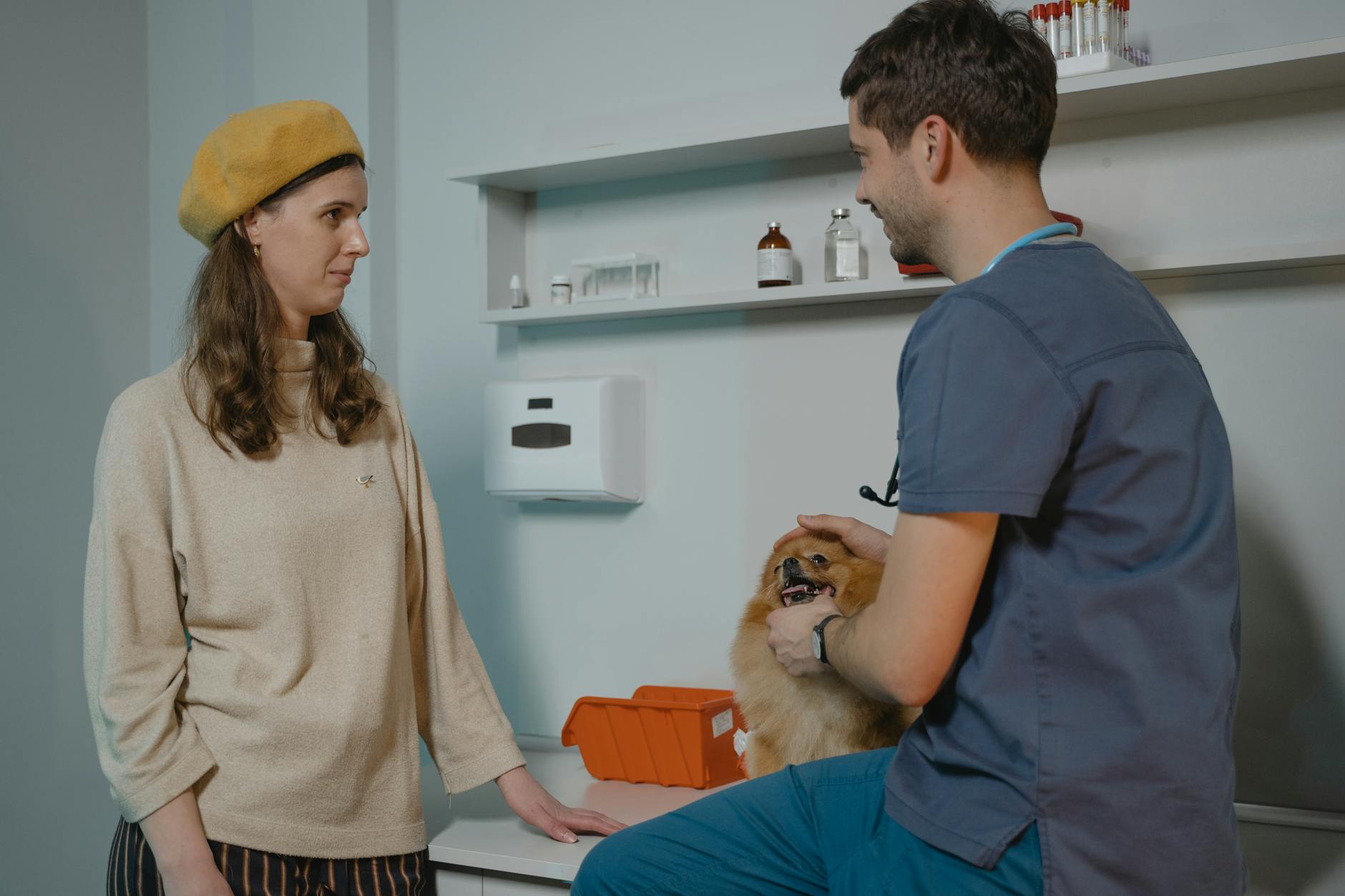
As a vet, I consider the Irish Water Spaniel to be a relatively robust breed, but they are genetically predisposed to several significant hereditary conditions. Prospective owners must seek breeders who perform comprehensive health screenings, specifically DNA tests and joint evaluations, to minimize these risks.
Hip Dysplasia
A genetic malformation of the hip joint where the femur does not fit snugly into the pelvic socket, leading to progressive arthritis. In my practice, I recommend pelvic radiographs (OFA or PennHIP) before breeding to screen for this painful condition.
Follicular Dysplasia
An inherited skin disorder common in the breed that causes progressive hair loss, particularly along the flanks and back, due to abnormal hair follicle development. While not painful, it requires careful skin management to prevent secondary bacterial infections.
VetIQ Glucosamine Hip & Joint Chews
- ✓Soft chews dogs take like a treat
- ✓Glucosamine to support mobility
- ✓Good for senior dogs
- Glucosamine and chondroitin chews support cartilage and mobility, especially in large, senior and dysplasia-prone dogs
Otitis Externa
Due to their long, heavy drop ears and their love of swimming, they are highly prone to chronic ear infections. Moisture and debris easily become trapped in their narrow, L-shaped ear canals, creating an ideal breeding ground for yeast and bacteria.
Distichiasis
A condition where extra eyelashes grow from the oil glands inside the eyelid, rubbing directly against the cornea. This causes constant irritation and, if left untreated, can lead to painful corneal ulcers.
Hypothyroidism
An underactive thyroid gland that slows down the dog’s metabolism, leading to weight gain, lethargy, and poor coat quality. We diagnose this via a complete thyroid panel and manage it effectively with lifelong daily hormone replacement therapy.
How long do Irish Water Spaniels typically live?
The typical lifespan of an Irish Water Spaniel is 10 to 12 years. Providing a lean diet, keeping up with regular joint supplements, and preventing obesity are critical to ensuring they reach their upper age limit comfortably.
What to Feed a Irish Water Spaniel
Feeding an Irish Water Spaniel requires a careful balance to fuel their high-energy lifestyle without allowing them to pack on excess weight. Because they are deep-chested dogs, they are also at risk for bloat (GDV), meaning their eating habits must be closely managed.
Best Diet
A high-quality, large-breed adult kibble formulated for active dogs is ideal, ensuring adequate protein levels (around 26-30%) to maintain muscle mass. For older or less active individuals, a slightly lower-calorie formula may be necessary to prevent joint-stressing weight gain.
How to Feed
Divide their daily food ration into two equal meals, feeding them morning and evening. Always use a slow-feeder bowl to prevent rapid gulping, and strictly avoid strenuous exercise for at least one hour before and after meals to mitigate bloat risks.
How Much to Feed
Generally, active adults require between 2.5 to 3.5 cups of kibble daily, but this varies significantly based on age, metabolism, and activity level. I advise owners to monitor their dog’s body condition score closely and adjust portions with their vet’s guidance.
Nutritional Tips
Incorporate joint supplements containing glucosamine, chondroitin, and omega-3 fatty acids early in life to support their hardworking joints. Ensure they always have access to fresh, clean water, especially after swimming or intense retrieving sessions.
Irish Water Spaniel Grooming Guide
The signature coat of the Irish Water Spaniel is beautiful but demands a high level of maintenance to stay healthy. Neglecting their grooming routine will quickly lead to severe matting, skin infections, and discomfort.
Coat Care
Perform a deep line-brushing at least twice a week using a slicker brush and a metal comb to prevent mats close to the skin. Mist the coat lightly with water or a leave-in conditioner before brushing to avoid breaking the curls, and schedule professional clipping every 6 to 8 weeks.
Skin Care
Their curly coat traps moisture, so it is vital to dry them thoroughly after swimming to prevent hot spots. Use a mild, oatmeal-based dog shampoo to keep their natural skin barrier intact without stripping essential oils.
Eye Care
Examine their eyes weekly for any signs of redness or discharge, which could indicate distichiasis (extra eyelashes) or irritation from field debris.
Ear Care
Clean their ears weekly and immediately after swimming using a veterinarian-recommended drying ear cleaner. Carefully pluck or trim excess hair from the opening of the ear canal to improve air circulation.
Nail & Dental Care
Trim their fast-growing nails every 3 to 4 weeks using a grinder or clippers to prevent splaying, and brush their teeth daily to combat periodontal disease.
Considerations for Pet Parents
Pros
- Extremely intelligent and quick to learn
- Low-shedding coat suitable for allergy sufferers
- Enthusiastic and versatile working dog
- Loyal, protective, and affectionate family companion
- Natural swimmer and great outdoor partner
Cons
- High grooming requirements to prevent severe matting
- Prone to chronic ear infections if ears are left wet
- Requires intense daily physical and mental stimulation
- Can be aloof or reserved with strangers
- Strong prey drive requires careful management
Best For
The ideal owner is an active, outdoorsy individual or family who has prior experience with high-energy working breeds. They must have the time to devote to both intense daily exercise (like hiking or swimming) and a rigorous weekly grooming routine.
Not Recommended For
I do not recommend this breed for sedentary families, apartment dwellers without access to a yard, or novice owners who may be overwhelmed by their intelligence, grooming needs, and independent nature.
Cost
- purchase price$1,500 to $2,500
- monthly cost$150 to $250
- initial setupExpect to spend $1,000 to $1,500 initially on high-quality grooming tools, a crate, professional grooming sessions, and essential veterinary care like vaccinations and preventative microchipping.
-
BFPETHOME Orthopedic Washable Large Dog BedSupportive foam cushions hips and joints, ideal for large, senior or dysplasia-prone dogs
-
DR CATCH Dog Puzzle Feeder ToyFood puzzles turn mealtime into a brain game, burning mental energy in clever, easily bored pets
-
Purina Pro Plan Sensitive Skin & Stomach Dog Food, SalmonA complete, balanced diet matched to your dog’s size and age is the foundation of a healthy coat, gut and energy level
Similar Breeds

Portuguese Water Dog

Standard Poodle
Related Dog Guides
Irish Water Spaniel FAQs
Are Irish Water Spaniels hypoallergenic?
While no dog is 100% hypoallergenic, the Irish Water Spaniel is often considered an excellent choice for allergy sufferers. Their curly coat traps dander and shedding hair, preventing it from spreading into the environment. However, regular grooming is required to remove this trapped hair, which can still trigger allergies during grooming sessions.
How much exercise does an Irish Water Spaniel need daily?
An adult Irish Water Spaniel requires at least 60 to 90 minutes of vigorous daily exercise. This should go beyond simple leash walks to include activities like swimming, retrieving, off-leash running in safe areas, or canine sports. Mental stimulation through puzzle toys and training is also vital to prevent destructive behaviors.
Do Irish Water Spaniels have a smell?
Yes, like many water-retrieving breeds, they have a natural oily substance on their coat that repels water. This can give them a distinct, slightly oily ‘doggy’ odor, especially when wet. Regular bathing with a gentle shampoo and thoroughly drying their coat after swimming helps keep this odor manageable.
Why do Irish Water Spaniels have a ‘rat tail’?
The ‘rat tail’ is a defining breed characteristic; the tail is covered in short, smooth hair while the rest of the body has dense curls. Historically, this feature allowed the dog to use its tail as a powerful rudder while swimming without the drag of heavy, waterlogged curls. It is entirely natural and should not be shaved or trimmed.
Are Irish Water Spaniels protective?
Yes, they possess a natural watchdog instinct and tend to be more reserved with strangers than other retrievers. They will alert you to visitors or unusual occurrences, but they should never be aggressive. Early socialization is critical to ensure this protectiveness remains healthy and controlled.
Can Irish Water Spaniels live in apartments?
Generally, they do not make ideal apartment dogs due to their high energy levels and need for space. However, they can adapt to apartment living if their owner is highly committed to providing several hours of outdoor exercise and mental stimulation daily. A home with a secure yard is much more suitable.
How do you groom an Irish Water Spaniel?
Grooming involves thorough line-brushing to the skin 2-3 times a week using a slicker brush and metal comb to prevent mats. They require professional clipping every 6 to 8 weeks to maintain their coat shape. Special attention must be paid to drying their ears after swimming to prevent painful infections.
Are Irish Water Spaniels prone to cancer?
Like many large breeds, they have a higher predisposition to certain cancers, including osteosarcoma (bone cancer) and lymphosarcoma. Regular veterinary check-ups, monitoring for new lumps or bumps, and keeping your dog at a healthy weight are the best ways to catch issues early.
How are Irish Water Spaniels around children?
They generally do very well with children, especially older kids who know how to interact with large dogs. Because they are energetic and bouncy, they may accidentally knock over small toddlers, so supervision is always recommended. Early socialization with children helps them build a strong, positive bond.
Why is my Irish Water Spaniel losing hair on their flanks?
This could be a sign of Follicular Dysplasia, a genetic skin condition that causes progressive hair thinning and loss in this breed, typically starting between 2 and 4 years of age. If you notice hair loss, consult your vet to rule out other treatable causes like hypothyroidism, allergies, or mites.
Do they bark a lot?
They are moderate barkers, typically barking only to alert their owners of an intruder or when they are highly excited during play. If they are left alone for long periods without mental stimulation, however, they can develop nuisance barking habits out of boredom or separation anxiety.
What is the ‘topknot’ on an Irish Water Spaniel?
The ‘topknot’ is a beautiful crown of long, loose curls that grows on top of their head and drapes down, protecting their eyes from water and brush. It is a signature breed feature that requires regular combing to prevent mats while keeping the hair clear of their eyes so their vision isn’t obstructed.
Can Irish Water Spaniels swim in chlorinated pools?
Yes, they can swim in chlorinated pools, but you must rinse them thoroughly with fresh water afterward to remove chlorine residues that can dry out their skin and damage their coat. Always dry their ears completely after any swim to prevent yeast infections.
Are they prone to bloat (GDV)?
Yes, because of their deep-chested conformation, they are at an elevated risk for Gastric Dilatation-Volvulus (bloat), a life-threatening emergency. To minimize this risk, feed multiple small meals, use slow feeders, and avoid intense exercise for at least one hour before and after meals.
How do they handle cold weather?
Their dense, double, water-repellent coat provides excellent insulation against cold temperatures and freezing water. They are incredibly hardy in cold weather, though they still need access to a warm, dry shelter when indoors and should never be left outside overnight in extreme cold.
Sources & Further Reading
- American Kennel Club (AKC)
- Merck Veterinary Manual
- American Veterinary Medical Association (AVMA)
- PetMD