
Chow Chow Breed Guide
Quick Summary
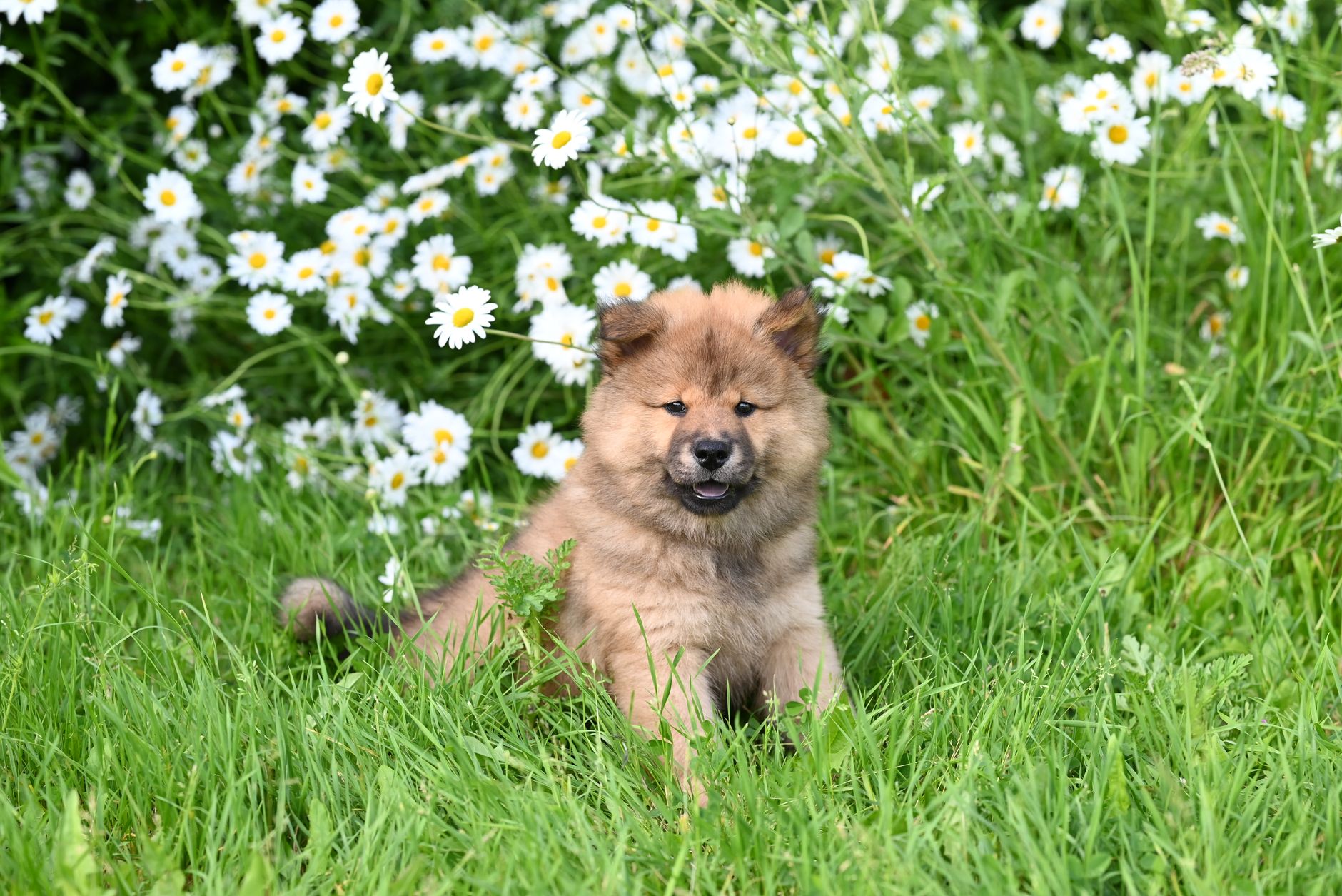
The Chow Chow is an ancient, fiercely loyal, and highly independent breed resembling a majestic lion, best suited for experienced owners who respect their cat-like dignity. In my practice, I find they thrive in quiet, structured environments where their aloof nature is understood, and their intense grooming and socialization needs are met with consistent dedication.
Quick Facts
- origin countryChina
- breed groupNon-Sporting Group (AKC)
- sizeMedium to Large
- weight range45 to 70 pounds
- height range17 to 20 inches at the shoulder
- lifespan8 to 12 years
- coat typeDense double coat (rough or smooth variety)
- common colorsRed, black, blue, cinnamon, and cream
- other namesSongshi Quan (Puffy-lion dog)
- recognized byAKC, UKC, FCI, KC
Caring for a Chow Chow
Living with a Chow Chow is more like sharing your home with an independent feline than a needy golden retriever. In my clinic, I emphasize that these dogs do not beg for attention; they demand respect, structure, and early, rigorous socialization to prevent their natural guarding instincts from turning into aggression. Daily life requires managing their intense heat sensitivity and dedicating several hours a week to coat maintenance to prevent painful matting. They are quiet housemates who rarely bark without cause, making them excellent apartment dwellers if their physical and grooming needs are met.
Is a Chow Chow a good family pet?
They can be fiercely loyal to their immediate family, but they are generally not recommended for homes with young, rambunctious children. In my practice, I advise families that Chows do not tolerate rough handling, tail-pulling, or sudden loud noises, and they prefer a calm, highly predictable environment.
Do Chow Chows shed a lot?
Yes, they are heavy, year-round shedders, particularly during the seasonal ‘blow’ of their undercoat twice a year. In my practice, I see many painful skin infections caused by dead undercoat trapping moisture, so daily line-brushing is non-negotiable.
Is a Chow Chow good for first-time owners?
Absolutely not; I strongly discourage first-time dog owners from choosing a Chow Chow. Their headstrong, independent nature and instinctual suspicion of strangers require a highly experienced handler who understands canine body language and positive reinforcement training.
Temperament & Personality

The Chow Chow’s temperament is famously aloof, dignified, and discerning. They are deeply bonded to their primary handler but remain suspicious and reserved around strangers. In my years of clinical evaluation, I’ve observed that they do not seek out affection from outsiders, and forcing interaction can lead to defensive behaviors. They are calm, clean dogs that carry themselves with an air of quiet royalty.
Is a Chow Chow good with other pets?
Generally, they have a high prey drive and a strong territorial instinct, making them risky around cats or small dogs unless raised together from puppyhood. In my clinical experience, same-sex dog aggression is also relatively common in this breed, so they are often happiest as only pets.
How much attention does a Chow Chow need?
Unlike velcro breeds, Chows are highly independent and content to spend hours lounging in another room. However, they still require consistent mental engagement, daily physical exercise, and regular bonding time to prevent them from becoming overly detached or territorial.
Training & Behavior
Training a Chow Chow is an exercise in mutual respect and patience, as they will quickly ignore commands if they do not see the point or feel disrespected. I always tell owners that traditional repetitive obedience drills will fail with this breed; you must use high-value rewards and make the training feel like their idea. Early socialization between 8 and 16 weeks of age is critical to prevent their natural guarding behaviors from escalating into dangerous reactivity.
Training Tips
- Use positive reinforcement with ultra-high-value treats like freeze-dried liver.
- Establish firm, consistent boundaries without ever using physical punishment.
- Begin intensive socialization with diverse people and environments in puppyhood.
- Keep training sessions short, varied, and mentally stimulating to prevent boredom.
- Teach a bulletproof ‘drop it’ and ‘leave it’ command to manage resource guarding.
Fun Activities
- Structured daily walks during the cool early morning hours.
- Mental enrichment games and nose work around the house.
- Basic agility or scent work adjusted for their low-impact physical limits.
- Supervised exploration of new, quiet outdoor trails.
Is a Chow Chow easy to train?
No, they are widely considered one of the most challenging breeds to train due to their independent, cat-like nature. They do not live to please their owners, so you must establish a relationship built on trust, consistency, and clear communication rather than dominance.
Chow Chow Health Issues

While structurally robust, the Chow Chow is genetically predisposed to several significant hereditary conditions, particularly involving the eyes, joints, and skin. In my years treating this breed, proactive screening and maintaining a lean body weight are the single most effective ways to prolong their lifespan and preserve their quality of life.
Entropion
A genetic condition where the eyelids roll inward, causing the eyelashes to rub against the cornea. In my practice, I frequently perform surgical correction (tacking or blepharoplasty) to prevent painful corneal ulcers and permanent blindness.
Hip and Elbow Dysplasia
The Chow’s straight rear legs give them a stilted gait, making them highly susceptible to hip and elbow dysplasia. Joint laxity leads to painful osteoarthritis, which I often manage using joint supplements, pain medications, or surgical intervention in severe cases.
Gastric Dilatation-Volvulus (GDV or Bloat)
A life-threatening emergency where the stomach fills with gas and twists on its axis, cutting off blood supply. This requires immediate emergency surgery, and I often recommend a preventive gastropexy (stomach tacking) during their spay or neuter.
Pemphigus Foliaceus
An autoimmune skin disease that Chows are genetically predisposed to, causing the immune system to attack the outer layers of the skin. This requires lifelong immunosuppressive therapy and diligent dermatological monitoring.
Heat Stroke / Heat Intolerance
Due to their exceptionally thick double coat and slightly stenotic nares (narrow nostrils), Chows are highly prone to hyperthermia. I treat multiple cases of heat exhaustion in this breed every summer; they cannot tolerate high humidity or heat.
How long do Chow Chows typically live?
A healthy Chow Chow generally lives between 8 and 12 years. To maximize their lifespan, owners must prevent obesity, keep up with annual bloodwork to monitor thyroid function, and address joint issues early to maintain mobility.
What to Feed a Chow Chow
Chow Chows have a slower metabolism than many other breeds of similar size and are highly prone to obesity, which severely impacts their already compromised joints. Feeding them a high-quality, measured diet while strictly limiting table scraps is essential to their long-term health.
Best Diet
I recommend a high-quality, large-breed adult kibble with moderate protein (22-26%) and fat levels, incorporating joint-support ingredients like glucosamine and chondroitin. For puppies, a specialized large-breed puppy formula is critical to ensure their bones and joints grow at a controlled, safe rate.
How to Feed
Split their daily food allowance into two equal meals, feeding them morning and evening. Because of their risk of bloat, always avoid feeding them from elevated bowls unless medically advised, and mandate a strict, one-hour rest period after eating before any physical activity.
How Much to Feed
Portion sizes should be calculated based on target body weight and activity level, typically ranging from 2 to 3.5 cups of kibble daily. I always urge owners to consult their veterinarian for a precise caloric calculation, as even a few extra pounds can dramatically exacerbate hip dysplasia.
Nutritional Tips
Adding omega-3 fatty acids (like high-quality wild-caught fish oil) to their diet is highly beneficial for maintaining their massive double coat and reducing systemic inflammation in their joints. Avoid grain-free diets unless specifically diagnosed with a grain allergy, as these have been linked to dilated cardiomyopathy.
Chow Chow Grooming Guide
Grooming a Chow Chow is a monumental commitment that cannot be ignored without risking severe skin infections and painful matting. I frequently have to shave neglected Chows in my clinic, which ruins their double coat and leaves their sensitive skin vulnerable to sunburn and hot spots.
Coat Care
They require thorough brushing at least three times a week, and daily brushing during their biannual shedding seasons. You must use a high-quality slicker brush and an undercoat rake, brushing all the way down to the skin (‘line brushing’) to prevent dense mats from forming near the dermis.
Skin Care
Always ensure they are dried completely to the skin with a high-velocity dog dryer after bathing or swimming. Any trapped moisture in their dense undercoat creates a perfect breeding ground for yeast and bacteria, leading to painful acute moist dermatitis (‘hot spots’).
Eye Care
Wipe their eyes daily with a damp cloth or veterinarian-approved ophthalmic wipe to prevent staining and monitor for early signs of entropion or conjunctivitis. If you notice persistent tearing or squinting, schedule an exam immediately.
Ear Care
Inspect and clean their ears bi-weekly using a veterinarian-recommended, drying ear cleaner. Their heavy, forward-tilted ears restrict airflow, making them prone to chronic otitis externa (ear infections).
Nail & Dental Care
Trim their nails every 3 to 4 weeks using a heavy-duty clipper or grinder to prevent joint strain, and brush their teeth at least three times a week with dog-safe enzymatic toothpaste to stave off periodontal disease.
Considerations for Pet Parents
Pros
- Fiercely loyal and protective of their family.
- Very quiet housemates who rarely bark without good reason.
- Naturally clean and exceptionally easy to housebreak.
- Do not require hours of high-intensity physical exercise.
- Imposing and effective natural home deterrent/watchdog.
Cons
- Extremely high grooming requirements and heavy shedding.
- Prone to severe stranger suspicion and potential aggression if poorly socialized.
- High susceptibility to expensive genetic health issues like entropion and joint dysplasia.
- Highly independent and notoriously difficult to train for obedience.
Best For
An experienced, calm, and structured owner who lives in a moderate-to-cool climate without young children or frequent visitors, and has the financial means to support professional grooming and veterinary care.
Not Recommended For
First-time dog owners, active households with frequent guests, families with young children or small pets, or individuals who cannot dedicate several hours a week to rigorous grooming.
Cost
- purchase price$1,500 to $4,000 from a reputable, health-testing breeder
- monthly cost$150 to $300 (covers high-quality food, joint supplements, and routine grooming supplies/services)
- initial setupExpect to spend $1,000 to $2,500 initially on high-quality grooming tools, crates, heavy-duty leashes, professional training, and diagnostic veterinary testing such as early ophthalmic checks.
Similar Breeds
Akita
Shiba Inu
Chow Chow FAQs
Why do Chow Chows have blue-black tongues?
This is a signature genetic trait of the breed, shared with the Chinese Shar-Pei. The pigmentation is caused by an abundance of pigment-producing cells (melanocytes) in the mucous membranes, a trait that typically develops when the puppy is about 8 to 10 weeks old.
Are Chow Chows aggressive?
They are not inherently aggressive, but they are naturally highly territorial and suspicious of strangers. Without rigorous early socialization and experienced handling, their natural instinct to guard their family can manifest as protective aggression, which is why clinical-grade socialization is vital.
How do Chow Chows handle hot weather?
Very poorly. Their thick double coats and compact muzzles make them highly vulnerable to heatstroke. In my clinic, I advise keeping them in air-conditioned environments during warm months and restricting walks to early mornings and late evenings.
Do Chow Chows need professional grooming?
While you can groom them at home if you are highly dedicated, most owners find they need professional assistance every 6 to 8 weeks. Professional groomers have the high-velocity dryers necessary to dry the dense undercoat completely, which prevents hot spots.
Are Chow Chows easy to housebreak?
Yes, they are famously easy to housebreak, often acting more like cats than dogs in their cleanliness. Puppies often take to outdoor potty training almost instantly because they naturally dislike soiling their immediate living areas.
How much exercise does a Chow Chow need?
They are low-to-moderate energy dogs that are content with two 20-to-30 minute walks per day. Because of their heavy coats and joint predispositions, they prefer structured, slow-paced walks over high-intensity running or fetching.
Why does my Chow Chow have a stiff, stilted gait?
This is an official breed characteristic. Unlike most dogs, Chows have almost entirely straight rear legs with very little angulation in their hocks. While normal for the breed, it does put extra stress on their hips and knees, which is why I closely monitor them for joint issues.
Can Chow Chows live in apartments?
Yes, they make surprisingly excellent apartment dogs because they are quiet, clean, and do not require a large yard. However, you must still commit to regular walks and ensure the apartment is well air-conditioned during the summer.
Do Chow Chows bark a lot?
No, they are typically very quiet dogs. They rarely bark unless they feel their territory is being threatened or they are alerting you to a stranger at the door, making them excellent, non-nuisance watchdogs.
Are Chow Chows hypoallergenic?
No, they are not hypoallergenic. They shed a massive amount of dander and thick hair, which can easily trigger allergies in sensitive individuals.
At what age is a Chow Chow fully grown?
They generally reach their full height by 12 months, but they will continue to ‘fill out’ and develop their muscular frame and dense coat until they are about 18 to 24 months old.
Should I shave my Chow Chow in the summer to keep them cool?
Absolutely not. Shaving a double-coated breed ruins their coat’s natural insulating properties, exposing their skin to sun damage, increasing their risk of heatstroke, and often leading to post-clipping alopecia where the coat fails to grow back properly.
Do Chow Chows get along with cats?
They can live peacefully with cats if they are introduced and socialized with them from a very young age. However, their high prey drive means they should never be left unsupervised with unfamiliar cats or small pocket pets.
How can I tell if my Chow Chow has entropion?
Look for chronic tearing, wet fur around the eyes, squinting, or a cloudy appearance to the eye. If you see your Chow constantly rubbing their face against furniture, it is highly likely their eyelashes are scratching their corneas, which requires an immediate veterinary exam.