
Lambkin Breed Guide
Quick Summary
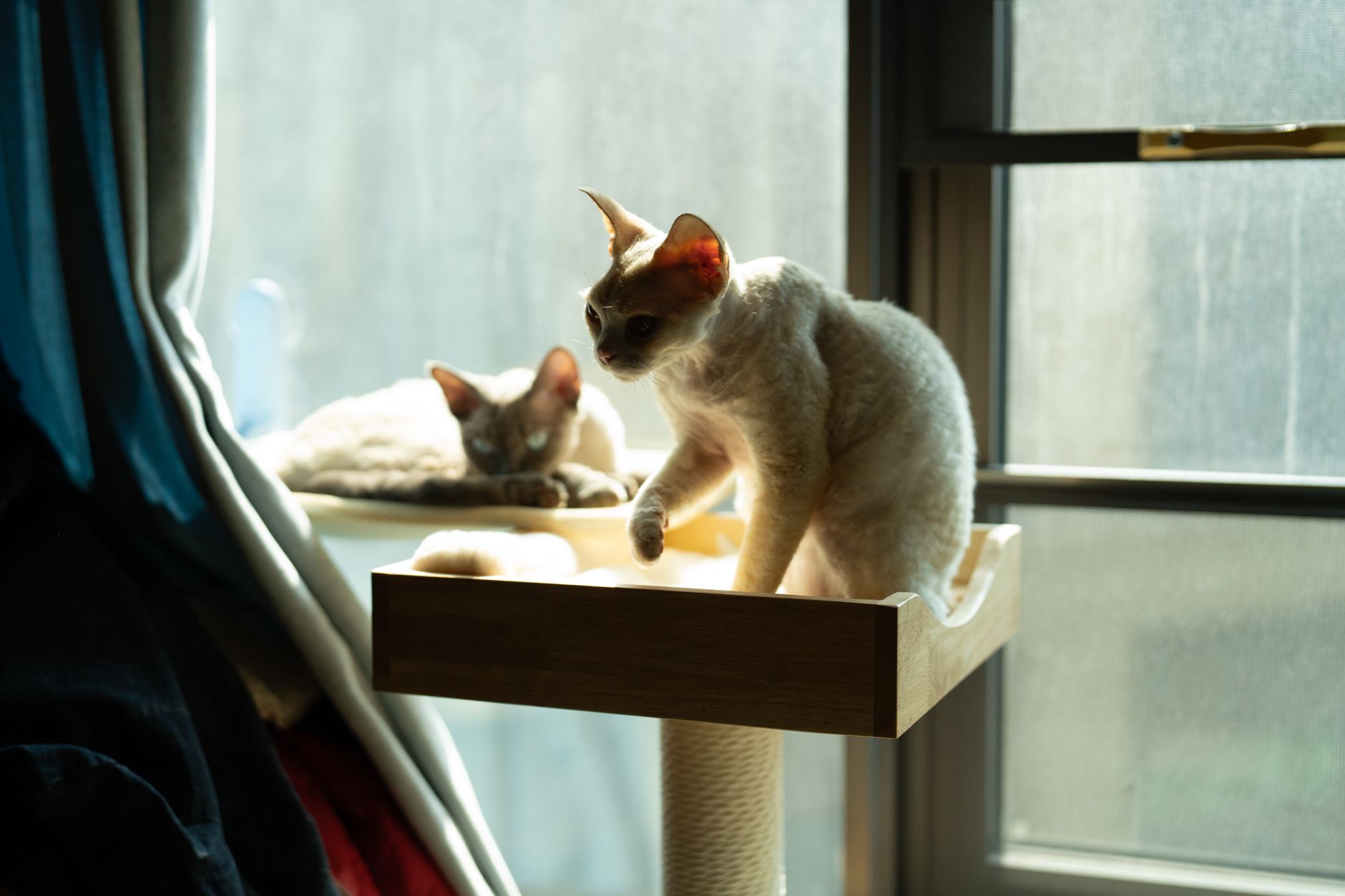
The Lambkin is an incredibly rare, dwarf breed created by crossing the short-legged Munchkin with the curly-coated Selkirk Rex, resulting in a cat with an endearing ‘lamb-like’ fleece and a low-slung stature. Exceptionally affectionate and surprisingly agile, they are ideal for households seeking a gentle, highly social companion who thrives on indoor interaction. Because of their unique skeletal structure and specialized coat, they require committed owners who can manage potential orthopedic and dermatological needs.
Quick Facts
- origin countryUnited States
- breed groupDwarf / Rex (Experimental)
- sizeSmall
- weight range5 to 9 pounds (2.3 – 4.1 kg)
- height range7 to 9 inches (18 – 23 cm)
- lifespan12 to 15 years
- coat typeCurly, dense, wool-like rex coat
- common colorsAll colors and patterns, including pointed, solid, tabby, and bi-color
- other namesNanus Rex
- recognized byTICA (Registration Only as Experimental), TDCA
Caring for a Lambkin
Living with a Lambkin means embracing a cat that combines the curiosity of a kitten with the physical structure of a dwarf breed. In my years treating this breed, I emphasize to owners that their low stature does not stop them from trying to jump, which requires environmental modifications like pet steps to protect their joints. Their unique curly coat traps oils differently than straight coats, necessitating a consistent grooming routine to prevent greasiness and skin infections. Because they are highly social, they should not be left alone for long stretches; they thrive on being the center of domestic life.
Is a Lambkin a good family pet?
Yes, they make outstanding family pets due to their incredibly tolerant and affectionate nature. They get along wonderfully with gentle children, though it is crucial to supervise young kids to ensure they do not try to pick up or drop the cat, which could injure their sensitive spines.
Do Lambkins shed a lot?
They are moderate shedders, but their curly hair tends to trap loose fur within the coat rather than dropping it on your furniture. This trapped hair can cause matting if not brushed out weekly, so while you won’t find as much hair on your couch, you must be active in grooming them.
Is a Lambkin good for first-time owners?
While they have a lovely, easygoing temperament, I usually advise first-time owners to think carefully due to their unique orthopedic and coat care needs. If a novice owner is willing to learn about dwarf cat joint health and commit to regular grooming, they can be highly rewarding companions.
Temperament & Personality
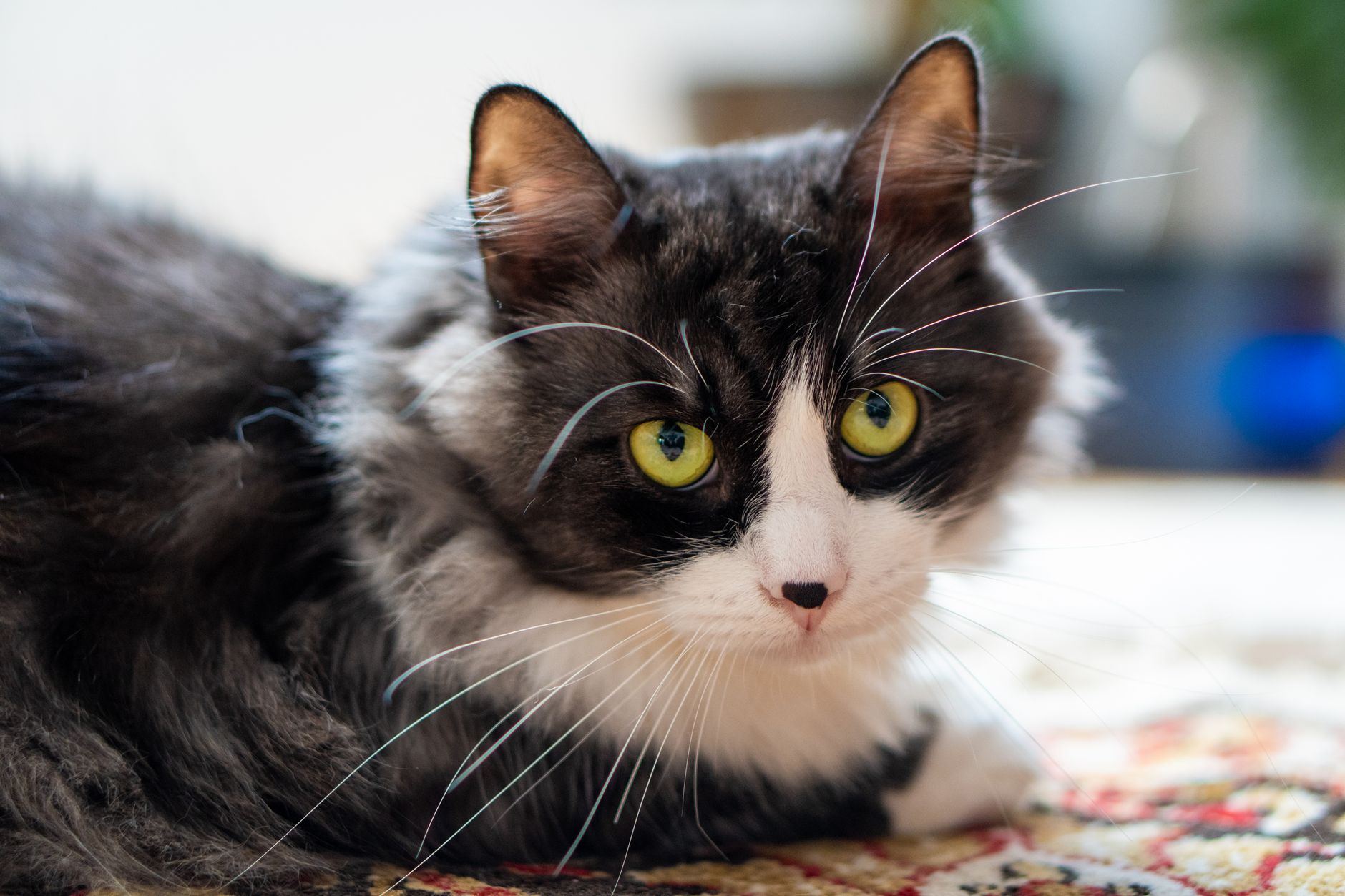
The Lambkin temperament is a delightful blend of the Selkirk’s calm, laid-back disposition and the Munchkin’s playful, outgoing energy. In my practice, I find these cats to be exceptionally sweet-natured and highly people-oriented, often following their owners from room to room. They possess a childlike curiosity and maintain a kitten-like playfulness well into their senior years. Despite their short legs, they have a surprisingly bold spirit and do not easily startle.
Is a Lambkin good with other pets?
Absolutely. In my experience, Lambkins integrate seamlessly with other cats and cat-friendly dogs due to their non-aggressive and social nature. Their low-key attitude makes them excellent companions for multi-pet households.
How much attention does a Lambkin need?
They require a significant amount of human interaction and do not do well in households where they are left isolated for most of the day. They crave physical closeness, often demanding lap time or sleeping curled up next to you.
Training & Behavior
Lambkins are highly intelligent and surprisingly trainable, often using their clever minds to figure out how to navigate their environment despite their short stature. I recommend positive reinforcement to teach them boundaries and safety, especially regarding high surfaces. They respond beautifully to praise and low-calorie treats, making clicker training a highly effective tool for them.
Training Tips
- Use positive reinforcement with high-value, healthy treats.
- Introduce clicker training early to stimulate their active minds.
- Train them to use pet stairs to prevent dangerous high jumps.
- Keep training sessions short, around 5 minutes, to match their attention span.
- Avoid physical punishment, as this breed is emotionally sensitive and will shut down.
Fun Activities
- Puzzles and interactive treat-dispensing toys
- Gentle feather wand chasing at ground level
- Learning basic tricks like ‘sit’ and ‘high-five’
- Supervised outdoor time in a secure cat stroller
- Target stick training games
Is a Lambkin easy to train?
Yes, they are quite cooperative and eager to please, making them easier to train than many other feline breeds. Consistent, reward-based methods will have them learning household rules and fun tricks very quickly.
Lambkin Health Issues
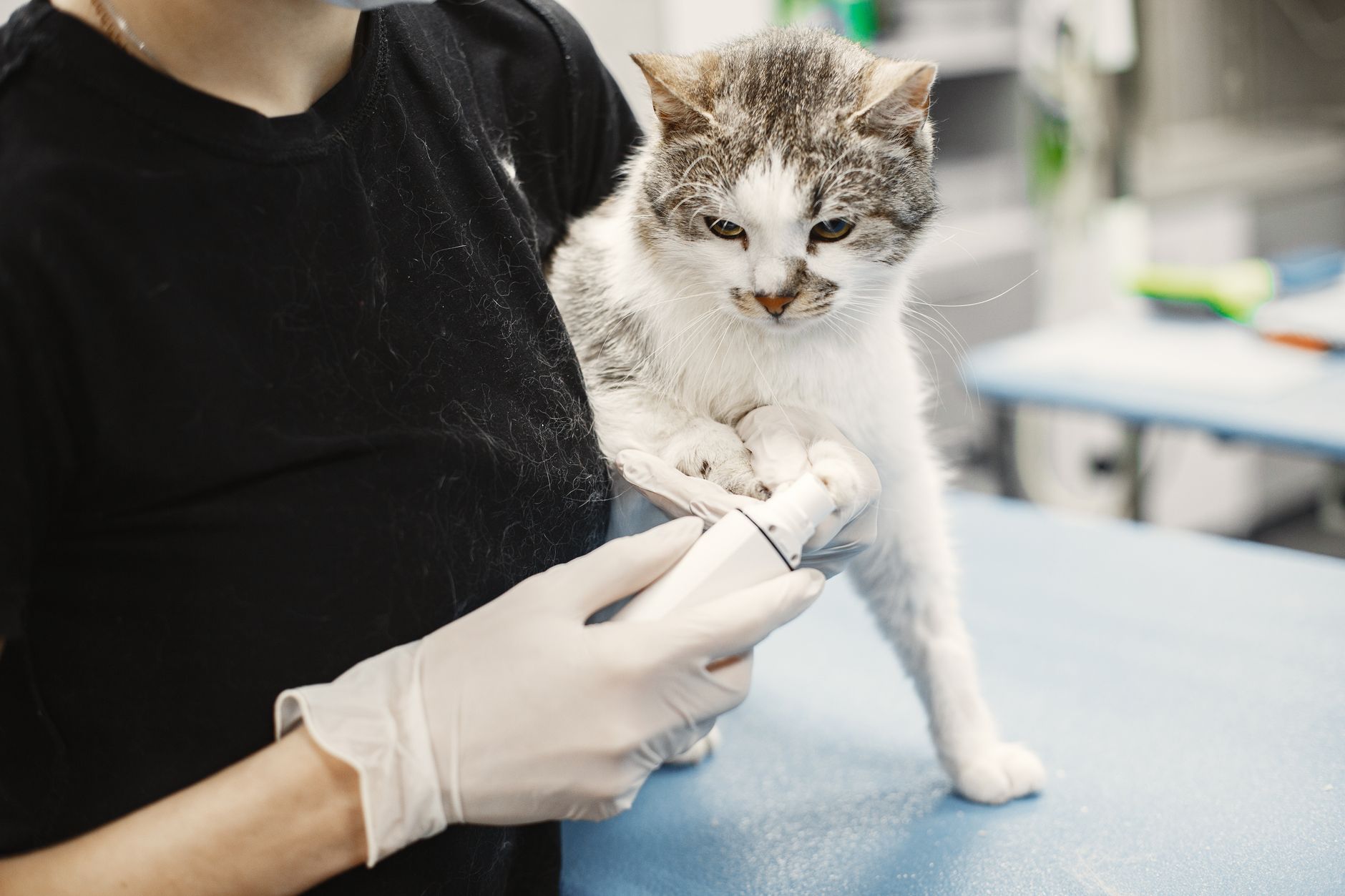
As a vet, I must emphasize that the Lambkin is a structurally modified breed, which introduces specific health vulnerabilities. While they can live long, happy lives, they require vigilant screening for spinal, chest, and joint issues related to their dwarfism.
Lordosis
An orthopedic condition characterized by an inward curvature of the spine, which can put pressure on internal organs. It is a known genetic risk in dwarf cat breeds.
Pectus Excavatum
A congenital deformity of the chest wall that causes the breastbone to sink into the chest, potentially crowding the heart and lungs.
Osteoarthritis
Due to their shortened limbs (chondrodysplasia), their joints endure abnormal mechanical stress, leading to early-onset degenerative joint disease.
Polycystic Kidney Disease (PKD1)
An inherited condition from their Selkirk Rex lineage where fluid-filled cysts form in the kidneys, eventually leading to renal failure.
Hypertrophic Cardiomyopathy (HCM)
The most common heart disease in cats, causing the muscular walls of the heart to thicken, which can lead to heart failure.
Feline Seborrhea
The unique curly hair follicles of the Selkirk Rex heritage can cause abnormal sebum (oil) production, leading to greasy, irritated skin.
How long do Lambkins typically live?
With proper care, regular veterinary screenings, and an indoor lifestyle, Lambkins typically have a lifespan of 12 to 15 years. Maintaining a lean body weight is absolutely critical to maximizing their lifespan and protecting their joints.
What to Feed a Lambkin
Feeding a dwarf breed like the Lambkin requires strict calorie control because any extra weight places immense, damaging stress on their shortened legs and spine. I always counsel owners that a slim Lambkin is a healthy, pain-free Lambkin.
Best Diet
I recommend a high-quality, moisture-rich wet diet that is high in protein and low in carbohydrates. This helps maintain lean muscle mass and supports kidney function, which is crucial given their genetic risk for renal issues.
How to Feed
Feed them on a strict schedule of 2 to 3 small, measured meals per day rather than free-feeding. Use interactive slow feeders or puzzle toys to slow down their eating and provide mental stimulation.
How Much to Feed
Portions should be calculated based on their target weight, typically ranging from 150 to 220 calories per day depending on activity. Always consult your veterinarian to establish a precise feeding plan tailored to your cat’s body condition score.
Nutritional Tips
Incorporate joint supplements containing glucosamine, chondroitin, and omega-3 fatty acids early in life to support joint cartilage. Ensure they always have access to fresh, filtered water to support kidney health.
Lambkin Grooming Guide
The Lambkin’s coat is a unique structure that requires consistent, gentle care to maintain its characteristic curls without causing skin irritation. Unlike straight-haired cats, their curls trap skin oils and dead hair, making a structured grooming routine essential.
Coat Care
Groom them 2 to 3 times a week using a wide-toothed comb rather than a slicker brush, which can frizz and damage their delicate curls. Avoid over-brushing, which can strip the natural wave, but ensure you reach down to the skin to prevent matting.
Skin Care
They may require occasional baths (every 6 to 12 weeks) using a mild, vet-approved cat shampoo to manage oil buildup and prevent yeast infections in their skin folds. Always dry them gently with a towel; high heat can damage their curls and dry out their skin.
Eye Care
They do not have the extreme facial structure of Persians, so eye discharge is rarely a major concern; simply wipe away any occasional sleep crust with a damp cotton round.
Ear Care
Their curly coats can extend into the ear canal, trapping wax and debris; check their ears weekly and clean them with a vet-recommended ear cleaner if you notice wax buildup.
Nail & Dental Care
Trim their nails every 2 to 3 weeks, and brush their teeth daily with feline toothpaste to prevent periodontal disease, which can impact their overall systemic health.
Considerations for Pet Parents
Pros
- Extremely affectionate and loving companion
- Charming, unique curly ‘lamb-like’ coat
- Highly adaptable to apartment living
- Gets along exceptionally well with other pets
- Maintains a playful, kitten-like energy into adulthood
- Quiet and rarely vocalizes excessively
Cons
- Prone to hereditary joint and spinal issues
- Requires consistent, specialized grooming
- Rare breed that can be very difficult to find
- High susceptibility to obesity-related joint damage
Best For
Indoor-only households, retired individuals, or families with older, respectful children who can provide plenty of companionship and commit to regular joint and coat maintenance.
Not Recommended For
Outdoors-only or busy households where the cat will be left alone for long periods, or homes with very young, boisterous children who might accidentally injure the cat’s fragile skeletal structure.
Cost
- purchase price$1,500 to $3,000
- monthly cost$100 to $180
- initial setupExpect to spend $500 to $800 initially on specialized low-height litter boxes, scratching posts, ramps, initial veterinary exams, and high-quality grooming tools.
Similar Breeds

Lambkin FAQs
Are Lambkin cats hypoallergenic?
No, Lambkin cats are not hypoallergenic. Despite their curly rex coats, they still produce the Fel d 1 protein in their saliva, skin dander, and urine, which is the primary cause of cat allergies.
Why is the Lambkin considered an experimental breed?
The breed is relatively new and rare, having been established in the early 1990s. Major registries like TICA maintain them under ‘experimental’ or registration-only status to carefully monitor genetic health, diversity, and breeding practices over multiple generations.
Can Lambkin cats jump?
Yes, but their jumping ability is significantly limited compared to normal-legged cats. They can hop onto low couches and chairs, but high counters are usually out of reach; I strongly recommend providing ramps or pet steps to prevent them from injuring their joints when trying to jump down.
Do Lambkin cats have spinal problems?
Because they carry the gene for chondrodysplasia (dwarfism) from their Munchkin heritage, they are at risk for spinal conditions like lordosis (curvature of the spine). Regular veterinary checkups are crucial to monitor their spinal alignment as they grow.
How do you groom a Lambkin’s curly coat?
You should use a wide-toothed comb to gently detangle their curls 2 to 3 times a week, avoiding fine-toothed slicker brushes that can ruin the curls. If their coat gets excessively greasy due to trapped oils, a bath with a gentle, vet-approved feline shampoo every few months is recommended.
Are Lambkin cats lazy?
Not at all. Despite their short legs and stocky build, they are highly active, fast, and playful. They love running around, chasing toys, and exploring their environment at ground level.
Do Lambkin kittens start out curly?
Yes, they are born with curly coats, but they often lose their curls during the kitten ‘molt’ stage around 16 weeks of age. The coat can look straight or sparse before the adult, curly, wool-like coat fully develops, which can take up to two years.
Are there long-haired Lambkin cats?
Yes, Lambkins can have either short or long coats. Long-haired Lambkins have very dense, curly fur with prominent ruffs around their necks and curly ear tufts, requiring slightly more frequent grooming to prevent mats.
Is the Lambkin cat breed recognized by the CFA?
No, the Cat Fanciers’ Association (CFA) does not currently recognize the Lambkin breed. They are recognized primarily by TICA for registration purposes as an experimental breed, and by smaller, specialized dwarf cat registries.
Can Lambkins be left alone during the workday?
They can handle brief periods of solitude, but they are highly social and crave human companionship. If you work long hours, it is best to provide them with a feline companion or interactive toys to prevent separation anxiety and depression.
Do Lambkins have health issues because of their short legs?
Yes, their short legs are caused by a genetic mutation called chondrodysplasia. This abnormal bone growth can lead to early-onset arthritis, joint pain, and increased susceptibility to spinal stress compared to cats with normal leg lengths.
What is the difference between a Lambkin and a Minskin?
While both are dwarf breeds, the Lambkin is a cross between a Munchkin and a Selkirk Rex, resulting in a dense, curly coat. The Minskin is a cross involving the Munchkin, Sphynx, Devon Rex, and Burmese, resulting in a nearly hairless body with fur ‘points’.
Should I keep my Lambkin as an indoor-only cat?
Absolutely. I strongly advise keeping Lambkins strictly indoors. Their short legs make them less agile when escaping predators, and their rare, expensive nature makes them targets for theft, in addition to standard outdoor risks like cars and infectious diseases.