
Cheetoh Breed Guide
Quick Summary
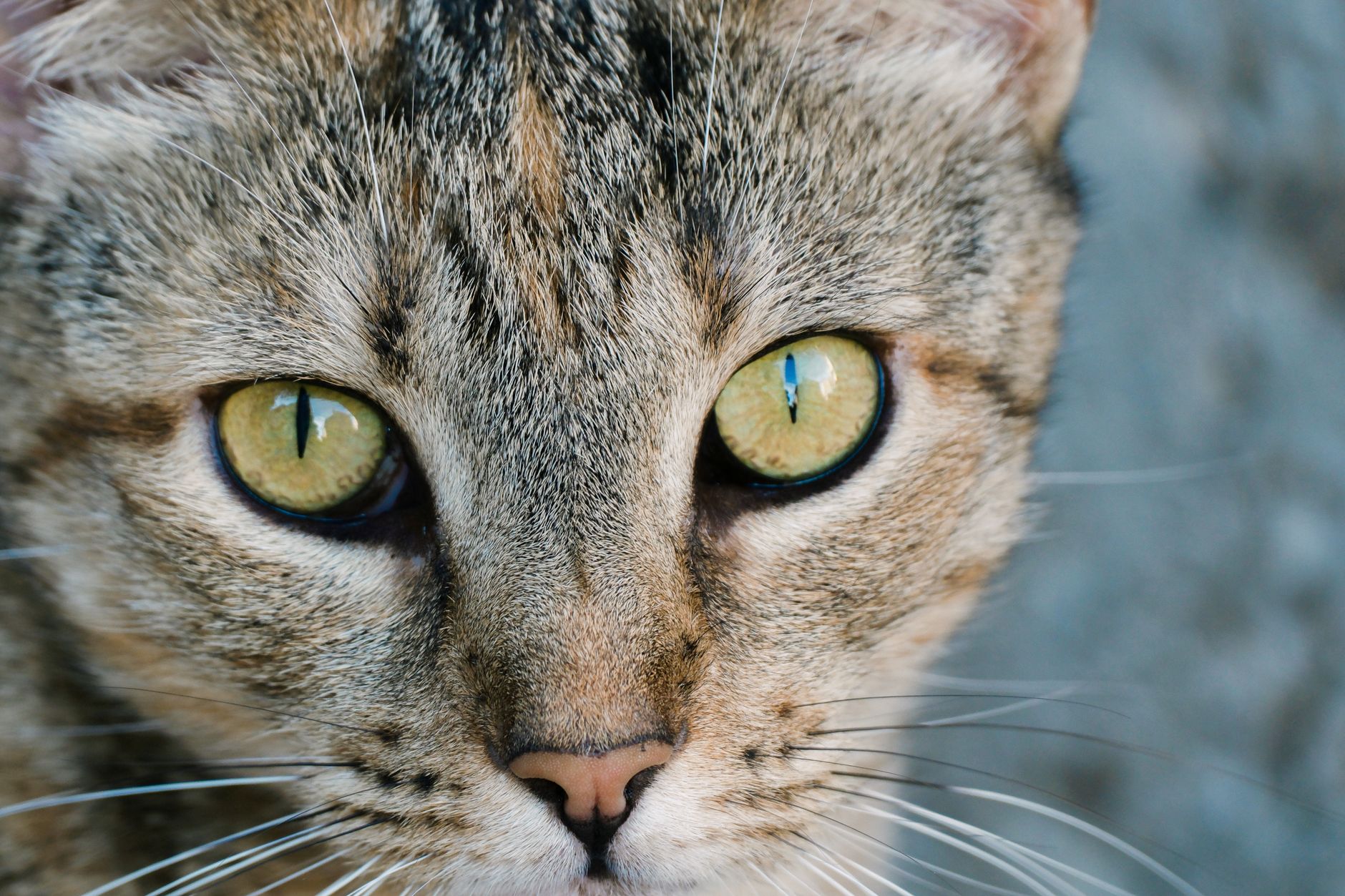
As a veterinarian who has handled these magnificent cats, I describe the Cheetoh as a gentle giant wrapped in a wild jungle coat. Combining the athletic grace of the Bengal with the sweet disposition of the Ocicat, they are incredibly social, dog-like companions best suited for active households that can provide daily mental and physical enrichment.
Quick Facts
- origin countryUnited States
- breed groupHybrid/Designer Cat Breed
- sizeLarge, muscular, and long-legged
- weight range15 to 23 lbs (males), 10 to 15 lbs (females)
- height range12 to 18 inches
- lifespan10 to 15 years
- coat typeShort, exceptionally soft, velvety, and dense
- common colorsTawny Spotted, Gold Spotted, Silver Spotted, Cinnamon Spotted, Brown Marbled
- other namesNone
- recognized byTICA (Experimental), UFO (United Feline Organization)
Caring for a Cheetoh
Living with a Cheetoh is more like sharing your home with an athletic, inquisitive toddler than an independent cat. In my practice, I find they thrive on structured routine mixed with high-intensity play sessions to burn off their immense physical energy. They require plenty of vertical space, such as sturdy 6-foot cat trees, and will actively seek out your company throughout the day. If left alone without environmental enrichment, their high intelligence can translate into destructive behavior like opening cupboards or shredding paperwork.
Is a Cheetoh a good family pet?
Yes, they are exceptional family pets. In my clinical experience, they lack the aloofness of typical cats and form deep, playful bonds with children, often initiating games of chase.
Do Cheetohs shed a lot?
No, they shed very minimally. Their short, single-layered, velvety coat requires only a quick weekly brush to manage loose hairs and keep their skin oils balanced.
Is a Cheetoh good for first-time owners?
Generally, no. Their intense energy, large physical size, and demand for constant mental stimulation can easily overwhelm an unprepared novice owner.
Temperament & Personality
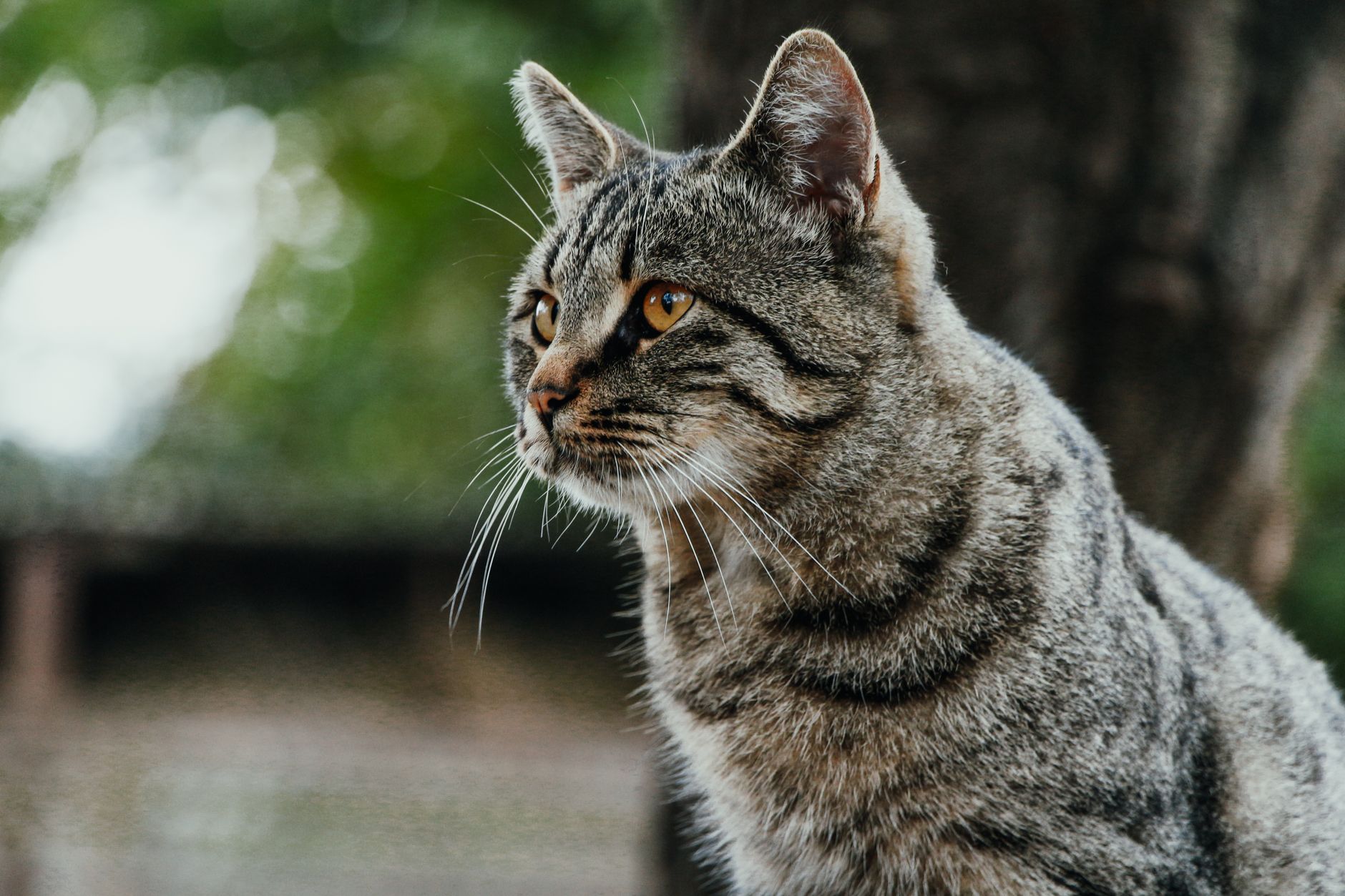
The Cheetoh’s temperament is a fascinating study in genetics: they possess the striking, wild appearance of their Bengal ancestors but have been selectively bred to have an incredibly sweet, reliable, and docility-focused nature. I often witness them greeting clients at my clinic door with friendly chirps rather than hiding in their carriers. They are intensely loyal, highly social, and thrive on being an active participant in all household activities.
Is a Cheetoh good with other pets?
Absolutely, they are highly social animals. They usually integrate seamlessly with friendly dogs and other active cats, often initiating games of chase.
How much attention does a Cheetoh need?
A significant amount. I advise owners that a Cheetoh needs at least 1-2 hours of direct interactive play and engagement daily to prevent boredom.
Training & Behavior
Training a Cheetoh is a highly rewarding clinical recommendation because their cognitive capacity is remarkably advanced. They respond exceptionally well to positive reinforcement and clicker training, easily learning tasks that most people associate only with dogs. However, their high intelligence means they can easily learn how to open doors, turn on faucets, and retrieve items they shouldn’t.
Training Tips
- Use clicker training with high-value treats like freeze-dried chicken
- Introduce leash and harness training starting at 12 to 16 weeks of age
- Establish firm boundaries early to prevent dominant jumping behaviors
- Use puzzle feeders to satisfy their natural hunting drive
Fun Activities
- Leash-walked outdoor explorations
- Fetch with lightweight crinkle balls
- Agility obstacle courses
- Interactive water play in shallow sinks
- Advanced puzzle toy solving
Is a Cheetoh easy to train?
Yes, they are among the easiest cat breeds to train. Their eagerness to please combined with high food motivation makes them excellent candidates for learning complex tricks and commands.
Cheetoh Health Issues

While Cheetohs are generally robust and benefit from hybrid vigor, they are genetically predisposed to several conditions inherited from their Bengal and Ocicat parentage. In my practice, proactive screening is key to catching genetic issues before they impact the cat’s quality of life.
Hypertrophic Cardiomyopathy (HCM)
A genetic condition where the heart muscle becomes abnormally thickened, potentially leading to heart failure or blood clots.
Patellar Luxation
An inherited orthopedic issue where the kneecap slips out of its normal anatomical groove, common in larger, active breeds.
Progressive Retinal Atrophy (PRA)
A degenerative eye disease that targets the photoreceptor cells of the retina, eventually causing complete blindness.
Hip Dysplasia
A malformation of the hip joint that leads to progressive arthritis and mobility impairment, exacerbated by their rapid growth.
Gastrointestinal Sensitivity
Due to their Bengal heritage, they are highly sensitive to GI parasites like Tritrichomonas foetus and sudden dietary shifts, leading to chronic colitis.
How long do Cheetohs typically live?
With excellent veterinary care and a high-quality diet, Cheetohs typically live between 10 and 15 years. Regular cardiac screening can significantly help ensure they reach their full lifespan potential.
What to Feed a Cheetoh
Feeding a large, athletic breed like the Cheetoh requires a careful balance of high protein to maintain muscle mass and portion control to prevent obesity. Because of their active lifestyles, their caloric demands are higher than average, but this tapers off as they age.
Best Diet
I highly recommend a high-protein, moderate-fat diet where the first three ingredients are animal-based proteins. Given their propensity for sensitive stomachs, a grain-free or limited-ingredient wet diet formulated for active breeds is often best.
How to Feed
Establish a strict twice-daily feeding schedule rather than free-feeding. Using puzzle feeders or food-dispensing toys is an excellent way to slow down fast eaters and provide vital mental stimulation.
How Much to Feed
On average, an adult Cheetoh needs 30 to 35 calories per pound of body weight daily, but this must be adjusted based on their body condition score (BCS). Always consult your veterinarian to calculate exact portions as your cat transitions through life stages.
Nutritional Tips
Incorporate omega-3 fatty acid supplements (like wild-caught salmon oil) to support their joint health and keep their velvety coat glistening. Ensure they have constant access to fresh, running water via a cat fountain to support kidney health.
Cheetoh Grooming Guide
Grooming a Cheetoh is incredibly straightforward due to their low-maintenance, single-layer coat. However, establishing a grooming routine early builds a strong bond and allows you to perform vital weekly physical checks.
Coat Care
Brush their short, velvety coat once a week with a rubber curry brush or soft-bristled brush to remove dead hair and distribute skin oils. They rarely need baths unless they get into something sticky.
Skin Care
Monitor their skin for signs of dryness or allergic dermatitis, especially if they show sensitivity to certain proteins in their diet.
Eye Care
Wipe the corners of their eyes with a damp, warm cloth if you notice any minor discharge, using a clean section of the cloth for each eye.
Ear Care
Inspect their ears weekly for wax buildup or redness; clean them gently with a vet-approved ear cleaner and a cotton ball if needed.
Nail & Dental Care
Trim their nails every 2-3 weeks and brush their teeth daily with veterinary enzymatic toothpaste to combat periodontal disease, which is highly prevalent in this breed.
Considerations for Pet Parents
Pros
- Extremely affectionate and loving
- Striking, wild-looking coat
- Highly trainable and intelligent
- Great with children and other pets
- Very low grooming requirements
- Playful, dog-like personality
Cons
- High demand for attention and play
- Can be prone to destructive behavior if bored
- Higher risk of genetic health issues like HCM
- Large size requires sturdier cat furniture
- Can be vocal and demanding
Best For
Active families, multi-pet households, and experienced owners who have the time to devote to high levels of interactive play, mental enrichment, and daily companionship.
Not Recommended For
Individuals who work long hours away from home, those living in highly restricted small apartments with no vertical space, or owners seeking a quiet, low-energy lap cat.
Cost
- purchase price$1,500 to $2,500 USD
- monthly cost$80 to $150 USD
- initial setupExpect to spend $500 to $800 initially on extra-large, heavy-duty cat trees, scratching posts, large litter boxes, veterinary wellness checks, and vaccinations.
Similar Breeds
Cheetoh FAQs
What is a Cheetoh cat?
The Cheetoh is a relatively new and rare designer cat breed developed by crossing a Bengal with an Ocicat. The goal was to create a cat with an incredibly wild, cheetah-like spotted appearance but with a completely docile, gentle, and dog-like temperament.
How big do Cheetoh cats get?
They are a large breed; adult males typically weigh between 15 and 23 pounds, while females range from 10 to 15 pounds. They have a long, muscular, athletic build and stand significantly taller than standard domestic cats.
Are Cheetoh cats hypoallergenic?
No cat is truly hypoallergenic, and the Cheetoh is no exception. However, because they have a single, short coat that sheds very minimally, they produce less dander in the environment, which some mild allergy sufferers find easier to tolerate.
Are Cheetoh cats vocal?
Yes, they are moderately to highly vocal. They inherit this trait from both parent breeds and will frequently ‘chirp’, trill, and meow to communicate their needs, welcome you home, or demand your attention during the day.
Do Cheetoh cats like water?
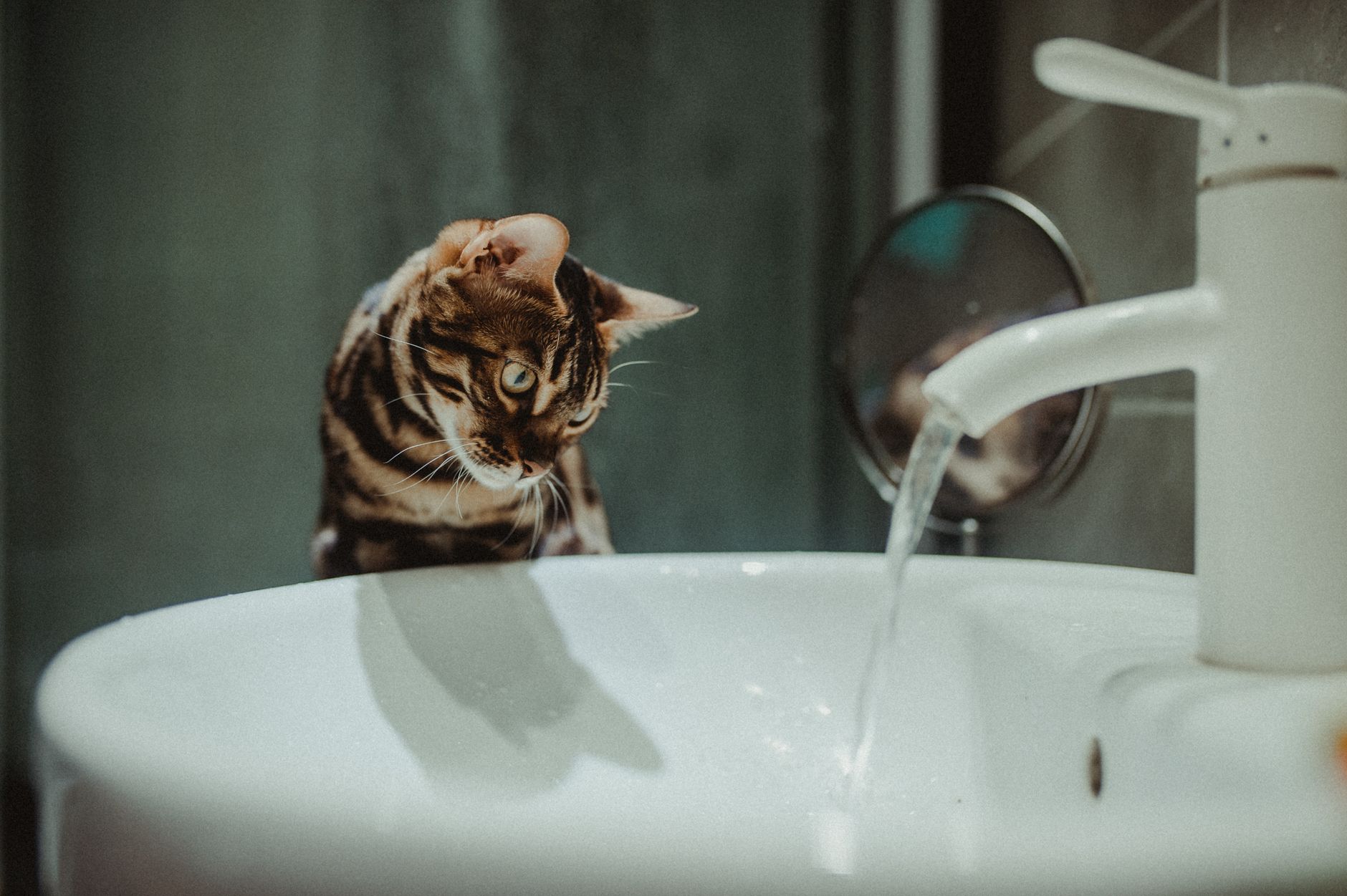
Many Cheetohs inherit a strong fascination with water from their Bengal ancestors. It is not uncommon for them to play in dripping faucets, splash in their water bowls, or even attempt to join you in the shower.
Can a Cheetoh cat live in an apartment?
Yes, they can adapt to apartment living, but only if they are provided with ample vertical space (such as tall cat trees and wall shelves) and receive plenty of daily interactive exercise and mental stimulation to burn off their energy.
Are Cheetoh cats aggressive?
Despite their wild appearance, they are specifically bred to be completely non-aggressive, gentle, and highly affectionate. In my clinical experience, they are incredibly sweet-natured and show no wild behavioral tendencies.
How often should I take my Cheetoh to the vet?
I recommend annual wellness exams for adult Cheetohs under age 7, and bi-annual exams for seniors. Because of their risk for HCM, yearly veterinary checkups with careful heart auscultation are critical.
Do Cheetoh cats need special food?
They do not require a wild raw diet, but they do thrive on a high-quality, high-protein diet that is easy on their sensitive digestive systems. I suggest consulting your vet to select a formula that supports their athletic muscle mass.
Can you walk a Cheetoh cat on a leash?
Yes! Because of their high intelligence and dog-like nature, they are excellent candidates for harness and leash training. Starting them young, around 3 to 4 months of age, yields the best results.
Do they get along with dogs?
Yes, they generally get along wonderfully with dogs. Their bold, confident, and highly social nature means they are rarely intimidated by friendly dogs and often become great playmates.
How do you keep a Cheetoh cat entertained?
Keep them entertained with a rotating variety of puzzle feeders, interactive wand toys, feather teasers, automated laser toys, and ample vertical climbing structures. Interactive play sessions with you are the most effective method.