
Bernese Mountain Dog Breed Guide

Quick Summary
The Bernese Mountain Dog is a majestic, gentle giant known for its striking tricolor coat, calm demeanor, and deep devotion to family. Best suited for households with plenty of space and cooler climates, these affectionate working dogs crave companionship and thrive when integrated fully into daily family life. While their lifespans are tragically short, their sweet-natured loyalty makes every year with them profoundly rewarding.
Quick Facts
- origin countrySwitzerland
- breed groupWorking
- sizeGiant
- weight range70 to 115 pounds
- height range23 to 27.5 inches
- lifespan7 to 10 years
- coat typeThick, long double coat
- common colorsTricolor (Jet black with rich rust and bright white markings)
- other namesBerner, Berner Sennenhund, Bernese Cattle Dog
- recognized byAKC, UKC, FCI, KC
Caring for a Bernese Mountain Dog
Living with a Bernese Mountain Dog is an incredibly rewarding experience, but it requires adjusting to a giant-breed lifestyle. These dogs want to be wherever you are, meaning they don’t do well as outdoor-only pets despite their alpine heritage. You’ll need to manage their heavy shedding, protect their joints during growth, and ensure they stay cool when the temperature rises. I’ve found that setting clear, gentle boundaries early on prevents their massive adult size from becoming overwhelming.
Is a Bernese Mountain Dog a good family pet?
Absolutely, they are legendary family companions known for their patient, ‘gentle giant’ nature around children. I always advise supervising play due to their massive size, but their natural instinct is to protect and cuddle their human pack.
Do Bernese Mountain Dogs shed a lot?
Yes, they are heavy shedders, especially during seasonal transitions in spring and fall. You will need to commit to brushing them several times a week to keep the undercoat from taking over your floors.
Is a Bernese Mountain Dog good for first-time owners?
While sweet-tempered, their giant size and grooming demands can overwhelm beginners. I usually recommend them to owners who have some experience with large breeds or are highly committed to consistent, positive training from puppyhood.
Temperament & Personality
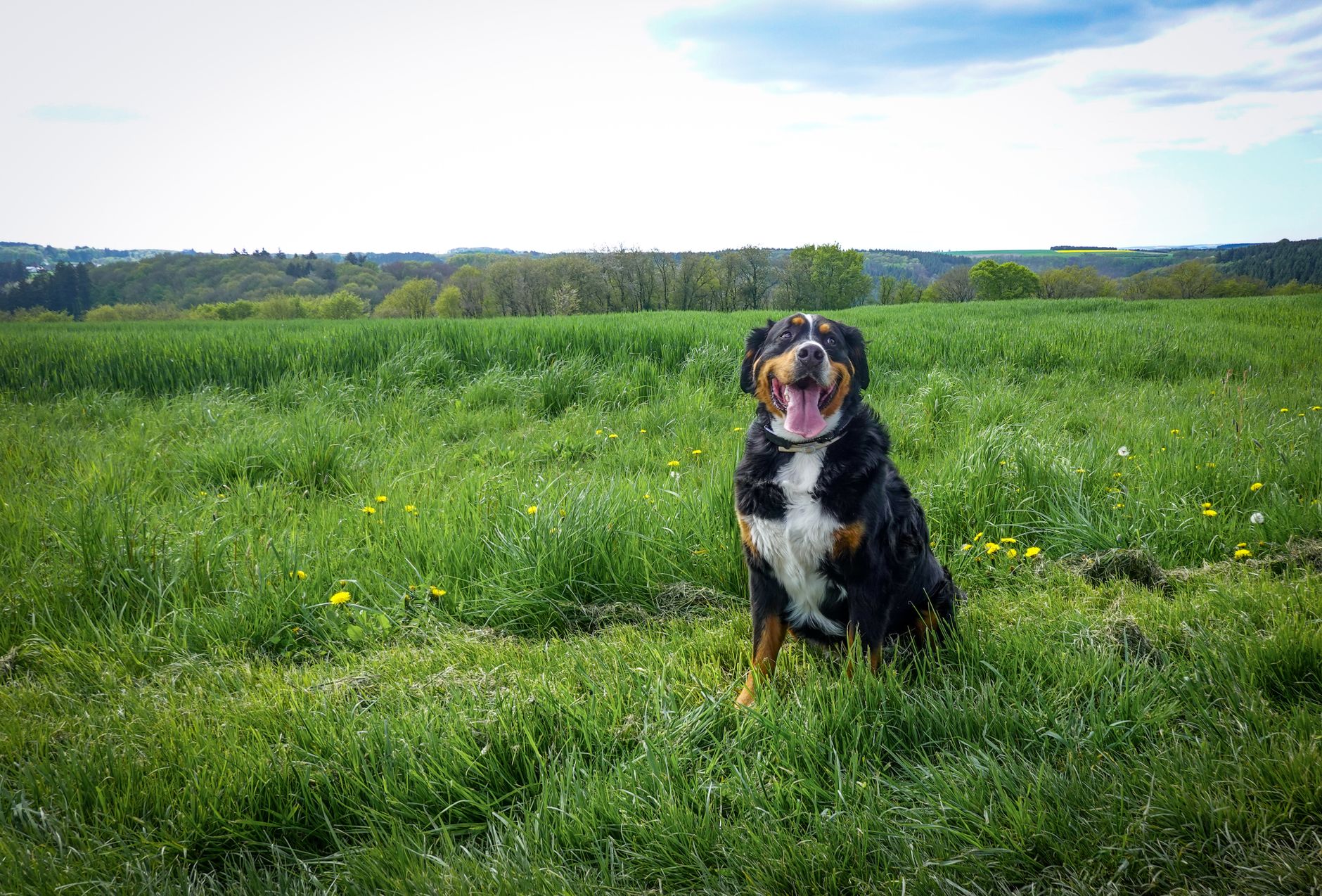
The Berner is the definition of a good-natured soul, blending self-confidence with a sweet, affectionate docility. They are slow to mature, often retaining a goofy, puppy-like outlook on life until they are three or four years old. Though historically guardians, modern Berners are generally welcoming to strangers once they see their owners are comfortable. In my experience, they are highly sensitive to their owner’s emotions and will shut down if treated harshly.
Is a Bernese Mountain Dog good with other pets?
In my experience, they have a remarkably low prey drive and get along beautifully with other household dogs and cats. Early socialization is key, but their natural temperament leans toward peaceful coexistence rather than chase.
How much attention does a Bernese Mountain Dog need?
They are Velcro dogs who need a high level of daily human interaction and do not tolerate isolation. If left alone in a backyard or house for long stretches, they can easily develop severe separation anxiety and destructive habits.
Training & Behavior
Training a Berner is a delight because they genuinely want to please you, but you must approach them with patience and soft hands. Because they are soft-tempered, harsh corrections will break their spirit and make them stubborn. I always emphasize starting leash training immediately, as a 100-pound dog that pulls is a safety hazard. Focus on positive reinforcement and make training sessions short, fun, and highly rewarding.
Training Tips
- Use high-value food rewards and positive praise exclusively
- Keep training sessions under 10 minutes to maintain their focus
- Prioritize loose-leash walking while they are still small and manageable
- Socialize heavily during the first 16 weeks to prevent timidity
- Never use harsh physical discipline or loud shouting with this sensitive breed
Fun Activities
- Drafting and cart pulling
- Scent work and tracking
- Basic agility in cool weather
- Low-impact hiking on dirt trails
- Therapy work in hospitals and schools
Is a Bernese Mountain Dog easy to train?
Yes, they are highly intelligent and eager to please, making basic obedience relatively easy to master. However, because they remain mentally puppyish for years, you must maintain consistent, patient guidance without expecting instant adult focus.
Bernese Mountain Dog Health Issues
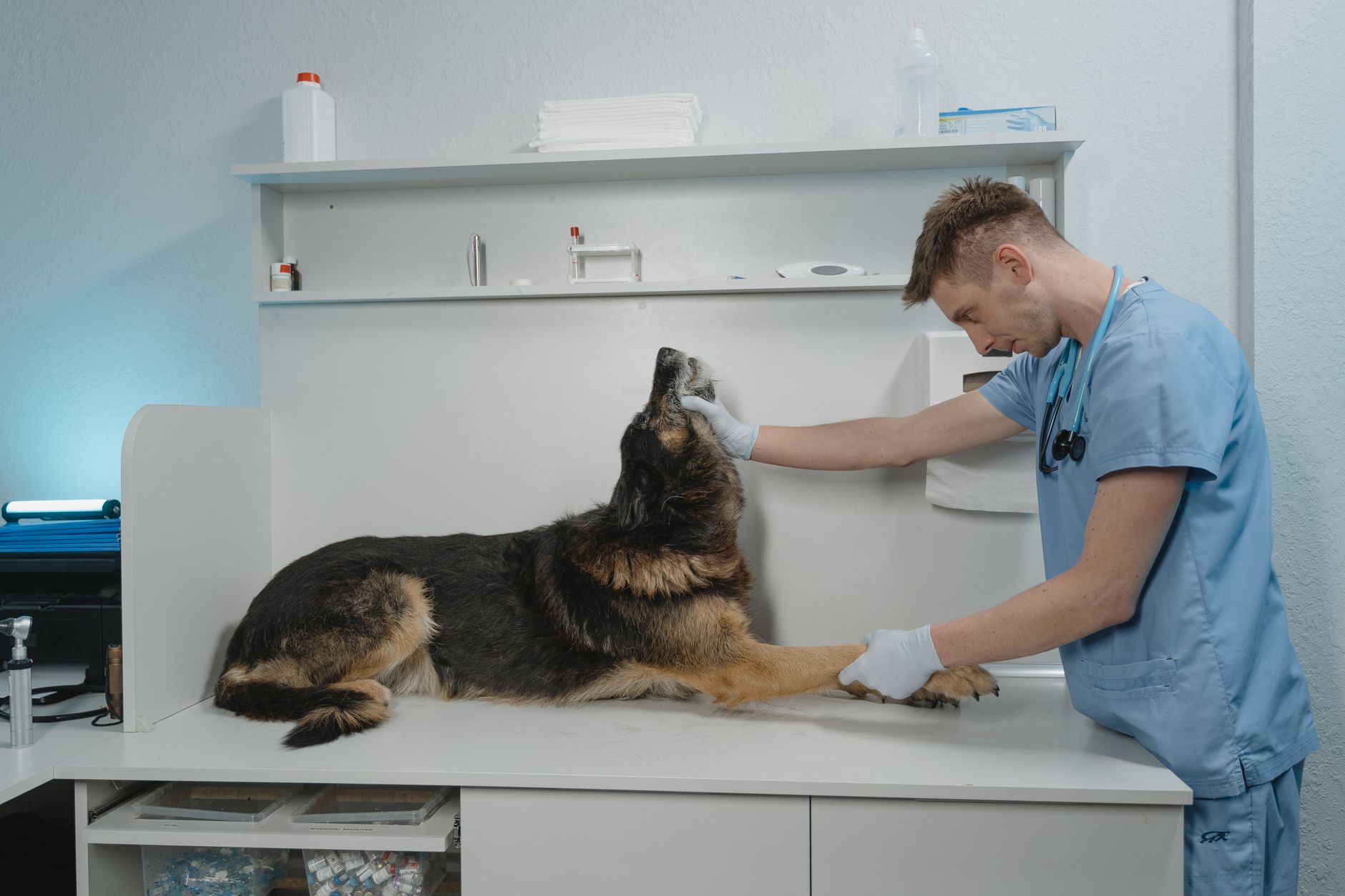
Tragically, the Bernese Mountain Dog has one of the shortest lifespans in the canine world, largely due to a small gene pool and high rates of cancer. To maximize their health, owners must source puppies from breeders who perform rigorous genetic clearances. Working closely with your vet to maintain a lean body weight can also add years to their lives.
Histiocytic Sarcoma
An incredibly aggressive, hereditary cancer that targets internal organs and joint tissue, affecting a disproportionate number of Berners. It is often terminal, and early detection is difficult due to vague initial symptoms.
Hip and Elbow Dysplasia
An inherited skeletal condition where the joint ball and socket do not fit smoothly, causing gradual wear, painful arthritis, and mobility issues. Maintaining a lean weight and avoiding high-impact activities during puppyhood help manage this risk.
Gastric Dilatation-Volvulus (Bloat)
A life-threatening medical emergency where the deep-chested stomach fills with gas and twists on itself, blocking blood flow. Immediate emergency surgery is the only way to save the dog’s life.
Progressive Retinal Atrophy (PRA)
A degenerative eye disease that causes the gradual loss of photoreceptor cells, leading to slowly progressive, painless blindness. Ethical breeders screen their lines to prevent passing this genetic trait down.
Von Willebrand’s Disease (vWD)
An inherited bleeding disorder characterized by a lack of functional clotting proteins, which can lead to life-threatening hemorrhaging during surgery or minor injuries. A simple DNA test can identify this before any surgical procedure.
How long do Bernese Mountain Dogs typically live?
The heartbreaking reality is that their average lifespan is just 7 to 10 years. Keeping them lean, feeding high-quality nutrition, and catching joint or cardiac issues early with regular vet visits can help push them toward the double digits.
What to Feed a Bernese Mountain Dog
Proper nutrition is critical for managing a Berner’s rapid growth rate as a puppy and maintaining joint health as an adult. Overfeeding is one of the most common mistakes I see, and carrying even five extra pounds puts unnecessary, painful strain on their prone joints.
Best Diet
An ideal diet consists of a high-quality, large-breed-specific formula. Large-breed puppy food is essential for their first year to control their growth rate, preventing bone and joint issues from developing too quickly.
How to Feed
I highly recommend dividing their daily food into at least two separate meals to lower the risk of life-threatening bloat. Always use a stable bowl, avoid elevated feeders unless advised by your vet, and mandate a strict rest period of one hour before and after eating.
How Much to Feed
Adult Berners generally require between 3 to 6 cups of high-quality dry kibble per day, depending on their weight, sex, and activity level. Since caloric needs vary widely, always consult your veterinarian to establish a precise feeding plan tailored to your dog’s body condition score.
Nutritional Tips
Supplementing their diet with high-quality joint support like glucosamine, chondroitin, and Omega-3 fatty acids can yield great results for their mobility. Avoid feeding table scraps, as Berners have sensitive digestive systems and gain weight very easily.
Bernese Mountain Dog Grooming Guide
Grooming a Bernese Mountain Dog requires regular effort, but I find it is a wonderful bonding experience if you start them young. Their long, weather-resistant double coat sheds continuously throughout the year, meaning high-quality grooming tools are non-negotiable.
Coat Care
Commit to brushing their coat at least three times a week with a slicker brush and an undercoat rake to prevent painful matting behind the ears and in the feathering on their legs. During their heavy biannual shedding seasons, you will need to brush them daily.
Skin Care
Keep their skin clean and dry, especially after baths or swimming, as moisture trapped in their dense undercoat can quickly lead to painful hot spots. Inspect their skin regularly during brushing sessions for any hidden lumps or ticks.
Eye Care
Wipe away minor tear staining or debris with a damp, soft cloth, keeping a lookout for any redness or discharge that could indicate irritation.
Ear Care
Because of their heavy, floppy ears, air circulation is limited, making them highly prone to yeast and bacterial infections. I always tell owners to check their ears weekly and clean them with a vet-approved, drying ear cleanser.
Nail & Dental Care
Trim their strong, black nails every 2-3 weeks to prevent joint discomfort, and brush their teeth at least three times a week to avoid tartar buildup and periodontal disease.
Considerations for Pet Parents
Pros
- Incredibly gentle, patient, and loving with children of all ages
- Stunningly beautiful appearance with a magnificent tricolor coat
- Highly trainable, eager to please, and deeply loyal to their family
- Generally quiet indoors and not prone to unnecessary nuisance barking
- Thrives in cold winter climates and loves snow activities
- Usually peaceful and friendly with other household pets and livestock
Cons
- A tragically short average lifespan of only 7 to 10 years
- Extremely heavy year-round shedding and seasonal coat blows
- Prone to high rates of cancer and expensive joint issues
- Does not tolerate warm weather well, requiring summer climate control
- Prone to separation anxiety if left alone for long periods
Best For
Active families living in cooler climates who have spacious homes, large yards, and plenty of time to devote to grooming, basic training, and daily companionship.
Not Recommended For
Appartment dwellers, families living in hot, humid tropical climates, or owners who are away from home for long work hours and cannot tolerate dog hair on their clothes and furniture.
Cost
- purchase price$1,500 to $3,500 USD
- monthly cost$150 to $300 USD
- initial setupInitial setup can cost between $1,000 and $2,000, covering giant-sized crates, heavy-duty grooming tools, orthopedic dog beds, and essential vet checkups.
Similar Breeds
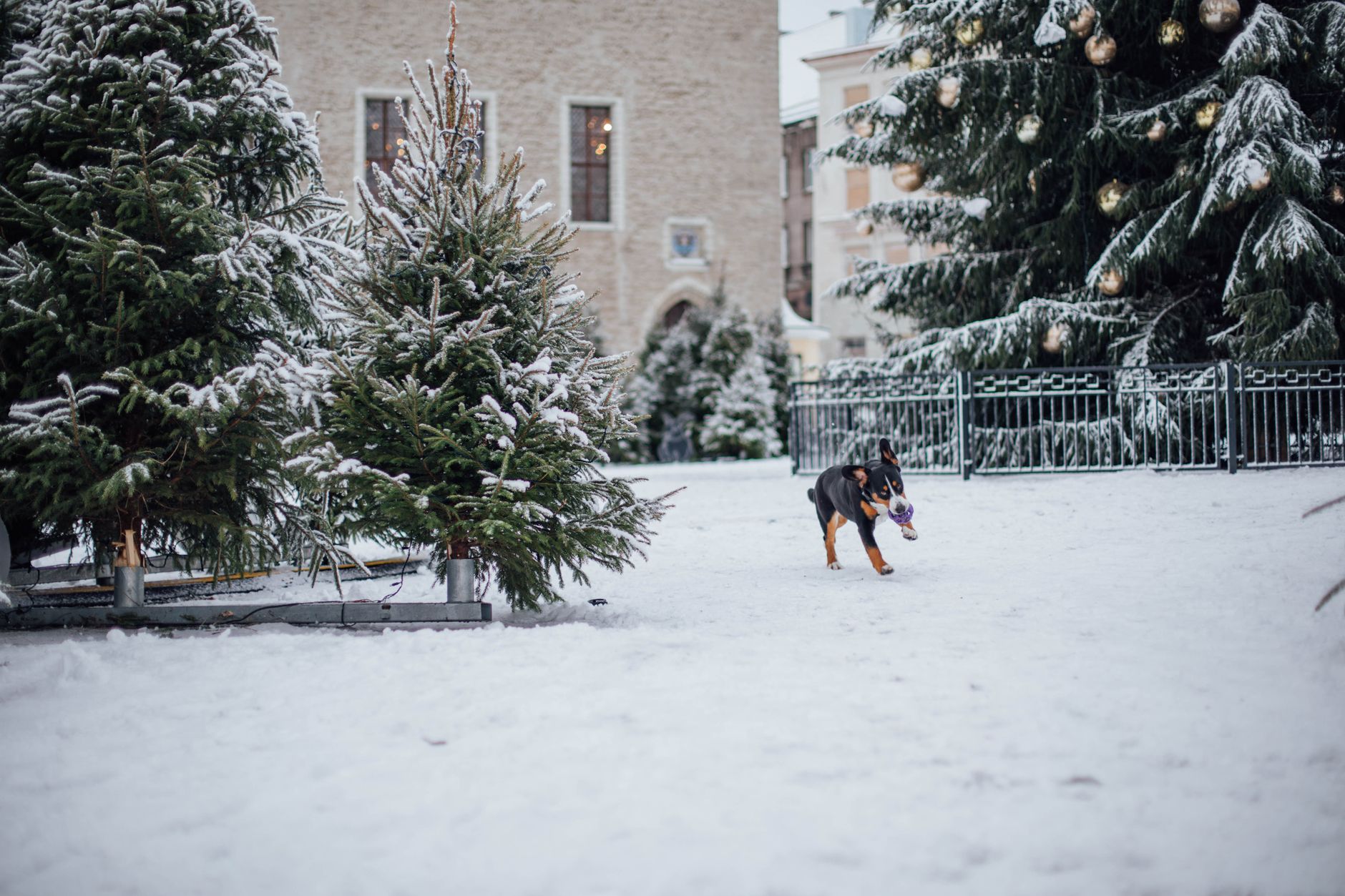
Greater Swiss Mountain Dog
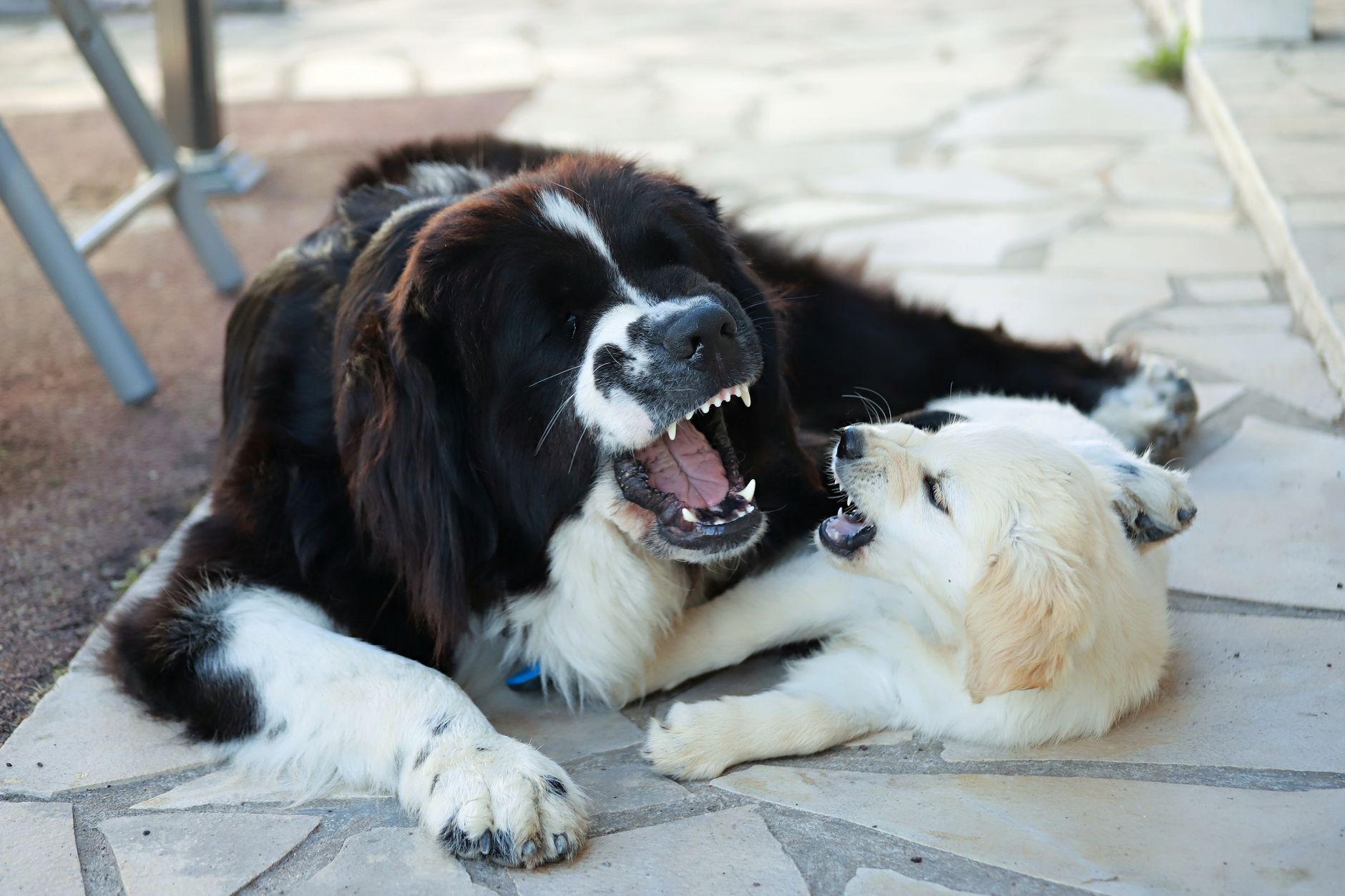
Newfoundland
Bernese Mountain Dog FAQs
Are Bernese Mountain Dogs high energy?
No, they are generally moderate-energy dogs. While they love outdoor activities like hiking in cool weather, they are typically quiet, calm couch potatoes indoors once they reach adulthood.
How do Bernese Mountain Dogs handle hot weather?
They handle heat very poorly due to their thick, black double coats. In summer, they must have access to air conditioning, plenty of fresh water, and should only be exercised during the early morning or late evening hours.
Should I shave my Bernese Mountain Dog in the summer?
No, you should never shave a Berner. Their double coat acts as natural insulation against both heat and cold; shaving them damages the coat structure and increases their risk of heatstroke and sunburn.
Do Bernese Mountain Dogs drool a lot?
While they drool far less than Saint Bernards or Mastiffs, they do drool, especially after drinking water, during exercise, or when they smell food. I always recommend keeping a hand towel nearby for quick cleanups.
Can Bernese Mountain Dogs live in apartments?
It is not ideal. While they are calm indoors, their giant size makes navigating tight spaces difficult, and they require a spacious home and ideally a yard to stretch their legs comfortably.
Are Bernese Mountain Dogs prone to barking?
They are generally quiet dogs that only bark to alert you of a visitor. They are not prone to nuisance barking unless they are left alone, bored, or suffering from separation anxiety.
At what age is a Bernese Mountain Dog fully grown?
They reach their full height around 12 to 15 months of age, but it takes up to 2 or 3 years for them to fully fill out, develop their broad chests, and reach their mature adult weight.
How much exercise does a Bernese Mountain Dog need daily?
They need about 30 to 60 minutes of moderate exercise daily, which can be achieved through brisk walks, playtime in a fenced yard, or low-impact hikes in cool weather.
Are Bernese Mountain Dogs protective guardians?
They will bark to alert you of strangers, but they are generally too gentle to be effective protection dogs. Their imposing size is usually their best deterrent, as they prefer cuddles to confrontation.
Is it safe to let my Bernese puppy run on hard surfaces?
No, you should limit running on concrete or asphalt while their joints are growing. I always tell owners to stick to soft grass or dirt trails and avoid repetitive jumping until they are at least 18 months old.
What is the ‘Berner Lean’?
This is a famous, endearing breed quirk where a Berner will walk up to you and lean their massive body weight against your legs. It is their signature way of showing affection and seeking physical closeness.
Are Bernese Mountain Dogs prone to separation anxiety?
Yes, because they form incredibly deep bonds with their human pack, they are highly prone to distress when left alone. Gradual crate training and avoiding long absences are key to managing this.