
Newfoundland Breed Guide
Quick Summary
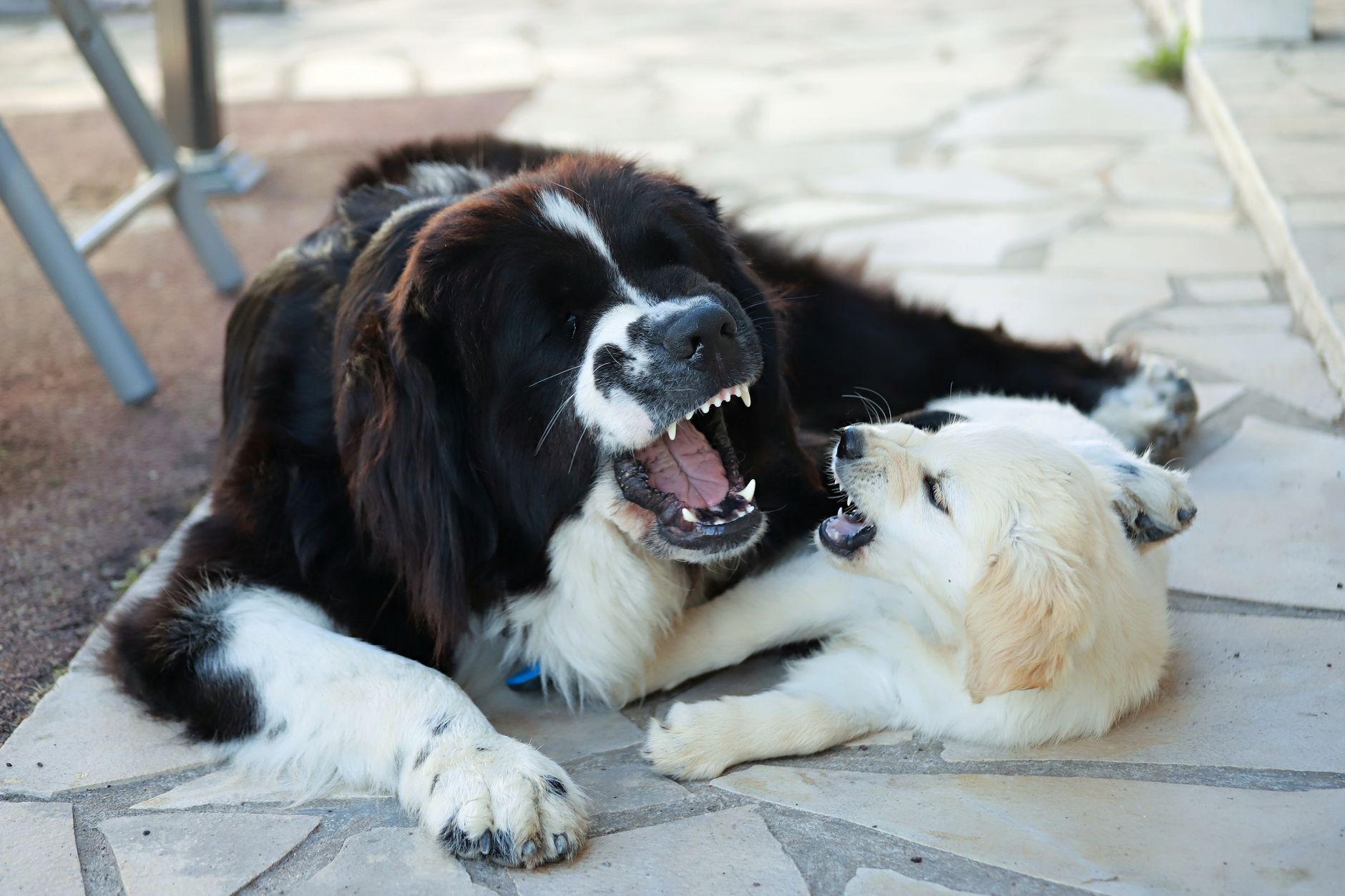
The Newfoundland is a legendary giant breed celebrated for its deep devotion, unparalleled water-rescue instincts, and uniquely gentle ‘nanny dog’ temperament. In my years working with them, I have found that while they are incredibly loving family members, they require owners who can manage massive amounts of drool, intensive coat care, and the high expenses that come with caring for a giant dog. They are best suited for spacious households that welcome a quiet, affectionate, and truly massive companion into the heart of their daily lives.
Quick Facts
- origin countryCanada
- breed groupWorking (AKC)
- sizeGiant
- weight range100 to 150 lbs (45 to 68 kg), though males can occasionally reach 170+ lbs
- height range26 to 28 inches (66 to 71 cm) at the shoulder
- lifespan8 to 10 years
- coat typeDense, water-resistant double coat with a flat, coarse outer coat and soft, thick undercoat
- common colorsBlack, Brown, Gray, and Landseer (white with black markings)
- other namesNewfie, Gentle Giant
- recognized byAKC, UKC, CKC, FCI
Caring for a Newfoundland
Living with a Newfie is a lifestyle commitment defined by giant-sized companionship and the realities of a heavy-shedding, high-drool dog. Day-to-day life involves managing a dense double coat that acts like a sponge for mud and leaves, and keeping a ‘slobber rag’ handy in every room. Despite their size, they are incredibly polite housemates who prefer lounging near their people to constant pacing. I always tell owners to prepare for slow-paced living, keeping their homes cool and their floors clear of slip hazards that could hurt giant joints.
Is a Newfoundland a good family pet?
Absolutely, they are world-renowned for their patience and legendary ‘nanny dog’ instinct with children. However, because a 140-pound dog can easily knock over a toddler by accident, I always advise supervision around young kids.
Do Newfoundlands shed a lot?
Yes, they are heavy shedders year-round, and they completely ‘blow’ their thick undercoats twice a year in the spring and fall. During these seasonal shifts, you will find bags of woolly hair daily, requiring intensive brushing.
Is a Newfoundland good for first-time owners?
Generally, I do not recommend them for novices due to their sheer physical power and complex grooming needs. A first-time owner can easily get overwhelmed by a adolescent 120-pound dog who hasn’t been properly trained to walk on a leash.
Temperament & Personality
The hallmark of the Newfoundland breed is its exceptionally sweet, patient, and mild-mannered disposition. I’ve found that they possess a quiet confidence; they rarely bark without cause and show a deep, calm devotion to their family unit. They are highly social, sensitive to human emotions, and thrive when integrated entirely into family activities rather than being left outdoors. Despite their intimidating size, they are lovers, not fighters, preferring peaceful resolution and gentle physical contact.
Is a Newfoundland good with other pets?
In my experience, they are exceptionally peaceful with other animals, including cats and smaller dogs, when raised together. Their prey drive is typically very low, and they tend to adopt a protective, maternal posture over smaller household pets.
How much attention does a Newfoundland need?
They are highly people-oriented and will shadow you from room to room just to lay across your feet. If left isolated in a backyard or empty house for long stretches, they can easily slide into depression or develop destructive chewing habits.
Training & Behavior
Training a giant breed must start the day they arrive home, as a fully grown, untrained Newfie is a safety hazard simply due to their mass. They are eager to please and highly sensitive, meaning they shut down completely if met with raised voices or harsh corrections. I highly recommend using positive, reward-based methods to teach loose-leash walking early, before they outgrow you. They are highly cooperative partners when training sessions are kept positive, calm, and structured.
Training Tips
- Begin leash training on day one to prevent dangerous pulling behaviors later.
- Use extremely gentle, positive reinforcement methods; physical force or scolding will break their sensitive spirit.
- Incorporate socialization with varied sights, sounds, and people during the critical window under 16 weeks.
- Teach a reliable ‘leave it’ command to manage their intense curiosity around water and food.
Fun Activities
- Water rescue training (their natural specialty)
- Draft work and cart pulling
- Therapy dog visits in hospitals and nursing homes
- Low-impact scent work
- Gentle swimming and water play
Is a Newfoundland easy to train?
Yes, they are highly intelligent and genuinely want to cooperate with their handlers. However, they can sometimes show a slow, deliberate stubbornness if they don’t see the point of a repetitive command, so keeping training sessions engaging is key.
Newfoundland Health Issues
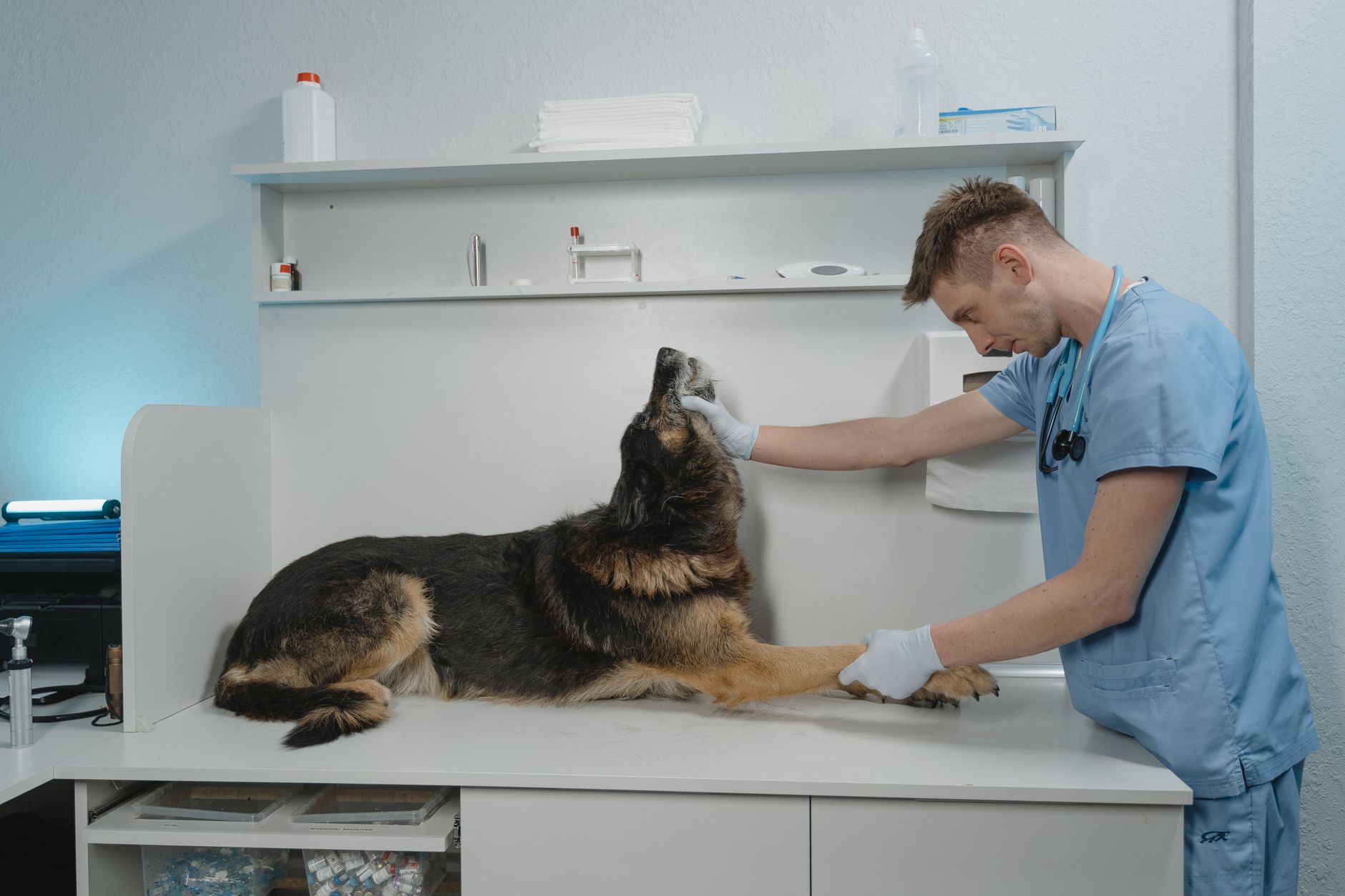
Like most giant breeds, Newfoundlands face a shorter lifespan and several significant hereditary health challenges. Working closely with a reputable breeder who screens parent dogs for cardiac, joint, and kidney issues is vital to ensuring your companion has the best start in life.
Subvalvular Aortic Stenosis (SAS)
A serious congenital heart defect where a ring of fibrous tissue obstructs blood flow from the left ventricle, putting extreme strain on the heart.
Hip and Elbow Dysplasia
Genetically inherited malformations of the hip and elbow joints where the bones do not fit together smoothly, causing progressive arthritis.
Cystinuria
An inherited renal defect where the kidneys fail to reabsorb the amino acid cystine, leading to painful kidney or bladder stones.
Gastric Dilation-Volvulus (Bloat)
A life-threatening medical emergency where the stomach fills with gas and twists on its axis, cutting off blood supply.
How long do Newfoundlands typically live?
Their typical lifespan is 8 to 10 years. Keeping them lean, providing joint support early, and veterinary monitoring of their cardiac health can help maximize their golden years.
What to Feed a Newfoundland
Feeding a Newfoundland requires a careful balancing act to support their massive skeletal system without letting them become overweight, which is disastrous for their joints. They have slow metabolisms compared to sporting breeds, meaning they can gain fat easily if their caloric intake isn’t monitored.
Best Diet
I strongly advise feeding a high-quality large- or giant-breed dry kibble. For puppies, the food must have a controlled calcium-to-phosphorus ratio to prevent rapid skeletal growth, which can cause severe joint malformations.
How to Feed
Always split their daily food allowance into at least two distinct meals to help lower the risk of bloat. Use slow-feeder bowls, and strictly avoid strenuous exercise for one hour before and after meals.
How Much to Feed
An adult male typically consumes between 4 to 6 cups of high-quality dry food per day, though this varies heavily by individual metabolism and activity level. Always consult your veterinarian to establish a personalized target weight and portion size.
Nutritional Tips
Incorporate daily joint supplements containing high-quality glucosamine, chondroitin, and omega-3 fatty acids early in life. Keep treats minimal, as carrying even 5 extra pounds can severely impact a arthritic giant.
Newfoundland Grooming Guide
Grooming a Newfoundland is not a hobby; it’s a part-time job that requires professional-grade tools. Their dense double coat acts like a magnet for twigs, mud, and water, needing daily maintenance to prevent painful mats from locking up against the skin.
Coat Care
Commit to line-brushing down to the skin at least three times a week using a high-quality steel long-toothed comb and an undercoat rake. Investing in a heavy-duty, high-velocity pet dryer is essential for blowing out dust, loose hair, and drying them thoroughly after swims to prevent hot spots.
Skin Care
Because of their thick coats and affinity for water, their skin is highly prone to moist dermatitis, or ‘hot spots,’ if they are not dried entirely down to the skin after swimming or bathing.
Eye Care
They can be prone to structural eyelid issues like ectropion (drooping lids), requiring daily wiping with a damp cloth to clear away collected dust and mucus.
Ear Care
Their heavy, drop-down ears block airflow, trapping moisture and wax. Clean them weekly with a vet-approved drying ear solution, especially after they have been in the water.
Nail & Dental Care
Trim their thick, black nails every 2-3 weeks using heavy-duty clippers or a dremel, and brush their teeth daily to combat giant-breed plaque accumulation.
Considerations for Pet Parents
Pros
- Incredibly gentle, patient, and loving temperament with children.
- Extremely loyal, quiet, and calming presence in the household.
- Excellent, natural swimming companions and draft workers.
- Rarely bark excessively, generally acting as quiet indoor companions.
- Highly trainable when met with positive, gentle instruction.
Cons
- Incredible amounts of drool that will get on walls, clothes, and furniture.
- Massive seasonal shedding that can easily overwhelm meticulous housekeepers.
- Shorter lifespan and high susceptibility to costly genetic health issues.
- High cost of ownership (vet care, medications, food, and grooming equipment).
Best For
This breed is ideal for active but relaxed families living in cooler climates with spacious homes, who don’t mind a bit of drool and are committed to a rigorous grooming schedule.
Not Recommended For
They are not recommended for apartment dwellers, hot and humid tropical climates, fastidious clean-freaks, or owners who are away from home for long 10-to-12 hour workdays.
Cost
- purchase price$1,500 to $3,500 from a reputable, health-testing breeder
- monthly cost$200 to $400 for high-quality food, regular grooming supplies, joint supplements, and giant-breed preventative vet care
- initial setupPlan to spend $1,000+ initially on specialized giant crates, heavy-duty ramps for vehicles, orthopedic bedding, and a high-velocity blow dryer.
Similar Breeds

Leonberger
Saint Bernard
Newfoundland FAQs
How do Newfoundlands handle hot weather?
In my experience, they do not tolerate heat well at all. Their massive double coat was built for freezing Canadian waters, so in summer, they must have constant access to air conditioning, fresh cold water, and shade. Limit their exercise to early mornings or late evenings when the sun is down.
Why do Newfoundlands drool so much, and can you stop it?
Their heavy drooling is anatomical, caused by their loose, pendulous lips (‘jowls’) which allow water to collect and spill out. You cannot stop it; it’s a natural feature of the breed. Experienced owners learn to strategically place ‘slobber towels’ throughout the house to wipe their faces after eating, drinking, or shaking.
What is a Landseer Newfoundland?
A Landseer is a white Newfoundland with distinct black markings, named after the 19th-century artist Sir Edwin Landseer, who famously depicted them in his paintings. While the AKC recognizes the Landseer as a color pattern of the Newfoundland, in continental Europe, the Landseer ECT (European Continental Type) is recognized as a completely separate, longer-legged breed.
Do Newfoundlands smell?
They can develop a distinct ‘doggy’ odor if their dense double coats are allowed to stay damp or dirty. Because their coat is oily and water-resistant, yeast and bacteria can thrive close to the skin if they aren’t properly dried after swimming, which is the primary cause of a smelly Newfie.
Can Newfoundlands live in an apartment?
While they are quiet and generally low-energy indoors, I strongly advise against apartment living for them. Their massive size makes navigating tight hallways, small elevators, and narrow doorways incredibly difficult, and carrying a sick or injured 140-pound dog down apartment stairs in an emergency is nearly impossible.
Are Newfoundlands easy to housebreak?
Generally, yes. They are intelligent, clean, and eager to please, which makes housebreaking relatively straightforward. However, because they are so large, their bladders grow quickly, but you must still maintain a consistent, frequent outdoor routine during their first few months.
How much daily exercise does an adult Newfie need?
They need about 30 to 60 minutes of moderate daily exercise, such as a steady walk or a refreshing swim. They are not jogging companions; long-distance running is highly damaging to their heavy skeletons and joints.
Are Newfoundlands good guard dogs?
No, they are generally not suitable as guard dogs. While their sheer physical size and deep, resonant bark will naturally deter intruders, they are incredibly friendly by nature and are far more likely to welcome a guest with a wagging tail and a slobbery lick than to show aggression.
How do you prevent bloat in a Newfoundland?
To minimize the risk of this life-threatening condition, feed 2-3 smaller meals daily instead of one large one, use a slow-feed bowl to prevent gulping air, and restrict heavy activity for at least an hour after eating. Many owners choose to have a preventive surgery called a prophylactic gastropexy performed during their dog’s spay or neuter.
What is the ‘Newfie Slap’?
This is a humorous term used by owners to describe a Newfie’s habit of using their massive, webbed paws to swat or gently slap you when they want attention, affection, or treats. It is an endearing but powerful gesture that can easily knock items out of your hands.
Should I shave my Newfoundland in the summer to keep them cool?
No, you should never shave a Newfoundland. Their double coat acts as natural insulation against both cold and heat; shaving it ruins the coat structure, exposes their sensitive skin to sunburn, and actually makes it harder for them to regulate their body temperature.
What joint supplements do you recommend for Newfoundlands?
I always recommend starting them on high-quality joint supplements containing glucosamine, chondroitin, MSM, and Green-Lipped Mussel extract by one year of age. Consult your veterinarian early to establish a proactive joint care protocol before arthritis sets in.
How do they behave around water?
Most Newfoundlands have an obsessive love for water. They possess fully webbed feet, a water-resistant double coat, and a unique breaststroke swimming style that allows them to swim for hours. Be prepared: if there is a muddy puddle, a lake, or a swimming pool nearby, your Newfie will head straight for it.
Are they prone to separation anxiety?
Yes, because they form exceptionally deep bonds with their families, they are prone to distress when left alone for long periods. They are ‘velcro dogs’ who thrive on human companionship, so they do best in homes where someone is present for a large portion of the day.