
Giant Schnauzer Breed Guide

Quick Summary
The Giant Schnauzer is a commanding, highly intelligent working breed that combines extreme athletic capability with a fierce, protective devotion to its family. This is not a casual pet; they require an experienced owner who can dedicate hours daily to vigorous physical exercise, advanced mental training, and intensive coat maintenance. In the right hands, they are unmatched guardians and versatile partners, but they will easily overpower a novice or sedentary household.
Quick Facts
- origin countryGermany
- breed groupWorking
- sizeGiant
- weight range55-95 lbs
- height range23.5-27.5 inches
- lifespan10-12 years
- coat typeDouble coat; dense, hard, and wiry outer coat with a soft undercoat
- common colorsSolid black, pepper and salt
- other namesRiesenschnauzer
- recognized byAKC, UKC, FCI
Caring for a Giant Schnauzer
In my years treating this breed, I’ve learned that living with a Giant Schnauzer is a lifestyle commitment, not just pet ownership. They demand a minimum of 1.5 to 2 hours of vigorous exercise daily, coupled with targeted brain work to satisfy their working-dog instincts. I always tell owners to prepare for constant companion dynamics; these dogs want to be with you, supervising your every move. Their physical power and intense drive mean that daily structured routines, socialization, and strict boundary setting are mandatory from day one.
Is a Giant Schnauzer a good family pet?
Yes, but primarily for families with older children who understand how to behave around a large, high-energy dog. Their sheer size, protective instincts, and boisterous play can easily overwhelm toddlers, requiring constant supervision and early, thorough training.
Do Giant Schnauzers shed a lot?
They are very low-shedding dogs, but this comes with a catch. To maintain their low-shedding, weather-resistant coat, they require professional grooming, regular clipping, or manual hand-stripping every six to eight weeks, along with daily beard brushing.
Is a Giant Schnauzer good for first-time owners?
Absolutely not. In my clinical experience, I often see first-time owners struggle with this breed’s intelligence, physical power, and strong-willed guardian nature. They will quickly take advantage of inconsistent leadership and soft boundaries.
Temperament & Personality
The Giant Schnauzer possesses a bold, reliable, and deeply loyal temperament. They are naturally suspicious of strangers and carry an innate guardian instinct that makes them highly protective of their home and territory. While they are incredibly playful and affectionate with their inner circle, they are sober and watchful in public. They require consistent guidance to ensure their protective instincts do not morph into unwanted reactivity.
Is a Giant Schnauzer good with other pets?
They can be, but it requires significant effort. They possess a strong prey drive that makes them unsafe around small pocket pets, and they often exhibit same-sex dog aggression if not meticulously socialized and managed from puppyhood.
How much attention does a Giant Schnauzer need?
An immense amount. They are prone to severe separation anxiety if left isolated, as they thrive on being active participants in their owner’s daily life; they are true ‘velcro dogs’ despite their imposing size.
Training & Behavior
Training a Giant Schnauzer is an exercise in mutual respect and consistency. They are incredibly smart, meaning they learn commands rapidly, but they also get bored of repetitive tasks and will invent their own entertainment if training sessions are dry. What I see most often in practice is reactivity or territorial guarding that stems entirely from a lack of early socialization and firm leadership during their formative puppy months.
Training Tips
- Keep training sessions short, highly engaging, and varied to prevent boredom.
- Use positive reinforcement; harsh corrections will cause them to shut down or push back.
- Begin socialization with diverse people, dogs, and environments before 16 weeks of age.
- Focus heavily on impulse control exercises like ‘stay’, ‘leave it’, and place training.
Fun Activities
- Schutzhund / IGP (protection, tracking, and obedience)
- Agility and flyball trials
- Scent work and tracking exercises
- Carting or skijoring
- Advanced obedience competitions
Is a Giant Schnauzer easy to train?
They are highly capable of learning complex tasks, making them easy to train for experienced handlers. However, their independent streak and desire to test boundaries mean they are not ‘easy’ in the way a Golden Retriever is.
Giant Schnauzer Health Issues
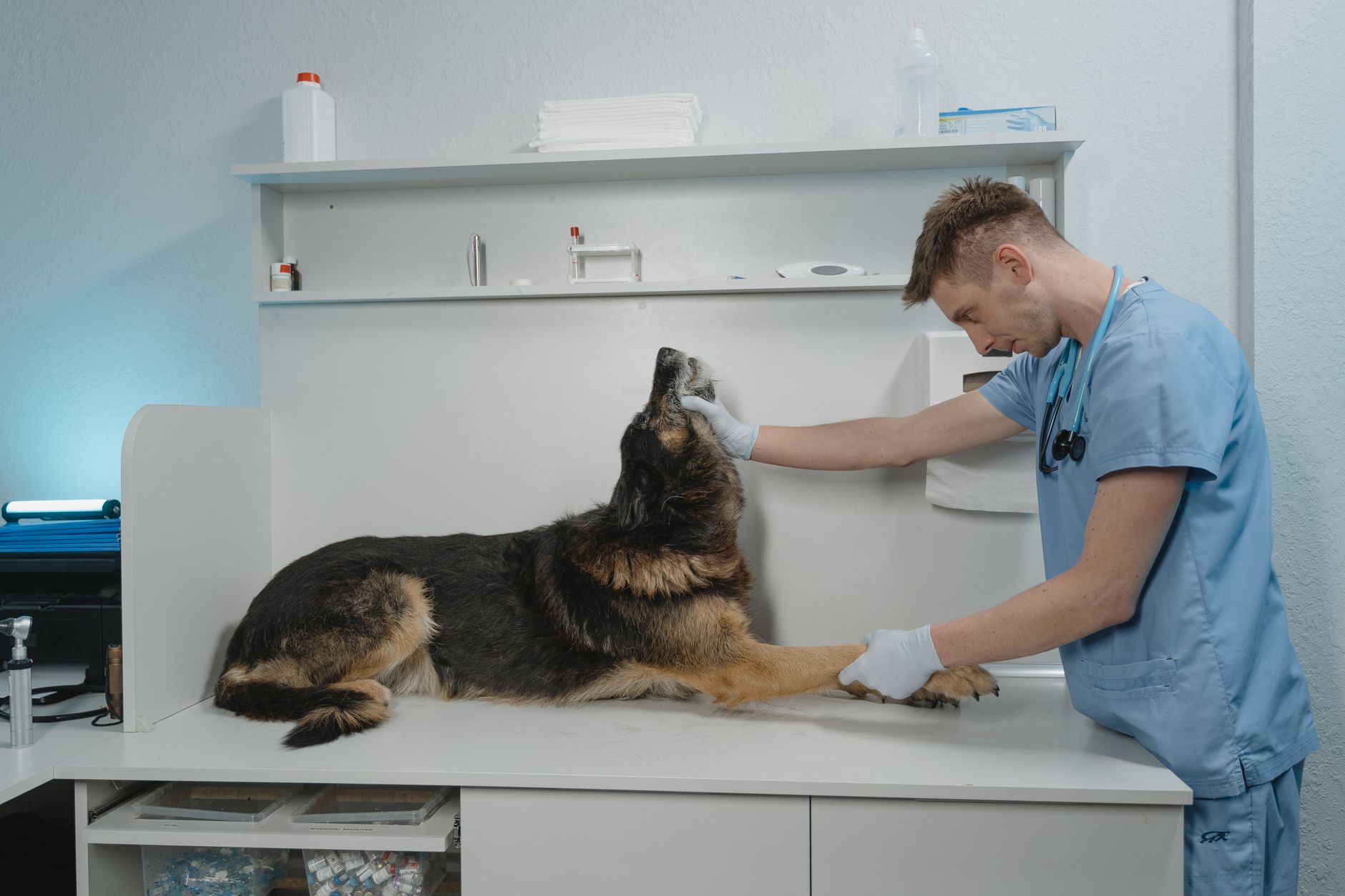
While physically robust and powerful, Giant Schnauzers are genetically predisposed to several severe orthopedic, oncological, and endocrine disorders. As a veterinarian, I stress that purchasing from a breeder who performs comprehensive, certified health screenings is vital to mitigating these serious risks.
Gastric Dilation-Volvulus (GDV or Bloat)
A life-threatening condition where the stomach fills with gas and twists on its axis, cutting off blood supply to vital organs. I frequently perform prophylactic gastropexies (stomach-tacking surgery) during their spay or neuter to prevent this emergency.
Squamous Cell Carcinoma (Toe Cancer)
This is an aggressive form of cancer that occurs with high frequency in dark-coated Giant Schnauzers, typically starting in the nail bed. Because it is highly invasive, early detection is critical and usually requires amputation of the affected toe to prevent metastasis.
Hip and Elbow Dysplasia
These are heritable orthopedic conditions where the joint ball and socket do not fit together smoothly, causing progressive wear, painful arthritis, and lameness. I advise keeping young Giants at a lean body weight to minimize stress on these developing joints.
Hypothyroidism
An endocrine disorder where the thyroid gland underproduces vital hormones, resulting in a sluggish metabolism. In my practice, we manage this very successfully using daily, inexpensive synthetic hormone replacement therapy.
Dilated Cardiomyopathy (DCM)
A progressive disease of the heart muscle that causes the heart chambers to enlarge and lose pumping efficiency, eventually leading to congestive heart failure. Regular veterinary cardiac screenings, including echocardiograms, are recommended.
How long do Giant Schnauzers typically live?
With excellent veterinary care, proper nutrition, and weight management, their lifespan is typically 10 to 12 years, which is standard for a giant-breed canine.
What to Feed a Giant Schnauzer
Feeding a Giant Schnauzer requires careful management to support their high activity levels while actively protecting them from skeletal disorders and the constant threat of life-threatening bloat.
Best Diet
I advise a high-quality, large-breed puppy formula formulated for controlled growth rates for the first 12 to 18 months. Transition them to an adult formula designed for active, large-breed dogs to support their joint health and muscle mass.
How to Feed
Always split their daily food allowance into two or three smaller meals. To lower the risk of GDV, never feed them from highly elevated bowls unless medically advised, and strictly enforce a rest period of one hour before and after meals with no running or jumping.
How Much to Feed
Adult Giant Schnauzers typically require 3.5 to 5 cups of high-quality kibble daily, but this varies dramatically based on metabolic rate and activity. I tell owners to use their dog’s body condition score—where you can easily feel but not see the ribs—to guide exact portions.
Nutritional Tips
Supplementing their diet with high-quality marine-derived Omega-3 fatty acids supports both their joint cartilage and their skin health, helping to prevent the dry skin issues common to this breed.
Giant Schnauzer Grooming Guide
Grooming a Giant Schnauzer is a serious commitment of both time and money. Their double coat does not shed out like a typical dog’s, meaning dead hair must be manually removed to keep the skin healthy and the coat debris-free.
Coat Care
The coat must be brushed and combed at least three times a week to prevent severe matting, especially in the long furniture on the legs and the signature beard. They need professional clipping or hand-stripping every 6 to 8 weeks, and their beard must be washed and dried daily to prevent ‘beard funk’ and yeast infections.
Skin Care
This breed is prone to ‘Schnauzer bumps’ (comedone syndrome) and follicular cysts; regular bathing with a veterinary-grade, follicular-flushing shampoo helps keep their pores clear.
Eye Care
Keep the prominent, iconic eyebrows trimmed clean of the eyes to prevent long hairs from scratching the cornea or causing chronic conjunctivitis.
Ear Care
Clean their ears weekly with a drying veterinary ear cleaner; because their heavy ear flaps trap moisture, they are highly prone to painful yeast otitis.
Nail & Dental Care
Trim their thick, dark nails every 3 to 4 weeks using heavy-duty clippers or a grinder. Brush their teeth daily with canine enzymatic toothpaste to prevent early-onset periodontal disease.
Considerations for Pet Parents
Pros
- Unmatched loyalty and protective instinct for the household
- Highly versatile and capable of excelling in various dog sports
- Extremely intelligent and quick to learn complex tasks
- Very low-shedding coat when maintained properly
- Imposing, majestic presence that deters intruders
Cons
- Intense physical exercise and mental stimulation demands
- High professional grooming expenses and daily upkeep
- Can develop severe separation anxiety if left alone
- Prone to dog-on-dog aggression and high prey drive
- Will test boundaries and easily dominate passive owners
Best For
Highly active, experienced owners, working dog handlers, or families with older children who have the time, space, and financial resources to commit to extensive training and professional grooming.
Not Recommended For
First-time dog owners, apartment dwellers with sedentary lifestyles, households with very young children or small pets, or those who must leave their dog home alone for long workdays.
Cost
- purchase price$1,800 – $3,500
- monthly cost$200 – $350
- initial setupPlan for elevated startup costs ($1,500+) due to giant-sized crates, high-end professional grooming tools, heavy-duty toys, and crucial preventative veterinary care, such as a prophylactic gastropexy.
Similar Breeds
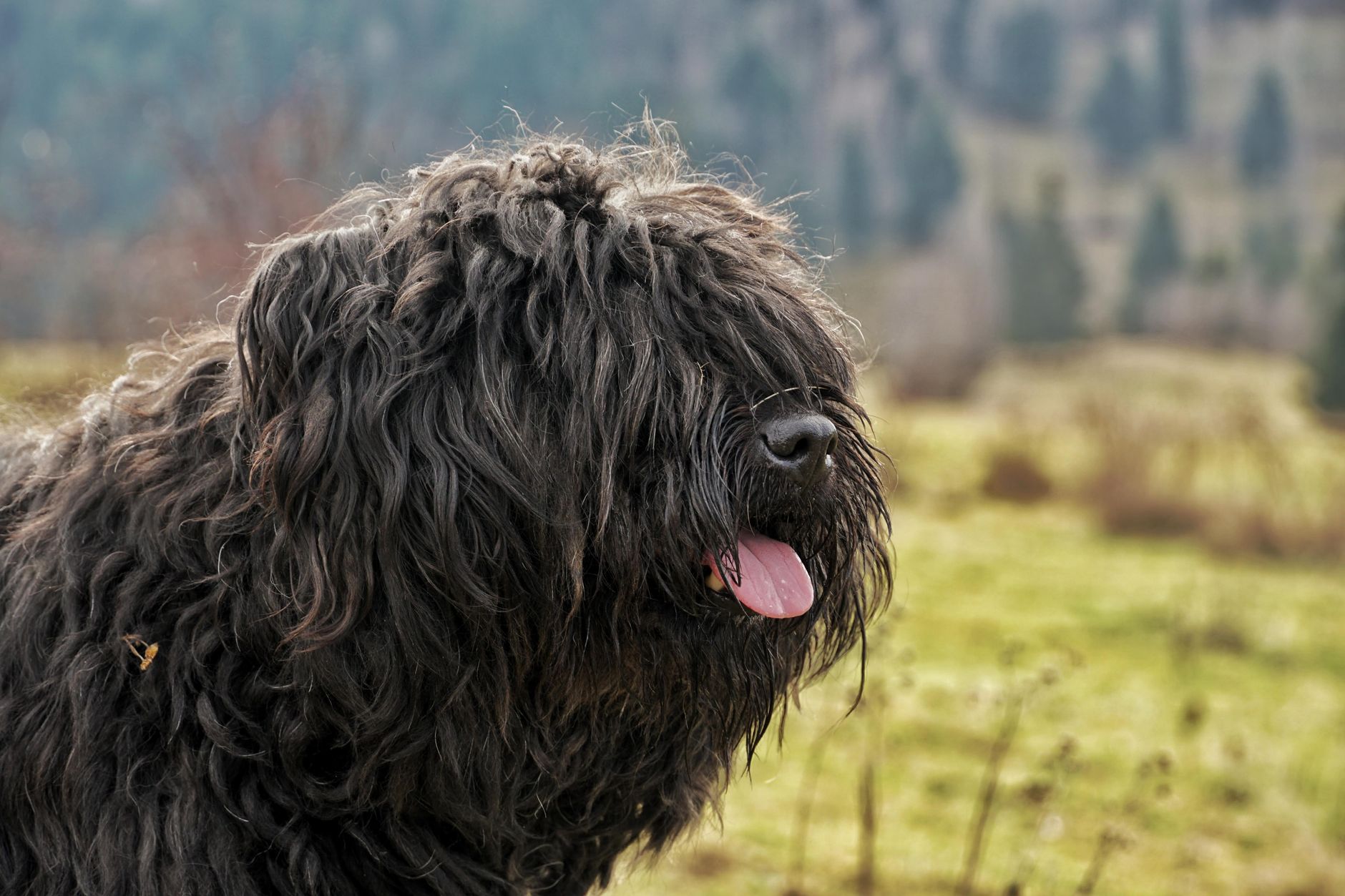
Bouvier des Flandres

Black Russian Terrier
Giant Schnauzer FAQs
Do Giant Schnauzers bark a lot?
They are not nuisance barkers by nature, but they will bark authoritatively to alert you of anyone approaching their territory. If they are bored or under-exercised, however, they can develop chronic barking habits as an outlet for their frustration.
Is ear cropping required for a Giant Schnauzer?
No, ear cropping is a purely cosmetic procedure and is optional. Leaving their ears natural and floppy is increasingly popular and perfectly healthy, though natural ears do require regular cleaning to prevent ear infections due to trapped moisture.
What is the difference between hand-stripping and clipping their coat?
Hand-stripping involves manually pulling out dead outer coat hairs to preserve the rich color and hard, wiry texture. Clipping cuts the hair shaft, which is faster and cheaper, but over time it softens the coat, fades the rich black color, and compromises its weather-proof qualities.
Why does my Giant Schnauzer’s beard smell, and how do I fix it?
The dense beard traps water, food debris, and saliva, creating a warm, damp environment ideal for yeast and bacteria to multiply. To prevent this ‘beard funk’ and subsequent skin infections, wash the beard daily with a mild canine shampoo, rinse thoroughly, and blow-dry it completely.
Are they prone to separation anxiety?
Yes, they are a highly people-oriented working breed and do not tolerate isolation well. If left alone for long periods without mental stimulation, they can develop severe separation anxiety, which often manifests as self-trauma or destructive chewing of furniture and drywall.
Are Giant Schnauzers hypoallergenic?
No dog is 100% hypoallergenic. However, because they do not shed heavily and produce less dander than many other breeds, they are often tolerated well by allergy sufferers—provided the coat is washed and groomed regularly.
At what age do Giant Schnauzers fully mature?
They reach their skeletal height by 12 to 18 months of age, but they continue to fill out physically and mature mentally until they are 2.5 to 3 years old. Prepare for an extended, high-energy puppyhood.
What is ‘Schnauzer Bumps’ and how is it treated?
This is a breed-specific skin condition officially known as Schnauzer Comedone Syndrome, where the hair follicles on the back become blocked and form blackheads. It is managed with veterinary-prescribed follicular-flushing shampoos, topical treatments, and occasionally oral antibiotics for secondary infections.
Can Giant Schnauzers live in an apartment?
While technically possible if the owner is an elite athlete who takes the dog out for hours daily, it is generally not recommended. Their guardian instincts can lead to excessive alert barking at hallway noises, and their size makes confinement difficult.
Do they drool a lot?
They do not drool constantly like some giant breeds with loose jowls, such as Mastiffs. However, they are famous for ‘beard dripping’; immediately after drinking, their saturated beard will act as a sponge, depositing water all over your floors and furniture.
How do they handle cold and hot weather?
Their thick, double coat provides excellent insulation against cold and wet weather, which they generally love. However, their heavy coat and dark coloring make them highly susceptible to overheating and heatstroke in hot, humid climates; they must have access to air conditioning and shade.
Is same-sex dog aggression common in this breed?
Yes. Even with early socialization, Giant Schnauzers can develop strong same-sex dog aggression as they reach social maturity around age two. I strongly advise owners to pair them with a dog of the opposite sex if they plan on a multi-dog household.