
Samoyed Breed Guide
Quick Summary
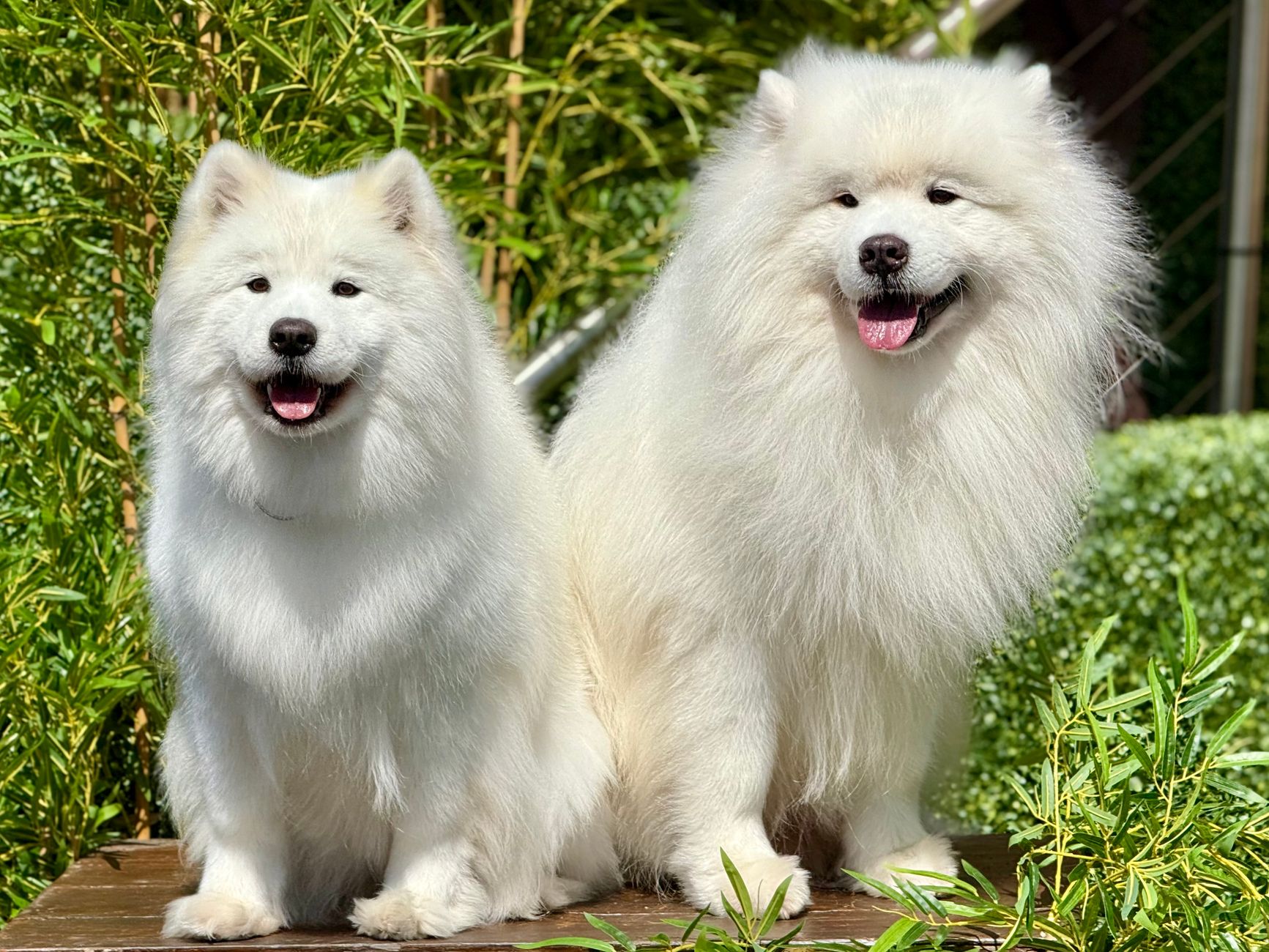
The Samoyed is an exceptionally social, high-energy working breed famed for its weather-resistant white double coat and iconic ‘Sammy smile.’ In my clinical practice, I find they thrive best with active families who can commit to heavy daily grooming and structured mental stimulation to prevent anxiety-driven destructive behaviors. If you cannot tolerate abundant shedding and vocal communication, this ancient Arctic breed is not the match for you.
Quick Facts
- origin countrySiberia (Russia)
- breed groupWorking (AKC)
- sizeMedium to Large
- weight range35 to 65 pounds (16 to 30 kg)
- height range19 to 23.5 inches at the shoulder
- lifespan12 to 14 years
- coat typeDense, weather-resistant double coat
- common colorsWhite, Biscuit, Cream, White & Biscuit
- other namesSamoiedskaia Sobaka, Bjelkier, Sammy
- recognized byAKC, UKC, FCI, KC
Caring for a Samoyed
Living with a Samoyed means embracing a lifestyle dominated by hair, high-energy outdoor activities, and vocal interactions. In my clinic, the happiest Sammys are those whose owners walk them at least 1.5 to 2 hours daily and keep their minds active with complex puzzle toys. They do not tolerate isolation well; separation anxiety can manifest rapidly in destructive chewing and howling. Because of their thick coats, you must actively protect them from heatstroke during summers, keeping them in air-conditioned spaces when temperatures exceed 75°F (24°C).
Is a Samoyed a good family pet?
Yes, they are outstanding family pets for active households, as they are naturally gentle, social, and lack aggressive guard-dog instincts. However, their sheer size and bouncy energy mean they can easily knock over toddlers, so I always advise supervised interactions. Their pack-oriented nature means they want to be involved in every family activity rather than left alone in a yard.
Do Samoyeds shed a lot?
They shed continuously, but they ‘blow’ their massive undercoats completely twice a year in a storm of white fluff. During these blowout periods, which last about 3 to 4 weeks, you will need to line-brush them daily to prevent severe skin matting. I warn my clients that if they are sensitive to dog hair on furniture and clothing, this is absolutely the wrong breed.
Is a Samoyed good for first-time owners?
Generally, I do not recommend them for novice owners because their independent working-dog intelligence can easily translate into stubbornness. They require highly consistent, positive reinforcement training and an immense commitment to coat maintenance that often overwhelms beginners. A first-time owner must be willing to hire professional trainers and groomers to help navigate the first two years.
Temperament & Personality
Sammys are famously cheerful, outgoing, and deeply bonded to their human packs. Their signature ‘Sammy smile’ is actually an evolutionary trait designed to prevent drooling, which would cause icicles to form on their faces in freezing temperatures. They possess a high prey drive inherited from their history of herding reindeer and hunting, alongside a highly vocal nature. In my practice, they are rarely aloof; they expect every stranger they meet to be their new best friend.
Is a Samoyed good with other pets?
They usually cohabitate wonderfully with other dogs, especially when properly socialized from puppyhood. However, their history as hunters and reindeer herders means they have a moderate-to-high prey drive. I urge caution and strict veterinary/behavioral supervision if you plan to keep them alongside small pocket pets or cats, as fleeing movements can trigger their chase instinct.
How much attention does a Samoyed need?
They require near-constant companionship and do not tolerate being left alone for eight-hour workdays. I frequently diagnose separation anxiety in Samoyeds whose owners work long hours, leading to self-mutilating lick granulomas or destructive home escape attempts. They need to be integrated into your daily household flow to remain emotionally stable.
Training & Behavior
Training a Samoyed requires extreme patience, creativity, and a reliance on positive reinforcement. Because they were bred to work independently in harsh Arctic conditions, they lack the eager-to-please servility of a Golden Retriever and will easily ignore repetitive commands. I advise keeping sessions short (5-10 minutes) and highly rewarding to prevent them from tuning you out.
Training Tips
- Use high-value food rewards like freeze-dried liver to override their stubborn streaks.
- Begin crate training on day one to manage their innate separation anxiety.
- Vary your training routine constantly to keep their highly active minds engaged.
- Practice ‘quiet’ cues early to manage their high vocalization and alert barking.
Fun Activities
- Canicross (hands-free trail running)
- Sledding or urban mushing (scooterjoring)
- Agility training to burn mental energy
- Scent work and nose games
- Herding trials
Is a Samoyed easy to train?
They are highly intelligent but can be incredibly stubborn, making training a test of consistency. They will quickly learn commands but will constantly assess whether it is worth their while to obey. Using punishment or harsh corrections will cause them to shut down completely, so positive reinforcement is non-negotiable.
Samoyed Health Issues

While Samoyeds are generally robust, genetically diverse working dogs, they are prone to several severe hereditary conditions. In my practice, proactive genetic testing and regular screening of hips, eyes, and kidneys are vital to catching these issues before they become life-limiting.
Samoyed Hereditary Glomerulopathy (SHG)
An X-linked hereditary renal disease where the basement membrane of the kidneys progressively degenerates. Affected males develop severe renal failure early in life, typically succumbing between 8 and 15 months of age, while females remain carrier hosts with milder, slowly progressive disease.
Hip Dysplasia
A genetic skeletal condition where the femoral head does not fit snugly into the pelvic acetabulum, causing painful joint laxity and progressive osteoarthritis. I strongly advocate for OFA (Orthopedic Foundation for Animals) or PennHIP clearance of parents before buying a puppy.
Progressive Retinal Atrophy (X-Linked PRA)
An inherited degenerative eye disease that specifically targets the photoreceptor cells in the retina. In Samoyeds, it is often X-linked (XL-PRA), leading to progressive, irreversible blindness, typically starting with night blindness.
Diabetes Mellitus
An endocrine disorder where the pancreas fails to produce adequate insulin, leading to dangerously high blood glucose levels. Samoyeds have a documented genetic predisposition to middle-age onset diabetes, which requires lifetime insulin therapy and meticulous diet control.
Sebaceous Adenitis
An immune-mediated skin disorder where the body’s immune system attacks and destroys the skin’s sebaceous (oil) glands. This leads to a loss of the protective lipid barrier, resulting in severe follicular casting, scale build-up, and secondary bacterial infections.
How long do Samoyeds typically live?
A healthy Samoyed typically enjoys a lifespan of 12 to 14 years. Maintaining a lean body weight, providing routine veterinary dentals, and ensuring they don’t overheat can greatly extend their quality of life. Regular blood panels starting at age 7 can catch endocrine and renal issues early.
What to Feed a Samoyed
Proper nutrition for a Samoyed must balance their high-energy output with their predisposition to obesity, which severely exacerbates hip dysplasia. Because they are a deep-chested breed, I also discuss the risk of Gastric Dilatation-Volvulus (GDV or bloat) with every owner.
Best Diet
I recommend a high-quality, large-breed puppy formula that supports slow, controlled skeletal growth up to 12-18 months. As adults, transition them to a performance or active adult kibble high in omega-3 fatty acids (EPA/DHA) to support joint health and nourish their dense double coats.
How to Feed
Always divide their daily food allowance into at least two separate meals to minimize the risk of life-threatening bloat. I strictly advise against using raised feeders unless clinically indicated, and owners must restrict heavy exercise for at least 60 minutes after every meal.
How Much to Feed
On average, active adult Samoyeds require about 2 to 3.5 cups of high-quality dry food per day, split into two meals. However, metabolic rates vary wildly, so you must consult your veterinarian to establish a precise caloric goal based on your dog’s current Body Condition Score (BCS).
Nutritional Tips
To maintain their skin barrier and coat sheen, look for diets enriched with zinc and marine-derived omega fatty acids. Avoid feeding grain-free diets unless specifically prescribed by your vet, due to the potential links to nutritional dilated cardiomyopathy (DCM).
Samoyed Grooming Guide
Grooming a Samoyed is not an optional cosmetic chore; it is an essential pillar of their physical health. Neglecting their coat leads to painful matting, hot spots, and an inability to thermoregulate, which can be life-threatening in hot weather.
Coat Care
You must perform deep line-brushing down to the skin at least 3 times a week, using a high-quality undercoat rake and slicker brush. Never shave a Samoyed, as their double coat acts as natural insulation against both extreme cold and extreme heat; shaving damages the coat structure and exposes their pale skin to sunburn and heatstroke.
Skin Care
Check the skin weekly during brushing for signs of hot spots or sebaceous adenitis scales. If they get wet, they must be thoroughly dried down to the skin using a high-velocity pet dryer, as trapping moisture in that thick undercoat is a recipe for severe moist dermatitis.
Eye Care
Wipe away daily tear staining with a damp, soft cloth to prevent yeast infections in the facial folds. If you notice persistent tearing, squinting, or cloudiness, schedule an ophthalmic exam immediately to rule out PRA or distichiasis.
Ear Care
Clean their erect ears bi-weekly using a vet-approved, drying ear cleanser to remove wax buildup and prevent moisture accumulation. Because they love water and snow, always dry their ears thoroughly after outdoor play to prevent otitis externa.
Nail & Dental Care
Trim their nails every 3 to 4 weeks using a grinder or clippers to prevent splayed toes and structural joint pain. Brush their teeth at least 3 times a week with enzymatic pet toothpaste to prevent periodontal disease, which can compromise systemic health.
Considerations for Pet Parents
Pros
- Stunningly beautiful and majestic appearance
- Extremely friendly, gentle, and social with humans
- Naturally clean coat that sheds dirt easily
- Excellent, high-energy companion for outdoor winter activities
- Lacks the typical ‘doggy odor’ associated with other breeds
- Great alert dog that will always announce visitors
Cons
- Extreme, year-round shedding with intense biannual blowouts
- Highly vocal; prone to howling and high-pitched alert barking
- Prone to severe separation anxiety if left alone too long
- High risk of heatstroke in warm, humid climates
- Can be headstrong and challenging for novice trainers
Best For
Active families, hikers, or cold-climate residents who work from home or have a household member present throughout the day. They are perfect for those who view intensive grooming sessions as a rewarding bonding experience rather than a chore.
Not Recommended For
Individuals living in hot, humid climates without central air conditioning, or apartment dwellers with strict noise rules due to their vocal nature. They will not thrive in homes where the owners work long, out-of-home hours.
Cost
- purchase price$1,500 to $3,500
- monthly cost$150 to $300
- initial setupExpect to spend $800 to $1,500 initially on professional-grade grooming gear (high-velocity dryer, rakes), a heavy-duty crate, high-quality nutrition, and early veterinary vaccines.
Similar Breeds

Samoyed FAQs
Do Samoyeds bark a lot?
Yes, Samoyeds are highly vocal dogs. They communicate through a wide range of sounds, including a distinctive high-pitched alert bark, expressive ‘talking’ grunts, and melodic howling. In my practice, I find that behavior therapy to address nuisance barking is common, making early training on ‘quiet’ cues essential.
How do Samoyeds tolerate hot weather?
Samoyeds tolerate hot weather very poorly due to their thick, double insulation. When temperatures exceed 75°F (24°C), they are at a highly elevated risk of heatstroke. I advise keeping them indoors with air conditioning during warm days, restricting exercise to early mornings or late evenings, and providing constant access to fresh water.
Should I shave my Samoyed in the summer?
No, you should absolutely never shave a Samoyed. Their double coat acts as insulation that keeps them cool in the summer and warm in the winter, and removing it strips them of their natural temperature regulation. Additionally, shaving exposes their fair skin to harmful UV rays, increasing the risk of sunburn and skin cancers.
Are Samoyeds hypoallergenic?
No, Samoyeds are not hypoallergenic. While they produce less of the specific protein dander that triggers some human allergies compared to other breeds, they still shed immense amounts of hair and dander. If you have severe dog allergies, I recommend spending time around a Samoyed before committing to ownership.
How much exercise does a Samoyed need daily?
An adult Samoyed requires a minimum of 1.5 to 2 hours of vigorous exercise daily. This should include walking, running, or pulling activities, combined with mentally stimulating games. Without this energy release, they will quickly develop behavioral issues like destructive chewing and digging.
Why does my Samoyed smile?
The iconic ‘Sammy smile’ is an evolutionary anatomical trait. The corners of their mouth upturn slightly to prevent them from drooling, which would cause icicles to freeze on their faces in their native Arctic temperatures. Happily, this physical adaptation perfectly mirrors their friendly and cheerful personality.
Are Samoyeds destructive chewers?
They can be highly destructive chewers if they are bored, under-exercised, or suffering from separation anxiety. In my clinical experience, they will chew furniture, drywall, and shoes to self-soothe. Providing tough, veterinary-approved chew toys and ample physical stimulation is the best prevention.
At what age is a Samoyed fully grown?
A Samoyed usually reaches their full adult height by 12 months of age. However, they will continue to develop muscle mass and ‘fill out’ structurally until they are about 2 years old. I recommend continuing to feed a high-quality large-breed puppy formula until they are at least 12 to 15 months of age.
Are Samoyeds prone to bloat?
Yes, as deep-chested dogs, Samoyeds are at risk for Gastric Dilatation-Volvulus (GDV), commonly known as bloat. This is a life-threatening emergency where the stomach fills with gas and twists. To prevent this, avoid vigorous exercise for an hour before and after meals, and feed multiple small meals per day.
Can Samoyeds live in apartments?
While they can adapt to apartment living, it is highly challenging and generally not recommended. Their high vocalization can easily disturb neighbors, and their intensive exercise requirements mean you must commit to several outdoor excursions daily regardless of the weather. A home with a securely fenced yard is a much better fit.
How often should I bathe my Samoyed?
You should bathe a Samoyed every 6 to 8 weeks, or whenever they get exceptionally dirty. Their coat has a natural self-cleaning property that repels dirt once dried, but when you do bathe them, you must use a high-velocity blow dryer to dry them completely down to the skin to avoid trapping moisture and causing hot spots.
Why is my Samoyed losing patches of hair?
Patchy hair loss in a Samoyed is abnormal and requires a veterinary evaluation. It can indicate a primary skin condition like Sebaceous Adenitis, hormonal imbalances such as hypothyroidism, or external parasites like mange. I recommend getting a skin scraping and full blood panel to identify the underlying cause.
Sources & Further Reading
- American Kennel Club (AKC)
- Merck Veterinary Manual
- American Veterinary Medical Association (AVMA)
- PetMD