
Glen of Imaal Terrier Breed Guide
Quick Summary
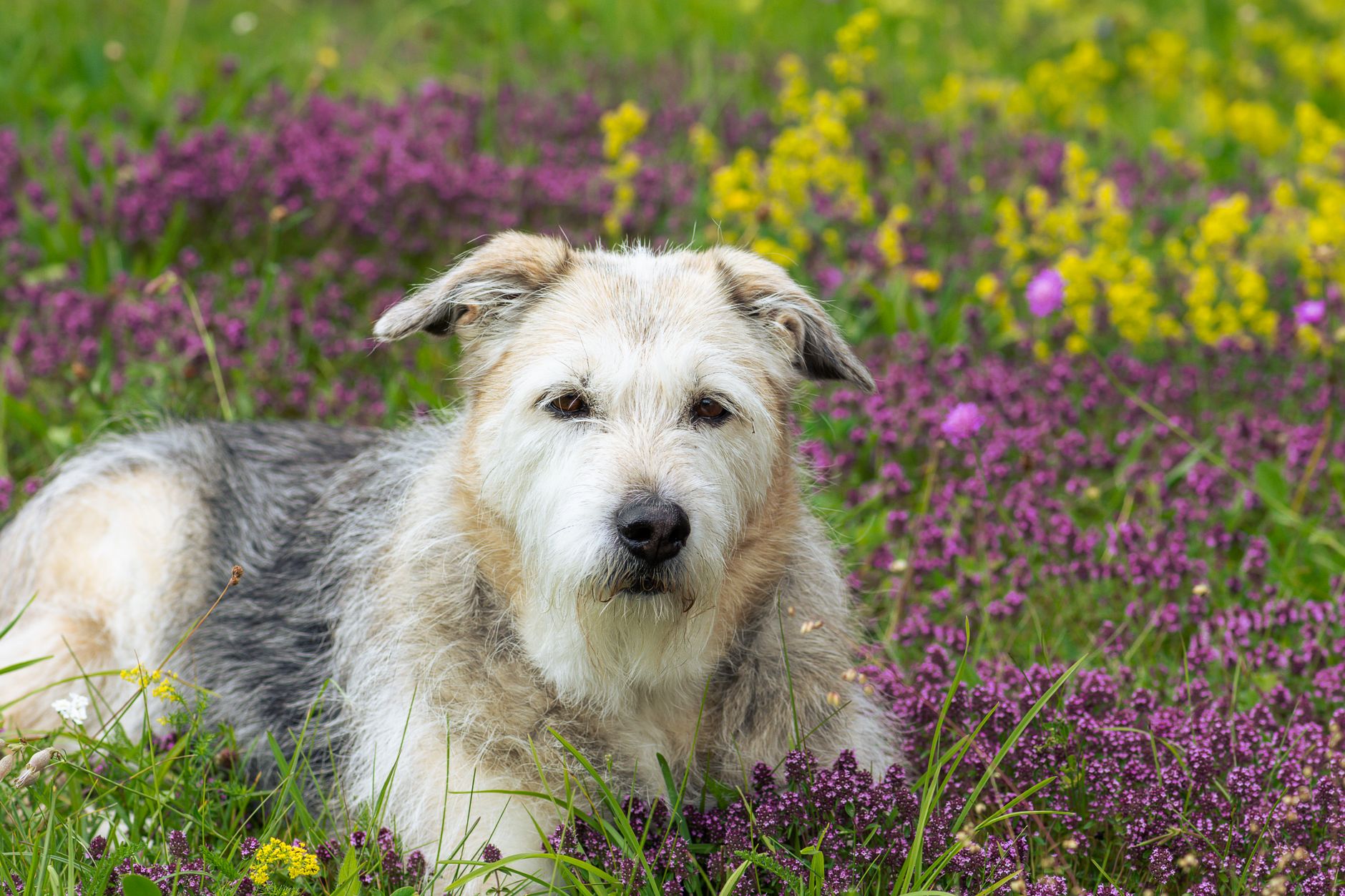
The Glen of Imaal Terrier is a robust, low-slung Irish working breed that packs a big, sensible dog’s personality into a compact, dwarf-statured frame. Less frantic than typical terriers, they are deeply loyal and gentle companions, though they retain a strong prey drive and silent hunting instinct. They are ideal for active households seeking a calm, brave dog that requires moderate exercise but plenty of joint-conscious care.
Quick Facts
- origin countryIreland
- breed groupTerrier
- sizeMedium (achondroplastic)
- weight range32 to 40 pounds
- height range12.5 to 14 inches
- lifespan10 to 14 years
- coat typeDouble coat, harsh medium-length topcoat, soft undercoat
- common colorsWheaten, Blue, Blue Brindle
- other namesWicklow Terrier, Glen, Irish Glen of Imaal Terrier
- recognized byAKC, UKC, FCI, KC
Caring for a Glen of Imaal Terrier
Living with a Glen means managing their unique dwarf anatomy with clinical vigilance. In my years treating this breed, I emphasize protecting their growth plates during their first 12 months by preventing them from jumping off high surfaces or running up and down steep stairs. They are low-slung but incredibly heavy-boned, meaning they feel much heavier than they look when you lift them. Daily life involves moderate walks, brain games to satisfy their working heritage, and managing their intense prey drive around local wildlife.
Is a Glen of Imaal Terrier a good family pet?
Yes, they make excellent, deeply affectionate family pets and are famously patient with children. However, because they are incredibly solid and strong, toddlers should always be supervised to prevent accidental tipping. I always advise socialization early on to ensure they remain relaxed in busy family environments.
Do Glen of Imaal Terriers shed a lot?
They are very low shedders, making them a great option for owners who dislike finding hair on their furniture. Their harsh double coat requires weekly brushing and hand-stripping twice a year to remove dead hair. If clipped instead of stripped, the coat texture will soften and the rich color will fade over time.
Is a Glen of Imaal Terrier good for first-time owners?
They can be a challenge for complete novices due to their independent, strong-willed terrier nature. While calmer than a Jack Russell, they still possess a stubborn streak that requires consistent, positive boundaries. I recommend them to owners who are willing to commit to early, structured obedience training.
Temperament & Personality
The Glen is often described as a ‘three-quarter dog’ because they pack the substance of a 60-pound dog into a 35-pound body, and their temperament reflects this quiet confidence. Unlike many buzzy terrier breeds, they do not tend to bark excessively and are surprisingly easygoing at home. However, make no mistake: they were bred to hunt badgers, meaning they are incredibly brave and possess a high prey drive. They are deeply devoted to their human families, displaying a calm, stoic affection rather than needy clinginess.
Is a Glen of Imaal Terrier good with other pets?
They can live peacefully with other household dogs if socialized properly from puppyhood, though they may refuse to back down if challenged. Because of their historical breeding to dispatch badgers silently, they have an intense prey drive and should never be trusted around small animals like rabbits, hamsters, or cats.
How much attention does a Glen of Imaal Terrier need?
While they love being near their humans and will happily follow you from room to room, they are not overly demanding or prone to severe separation anxiety. They are quite content to nap for hours while you work, provided they get their physical and mental stimulation later in the day.
Training & Behavior
Training a Glen requires understanding that they are independent thinkers who do not see the point in mindless repetition. In my practice, I find they respond exceptionally well to food-based, positive reinforcement, but will tune you out if you use harsh methods or become boring. Early socialization is non-negotiable to curb any potential dog-directed reactivity, as these dogs are incredibly strong and will not hesitate to defend themselves.
Training Tips
- Use high-value, smelly treats to keep their focus
- Keep obedience sessions brief, lasting 5 to 10 minutes max
- Prioritize early, controlled socialization with other dogs
- Incorporate crate training early to prevent destructive digging
- Train a bulletproof ‘leave it’ command to manage prey drive
Fun Activities
- Earthdog trials to satisfy digging instincts
- Scent work and tracking games
- Barn Hunt competitions
- Agility with modified, low jump heights
- Leashed hiking in rugged terrain
Is a Glen of Imaal Terrier easy to train?
I would class them as moderately challenging but highly capable. They learn commands quickly because they are highly intelligent, but they are notorious for choosing whether or not to obey based on what’s in it for them. Consistency, patience, and a sense of humor are absolute requirements for success.
Glen of Imaal Terrier Health Issues

The Glen of Imaal Terrier is a remarkably hardy and robust breed, but their dwarf conformation and small gene pool make them susceptible to specific hereditary conditions. In my clinical experience, proactive genetic screening and keeping this breed lean are the two most powerful tools an owner has to prevent lifelong joint issues.
Progressive Retinal Atrophy (gPRA – crd3 variant)
A late-onset genetic eye disorder that causes the progressive degeneration of the retina, leading to night blindness and eventually complete blindness, typically manifesting around 3 to 5 years of age.
Hip Dysplasia
A genetic skeletal condition where the ball-and-socket joint of the hip fails to develop properly, worsened by the breed’s heavy-boned dwarf structure and excess weight.
Elbow Dysplasia & Growth Plate Injuries
Because of their achondroplastic bowing of the front legs, the growth plates are under intense physical strain; premature closure of these plates can lead to severe joint misalignment and painful arthritis.
Atopic Dermatitis (Allergic Skin Disease)
An environmental allergy condition common in terriers, where the immune system overreacts to pollen, dust mites, or molds, compromising the skin barrier.
How long do Glen of Imaal Terriers typically live?
With excellent veterinary care, a proper diet, and joint protection, Glens typically enjoy a long lifespan of 10 to 14 years. Many of the patients I treat live vibrant, active lives well into their double digits.
What to Feed a Glen of Imaal Terrier
Glens are food-obsessed and highly efficient metabolizers, meaning they gain weight very easily. Because of their short legs and heavy bodies, carrying even two extra pounds puts catastrophic stress on their spine, hips, and elbows.
Best Diet
I recommend a high-quality, grain-inclusive diet formulated for medium-sized dogs, with moderate protein and low-to-moderate fat content. For growing puppies, a large-breed puppy formula is critical to ensure their bones and dwarf joints develop slowly and safely.
How to Feed
Divide their daily caloric intake into two strictly measured meals per day. Never free-feed a Glen, and always use a digital kitchen scale to measure their kibble rather than relying on a loose measuring cup.
How Much to Feed
On average, an adult Glen requires between 800 to 1,000 calories per day, but this varies wildly based on activity level and age. You must consult your veterinarian to establish a precise feeding plan based on a Body Condition Score of 4 out of 9.
Nutritional Tips
Incorporate joint supplements containing glucosamine, chondroitin, and Omega-3 fatty acids (EPA/DHA) early in life to protect their heavy-duty joints. Use fresh vegetables like green beans as low-calorie training treats instead of commercial biscuits.
Glen of Imaal Terrier Grooming Guide
The Glen’s weather-resistant coat is relatively low-maintenance, but it cannot be neglected entirely. Unlike soft-coated breeds, their wire hair does not mat easily, but it does collect debris from outdoor adventures.
Coat Care
Brush the coat thoroughly once or twice a week with a slicker brush and a steel comb to prevent tangles. To maintain their classic harsh texture and rich color, hand-strip the coat every six months; clipping should be reserved only if hand-stripping is not feasible.
Skin Care
Bathe only when necessary, typically every 4 to 8 weeks, using a soothing oatmeal-based dog shampoo to protect their sensitive skin. Over-bathing can strip the natural weather-resistant oils from their harsh coat.
Eye Care
Trim the hair around their eyes regularly to prevent irritation from stray wires, and wipe away any tearing or discharge daily with a damp cloth.
Ear Care
Check and clean their drop ears weekly for wax buildup, redness, or yeast odor, which can be common in dogs that enjoy digging and outdoor play.
Nail & Dental Care
Trim their fast-growing nails every 2 to 3 weeks, as long nails can alter their foot posture and exacerbate joint issues. Brush their teeth at least three times a week with veterinary-approved enzyme toothpaste.
Considerations for Pet Parents
Pros
- Calm and sensible house manners compared to other terriers
- Low-shedding coat that is relatively easy to keep clean
- Deeply loyal and highly affectionate with family members
- Incredibly sturdy and durable for outdoor activities
- Rarely barks without a very good reason
- Excellent watchdogs with a surprisingly deep bark
Cons
- High prey drive makes them unsafe around small pets
- Can be stubborn and independent during training
- Prone to joint and growth plate issues due to dwarf stature
- Can be selective or reactive toward other dogs if under-socialized
- Rare breed that can be difficult and expensive to source
Best For
The ideal owner for a Glen is someone who understands the balance of a working breed’s mind and a dwarf dog’s physical limitations. They are perfect for active individuals or families who enjoy hiking, have a securely fenced yard, and are dedicated to lifelong positive-reinforcement training.
Not Recommended For
They are not recommended for households with cats, rabbits, or pocket pets, nor are they suited for owners who want an off-leash park dog. They also do not thrive with sedentary owners or those unwilling to manage their joint health by preventing high-jumping.
Cost
- purchase price$1,500 to $3,000
- monthly cost$100 to $180
- initial setupExpect to spend $500 to $1,000 initially on a heavy-duty crate, ramps for furniture to protect their joints, grooming tools, and genetic testing or initial vet exams.
Similar Breeds
Sealyham Terrier

Dandie Dinmont Terrier
Glen of Imaal Terrier FAQs
Why do Glen of Imaal Terriers have bowed legs?
Their bowed front legs are a result of achondroplasia, a form of dwarfism that is a defining characteristic of the breed. This low-slung, heavy-boned build historically helped them stay low to the ground when digging out badgers from their dens, providing a lower center of gravity.
What is the ‘Glen sit’?
The ‘Glen sit’ (or ‘sitting up’) is a famous posture unique to the breed where they sit on their hindquarters with their back completely straight and front paws in the air. This is a natural, comfortable posture for them due to their unique skeletal structure and exceptionally strong muscular loin.
Do they bark a lot?
No, unlike most terrier breeds, Glens are famously quiet. They were bred to hunt badgers and foxes silently to avoid alerting the prey, so in a home setting, they typically only bark to sound an alert if a stranger approaches.
Can they climb stairs?
While adult Glens can physically climb stairs, it is highly recommended to limit this activity to protect their joints. In puppies under a year old, stair climbing should be completely avoided to prevent premature growth plate damage and chronic elbow issues.
Can a Glen of Imaal Terrier swim?
Due to their heavy bone density, large heads, and very short legs, Glens are notoriously poor swimmers. I highly recommend equipping them with a dog life jacket whenever they are near pools, lakes, or beaches, and they must always be closely supervised.
Are they prone to digging?
Yes, they are earthdogs by heritage. If left bored in a yard, they will happily excavate your garden; providing a designated digging pit filled with sand or loose soil can satisfy this hardwired instinct safely without ruining your lawn.
Are they hypoallergenic?
While no dog is truly hypoallergenic, Glens shed very little dander and hair, making them highly tolerable for many allergy sufferers. However, their wire coats still collect pollen and dust from outdoors, which can trigger environmental allergies in sensitive owners.
Do they make good guard dogs?
They make excellent watchdogs because they are alert and possess a deep, booming bark that sounds like a dog twice their size. However, they are not aggressive guard dogs; once you welcome a guest into your home, they will generally accept them calmly.
How much exercise do they need?
They require moderate exercise, typically consisting of two 30-minute leashed walks and some mental stimulation per day. They do not need hours of running, and high-impact exercise should be avoided to protect their spine and joints.
Can they live in an apartment?
Yes, their quiet nature and moderate exercise requirements make them surprisingly good apartment dogs. However, owners must use elevators or carry them rather than allowing them to walk up and down flights of stairs daily.
How do they handle hot weather?
Because of their thick double coats and heavy builds, Glens can struggle in extreme heat and humidity. In the summer, I advise my clients to walk them during the cool early mornings and ensure they have access to air conditioning.
What is the ‘crd3’ gene?
The crd3 gene is a specific mutation responsible for Cone-Rod Dystrophy, a type of Progressive Retinal Atrophy unique to the Glen of Imaal Terrier. Thanks to genetic testing, reputable breeders can screen their dogs to ensure they never produce puppies affected by this blinding disease.
Why is their tail historically docked?
Historically, their tails were docked to a strong, hand-sized handle to allow hunters to pull the dog out of a badger sett if they got stuck. Today, docking is banned in many countries, and you will see many Glens with beautiful, natural, upright tails.
Are they prone to bloat?
While not as common as in giant breeds, their deep-chested structure means Gastric Dilation-Volvulus (GDV or bloat) is still a minor risk. I always advise owners to avoid heavy exercise for at least an hour after feeding to be safe.
How often should I trim their nails?
Their nails grow incredibly fast and are very strong. I recommend trimming them every 2 weeks using a heavy-duty grinder or clipper; if they get too long, they can force the toes to splay, leading to painful structural issues in their dwarf paws.