
Mandalay Breed Guide

Quick Summary
The Mandalay is an exceptionally social, deeply affectionate companion that combines the muscular, elegant structure of the Burmese with a rich, solid-colored coat. In my years treating this breed, I often describe them as the ultimate ‘velcro cat’—perfect for active households where they will receive near-constant human interaction and mental stimulation.
Quick Facts
- origin countryNew Zealand
- breed groupShorthair
- sizeMedium
- weight range8 to 14 lbs (3.6 to 6.4 kg)
- height range9 to 11 inches (23 to 28 cm)
- lifespan12 to 16 years
- coat typeShort, fine, silky, and close-lying
- common colorsSolid black (ebony), blue, chocolate, lilac, red, cream, and tortoiseshell
- other namesNone
- recognized byNZCF (New Zealand Cat Fancy)
Caring for a Mandalay
Living with a Mandalay is a highly interactive, hands-on experience; these cats are active participants in your daily routine rather than passive house ornaments. I always tell owners to prepare for a cat that will shadow them from room to room, demanding to assist with everything from folding laundry to working on a laptop. They require robust mental stimulation, high vertical perches, and structured daily play sessions to keep their active minds out of mischief. Because they are highly social, they do best when integrated fully into the family dynamic rather than left to their own devices.
Is a Mandalay a good family pet?
Absolutely. In my practice, I have found that their robust, muscular build and highly tolerant, social nature make them outstanding companions for gentle children who enjoy active play.
Do Mandalays shed a lot?
No, they are exceptionally low-maintenance shedders. Their short, single coat lies flat to the body and requires only a quick weekly brush to remove dead hairs and maintain its glossy luster.
Is a Mandalay good for first-time owners?
Yes, but only if you are looking for a highly interactive, dog-like pet. If a first-time owner wants an independent cat that requires little attention, a Mandalay will quickly feel overwhelming.
Temperament & Personality
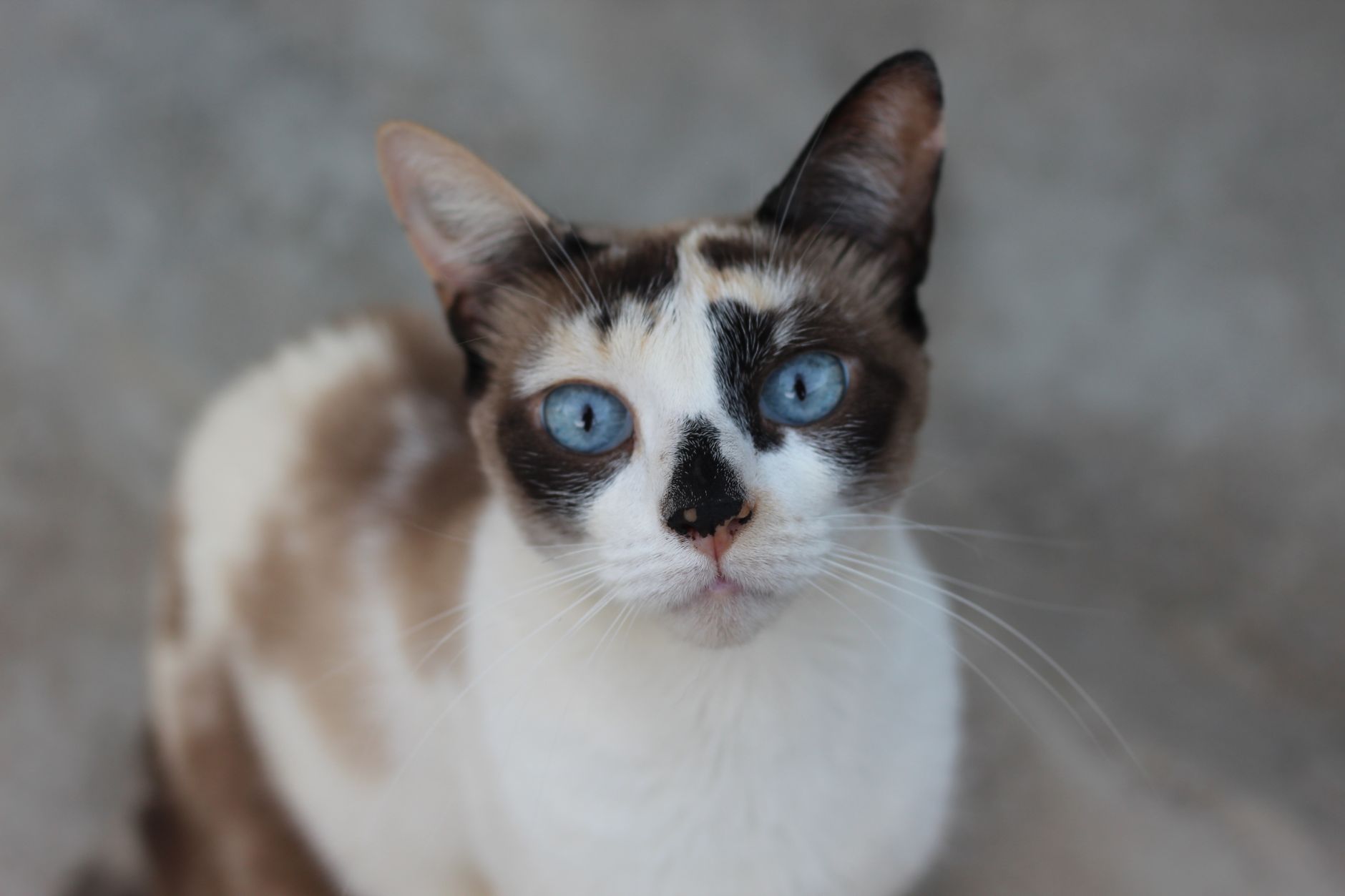
The Mandalay possesses an intense, people-focused personality that mirrors their close relative, the Burmese. They do not merely tolerate human company; they actively crave and demand it, often conversing with a soft, raspy vocalization. In the exam room, they are typically my bravest patients, preferring to explore my stethoscope rather than hide under a blanket. This breed retains an incredibly playful, kitten-like energy well into their senior years.
Is a Mandalay good with other pets?
Yes, they excel in multi-pet households. I highly recommend pairing them with another active cat or a cat-friendly dog to help satisfy their constant need for companionship and play.
How much attention does a Mandalay need?
They require a significant amount of daily interaction. Leaving a Mandalay alone for more than 4 to 6 hours a day without another pet companion can lead to separation anxiety and stress-induced behaviors.
Training & Behavior
Mandalays are highly intelligent and remarkably trainable, often behaving more like dogs than typical felines in their willingness to learn tricks. Because they are food-motivated and eager to engage with their humans, they respond exceptionally well to positive reinforcement and clicker training. What I see most often in practice is that a stimulated Mandalay is a well-behaved Mandalay; training keeps their active minds focused and out of trouble.
Training Tips
- Use high-value, low-calorie treats for immediate positive reinforcement.
- Keep training sessions short and engaging, lasting no more than 5 to 10 minutes.
- Incorporate clicker training to teach complex behaviors like fetching or sitting on command.
- Begin harness and leash training at a young age (around 12 to 16 weeks) to safely expand their boundaries.
- Provide rotating puzzle toys to challenge their problem-solving intelligence.
Fun Activities
- Playing fetch with lightweight crinkle balls or felt mice
- Learning indoor agility courses using household cushions and tunnels
- Supervised outdoor walks on a specialized H-harness
- Interactive puzzle feeders that require sliding or lifting components
- Target training to touch a wand on command
Is a Mandalay easy to train?
Yes, they are among the easiest cat breeds to train. Their high intelligence, curiosity, and desire for human engagement make them excellent candidates for learning commands, fetching, and walking on a harness.
Mandalay Health Issues

While generally robust and long-lived, the Mandalay shares genetic lineages with the Burmese, meaning they are predisposed to several inherited conditions. In my clinical practice, maintaining a healthy weight and monitoring metabolic health are paramount to ensuring a long, high-quality life for these cats.
Hypokalemic Periodic Polymyopathy
An inherited genetic disorder characterized by episodic low blood potassium levels, leading to muscle weakness, particularly in the neck and limbs. I advise checking the genetic status of parent lines before purchasing a kitten.
Diabetes Mellitus
Like their Burmese relatives, Mandalays have an increased genetic predisposition to developing feline diabetes, which affects how their bodies process glucose. Keeping them lean through a high-protein, low-carbohydrate diet is the best preventative measure.
Feline Orofacial Pain Syndrome (FOPS)
A distressing neurological disorder characterized by episodes of intense discomfort in the face and mouth, often triggered by stress or dental disease, causing the cat to compulsively paw at its face.
Arterial Thromboembolism (Saddle Thrombus)
A life-threatening complication associated with underlying hypertrophic cardiomyopathy (HCM), where a blood clot blocks blood flow to the hind legs, causing sudden, severe pain and paralysis.
How long do Mandalays typically live?
With excellent veterinary care and a balanced diet, Mandalays typically live between 12 and 16 years, with many reaching 18 years or older due to their overall hardy constitution.
What to Feed a Mandalay
Mandalays are highly muscular, athletic cats that require a high-protein diet to support their lean muscle mass and active energy levels. Because they are prone to obesity and secondary diabetes, free-feeding is rarely a good option for this breed.
Best Diet
I recommend a high-quality, wet-food-based diet rich in animal proteins (such as chicken, turkey, or rabbit) with minimal carbohydrate fillers. Transitioning from kitten to adult food should occur around 12 months of age, in consultation with your vet.
How to Feed
Feed them on a strict schedule of 2 to 3 measured meals per day rather than leaving kibble out continuously. Utilizing puzzle feeders can slow down their eating and provide vital cognitive stimulation during mealtime.
How Much to Feed
Portion sizes should be tailored to their ideal body weight, typically ranging from 200 to 250 calories per day for an active, 10-pound adult. Always consult your veterinarian to adjust portions based on body condition scoring.
Nutritional Tips
Ensure constant access to fresh water, ideally via a pet fountain, as Mandalays can be picky drinkers, and maintaining high hydration levels supports kidney and urinary tract health.
Mandalay Grooming Guide
The Mandalay’s coat is one of its most stunning features—sleek, satin-like, and incredibly low-maintenance. They are fastidious self-groomers, meaning your hands-on grooming routine will be highly straightforward.
Coat Care
Brush their coat once a week with a rubber grooming mitt or a soft-bristle brush to remove dead hairs and stimulate natural skin oils. This keeps their solid coat looking like polished glass.
Skin Care
Their skin is generally healthy; however, I recommend monitoring for signs of dry skin or allergic dermatitis, which can present as excessive scratching or small scabs.
Eye Care
Wipe the corners of their eyes with a damp, soft cloth if any minor tearing or discharge accumulates, using a clean area of the cloth for each eye to prevent spreading any potential pathogens.
Ear Care
Inspect ears weekly for wax buildup, redness, or a foul odor, cleaning them only when necessary with a vet-approved, gentle ear cleanser and a cotton round.
Nail & Dental Care
Clip their nails every 2 to 3 weeks and establish a daily tooth-brushing routine using feline-formulated enzymatic toothpaste, as they are highly prone to periodontal disease.
Considerations for Pet Parents
Pros
- Extremely loving and loyal ‘velcro’ companions
- Highly intelligent and exceptionally easy to train
- Very low-maintenance grooming requirements
- Highly playful and energetic throughout their lives
- Get along famously with other social pets and children
- Stunning, glossy, solid-colored coats
Cons
- Can develop separation anxiety if left alone too long
- Very vocal and demanding of human attention
- Prone to genetic health issues like Diabetes and Hypokalemia
- Require constant environmental and mental stimulation
Best For
An active, highly attentive household where someone is home for most of the day, or where there are other pets to keep them company. They are perfect for families with children who want an interactive, dog-like cat.
Not Recommended For
Busy professionals who spend long hours away from home, or anyone seeking a quiet, highly independent cat that is content to spend its days sleeping in a corner.
Cost
- purchase price$800 – $1,500 USD
- monthly cost$80 – $150 USD
- initial setupInitial setup costs, including microchipping, spaying/neutering, vaccinations, climbing trees, and essential gear, typically range from $600 to $1,000.
Similar Breeds


Related Cat Guides
Mandalay FAQs
What is the difference between a Mandalay and a Burmese?
The primary difference lies in the coat color genetics. While the Burmese has the sepia pointing gene (resulting in a lighter body and darker points), the Mandalay carries the full-color gene, giving them rich, solid, non-pointed coat colors across their entire body while retaining the exact same body type and temperament.
Are Mandalay cats hypoallergenic?
No, Mandalay cats are not hypoallergenic. They still produce the Fel d 1 protein in their saliva, skin, and dander, though their short, low-shedding coat may cause fewer symptoms in some mild allergy sufferers compared to long-haired breeds.
Do Mandalays get along with dogs?
Yes, they are highly social and confident, making them excellent companions for cat-friendly dogs. In my practice, I frequently see Mandalays playing and sleeping alongside the family dog, often taking the dominant role in the relationship.
Why does my Mandalay vocalize so much?
Mandalays are naturally communicative and use their voices to interact with their owners. They will chirp, meow, and trill to demand food, seek attention, or simply ‘tell you about their day.’ This is a normal, inherent breed trait.
Are Mandalays prone to separation anxiety?
Yes, they are highly prone to separation anxiety due to their intense attachment to their human companions. If left alone for long periods without stimulation or another pet, they may show signs of stress like vocalizing, litterbox lapses, or destructive clawing.
How often should I take my Mandalay to the vet?
I recommend annual wellness exams for adult Mandalays under 7 years old, which should include routine blood work and dental checks. For seniors over 7, semi-annual exams are critical to catch age-related conditions like diabetes or kidney disease early.
Can Mandalays live safely as indoor cats?
Yes, they should absolutely live as indoor-only cats to protect them from infectious diseases, traffic, and predators. However, they must be provided with plenty of vertical spaces, scratching posts, and interactive toys to satisfy their high energy and curiosity indoors.
Is a Mandalay cat lap-oriented?
Yes, but typically on their own terms after they have burned off their excess energy. Once they are done playing, they will eagerly curl up in your lap, chest, or even drape themselves across your shoulders to sleep.
What genetic tests should I ask a Mandalay breeder for?
You should ask for genetic screening results for Hypokalemic Periodic Polymyopathy (Burmese hypokalemia) and confirm that the parent lines have been screened for hypertrophic cardiomyopathy (HCM) via regular veterinary echocardiograms.
Are Mandalay cats prone to dental disease?
Yes, like many shorthair breeds with oriental heritage, they have a higher predisposition to periodontal disease and gingivitis. Daily brushing and routine veterinary dental cleanings are vital to prevent tooth loss and systemic infections.
Do Mandalays retain their playfulness as they age?
Yes, this is one of their most delightful traits. Even well into their double-digit senior years, Mandalays maintain a curious, kitten-like interest in play and will eagerly engage with toys and their owners daily.
Are Mandalays food-motivated?
Extremely so. They will often beg for human food and are highly successful at using their charm to get extra treats. Because of this, it is crucial to manage their caloric intake closely to prevent obesity and associated health risks like diabetes.