
Belgian Tervuren Breed Guide
Quick Summary
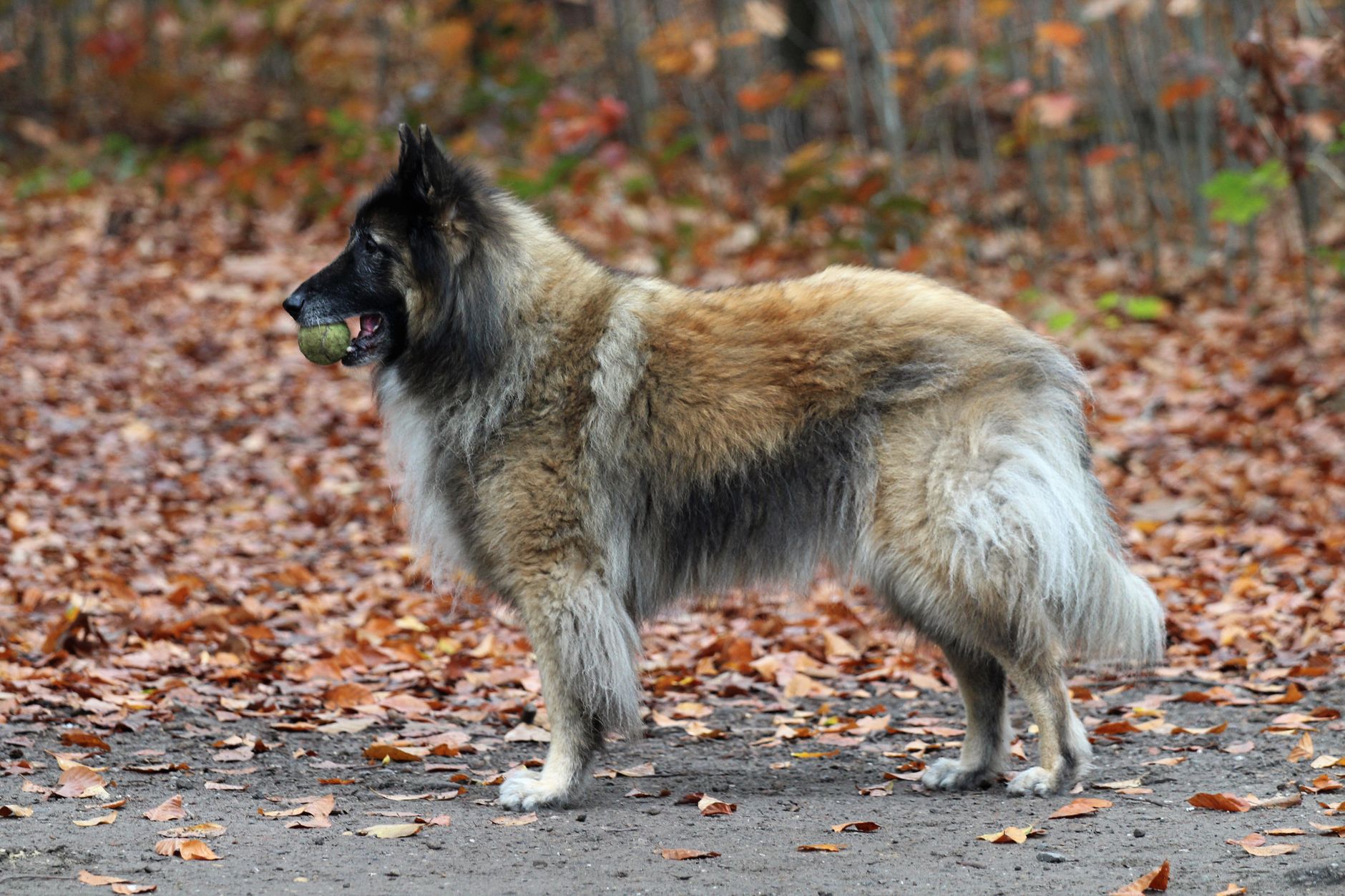
The Belgian Tervuren is an exceptionally intelligent, elegant, and high-energy herding dog best suited for active, experienced owners who can commit to intensive mental and physical engagement. In my clinical experience, these sensitive dogs thrive when given a dedicated job, but they can easily develop anxiety or destructive behaviors if left understimulated. They are intensely loyal protectors that form deep bonds with their primary handlers.
Quick Facts
- origin countryBelgium
- breed groupHerding Group (AKC)
- sizeMedium to Large
- weight range55-75 lbs (males), 45-60 lbs (females)
- height range24-26 inches (males), 22-24 inches (females)
- lifespan12-14 years
- coat typeLong, abundant double coat with a thick ruff and leg feathering
- common colorsRich fawn to russet mahogany with black overlay and a dark mask
- other namesChien de Berger Belge, Tervuren, Terv
- recognized byAKC, UKC, FCI, KC
Caring for a Belgian Tervuren
Living with a Tervuren is a lifestyle commitment, not just pet ownership. In my practice, I notice these dogs operate at a baseline of high alertness, constantly watching their environment and seeking tasks. They require at least two hours of daily physical exercise combined with advanced mental training to prevent boredom-induced neuroses. Their thick double coats need consistent, thorough brushing to prevent matting and manage heavy seasonal shedding.
Is a Belgian Tervuren a good family pet?
Yes, but with caveats. In my years treating this breed, I have seen them become incredibly loyal family protectors, but their intense herding instincts mean they may attempt to nip heels or herd running children. They do best in active households with older, respectful children who understand how to interact with an intense working dog.
Do Belgian Tervurens shed a lot?
Yes, they are heavy shedders. Tervurens shed moderately year-round, but they will completely ‘blow’ their dense undercoats twice a year, during which you will find clumps of fur all over your home. Regular line-brushing down to the skin is mandatory to prevent massive matting.
Is a Belgian Tervuren good for first-time owners?
I strongly advise against this breed for novice owners. Because they are highly sensitive and possess an intense drive, any mistakes in early socialization or training can result in severe fear-aggression or extreme reactivity. They require a confident, experienced handler who understands working-dog psychology.
Temperament & Personality
The Tervuren is a masterclass in canine intelligence, sensitivity, and vigilance. I always describe them to my clients as ‘hyper-aware’—they read human body language with astonishing accuracy and react instantly to changes in their environment. They are deeply affectionate and protective of their families, but naturally aloof, cautious, and observant around strangers. This sensitivity means they do not handle harsh corrections well; they need positive, structured guidance.
Is a Belgian Tervuren good with other pets?
They can co-exist beautifully with other household pets if raised together from puppyhood. However, their high prey drive means they may chase smaller animals, and their herding drive can annoy other dogs who do not appreciate being gathered or controlled.
How much attention does a Belgian Tervuren need?
They require a massive amount of direct engagement and thrive on being ‘velcro’ dogs. In my clinical experience, Tervurens left alone in a backyard for long periods are highly prone to developing obsessive-compulsive behaviors, pacing, and barrier frustration.
Training & Behavior
Tervurens are among the most trainable dogs in the world, often excelling in search and rescue, agility, and competitive obedience. They learn new commands within a few repetitions, but they require creative training sessions to keep from getting bored. Because they are highly cooperative but sensitive, they shut down under heavy-handed or punitive training methods, requiring rewards-based, positive reinforcement.
Training Tips
- Use clicker training and positive reinforcement.
- Keep training sessions short, dynamic, and varied.
- Focus heavily on early, positive socialization to strangers.
- Redirect herding or nipping behaviors early with toys.
- Establish clear, consistent boundaries from day one.
Fun Activities
- Agility training
- Herding trials
- Scent work and tracking
- Competitive obedience
- Flyball
- Canicross or skijoring
Is a Belgian Tervuren easy to train?
Physically and cognitively, yes, they are exceptionally easy to train. However, their extreme speed, reactivity, and high intelligence mean they can easily train you if you are not precise. They will quickly learn how to bypass your rules if they find a loophole.
Belgian Tervuren Health Issues
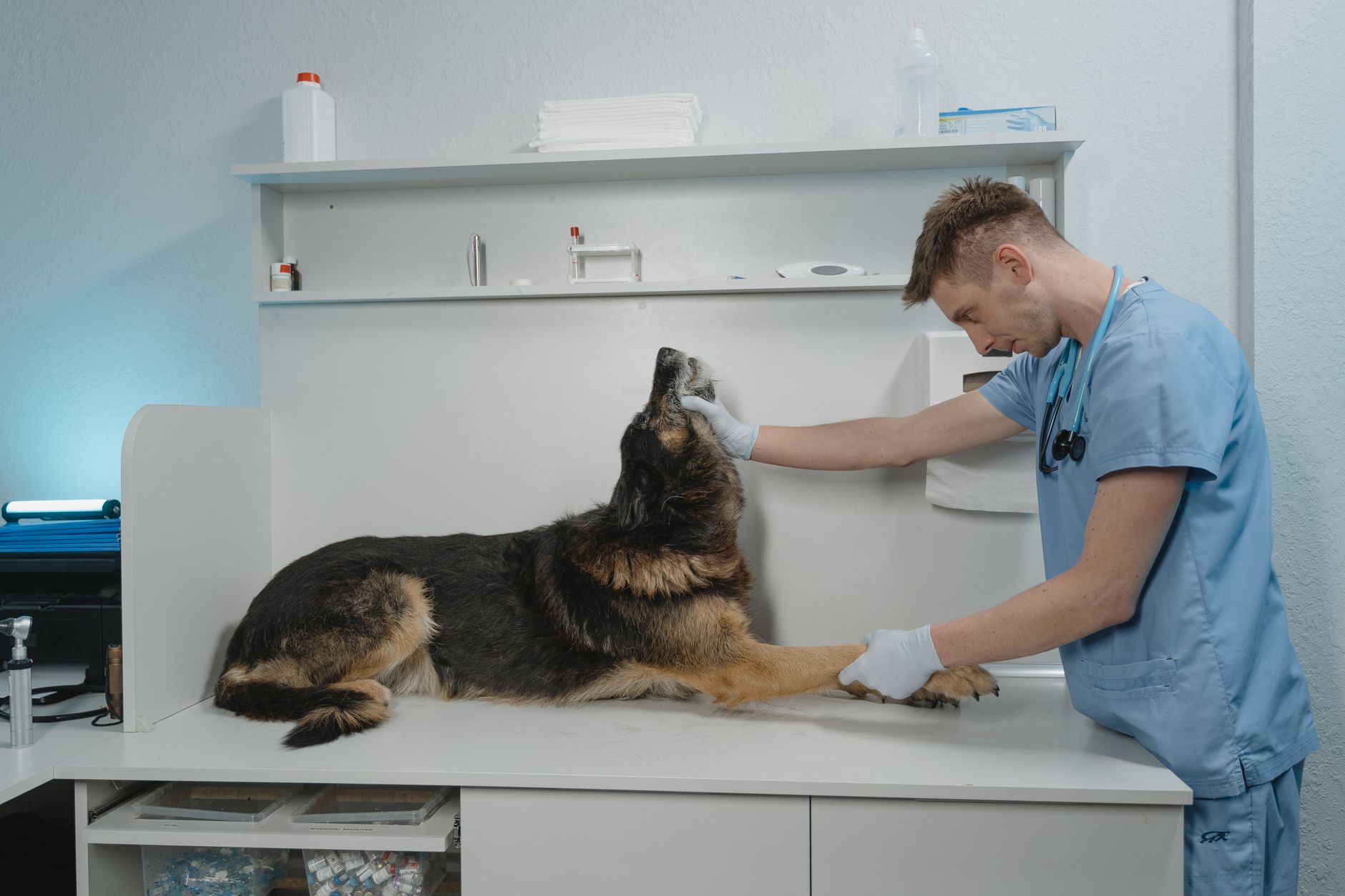
The Belgian Tervuren is generally a robust, athletic breed with a respectable lifespan for a large dog, but they are genetically predisposed to several significant hereditary conditions. In my practice, I always emphasize proactive screening and early detection to manage these risks effectively.
Hip and Elbow Dysplasia
An inherited orthopedic condition where the joints develop abnormally, leading to painful arthritis, joint laxity, and eventual lameness.
Idiopathic Epilepsy
A neurological condition causing unprovoked, recurring seizures that typically manifests between 1 and 5 years of age.
Progressive Retinal Atrophy (PRA)
A genetic ocular disease causing bilateral, progressive degeneration of the retina, eventually leading to complete blindness.
Gastric Dilatation-Volvulus (GDV or Bloat)
A life-threatening medical emergency where the stomach fills with gas and twists on its axis, cutting off blood supply.
Hypothyroidism
An underactive thyroid gland leading to an inadequate production of thyroid hormones, slowing the dog’s metabolism.
How long do Belgian Tervurens typically live?
A healthy Belgian Tervuren typically lives between 12 and 14 years. Providing a high-quality diet, maintaining a lean body condition to protect their joints, and keeping up with regular veterinary wellness exams are key to maximizing their lifespan.
What to Feed a Belgian Tervuren
Tervurens are high-metabolism athletes that require nutrient-dense fuel to support their daily energy expenditures. Feeding plans must be carefully balanced to prevent excessive weight gain, which puts dangerous pressure on their joints and elevates dysplasia risks.
Best Diet
An active-breed or working-dog formulation rich in high-quality animal proteins and complex carbohydrates is ideal. For puppies, it is critical to feed a large-breed puppy formula to ensure controlled, steady skeletal growth.
How to Feed
I recommend dividing their daily intake into two equal meals. To reduce the risk of life-threatening Bloat (GDV), never feed them immediately before or after vigorous exercise, and avoid using elevated bowls unless specifically directed by your vet.
How Much to Feed
Adult Tervurens generally require 2 to 3.5 cups of high-quality kibble daily, depending heavily on their activity levels and age. Owners must monitor their body condition score closely and adjust portion sizes in consultation with their veterinarian.
Nutritional Tips
Incorporating omega-3 fatty acids (like wild-caught fish oil) into their diet helps support their joint health and maintains the brilliant shine of their abundant double coat.
Belgian Tervuren Grooming Guide
The Tervuren’s double coat is their crowning glory, but keeping it beautiful takes consistent effort. Grooming is a great way to bond, but it requires the right tools, including a high-quality slicker brush, an undercoat rake, and a steel comb.
Coat Care
Brush the coat thoroughly at least two to three times a week, increasing to daily brushing during their biannual shedding seasons. Line-brushing is essential to reach the dense undercoat beneath the long guard hairs.
Skin Care
Bathe them only when necessary, typically every 6 to 8 weeks, to avoid stripping the natural protective oils from their skin and coat. Always dry them completely with a high-velocity dryer to prevent hot spots.
Eye Care
Monitor their eyes weekly for any cloudiness, squinting, or excessive discharge, which could be early clinical signs of genetic ocular issues like PRA.
Ear Care
Inspect their ears weekly for redness, debris, or a sweet/musty odor, cleaning them with a veterinarian-approved, pH-balanced ear cleaner if wax buildup is present.
Nail & Dental Care
Trim their nails every 2 to 3 weeks to prevent splayed feet and structural joint strain. Brush their teeth at least three times a week with canine-safe enzymatic toothpaste.
Considerations for Pet Parents
Pros
- Exceptional intelligence and unmatched trainability.
- Incredibly loyal, devoted, and protective family companions.
- Outstanding athletes for canine sports and outdoor adventures.
- Beautiful, striking appearance with a proud carriage.
- Naturally vigilant and excellent watchdogs.
Cons
- Extremely high physical and mental stimulation requirements.
- Heavy year-round and seasonal shedding.
- Prone to separation anxiety and obsessive behaviors if understimulated.
- Strong herding instinct can lead to chasing and nipping.
- Can be overly sensitive, shy, or reactive if not socialized early.
Best For
This breed is best for active, highly structured households where someone is home most of the day. They thrive with experienced owners, sport competitors, or outdoor enthusiasts who can integrate the dog into their daily physical activities.
Not Recommended For
I do not recommend the Tervuren for apartment living, busy families with very young children, or owners who work long hours away from home. They will not tolerate a sedentary lifestyle or lack of daily mental engagement.
Cost
- purchase price$1,500 – $2,500
- monthly cost$150 – $250
- initial setupInitial costs include high-quality crates, professional grooming tools, puppy vaccinations, and pet insurance, totaling approximately $1,500 – $2,500.
Similar Breeds

Belgian Malinois
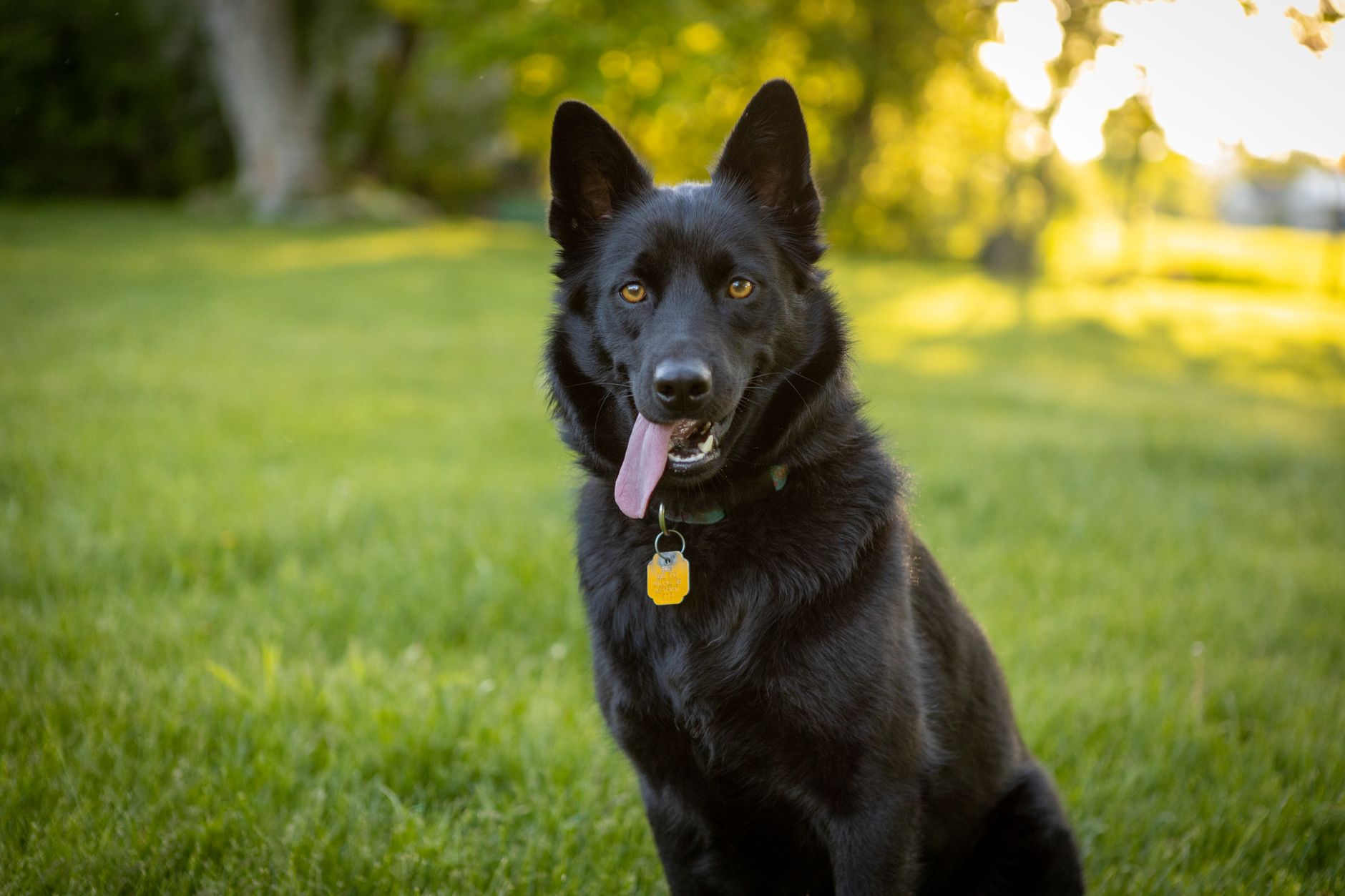
Belgian Sheepdog (Groenendael)
Belgian Tervuren FAQs
What is the difference between a Belgian Tervuren and a Belgian Malinois?
While they share the same Belgian herding ancestry, the primary difference is their coat. The Tervuren has a long, abundant double coat with rich fawn to mahogany coloring and black overlay, while the Malinois has a short, smooth coat. Temperamentally, Tervurens are often considered slightly more elegant and sensitive, whereas Malinois tend to have a more intense, direct drive.
Do Belgian Tervurens bark a lot?
Yes, Tervurens can be highly vocal. Because of their herding heritage and high vigilance, they will bark to alert you of any changes in their environment, and they may bark out of sheer excitement or frustration if their mental energy isn’t channeled correctly.
Are Tervurens prone to separation anxiety?
Yes, they are highly prone to separation anxiety. Because they form intensely close bonds with their handlers, they do not do well when left alone for long periods, often expressing their distress through destructive chewing, howling, or self-mutilation.
How do Tervurens behave around strangers?
By nature, Tervurens are watchful, aloof, and naturally reserved around strangers. Without intensive, positive socialization during puppyhood, this natural reserve can easily slide into fear, reactivity, or defensive aggression.
Do Belgian Tervurens change color as they age?
Yes, Tervuren coat colors evolve significantly. Puppies are often born with lighter coats, and as they mature, the black overlay increases and deepens, particularly on the shoulders, back, and mask. Male Tervurens generally become much darker than females as they reach full maturity.
Can a Belgian Tervuren live in an apartment?
I generally advise against keeping a Tervuren in an apartment. While it is theoretically possible if the owner spends hours exercising the dog outside daily, their sensitivity to noise and defensive instincts mean they can easily become stressed and vocal in busy apartment complexes.
Is the Belgian Tervuren aggressive?
They are not inherently aggressive, but they are highly protective and sensitive. If they are under-socialized, poorly trained, or subjected to harsh physical punishments, they can develop defensive aggression out of fear or territoriality.
Are they easy to housebreak?
Yes, their extreme intelligence and desire to cooperate make them very easy to housebreak. Consistent crate training and a reliable routine usually yield very rapid results with a Tervuren puppy.
How do you stop a Tervuren from herding or nipping heels?
This is a instinctual behavior that must be redirected early. You should never run from them when they nip; instead, stop moving immediately to make yourself ‘boring’ and redirect their focus onto an appropriate herding toy, like a Jolly Ball or a frisbee.
What is the ‘Tervuren ruff’?
The ruff is a heavy, thick collar of longer hair around the neck that is especially prominent in male Tervurens. It gives them a lion-like, majestic appearance and served historically as physical protection against predators and harsh Belgian weather.
Do they drool a lot?
No, Tervurens are a clean-mouthed breed with tight lips. They do not drool excessively unless they are anticipating food, panting heavily after intense exercise, or experiencing nausea.
Are Tervurens prone to allergies?
In my clinical practice, I do see Tervurens present with environmental and flea-bite allergies, which manifest as itchy skin (atopic dermatitis), frequent scratching, and recurrent ear infections. Routine parasite prevention is essential.
Sources & Further Reading
- American Kennel Club (AKC)
- Merck Veterinary Manual
- American Veterinary Medical Association (AVMA)
- PetMD