
Gordon Setter Breed Guide

Quick Summary
The Gordon Setter is a handsome, deeply loyal, and robust Scottish gundog known for its striking black-and-tan coat and steady, purposeful demeanor. As a veterinarian, I find they are best suited for active, outdoor-loving households prepared to manage their high exercise needs and prevent common large-breed health issues like bloat and joint dysplasia.
Quick Facts
- origin countryScotland
- breed groupSporting
- sizeLarge
- weight range45 to 80 lbs
- height range23 to 27 inches
- lifespan10 to 12 years
- coat typeDouble coat; soft, shiny, flat or slightly waved with elegant feathering
- common colorsBlack and tan
- other namesBlack and Tan Setter
- recognized byAKC, UKC, KC, FCI
Caring for a Gordon Setter
Living with a Gordon Setter means embracing a high-energy lifestyle paired with dedicated grooming routines. In my practice, I find these dogs thrive when they have at least 60 to 90 minutes of vigorous daily exercise, coupled with mental stimulation to prevent destructive behaviors. They are intensely devoted to their families, meaning they do not tolerate being left alone in a backyard for long periods. Expect to spend significant time brushing out their feathered coats to prevent painful matting.
Is a Gordon Setter a good family pet?
Yes, they make exceptional family companions for active households due to their intensely loyal, protective, and affectionate nature. However, because of their large size and energetic play, I advise monitoring them closely around toddlers to prevent accidental knock-downs.
Do Gordon Setters shed a lot?
They are moderate to heavy shedders, especially during seasonal transitions in spring and fall. Regular brushing at least three times a week is essential to manage loose undercoat hair and keep their feathers tangle-free.
Is a Gordon Setter good for first-time owners?
Generally, I do not recommend Gordons for novice owners because their independent nature and high exercise demands require consistent, experienced handling. A first-time owner can succeed, but they must commit heavily to professional training and an active lifestyle.
Temperament & Personality
Gordons are often described as the most serious and protective of the setter breeds, showing immense devotion to their immediate circle while remaining aloof with strangers. In my clinic, I notice they have a strong family bond that makes them natural watchdogs, though they are never needlessly aggressive. They possess a steady, dignified temperament but retain a puppy-like playfulness until they fully mature around three years of age.
Is a Gordon Setter good with other pets?
Gordons usually coexist peacefully with other household dogs if socialized early, but their strong prey drive means they may chase small animals like cats. In my experience, raising them alongside cats from puppyhood is the most reliable way to ensure domestic harmony.
How much attention does a Gordon Setter need?
They require a high level of daily interaction and do not do well when isolated from their family. If left alone for long stretches, they are prone to developing separation anxiety and destructive chewing habits.
Training & Behavior
Training a Gordon Setter requires patience and a firm but gentle hand, as they are sensitive dogs that shut down under harsh correction. In my years of clinical practice, I have observed that they respond best to positive reinforcement techniques like clicker training and high-value food rewards. Because they possess a strong hunting instinct, reliable recall training must be established early and practiced consistently in secure areas.
Training Tips
- Start socialization before 16 weeks of age
- Use positive reinforcement; avoid harsh physical corrections
- Keep training sessions short, engaging, and varied
- Prioritize a bulletproof recall command from day one
- Establish firm, consistent household boundaries early
Fun Activities
- Field trials and hunt tests
- Agility training
- Scent work and tracking
- Canicross or hiking
- Dock diving
Is a Gordon Setter easy to train?
They are highly intelligent but possess an independent, sometimes stubborn streak that can challenge trainers. They learn quickly but will lose interest or refuse to cooperate if they find the repetition boring or the trainer’s tone too harsh.
Gordon Setter Health Issues
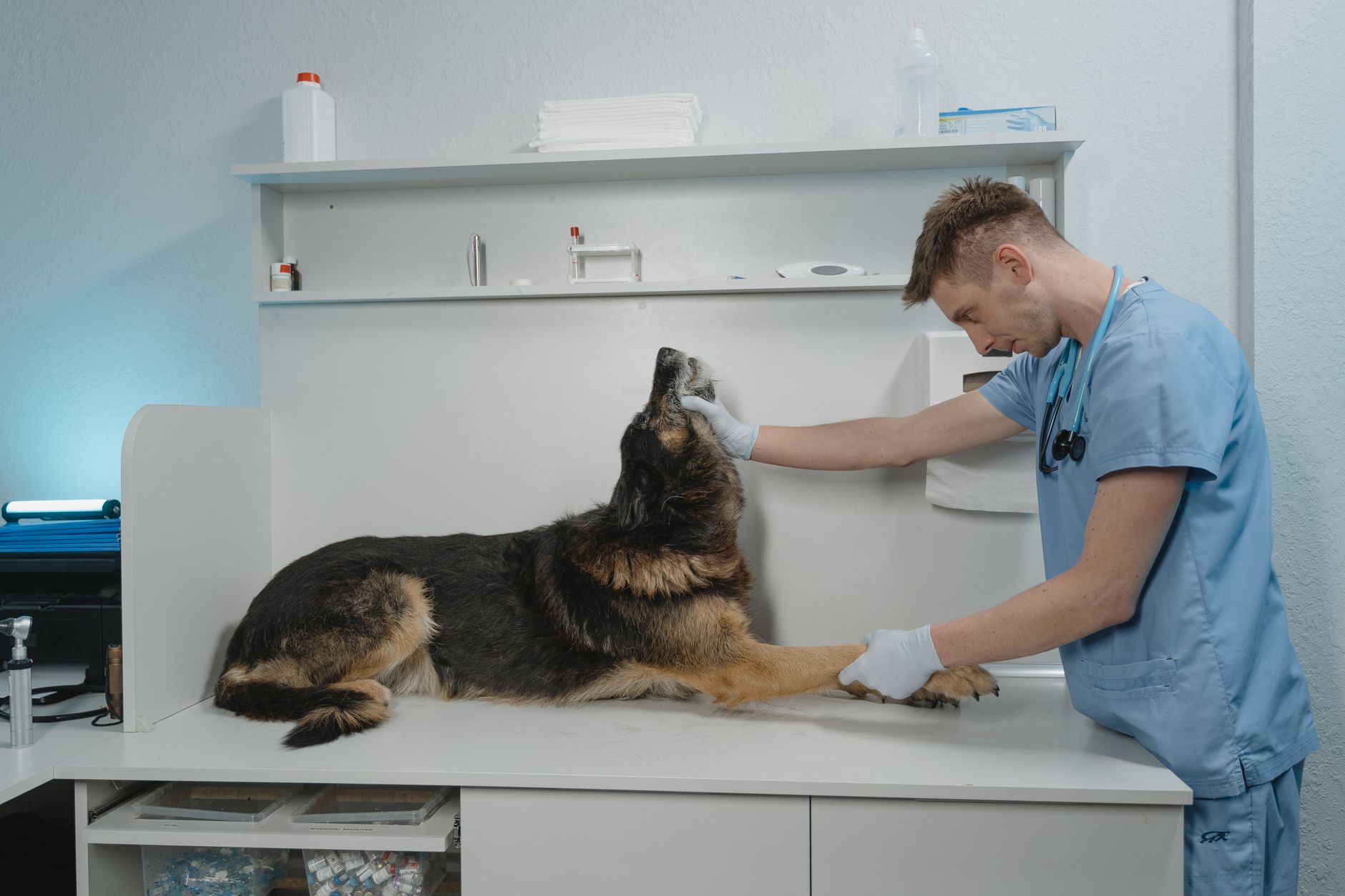
While Gordon Setters are generally robust, they are genetically predisposed to several significant hereditary conditions. In my practice, I emphasize proactive screening and preventative care, particularly regarding gastric dilatation-volvulus (bloat) and orthopedic development, to ensure they reach their full lifespan.
Gastric Dilatation-Volvulus (GDV / Bloat)
A life-threatening emergency where the stomach fills with gas and twists on its axis, cutting off blood supply. This is the leading cause of non-accidental death in the breed, exacerbated by their deep-chested conformation.
Hip and Elbow Dysplasia
Genetic developmental conditions where the joint structures do not fit together perfectly, leading to progressive, painful arthritis. I highly recommend ensuring parents have passing OFA or PennHIP clearances before buying.
Progressive Retinal Atrophy (PRA)
An inherited ocular disease causing the slow, painless degeneration of the retina, eventually leading to complete blindness. DNA testing is available and should be performed on breeding stock to prevent this.
Hypothyroidism
An endocrine disorder where the thyroid gland produces insufficient hormone, slowing down the dog’s metabolism. It is easily managed with daily, inexpensive oral hormone replacement therapy.
Otitis Externa (Ear Infections)
Because of their long, heavy, drop ears, moisture and debris easily become trapped inside the ear canal, creating a perfect breeding ground for yeast and bacterial infections.
How long do Gordon Setters typically live?
With proper nutrition, regular exercise, and diligent veterinary care, Gordon Setters typically live between 10 and 12 years. Some can reach 13 or 14 years when managed carefully for obesity and joint health.
What to Feed a Gordon Setter
Feeding a Gordon Setter requires a careful balance to support their high energy levels while preventing rapid growth in puppies and bloat in adults. I advise owners to feed a high-quality, large-breed formula that supports joint health and maintains an optimal body condition score of 4 or 5 out of 9.
Best Diet
Adult Gordons benefit from a high-protein, moderate-fat diet designed for active large breeds, containing added glucosamine and chondroitin. For puppies, it is clinically critical to feed a large-breed puppy formula to regulate calcium-phosphorus ratios and prevent developmental orthopedic diseases.
How to Feed
To mitigate the risk of GDV, always split their daily food allowance into at least two, preferably three, smaller meals. I strictly recommend using a slow-feeder bowl and keeping the dog calm for at least one hour before and after eating.
How Much to Feed
Portion sizes generally range from 3 to 4.5 cups of high-quality dry kibble daily, but this varies dramatically based on age, metabolism, and activity level. You should consult your veterinarian to calculate your specific dog’s daily caloric requirement.
Nutritional Tips
Incorporate dietary sources of omega-3 fatty acids (like wild-caught fish oil) to support their dense double coat and manage systemic joint inflammation. Avoid grain-free diets unless specifically diagnosed with an allergy and recommended by a veterinary cardiologist, due to potential links to canine dilated cardiomyopathy (DCM).
Gordon Setter Grooming Guide
The Gordon’s stunning black-and-tan coat demands consistent, hands-on maintenance to prevent severe matting and skin infections. In my clinic, I frequently see Gordons with painful mats behind their ears and in the feathering of their legs, which could have been avoided with regular grooming.
Coat Care
Brush the coat thoroughly at least three times a week using a slicker brush and a metal greyhound comb to work through the undercoat and feathers. Professional grooming or trimming of the feet, ears, and tail feathering is recommended every 6 to 8 weeks.
Skin Care
Bathe them every 4 to 6 weeks using a high-quality, soap-free oatmeal shampoo to preserve natural skin oils. Always dry their heavy double coat completely after a bath or swimming to prevent hot spots.
Eye Care
Gordons are prone to mild ectropion (drooping eyelids), so wipe their eyes daily with a damp, clean cloth to remove discharge and prevent tear staining or irritation.
Ear Care
Inspect and clean their drop ears weekly using a veterinarian-approved, drying ear cleanser to remove wax buildup and prevent yeast overgrowth. Pluck or trim excess hair around the ear canal entrance to maximize air circulation.
Nail & Dental Care
Trim their nails every 3 to 4 weeks using a grinder or clippers to prevent splayed feet and structural joint strain. Brush their teeth at least three times a week with veterinary enzymatic toothpaste to combat periodontal disease.
Considerations for Pet Parents
Pros
- Intensely loyal and protective of their families
- Stunningly beautiful and unique coat appearance
- Excellent hunting, tracking, and outdoor companion
- Highly intelligent and capable of advanced training
- Generally quieter and calmer indoors than other setters
- Dignified and alert, making a natural watchdog
Cons
- High daily exercise and mental stimulation demands
- Prone to life-threatening bloat (GDV)
- Significant grooming needs to prevent painful mats
- Can be aloof or suspicious of strangers if under-socialized
- Matures slowly, retaining puppy behaviors for up to three years
Best For
An active, outdoorsy family or individual with previous dog-owning experience, who can dedicate significant daily time to intensive physical exercise, regular coat grooming, and consistent, positive obedience training.
Not Recommended For
Sedentary households, apartment dwellers without easily accessible yard space, or busy owners who must leave their dog home alone for more than 4-5 hours a day, which can trigger severe separation anxiety.
Cost
- purchase price$1,500 to $2,500
- monthly cost$150 to $250
- initial setupExpect to spend $1,000 to $1,500 initially for large-breed crates, veterinary-grade grooming tools, high-quality gear, preventative veterinary care, and professional training classes.
Similar Breeds


Gordon Setter FAQs
Are Gordon Setters good with children?
Generally, yes. They are very patient and protective of their family’s children. However, because of their large size and exuberant nature as puppies, I always recommend supervising them around toddlers to prevent accidental tipping.
How much exercise does a Gordon Setter need daily?
They require at least 60 to 90 minutes of vigorous daily exercise. This should include off-leash running in a secure area, brisk hiking, or mental tasks like retrieving and scent work rather than just simple neighborhood walks.
Do Gordon Setters bark a lot?
They are not nuisance barkers by nature, but they will bark to alert you of strangers approaching their territory. If they are bored or suffering from separation anxiety, they can develop persistent barking habits.
What is the difference between a Gordon Setter and an Irish Setter?
Gordons are heavier, more muscular, and possess a more protective, aloof temperament compared to the light, highly social Irish Setter. They also have a distinct black-and-tan coat, whereas Irish Setters are solid red or mahogany.
Are Gordon Setters prone to separation anxiety?
Yes, because they form incredibly tight bonds with their families, they are highly prone to separation anxiety if left alone for extended periods. Early crate training and step-by-step independence training are vital to prevent this.
Can Gordon Setters live in apartments?
While possible if their exercise needs are aggressively met, it is generally not recommended. They thrive best in homes with a large, securely fenced yard where they can safely stretch their legs and explore.
Do they have a strong prey drive?
Yes, as a historic hunting breed, they have a strong instinct to chase birds, squirrels, and small animals. Keeping them on a leash or in a securely fenced yard is critical to prevent them from running off after prey.
At what age do Gordon Setters fully mature?
They are a slow-maturing breed, both physically and mentally. They often retain their goofy, energetic puppy-like behavior and do not fully settle into their adult temperament until they are around 3 years old.
Are Gordon Setters hypoallergenic?
No, they are not. They shed their double coats moderately year-round and heavily twice a year, releasing dander and saliva allergens into the environment, which can trigger symptoms in allergy sufferers.
Can they be left off-leash?
Only in safely enclosed, fenced areas. Due to their deep-rooted hunting instincts and tendency to follow their noses, even a well-trained Gordon may ignore recall commands if they catch an enticing scent.
How do they handle hot or cold weather?
They tolerate cold weather exceptionally well thanks to their dense double coats. However, they can overheat quickly in hot, humid climates, so I advise limiting strenuous exercise during the heat of summer days.
What health screenings should I ask a breeder for?
You should ask for official OFA or PennHIP clearances for hips and elbows, an eye clearance certificate from the Canine Eye Registration Foundation (CERF), and DNA test results for Progressive Retinal Atrophy (PRA-rcd4).
Why is my Gordon Setter’s coat turning brown or rusty?
A rusty hue in their black coat can be caused by prolonged sun exposure, nutritional deficiencies, or dead undercoat hair that needs to be brushed out. If a diet change doesn’t help, consult your vet to rule out thyroid issues.
Are they prone to skin allergies?
Yes, in my clinical practice, I see quite a few Gordons with environmental or food-related allergies. This often manifests as chronic ear infections, obsessive paw licking, or recurrent hot spots on their skin.