
American Hairless Terrier Breed Guide
Quick Summary
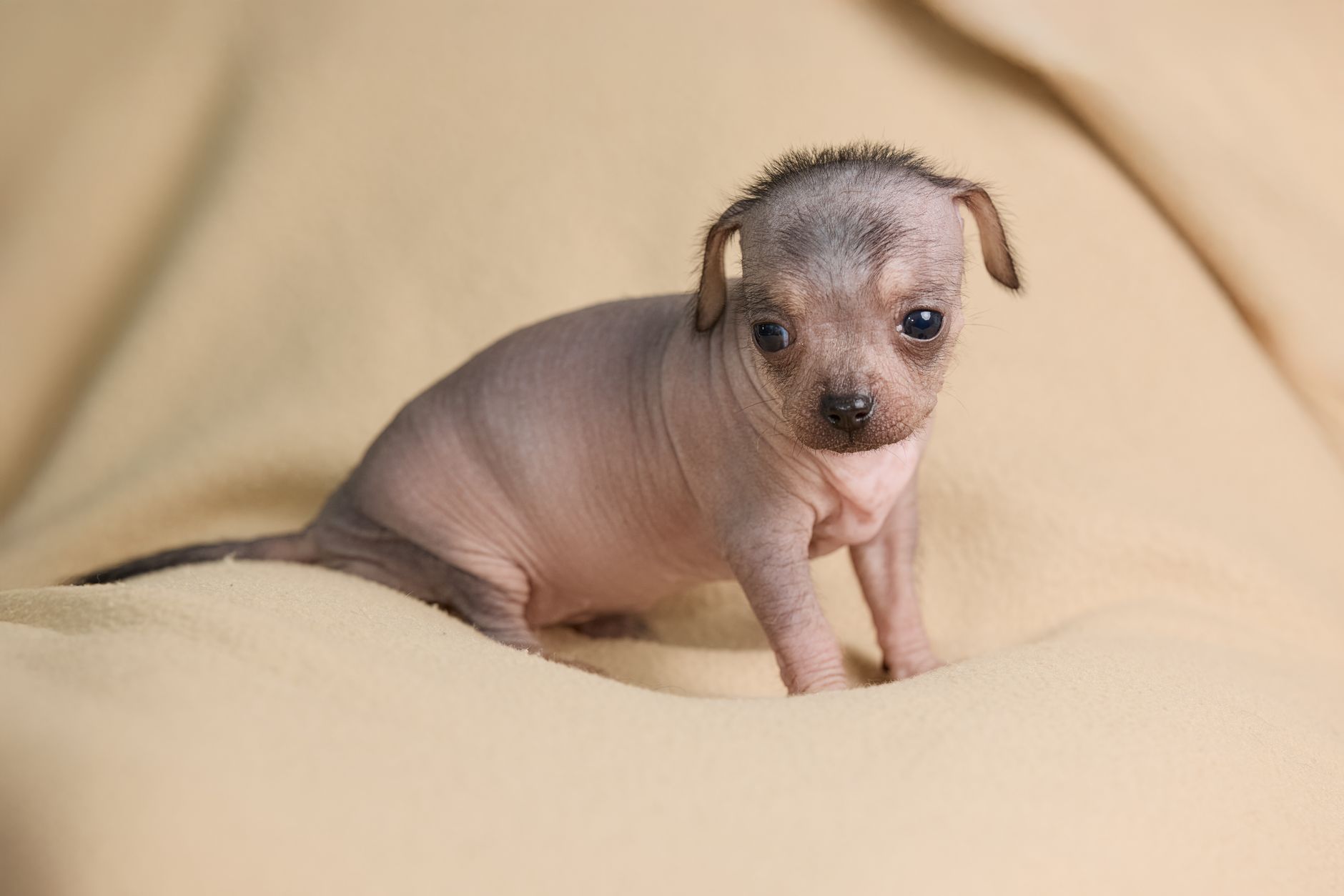
The American Hairless Terrier is a lively, highly intelligent, and affectionate companion that packs the spirited drive of a true working terrier into a unique, allergen-friendly package. Ideal for active individuals and families, this breed is completely shed-free but requires dedicated daily skin protection and indoor-focused environmental management. In my years treating this breed, I have found them to be incredibly loyal, highly trainable partners for those willing to commit to their unique care routine.
Quick Facts
- origin countryUnited States
- breed groupTerrier Group
- sizeSmall
- weight range12 to 16 pounds
- height range12 to 16 inches
- lifespan14 to 16 years
- coat typeHairless (recessive hairless gene; coated variety also exists)
- common colorsBlack, blue, chocolate, apricot, or red, often spotted or multi-colored
- other namesAHT
- recognized byAKC, UKC
Caring for a American Hairless Terrier
In my practice, living with an American Hairless Terrier means balancing their high energy with strict environmental management. Because they lack a protective coat, they cannot be left outdoors unsupervised and require sunscreen or UV-protective clothing for every daytime walk. Inside, they are busy, inquisitive dogs that will actively seek out your lap or a warm sunbeam, requiring consistent mental engagement to prevent nuisance barking.
Is a American Hairless Terrier a good family pet?
Yes, they make excellent family pets due to their affectionate nature and love for human interaction. However, I advise monitoring them closely around toddlers because their lack of protective fur makes them highly vulnerable to scratches and skin tears during rough play.
Do American Hairless Terriers shed a lot?
The hairless variety does not shed at all, making them a popular choice for dander-sensitive owners. Keep in mind that while they do not drop hair, they still shed minor skin dander and saliva proteins, meaning highly sensitive individuals should spend time around the breed first.
Is a American Hairless Terrier good for first-time owners?
They can be, provided the owner is fully prepared for the daily reality of canine skin care and the typical stubborn streak of the terrier group. I often warn beginners that these are not low-maintenance ‘velcro’ dogs; they are active, intelligent working dogs in a hairless suit.
Temperament & Personality
The AHT is a classic terrier: alert, spunky, and intensely curious. Unlike some of their more independent terrier cousins, however, they are exceptionally eager to please and form deep, almost clingy bonds with their owners. They possess a strong prey drive but are generally more cooperative and responsive to training than many other terrier breeds I treat in my clinic.
Is a American Hairless Terrier good with other pets?
With proper socialization, they can cohabitate wonderfully with other dogs, but their innate terrier prey drive means they are generally not safe around small pocket pets like hamsters or rabbits. I always caution owners to manage introductions to family cats carefully from a young age.
How much attention does a American Hairless Terrier need?
They require a significant amount of human interaction and do not do well when left alone for long stretches of 8 hours or more. In my clinic, I frequently see separation anxiety develop in AHTs whose owners work long hours without providing midday mental or physical breaks.
Training & Behavior
Training an AHT is highly rewarding because of their keen intelligence and desire to cooperate. However, they possess a short attention span and will check out if training sessions become repetitive or overly harsh. I recommend utilizing positive reinforcement, high-value food rewards, and short, fast-paced training sessions of 5 to 10 minutes to keep them engaged.
Training Tips
- Use positive reinforcement with high-value, low-calorie training treats.
- Keep obedience sessions short, engaging, and highly varied to prevent boredom.
- Begin socialization within the first 12 to 16 weeks of life to prevent fear-based reactivity.
- Train a highly reliable ‘recall’ command early to manage their high prey drive.
Fun Activities
- Agility trials
- Barn Hunt trials
- Trick dog training
- Scent work
- Interactive puzzle games inside the home
Is a American Hairless Terrier easy to train?
Yes, compared to other terrier breeds, they are remarkably cooperative and quick to learn. They respond progress-wise to clicker training and positive reinforcement, though you must stay consistent to outsmart their natural terrier independence.
American Hairless Terrier Health Issues
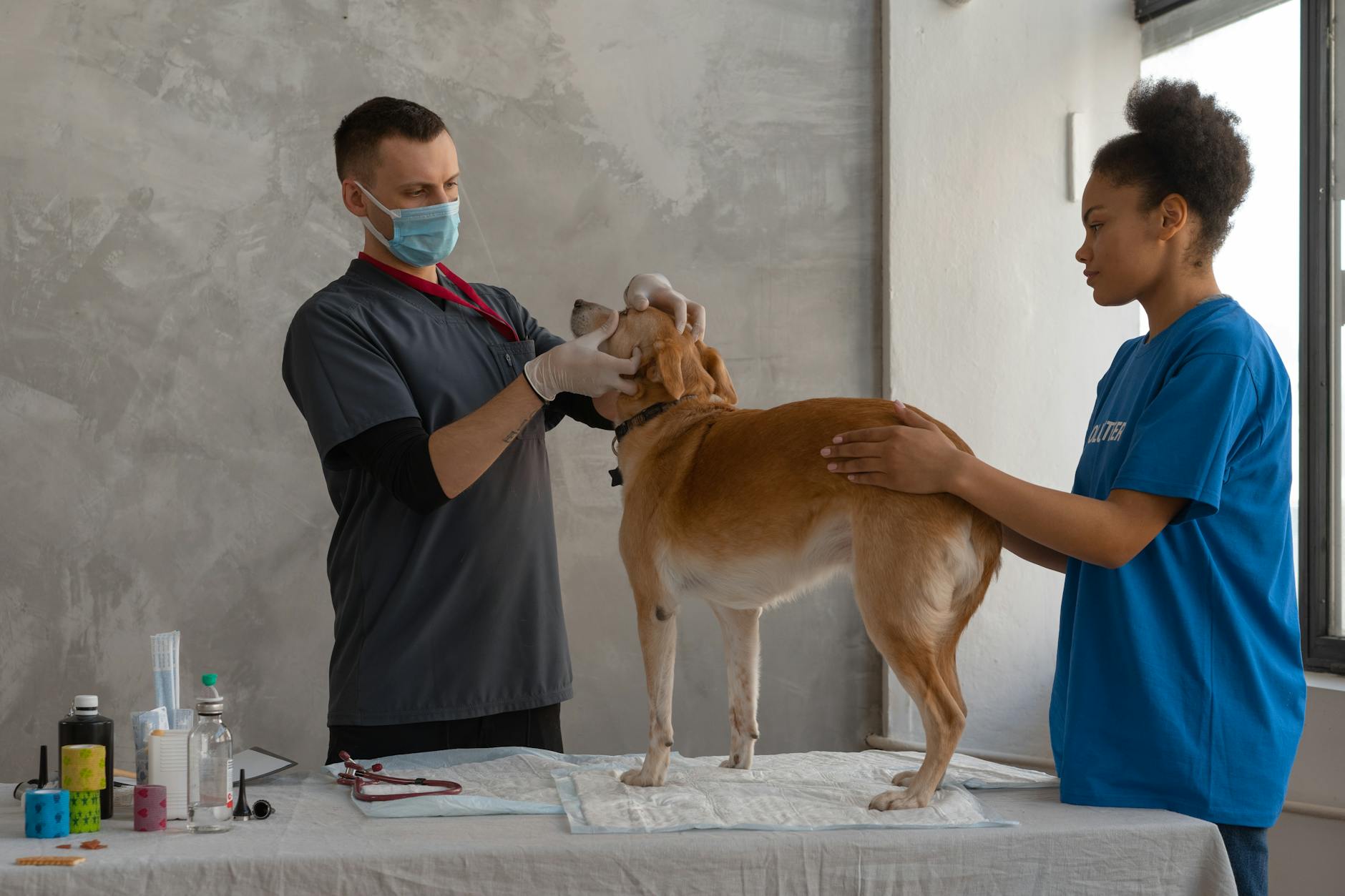
The American Hairless Terrier is generally a robust, healthy breed with a long lifespan, but their lack of a protective coat leaves them highly susceptible to environmental hazards. Unlike dominant hairless breeds like the Chinese Crested, their hairlessness is recessive, meaning they do not typically suffer from the congenital missing teeth or abnormal dentition common in those breeds.
Sunburn and Photosensitivity
Without protective fur to block ultraviolet radiation, these dogs can suffer severe sunburns within 15-20 minutes of direct exposure. Over time, chronic sun damage can lead to solar keratosis and highly malignant squamous cell carcinoma. In my practice, I emphasize that daily sun protection is a medical necessity, not an aesthetic choice.
Patellar Luxation
This is an inherited orthopedic condition where the patella (kneecap) slips out of its anatomical groove. In AHTs, it is typically a medial luxation that can lead to early-onset osteoarthritis and cruciate ligament tears if left untreated. Weight management and regular joint supplements are critical preventive tools.
Primary Lens Luxation (PLL)
PLL is a painful genetic disorder where the fibers holding the eye’s lens in place weaken and disintegrate, causing the lens to luxate into the anterior or posterior chamber. This displacement obstructs fluid drainage, triggering secondary glaucoma and permanent blindness within 24 to 48 hours.
Demodectic Mange
Because they lack a coat to protect their skin barrier, AHTs are highly susceptible to overgrowths of the Demodex mite. This typically happens during puppyhood when the immune system is still developing, or in senior dogs with underlying systemic disease.
Legg-Calve-Perthes Disease
This is a degenerative disease of the hip joint seen in young, toy, and small breed dogs, characterized by the aseptic necrosis of the femoral head. As the bone degrades, it causes collapse of the joint and severe pain. Surgical intervention, typically a femoral head ostectomy (FHO), is generally required to restore pain-free mobility.
How long do American Hairless Terriers typically live?
American Hairless Terriers are long-lived dogs, typically enjoying a lifespan of 14 to 16 years. To maximize their healthy years, focus on keeping them at a lean body condition to protect their joints, alongside regular veterinary dental cleanings.
What to Feed a American Hairless Terrier
An AHT’s metabolic rate can be slightly higher than that of coated breeds of similar size, as they burn extra calories just to regulate their body temperature. Therefore, nutrition must be carefully calibrated to avoid both under-fueling and obesity, which puts undue stress on their small joints.
Best Diet
A high-quality, biologically appropriate commercial kibble formulated for small breeds is ideal. I recommend diets containing optimal ratios of Omega-3 and Omega-6 fatty acids to actively support their exposed skin barrier from the inside out.
How to Feed
Divide their daily caloric intake into two equal meals, spaced roughly 10 to 12 hours apart. Avoid free-feeding, as terriers are opportunistic eaters and will rapidly put on excess weight if given unrestricted access to food.
How Much to Feed
Generally, an adult AHT weighing 12 to 16 pounds requires between 1/2 to 1 cup of high-quality dry food per day, split into two meals. Always consult your veterinarian to calculate exact caloric requirements based on your dog’s specific body condition score and daily energy expenditure.
Nutritional Tips
Adding a high-quality wild-caught salmon oil supplement can provide a powerful boost to their skin health. However, you must account for these extra calories in their daily allowance to prevent silent weight gain.
American Hairless Terrier Grooming Guide
While you will never have to worry about mats, tangles, or professional haircuts, grooming an American Hairless Terrier is a daily commitment to skin preservation. Think of their skin more like human skin than traditional dog fur—it requires regular bathing, moisturizing, and sun protection.
Coat Care
For the hairless variety, there is no coat to brush. For the coated variety, a quick once-over with a soft bristle brush once a week is more than enough to remove dead hairs and distribute skin oils.
Skin Care
Bathe them every 2 to 3 weeks using a gentle, soap-free, hypoallergenic dog shampoo, followed by a veterinary-approved light moisturizer to prevent dry skin and blackheads. Apply a dog-safe, chemical-free physical sunscreen (zinc-free) before any outdoor activity.
Eye Care
Wipe the corners of the eyes weekly with a damp, warm washcloth to prevent tear-staining, though this is rarely a major clinical concern in this breed.
Ear Care
Inspect ears weekly for redness or wax buildup, cleaning them with a vet-approved, drying ear cleanser to prevent otitis externa, especially after bathing.
Nail & Dental Care
Trim nails every 2 to 3 weeks to prevent splaying of the feet, and brush their teeth at least 3 to 4 times a week to prevent periodontal disease, which is common in all small breeds.
Considerations for Pet Parents
Pros
- Virtually allergen-free for dander-sensitive owners
- Highly intelligent and exceptionally quick to train
- Deeply affectionate and loyal family companion
- Excellent watchdog that will alert you to visitors
- No shedding, mats, or expensive professional grooming fees
- Fewer genetic dental issues than other hairless breeds
Cons
- Extremely sensitive to extreme cold, heat, and UV rays
- Requires daily skin monitoring, sunscreens, and winter coats
- Strong terrier prey drive makes them unsafe around pocket pets
- Can develop separation anxiety if left alone for too long
Best For
The ideal owner is an active individual or family living in a climate-controlled home who is willing to treat skin protection (sunscreens, winter sweaters, protective boots) as a non-negotiable daily routine.
Not Recommended For
This breed is not recommended for outdoor-only living, owners who work long hours away from home without a dog walker, or families unwilling to meticulously manage the dog’s sun and cold exposure.
Cost
- purchase price$1,200 to $2,500
- monthly cost$100 to $180
- initial setupBudget an extra $300 to $500 initially for high-quality protective clothing, including custom-fit winter coats, fleece layers, protective boots, and premium dog-safe sunscreens.
Similar Breeds


American Hairless Terrier FAQs
Do American Hairless Terriers get cold easily?
Yes, extremely easily. Because they lack any insulating fur, they require sweaters and jackets indoors during winter if you keep your thermostat low, and they must wear specialized winter gear for any outdoor excursions in temperatures below 60 degrees Fahrenheit.
Can they get blackheads or acne?
Yes, quite frequently. Just like humans, their hair follicles can become clogged with sebum, dirt, and dead skin cells. I advise against popping these; instead, use a gentle salicylic acid or benzoyl peroxide wipe prescribed by your vet, and stick to a regular bathing schedule.
Are they completely hypoallergenic?
While no dog is 100% hypoallergenic, the hairless variety comes incredibly close because they do not shed dander-laden fur into your home environment. However, highly sensitive individuals can still react to the dog’s saliva, urine, or the minimal dander shed directly from the skin.
Do they need sunscreen?
Yes, absolutely. Any time an American Hairless Terrier goes outdoors during daylight hours, they must be protected. You must use a dog-specific sunscreen that is completely free of zinc oxide and salicylates, which are toxic if the dog licks them off.
Do American Hairless Terriers have teeth problems like other hairless breeds?
Fortunately, no. In dominant hairless breeds like the Chinese Crested, the hairless gene is linked to missing or abnormal teeth. Because the AHT’s hairlessness is caused by a different, recessive gene, they possess complete and normal adult dentition, though they still require standard dental care to prevent plaque.
How much exercise do they need?
They are energetic terriers that require about 45 to 60 minutes of daily physical exercise. This should be split between outdoor walks (fully protected from the sun/cold) and vigorous indoor play sessions or training games.
Do they bark a lot?
They are alert watchdogs and will certainly vocalize to let you know when someone is at the door or if they spot a squirrel. However, with consistent positive reinforcement training, you can easily teach them a ‘quiet’ command to prevent nuisance barking.
Are they good with cats?
They can live harmoniously with cats if raised with them from puppyhood and properly socialized. However, because of their inherent terrier prey drive, they should always be supervised around cats, and they should never be left alone with small rodent pets.
Can American Hairless Terriers swim?
Yes, they can swim, but they are not natural water dogs. Furthermore, you must exercise extreme caution: their lack of fur makes them highly susceptible to rapid hypothermia in cold water, and wet skin is highly vulnerable to severe sunburn.
Do they sweat?
Yes, unlike coated dogs who primarily cool down via panting, American Hairless Terriers can sweat through their skin when hot or stressed. If you notice your AHT feels sticky or damp after exercise, a gentle wipe-down with a damp towel is highly recommended.
What kind of clothing do they need?
They require a versatile wardrobe: lightweight UV-blocking shirts for summer days, warm fleece sweaters for autumn, and insulated, windproof winter coats for sub-freezing temperatures. Many owners also use protective booties to prevent paw damage from hot pavement or icy salt.
Are there coated American Hairless Terriers?
Yes, the breed actually carries both hairless and coated varieties. Coated AHTs are born with a short, dense coat and do not require the specialized skin protection of their hairless littermates, but they still carry the hairless gene and are structurally identical.
Are they prone to allergies?
Surprisingly, yes. While they are great for human allergy sufferers, the dogs themselves often suffer from environmental and contact allergies. Because they have no fur to shield their skin, contact with certain grasses, fertilizers, or laundry detergents can trigger rapid contact dermatitis.
Can they live in an apartment?
Yes, they make excellent apartment dwellers due to their compact size and clean habits. However, you must commit to providing daily mental enrichment and structured outdoor walks, as they can become destructive or vocal if their energy is bottled up.
Sources & Further Reading
- American Kennel Club (AKC)
- ASPCA
- Merck Veterinary Manual
- American Veterinary Medical Association (AVMA)