
Akita Breed Guide
Quick Summary
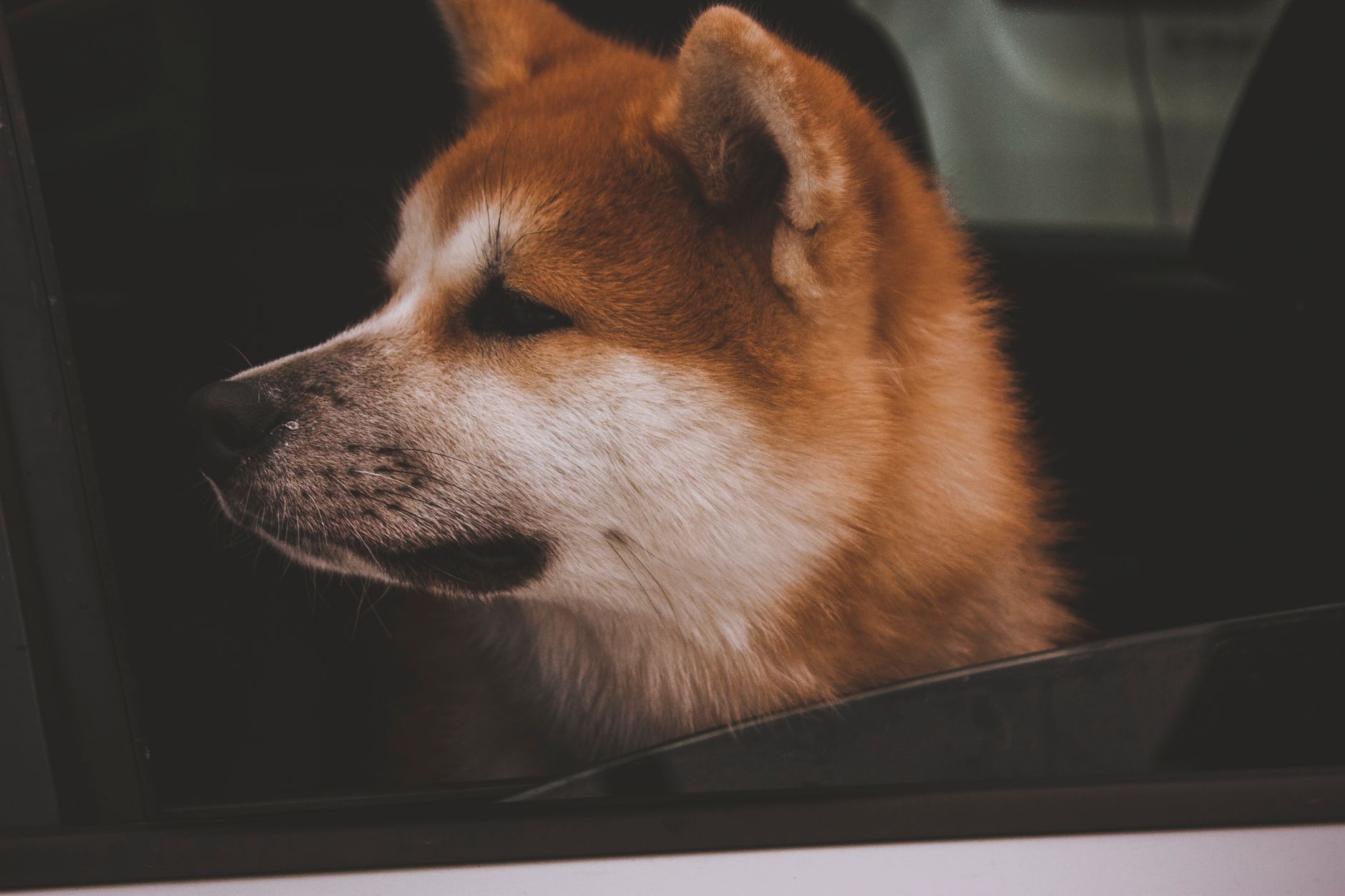
The Akita is a majestic, fiercely loyal guardian from Japan, combining quiet feline-like dignity with an imposing physical presence. Best suited for experienced handlers, this breed thrives as an only pet in a structured, calm environment. If you want an independent, deeply devoted protector that respects your boundaries but demands mutual respect, the Akita is unparalleled.
Quick Facts
- origin countryJapan
- breed groupWorking
- sizeLarge to Giant
- weight range70 to 130 lbs (32 to 59 kg)
- height range24 to 28 inches (61 to 71 cm)
- lifespan10 to 13 years
- coat typeDense double coat with a harsh outer coat and soft undercoat
- common colorsWhite, brindle, pinto, red fawn, sesame (American Akitas often feature a black mask)
- other namesAkita Inu, Japanese Akita, Great Japanese Dog
- recognized byAKC, UKC, FCI, KC
Caring for a Akita
Living with an Akita is a lesson in quiet companionship; they aren’t the type to constantly beg for attention, but they will quietly shadow you from room to room. I’ve found that they need a highly secure yard with a six-foot fence, as their high prey drive and protective instincts make unsupervised roaming dangerous. Daily physical exercise combined with mental stimulation is essential to prevent boredom-induced destructiveness in these powerful dogs.
Is an Akita a good family pet?
Yes, but they are generally best for families with older, respectful children who understand how to behave around a large, independent dog. Their intense guarding instincts require active parental management, and I always advise supervising all interactions with visiting friends.
Do Akitas shed a lot?
Absolutely, they are heavy shedders, particularly during ‘blowing coat’ season twice a year when they lose their undercoat in massive clumps. During these multi-week periods, you will need to brush them daily to manage the sheer volume of floating fur.
Is an Akita good for first-time owners?
I never recommend the Akita for first-time dog owners due to their immense strength, independent nature, and complex socialization needs. They require a confident handler who thoroughly understands canine body language and positive reinforcement training.
Temperament & Personality
The Akita’s personality is often described as feline: clean, quiet, and profoundly independent. They are intensely devoted to their human family but naturally suspicious of strangers and highly selective about other dogs. In my experience, they do not tolerate rudeness from people or other animals, demanding a calm, respectful environment.
Is an Akita good with other pets?
In my experience, Akitas are happiest as the only pet in the home. They possess an incredibly high prey drive toward small animals and can be highly confrontational with other dogs, especially those of the same sex.
How much attention does an Akita need?
They are not needy dogs and are quite content to lounge nearby while you work. However, they need quality one-on-one time daily through structured walks, training sessions, and quiet bonding to keep them emotionally balanced.
Training & Behavior
Training an Akita requires a partnership built on mutual respect rather than physical force, which will only cause them to shut down or rebel. They are highly intelligent but easily bored by repetitive drills, requiring short, engaging, and varied sessions. I always emphasize early, intensive socialization to prevent their natural wariness of strangers from turning into reactivity.
Training Tips
- Use positive reinforcement like high-value treats and toys
- Keep training sessions short (10 to 15 minutes) and highly varied
- Begin intensive socialization in safe environments from 8 weeks old
- Set clear, consistent household boundaries without using harsh punishments
- Focus heavily on impulse control and loose-leash walking early on
Fun Activities
- Nosework and scent tracking games
- Backpacking and hiking on-leash
- Canicross (hands-free running)
- Basic obedience challenges
- Agility training adapted for large breeds
Is an Akita easy to train?
Akitas are intelligent but highly independent, meaning they learn commands quickly but may choose not to obey if they do not see a point. Successful training requires consistency, patience, and a trainer who knows how to motivate them without being overbearing.
Akita Health Issues

Akitas are generally robust, but like many large, deep-chested breeds, they are genetically predisposed to several serious health conditions. Working with a reputable breeder who screens parent dogs for hip, eye, and thyroid issues is critical.
Gastric Dilation-Volvulus (Bloat)
A life-threatening condition where the stomach fills with gas and twists on its axis, cutting off blood supply to vital organs.
Hip Dysplasia
A genetic skeletal condition where the ball-and-socket joint of the hip does not fit together smoothly, leading to painful arthritis.
Hypothyroidism
An underactive thyroid gland that slows down the dog’s metabolism, causing systemic issues throughout the body.
Sebaceous Adenitis (SA)
An autoimmune disease that attacks and destroys the skin’s oil glands, particularly common in the Akita breed.
Progressive Retinal Atrophy (PRA)
A genetic degenerative eye disease that leads to progressive vision loss and eventual blindness.
How long do Akitas typically live?
An Akita’s typical lifespan ranges from 10 to 13 years. Providing a balanced diet, keeping them at a lean weight, and ensuring regular veterinary checkups are key to helping them reach their senior years comfortably.
What to Feed a Akita
Akitas have relatively slow metabolisms for their size and are prone to obesity if overfed. Because they are deep-chested and at risk for bloat, I always advise feeding them from flat ground rather than elevated bowls to reduce rapid gas intake.
Best Diet
A high-quality, large-breed adult kibble with moderate fat and protein content is ideal to support their joints and lean muscle. Avoid diets with excessive fillers, and consult your veterinarian before introducing raw or grain-free diets.
How to Feed
Divide their daily food ration into two or three smaller meals rather than one large feeding to minimize the risk of bloat. Keep them calm and quiet for at least one hour before and after eating.
How Much to Feed
Generally, adult Akitas require 3 to 5 cups of high-quality dry food daily, divided into two meals. However, exact portions vary wildly based on age, weight, and activity level; always consult your vet for precise guidance.
Nutritional Tips
Adding joint supplements like glucosamine and chondroitin, or wild-caught fish oil for omega-3 fatty acids, can significantly support their joint health and keep their dense double coat looking radiant.
Akita Grooming Guide
While Akitas are fastidious self-groomers who clean themselves like cats, managing their dense double coat takes consistent work. They do not require professional clipping, but they do require regular, structured home maintenance.
Coat Care
Brush them at least twice a week using an undercoat rake and a slicker brush to remove loose hair. During heavy shedding season, you will need to brush them daily to keep up with the shed.
Skin Care
Akitas are prone to dry skin and autoimmune skin conditions, so only bathe them when necessary (every 6 to 8 weeks) using a gentle, oatmeal-based shampoo to avoid stripping natural oils.
Eye Care
Regularly wipe away any minor discharge with a soft, damp cloth.
Ear Care
Inspect their upright ears weekly for dirt, wax buildup, or redness, and gently clean them using a vet-approved ear cleaning solution and a cotton pad.
Nail & Dental Care
Trim their thick nails every 3 to 4 weeks using heavy-duty clippers, and brush their teeth at least three times a week with dog-safe toothpaste.
Considerations for Pet Parents
Pros
- Intensely loyal and protective of their family
- Naturally clean and quiet, rarely bark without reason
- Striking, beautiful physical appearance
- Highly intelligent and independent thinkers
- Excellent, natural home guardians
- Relatively low energy indoors
Cons
- Highly prone to dog-to-dog aggression
- Can be aloof and suspicious of strangers
- Extremely heavy shedding twice a year
- Strong prey drive makes them unsafe with small pets
- Requires a highly experienced, confident handler
- Difficult to find rental housing due to breed restrictions
Best For
An experienced dog owner who lives in a single-pet household, has a securely fenced yard, and appreciates a loyal, dignified guardian that requires consistent structure and boundaries.
Not Recommended For
First-time dog owners, households with multiple other pets (especially small animals), or busy families who have frequent, chaotic visitor traffic in their home.
Cost
- purchase price$1,200 to $3,000 USD
- monthly cost$150 to $300 USD
- initial setupExpect to spend $1,000 to $1,500 initially on high-quality crates, heavy-duty toys, secure fencing upgrades, professional training sessions, and essential veterinary exams.
Similar Breeds
Shiba Inu
Alaskan Malamute
Akita FAQs
Are Akitas aggressive?
Akitas are not naturally aggressive without cause, but they are highly protective, territorial, and possessive. Without early, intensive socialization, their natural wariness of strangers can turn into defensive aggression, making proper rearing essential.
What is the difference between Japanese and American Akitas?
American Akitas are typically larger, heavier-boned, have a bear-like head, and are accepted in all coat colors including black masks. Japanese Akitas (Akita Inu) are smaller, finer-boned, have a fox-like head, and are strictly limited to red, brindle, or white with white markings.
Do Akitas bark a lot?
No, Akitas are famous for being a ‘silent’ breed that rarely barks. When they do bark, it is a purposeful warning of something unusual, though they may make funny grunts, rumbles, and ‘mumbles’ to communicate.
Are Akitas good with cats?
Generally, no. Akitas have an incredibly high prey drive and will naturally chase and potentially harm cats or other small animals. While some can coexist if raised together from puppyhood, it requires constant vigilance.
Can Akitas live in apartments?
While they are quiet and relatively inactive indoors, I generally do not recommend Akitas for apartments due to their large size, protective nature, and potential to react to neighbors in close quarters. They thrive much better in homes with a secure yard.
Are Akitas sensitive to cold weather?
Yes, they absolutely love cold weather! Their dense double coat was bred to withstand the harsh, snowy mountains of northern Japan, so they will often prefer to sleep outside in the snow rather than stay warm indoors.
How much exercise does an Akita need daily?
An Akita needs about 1 to 1.5 hours of exercise daily, split into brisk walks and structured play. They are not endurance runners like Huskies, but they do require consistent physical and mental outlets.
Why do Akitas lick themselves so much?
Akitas are exceptionally clean dogs with cat-like grooming habits, frequently licking their paws and coat. However, excessive licking can also be a sign of allergies or skin conditions like sebaceous adenitis, which should be checked by a vet.
Are Akitas prone to separation anxiety?
Akitas are independent and tend to handle being alone better than many other breeds. However, they are still deeply bonded to their owners and can become destructive if left isolated for extremely long periods without mental stimulation.
Do Akitas tolerate hot weather well?
No, Akitas struggle in high heat and humidity due to their thick, insulating double coats. During summer, keep them in air-conditioned spaces, limit outdoor exercise to early mornings or late evenings, and always provide fresh, cold water.
Is the Akita a recognized dangerous breed?
Akitas are frequently listed on restricted breed lists for homeowners’ insurance and rental agreements due to their size, strength, and guarding potential. It is highly recommended to check local ordinances and insurance policies before bringing one home.
At what age does an Akita reach full size?
Akitas grow rapidly during their first year but are slow to mature fully. They usually reach their full height by 12 to 18 months, but they will continue to fill out, gain muscle, and mature mentally until they are 2 to 3 years old.
Should I get a male or female Akita?
In my experience, same-sex aggression is very common in this breed, so if you already have a dog, your second should be of the opposite sex. Female Akitas are often slightly more independent and easier to manage, while males tend to be larger and more protective.
How do Akitas handle meeting guests at home?
Akitas are naturally aloof with outsiders and will not immediately welcome strangers. Owners must carefully introduce guests in a calm, controlled manner, and guests should be instructed not to force physical contact on the dog.