
Lowchen Breed Guide

Quick Summary
The Löwchen is a remarkably robust, affectionate, and low-shedding companion that thrives on human connection while retaining a surprisingly athletic and spirited nature. In my practice, I find they offer the perfect balance of a portable lapdog and an active family dog, provided owners are prepared for their detailed grooming needs.
Quick Facts
- origin countryFrance
- breed groupNon-Sporting
- sizeSmall
- weight range11 to 18 pounds
- height range12 to 14 inches
- lifespan13 to 15 years
- coat typeLong, wavy, single coat (no undercoat)
- common colorsBlack, chocolate, blue, cream, silver, white, or combinations of these
- other namesLittle Lion Dog, Petit Chien Lion
- recognized byAKC, UKC, KC, FCI
Caring for a Lowchen
Living with a Löwchen means welcoming a cheerful shadow who wants to participate in every family activity, from hiking to watching television. In my clinical experience, their physical resilience sets them apart from more fragile toy breeds, meaning they handle active households beautifully. However, their single, continuously growing coat demands rigorous, daily maintenance to prevent severe matting. You must budget time for mental enrichment too; these are highly intelligent dogs who will invent their own entertainment if ignored.
Is a Lowchen a good family pet?
Absolutely. In my practice, I often recommend them over more delicate toy breeds because they are sturdy enough to handle polite children and have an incredibly affectionate, patient temperament.
Do Lowchens shed a lot?
No, they are a single-coated breed that sheds minimally, making them a common choice for allergy sufferers. However, this means they do not stop growing hair, requiring dedicated daily brushing and professional grooming every 6 to 8 weeks.
Is a Lowchen good for first-time owners?
Yes, they are highly adaptable and eager to please, making them excellent for beginners. The only major hurdle for a novice is committing to their intensive coat care routine.
Temperament & Personality

The Löwchen temperament is classically outgoing, affectionate, and brave without being aggressive. They possess a delightful sense of humor and a deep-seated devotion to their human family that I rarely see compromised. Unlike some toy breeds that can skew timid or highly reactive, a well-socialized Löwchen is typically confident and stable. They do, however, have a watch-dog instinct that can translate to alert barking if not managed early.
Is a Lowchen good with other pets?
In my experience, yes. Löwchens generally have a low prey drive and are highly social, meaning they can cohabitate peacefully with cats and other dogs if they are introduced properly and socialized from a young age.
How much attention does a Lowchen need?
They are highly social companion dogs and can develop separation anxiety if left alone for more than 4 to 5 hours regularly. They thrive best in households where someone is home most of the day.
Training & Behavior
Löwchens are incredibly quick learners, often excelling in competitive agility and obedience. I always advise owners to use positive reinforcement; their sensitive nature means they shut down under harsh correction. Because they are naturally vigilant, early socialization is critical to prevent their alert barking from becoming a compulsive habit.
Training Tips
- Use positive reinforcement with high-value treats
- Keep training sessions short and varied
- Socialize extensively between 8 and 16 weeks of age
- Train a solid ‘quiet’ command early on
- Incorporate puzzle toys to prevent boredom
Fun Activities
- Agility courses
- Trick training
- Conformation showing
- Therapy dog work
- Nosework and scent games
- Interactive fetch
Is a Lowchen easy to train?
Yes, they are highly intelligent and genuinely desire to please their owners. In my practice, owners who use reward-based training methods find they master basic commands much faster than average toy breeds.
Lowchen Health Issues
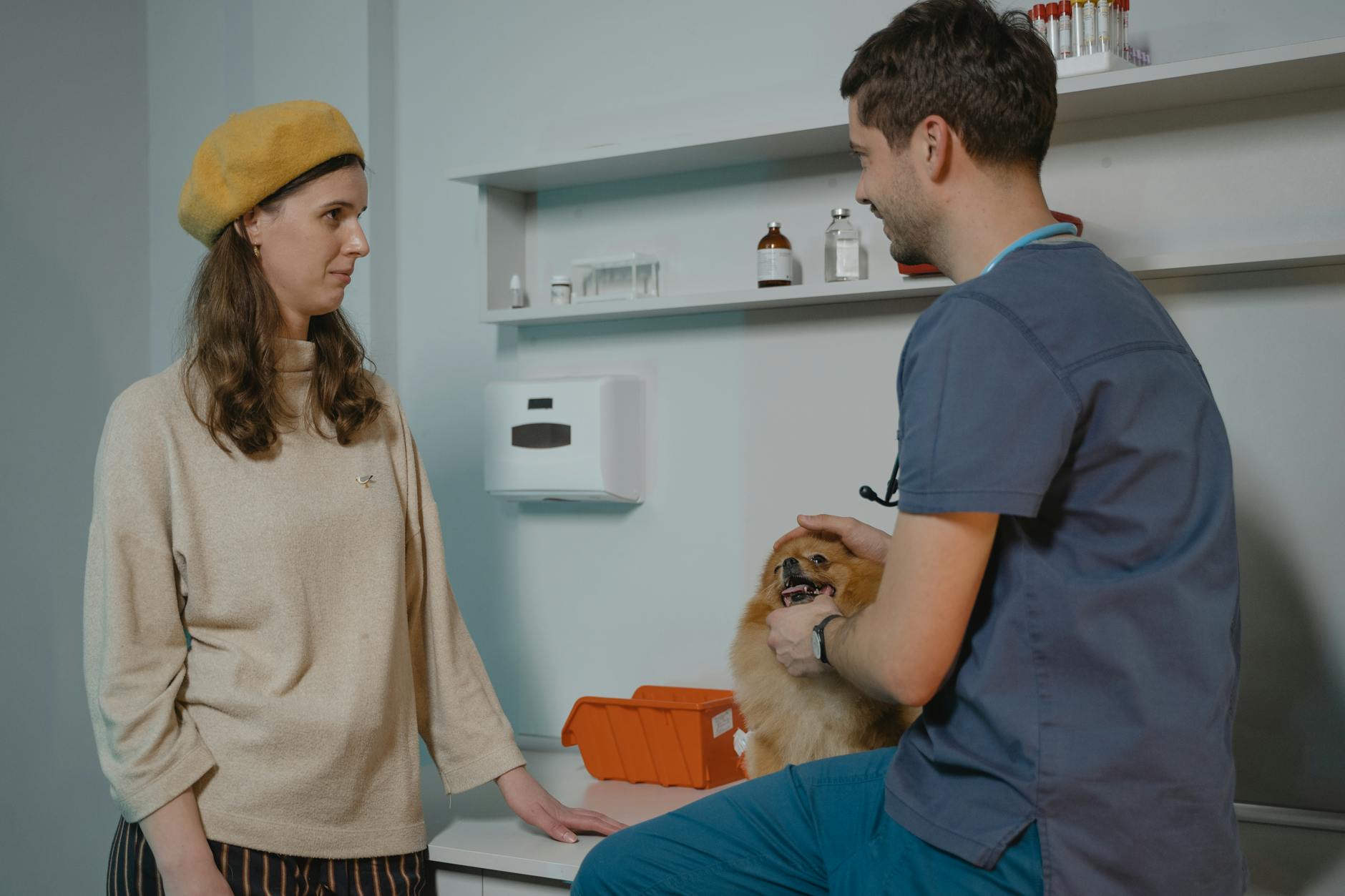
As a veterinarian, I consider the Löwchen to be one of the healthier and more structurally sound toy breeds, often living well into their mid-teens. However, like all purebreds, they are genetically predisposed to a few specific hereditary conditions that owners must monitor closely with their vet.
Patellar Luxation
This occurs when the kneecap slips out of its groove, a common issue in small dogs that can lead to osteoarthritis. I recommend annual orthopedic evaluations to catch early signs of joint laxity.
Progressive Retinal Atrophy (PRA)
A genetic degenerative eye disease that causes gradual, bilateral blindness. Responsible breeders must clear their stock using DNA testing and annual eye certification exams.
Cataracts
We frequently see both juvenile and age-related cataracts in this breed, where the lens of the eye becomes opaque, blocking light. Early surgical intervention by a veterinary ophthalmologist can preserve vision.
Dental Disease / Periodontitis
Due to their small mouths, plaque buildup occurs rapidly, leading to gingivitis and systemic infections. Regular professional cleanings under anesthesia are essential to prevent tooth loss.
Hip Dysplasia
Though traditionally associated with large breeds, I regularly screen Löwchens for hip laxity. It’s a genetic malformation of the ball-and-socket joint that can cause painful arthritis.
How long do Lowchens typically live?
With proper nutrition, regular dental care, and routine veterinary checkups, a Löwchen typically enjoys a lifespan of 13 to 15 years, with many reaching 16 or 17.
What to Feed a Lowchen
Feeding a Löwchen requires a careful balance of high-quality nutrition tailored to small, active breeds. Because of their small stature, even a single pound of excess weight puts significant strain on their joints and cardiovascular system.
Best Diet
I recommend a high-quality, small-breed specific dry kibble that is formulated to support their metabolic rate and promote dental health. For seniors or those with dental issues, incorporating high-quality wet food can be beneficial, but consult your vet first.
How to Feed
Divide their daily caloric intake into two equal meals spaced roughly 12 hours apart. Avoid free-feeding, as Löwchens can easily overeat and gain weight.
How Much to Feed
Typically, an adult Löwchen requires between 1/2 to 1 cup of kibble per day, but this varies wildly based on activity level and age. Always consult your veterinarian to calculate exact caloric requirements for your specific dog.
Nutritional Tips
Incorporate omega-3 fatty acid supplements, like wild-caught fish oil, to support their skin health and maintain that signature silky coat. Keep treats to under 10% of their total daily caloric intake.
Lowchen Grooming Guide
The signature look of the Löwchen is the ‘lion cut,’ which leaves the front half of the body fully coated and the rear half shaved close. However, many pet owners opt for a uniform ‘puppy clip’ to simplify maintenance.
Coat Care
Regardless of the clip, they must be brushed thoroughly 3 to 4 times a week with a slicker brush and metal comb to prevent painful mats. Never brush a dry coat; always use a light detangling spray first.
Skin Care
Because parts of their skin are exposed in a lion cut, they are vulnerable to sunburn and dry skin. Apply pet-safe sunscreen to shaved areas before extended outdoor play.
Eye Care
Keep the hair around the eyes trimmed short to prevent corneal irritation, and wipe away daily tear discharge with a damp, warm cloth.
Ear Care
Their drop ears trap moisture, making them prone to yeast infections. Clean them weekly with a vet-approved drying cleanser and pluck excess canal hair if recommended by your vet.
Nail & Dental Care
Trim nails every 3 to 4 weeks, and brush their teeth daily using enzymatic canine toothpaste to combat their high propensity for periodontal disease.
Considerations for Pet Parents
Pros
- Extremely loyal and affectionate
- Hypoallergenic, low-shedding coat
- Sturdier than most toy breeds
- Highly trainable and intelligent
- Great apartment dogs
- Excellent with polite children
Cons
- High-maintenance grooming needs
- Prone to separation anxiety
- Can be vocal/alert barkers
- Hard to find (rare breed)
Best For
The ideal owner is someone who wants a highly interactive, ‘velcro’ companion and has the time to dedicate to regular grooming and daily mental stimulation. They fit perfectly into active families or households with retired individuals.
Not Recommended For
They are not recommended for busy households where the dog will be left alone for 8+ hours a day. They will also not suit owners who dislike grooming maintenance or those seeking an independent outdoor dog.
Cost
- purchase price$2,000 – $3,500
- monthly cost$100 – $200
- initial setupExpect to spend $800 to $1,500 initially on high-quality crates, grooming tools (slicker brushes, combs, professional shears), and initial veterinary visits including vaccines and microchipping.
Similar Breeds


Lowchen FAQs
Are Löwchens hypoallergenic?
While no dog is 100% hypoallergenic, the Löwchen is a single-coated breed that does not possess an undercoat and sheds very little dander. In my practice, clients with mild dog allergies generally tolerate this breed incredibly well, provided they maintain a strict bathing and grooming schedule.
Why is the Löwchen called the Little Lion Dog?
The name ‘Löwchen’ translates to ‘Little Lion’ in German. This nickname comes from their traditional ‘lion cut’ grooming style, where the hindquarters are shaved close, leaving a full mane on the front half of the body and a tufted tail, mimicking a miniature lion.
Do Löwchens bark a lot?
They do have a natural tendency to be alert watchdogs, meaning they will bark to notify you of visitors or unusual noises. I advise clients to address this early with training, teaching a reliable ‘quiet’ command to prevent this alarm barking from becoming a nuisance behavior.
Can a Löwchen live in an apartment?
Yes, they make fantastic apartment pets due to their compact size and adaptable nature. However, because they are spirited little dogs, you must commit to daily walks and mental stimulation to keep them from becoming restless indoors.
Are Löwchens prone to separation anxiety?
Yes, as a breed bred specifically for companionship, they bond intensely with their human families. If left alone for long periods, they can easily develop separation anxiety, leading to destructive chewing or obsessive barking; I highly recommend crate training from day one to foster independence.
Are Löwchens rare?
Yes, the Löwchen is considered one of the rarest breeds in the world. In the 1970s, they actually held the Guinness World Record for the rarest dog breed, and even today, finding a reputable breeder can involve a significant waitlist.
Do they get along with cats?
In my experience, yes. Löwchens generally have a low prey drive and are highly social, meaning they can cohabitate peacefully with cats if they are introduced properly and socialized from a young age.
How often do they need to go to a professional groomer?
If you are keeping them in the traditional lion cut or even a standard puppy clip, they will need professional grooming every 6 to 8 weeks. Skipping these appointments quickly leads to painful skin matting and potential secondary skin infections.
Are Löwchens high energy?
They have a moderate energy level. While they are always up for an active hike or a game of fetch, they also have an excellent ‘off-switch’ and are perfectly happy to curl up on your lap once their basic physical and mental needs are met.
Do Löwchens have eye problems?
Yes, eye issues are a known genetic vulnerability in this breed. In clinical practice, I routinely monitor Löwchens for Progressive Retinal Atrophy (PRA), cataracts, and distichiasis (extra eyelashes rubbing the cornea), emphasizing the need for regular ophthalmic checks.
Is the ‘lion cut’ mandatory for the breed?
No, the lion cut is only mandatory if you are showing your Löwchen in conformation events. For companion pets, many owners choose a practical, short ‘puppy cut’ or ‘teddy bear cut’ which is much easier to brush and maintain at home.
At what age is a Löwchen fully grown?
A Löwchen typically reaches their full adult height and skeletal maturity by 10 to 12 months of age. However, they may continue to fill out in chest width and muscle tone until they are about 18 months old.