
Chinese Shar-Pei Breed Guide

Quick Summary
An ancient, independent, and intensely loyal breed, the Chinese Shar-Pei is easily recognized by its loose wrinkles, sandpaper-like coat, and blue-black tongue. While they are deeply devoted to their immediate families, their natural guarding instincts, suspicious nature around strangers, and potential for dog aggression require an experienced owner committed to lifetime socialization.
Quick Facts
- origin countryChina
- breed groupNon-Sporting Group (AKC)
- sizeMedium
- weight range45 to 60 pounds
- height range18 to 20 inches
- lifespan8 to 12 years
- coat typeExtremely harsh, straight, and bristly; comes in ‘horse’ (under 1/2 inch) or ‘brush’ (up to 1 inch) varieties
- common colorsBlack, cream, fawn, red, chocolate, blue, lilac, and sable (any solid color and sable are accepted)
- other namesShar-Pei, Chinese Fighting Dog
- recognized byAKC, UKC, FCI, ANKC, KC, NZKC
Caring for a Chinese Shar-Pei
Living with a Shar-Pei is more like sharing a home with a dignified, silent partner than a bouncy, eager-to-please pup. In my years of working with this breed, I have found that daily life centers on quiet companionship, moderate exercise, and meticulous skin hygiene. You will need to make inspecting and drying their skin folds a daily ritual, especially after they drink or play outside. Because of their aloof and territorial nature, you must also actively manage their interactions with visitors and other dogs to ensure a safe, peaceful home.
Is a Chinese Shar-Pei a good family pet?
They can be wonderfully devoted and protective family companions, but I generally recommend them for households with older, respectful children who understand canine boundaries. Their low tolerance for rough housing and strong guarding instincts mean they do not thrive in chaotic environments with frequent young visitors.
Do Chinese Shar-Peis shed a lot?
They are moderate shedders throughout the year, but when they ‘blow’ their coat once or twice annually, the hair loss is heavy and patchy. Owners should be aware that the ‘horse coat’ variety sheds short, needle-like hairs that easily weave into furniture and can cause a prickling, itchy rash on sensitive human skin.
Is a Chinese Shar-Pei good for first-time owners?
I strongly advise against this breed for novice owners. Their combination of intense independence, physical strength, natural suspicion of strangers, and complex medical needs requires an assertive, highly experienced handler who understands dog body language and consistent, positive leadership.
Temperament & Personality
The Shar-Pei has a temperament deeply rooted in its history as a multi-purpose farm dog, guardian, and hunter. They are calm, independent, and sovereign dogs that rarely beg for human attention, preferring to keep a stoic, watchful distance. While incredibly loyal to their chosen family, they are naturally suspicious of strangers and maintain a very selective, self-contained social circle.
Is a Chinese Shar-Pei good with other pets?
In my experience, they are best suited as the only pet in the household. They possess a high prey drive and a historically documented predisposition for dog-on-dog aggression, meaning integrations with other dogs or cats require extreme caution, early socialization, and often professional guidance.
How much attention does a Chinese Shar-Pei need?
They are highly independent and do not crave constant physical attention, making them an excellent choice for owners who appreciate a companion that is content to sit quietly in the same room without demanding constant interaction or petting.
Training & Behavior
Training a Shar-Pei requires a firm, fair, and exceptionally patient approach. They are highly intelligent but easily bored, possessing a stubborn streak that can frustrate unprepared trainers. I always tell owners to start socialization on day one to prevent their natural guarding instinct from turning into aggressive territoriality.
Training Tips
- Use reward-based positive reinforcement; force will only make this proud breed shut down or resist.
- Begin socialization during the critical puppy window of 8 to 16 weeks, exposing them to varied sights and sounds.
- Keep training sessions short, varied, and mentally engaging to prevent them from tuning you out.
- Never allow a puppy to exhibit guarding behaviors over food or toys; address resource guarding early with a professional.
- Desensitize them extensively to body handling, focusing on their sensitive paws, ears, and skin folds.
Fun Activities
- Structured daily neighborhood boundary walks
- Scent work and nose-work games in the yard
- Interactive treat-dispensing puzzle toys
- Basic obedience training for mental focus
- Leashed tracking in quiet, low-traffic areas
Is a Chinese Shar-Pei easy to train?
They are not easy to train in the traditional sense because they lack the innate desire to please humans that breeds like Labradors possess. While they learn commands quickly due to their high intelligence, they will constantly evaluate whether they actually want to comply, requiring a confident, consistent leader.
Chinese Shar-Pei Health Issues
The Chinese Shar-Pei is a unique breed with several highly specific genetic health vulnerabilities that require careful monitoring. Because of their exaggerated physical traits, prospective owners must budget for potential medical and surgical interventions throughout the dog’s life, and should always consult a veterinarian for preventative plans.
Familial Shar-Pei Fever (FSPF)
An inherited autoinflammatory disease unique to the breed, characterized by periodic, unexplained high fevers (up to 107°F) and swollen hocks (ankles). If left unmanaged, it can cause amyloidosis, a fatal buildup of protein in the kidneys or liver.
Entropion
A condition where the eyelids roll inward, causing the eyelashes and fur to constantly rub against the sensitive cornea, leading to corneal ulcers, scarring, and potentially blindness if untreated. Puppies often require temporary eyelid ‘tacking’ before permanent surgical correction can be done at maturity.
Cutaneous Mucinosis
A skin condition caused by an excess of mucin, the jelly-like substance that gives the breed its characteristic wrinkles, leading to the formation of clear, fluid-filled bubbles on the skin or inside the throat.
Otitis Externa (Ear Infections)
Shar-Peis have extremely narrow, folded ear canals (stenotic canals) that severely restrict airflow, trapping moisture, wax, and debris, making them highly susceptible to chronic, painful yeast and bacterial ear infections.
Pyoderma and Yeast Dermatitis
The deep skin folds of the Shar-Pei trap moisture, sweat, and bacteria, creating an ideal breeding ground for painful bacterial (pyoderma) and fungal (yeast) infections.
How long do Chinese Shar-Peis typically live?
A Chinese Shar-Pei typically has a lifespan of 8 to 12 years. Providing high-quality preventative care, keeping them at a healthy weight, and closely monitoring for early signs of Shar-Pei Fever can maximize their chances of reaching a senior age.
What to Feed a Chinese Shar-Pei
Feeding a Shar-Pei requires careful attention to ingredient quality, as they are highly prone to food allergies that manifest as painful skin issues. Keeping them lean is also critical, as excess weight puts unnecessary strain on their joints and exacerbates skin-fold issues.
Best Diet
I highly recommend a premium diet featuring a single-source novel protein (such as venison, salmon, or duck) to minimize skin allergies. Puppies require a large-breed puppy formula to ensure slow, steady joint and bone growth.
How to Feed
Split their daily food allowance into two equal meals to prevent bloat (GDV) and to maintain stable energy levels. Avoid using deep bowls that can trap moisture on their muzzle folds while they eat.
How Much to Feed
Adults generally require 2 to 3 cups of high-quality dry food daily, depending on weight and activity level. Always consult your veterinarian to establish a precise portion plan tailored to your dog’s individual metabolism.
Nutritional Tips
Adding wild-caught salmon oil or Omega-3 fatty acid supplements can significantly support their skin barrier and coat health. Avoid feeding high-sodium treats, as they can exacerbate fluid retention issues associated with systemic inflammation.
Chinese Shar-Pei Grooming Guide
Grooming a Shar-Pei is less about brushing long fur and more about intensive skin and fold management. In my experience, neglecting their skin folds for even a few days can lead to severe, painful infections that require veterinary treatment.
Coat Care
Brush their short coat weekly with a rubber curry brush to remove dead hair and skin dander. They only need baths every 6 to 8 weeks, but you must ensure they are 100% dry afterward to prevent bacterial growth.
Skin Care
Wipe down their facial and body wrinkles with a damp, veterinary-approved antiseptic wipe daily, and dry them immediately. Never let moisture sit inside the folds, particularly around the muzzle and tail base.
Eye Care
Check their eyes daily for signs of irritation, rubbing, or discharge, and consult a vet immediately if you notice squinting.
Ear Care
Clean their narrow ear canals weekly using a vet-recommended drying cleanser, but never insert cotton swabs down into the canal, which can pack debris tighter.
Nail & Dental Care
Trim their thick nails every 3 to 4 weeks using a heavy-duty grinder or clipper, and brush their teeth at least three times a week to prevent periodontal disease.
Considerations for Pet Parents
Pros
- Incredibly loyal, devoted, and quiet family guardian
- Naturally calm house dog that rarely barks without cause
- Low physical exercise requirements compared to other working breeds
- Highly independent and comfortable being left alone during work hours
- Very clean dogs that are exceptionally easy to housebreak
- Stunning, unique appearance that turns heads everywhere
Cons
- High susceptibility to complex and expensive skin, eye, and ear health issues
- Can be aloof, suspicious, or aggressive toward strangers if not heavily socialized
- Strong prey drive and potential for dog-on-dog aggression
- Not suited for multi-pet households or busy, highly social homes
- Propensity for stubbornness makes training highly challenging
Best For
An experienced, calm, and structured household with no other pets or young children. They thrive with a dedicated owner who has the financial stability to handle veterinary costs and the patience to maintain a rigorous daily skin-care routine.
Not Recommended For
First-time dog owners, active households with frequent guests, homes with small pets or other dogs, or those looking for a highly social, friendly dog to take to dog parks and public events.
Cost
- purchase price$1,500 to $3,500 from a reputable breeder
- monthly cost$150 to $300 (higher if chronic skin, ear, or inflammatory issues require ongoing prescription diets or medications)
- initial setupExpect to spend $1,000 to $2,500 initially for vaccinations, microchipping, high-quality crates, heavy-duty grooming tools, and potential preventative eyelid tacking surgeries.
Similar Breeds
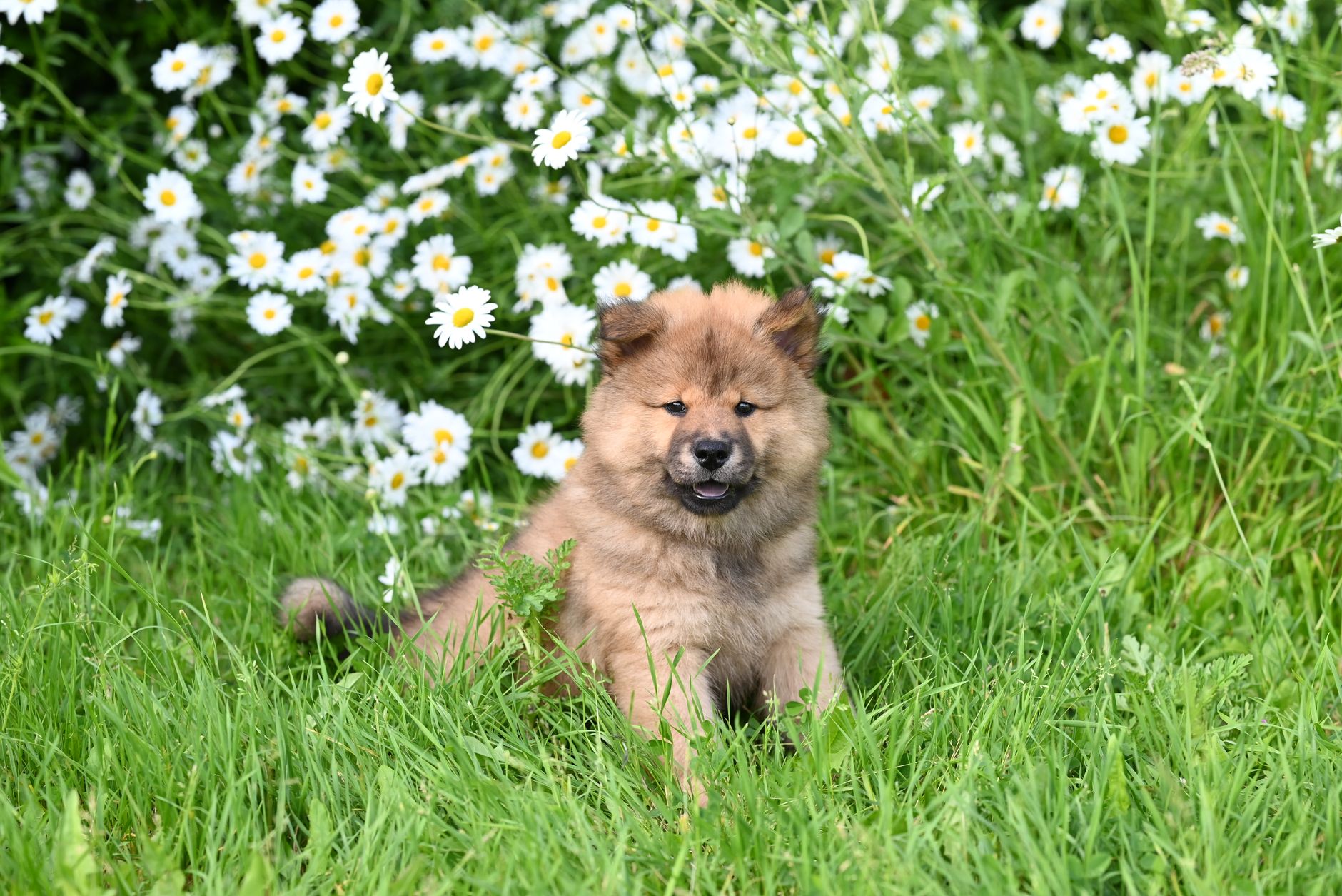
Chow Chow
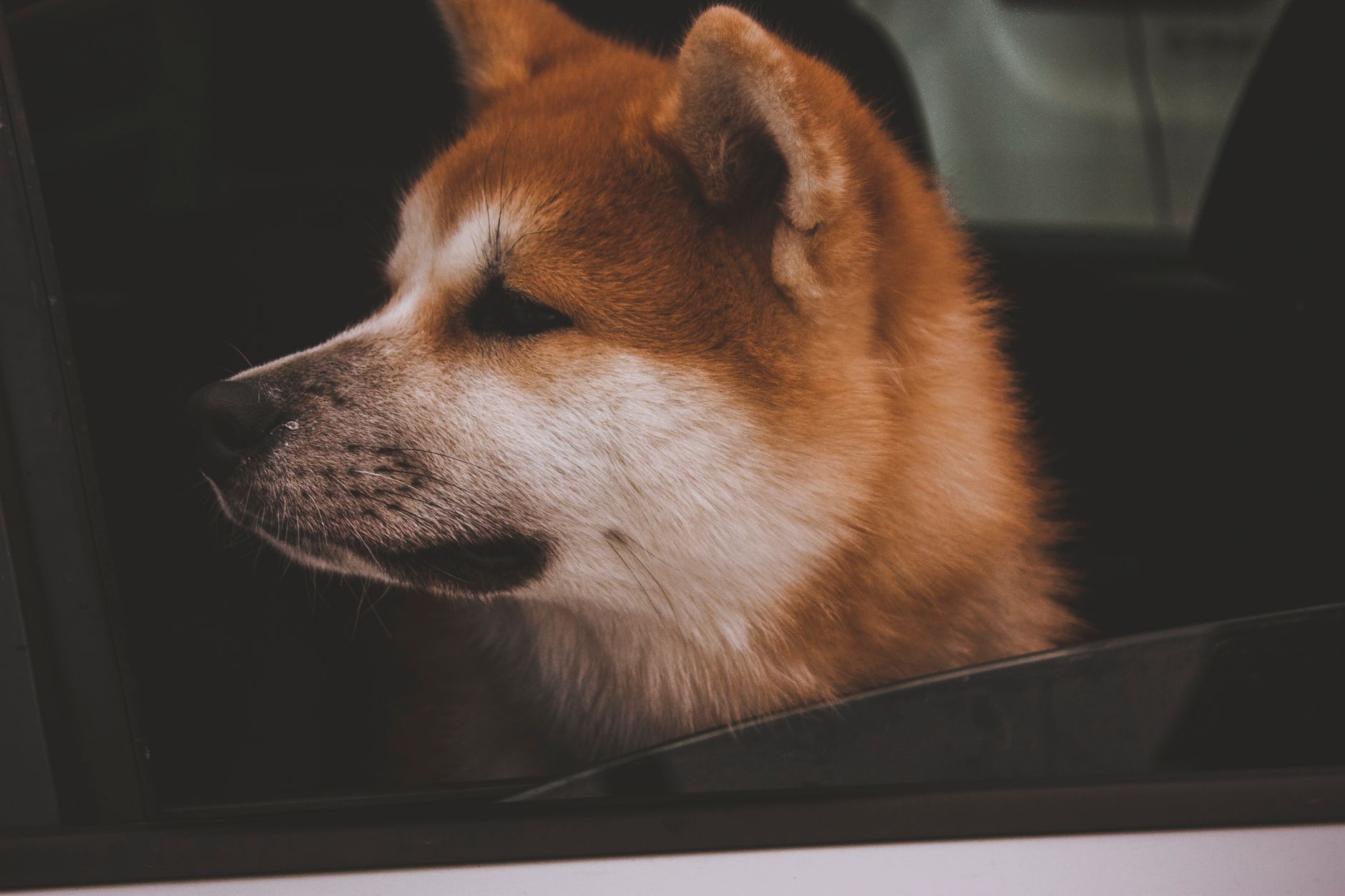
Akita
Chinese Shar-Pei FAQs
What is the difference between a ‘horse coat’ and a ‘brush coat’ Shar-Pei?
The horse coat is extremely short, harsh, and prickly to the touch, often causing mild skin irritation in humans who pet them. The brush coat is slightly longer (up to one inch), softer, and gives the dog a slightly fuller, more velvety appearance.
Do Chinese Shar-Pei puppies lose their wrinkles as they grow older?
Yes, they do. Shar-Pei puppies are incredibly wrinkled from head to toe, but as they grow, they ‘grow into’ their skin. Adult Shar-Peis typically retain heavy wrinkling only on their face, forehead, and shoulders.
Why does my Shar-Pei have a blue-black tongue?
The blue-black tongue is a genetic trait shared almost exclusively with the Chow Chow. It is a defining breed characteristic, and any pink spots on an adult Shar-Pei’s tongue (other than in dilute-colored dogs, which may have lavender tongues) are considered a fault in show standards.
Are Shar-Peis aggressive dogs?
They are not inherently aggressive, but they are natural guard dogs bred to protect. Without intensive, early socialization and firm leadership, their protective nature can easily manifest as territorial aggression toward strangers and other dogs.
How often should I clean my Shar-Pei’s skin wrinkles?
I recommend inspecting their facial wrinkles daily, wiping them with a damp, vet-approved antiseptic cloth, and drying them thoroughly. Body wrinkles should be checked at least two to three times a week to prevent moisture and yeast buildup.
Can Chinese Shar-Peis swim?
Generally, no. Their heavy bone structure, deep chest, and physical build make them poor swimmers. Furthermore, getting their ears and skin folds wet poses a severe risk of yeast and bacterial infections, so swimming should be discouraged.
What is ‘Shar-Pei Fever’ and is it curable?
Familial Shar-Pei Fever (FSPF) is an inherited autoinflammatory disease with no cure, but it can be managed. Daily administration of medications like colchicine, under veterinary guidance, can help prevent the fevers and reduce the risk of fatal amyloidosis.
Do Shar-Peis bark a lot?
No, they are typically very quiet dogs. They rarely bark unless they are issuing a warning about an intruder or a perceived threat on their property, making them excellent alarm systems but quiet indoor companions.
Are Shar-Peis hypoallergenic?
No, they are not hypoallergenic. In fact, their harsh coat (especially the horse coat) can cause a unique contact rash on human skin, and they shed dander like any other breed, making them a poor choice for allergy sufferers.
Why do Shar-Pei puppies need their eyes tacked?
Because puppies have excessive facial wrinkles, their eyelids can be pushed inward (entropion), scratching the eye. Temporary ‘tacking’ uses temporary stitches to hold the eyelids open while the puppy’s head grows, often preventing the need for major surgery later.
Can a Shar-Pei live in an apartment?
Yes, they can adapt very well to apartment living. They are low-energy indoors, rarely bark, and are famously clean and easy to housebreak, provided they receive two structured walks daily to satisfy their exercise and mental stimulation needs.
How do I socialize a Shar-Pei puppy?
Socialization must be active, positive, and continuous. Expose them to a wide variety of people, sounds, and environments during their first four months, ensuring every encounter is positive and controlled. Do not force them into crowded dog parks, as this can trigger their defense instincts.