
Barbet Breed Guide

Quick Summary
The Barbet is an ancient, joyful French water dog characterized by its distinctive woolly, curly coat and incredibly companionable nature. Highly intelligent and athletic, this breed thrives in active households that can commit to rigorous coat maintenance and daily mental stimulation. As a veterinarian, I find them to be exceptionally versatile family dogs, provided their physical and social needs are fully met.
Quick Facts
- origin countryFrance
- breed groupSporting (AKC), Retrievers/Water Dogs (FCI)
- sizeMedium to Large
- weight range35 to 65 pounds
- height range19 to 25 inches at the shoulder
- lifespan12 to 14 years
- coat typeLong, thick, curly, and woolly waterproof coat
- common colorsBlack, grey, brown, fawn, pale fawn, white, and pied
- other namesFrench Water Dog, Barbet Français
- recognized byAKC, UKC, FCI
Caring for a Barbet
Living with a Barbet is a delightfully muddy, highly active adventure that requires a solid commitment to daily mental and physical enrichment. In my practice, I find that these dogs are happiest when they have a job to do, whether that is retrieving, dock diving, or standard nosework. Because of their dense, woolly coats, you must be prepared to dry them off thoroughly after every outdoor excursion to prevent hot spots. They are intensely social animals who do not tolerate being left alone in a backyard; they expect to be active, integral members of the household.
Is a Barbet a good family pet?
Yes, Barbets make outstanding family pets due to their remarkably gentle, affectionate, and patient temperament. They tend to form strong bonds with children and adapt well to the chaotic energy of a busy household, provided they receive sufficient daily exercise.
Do Barbets shed a lot?
Barbets are low-shedding dogs, but this does not mean they are low-maintenance. Instead of shedding onto your furniture, their dead hair traps within the curls, making daily line brushing absolutely vital to prevent severe matting.
Is a Barbet good for first-time owners?
They can be a good fit for first-time owners who are highly active and fully understand the intense grooming commitment. However, their intelligence and occasionally stubborn sporting instincts mean they require consistent, positive reinforcement training from day one.
Temperament & Personality
The Barbet is defined by its joyful, sweet-natured, and remarkably balanced temperament. Unlike some high-energy sporting breeds that can be high-strung, Barbets generally have a stable ‘off switch’ indoors if their physical needs are met. They are deeply devoted to their human families, displaying a goofy, clownish personality that brings immense warmth to a home. My clients with Barbets consistently report a dog that is highly sensitive to the emotional tone of the household, making them incredibly intuitive companions.
Is a Barbet good with other pets?
Generally, yes. Barbets are highly social and tend to get along famously with other dogs and can live peacefully with cats if properly socialized from puppyhood, though their sporting heritage means they may chase smaller pocket pets.
How much attention does a Barbet need?
They are highly companionable dogs that require a significant amount of daily human interaction. If left alone for long stretches exceeding 4 to 5 hours regularly, they can easily develop separation anxiety and destructive chewing habits.
Training & Behavior
Training a Barbet is typically a highly rewarding experience because of their sharp intelligence and innate desire to work alongside their handlers. However, they are sensitive dogs that shut down completely under harsh or punitive training methods, requiring soft, rewards-based positive reinforcement. They possess a natural retrieval instinct and a strong affinity for water, which should be channeled into positive training activities early on to prevent unwanted behaviors like nuisance digging or recreational chewing.
Training Tips
- Use high-value food rewards and play-based praise to keep their sensitive minds engaged.
- Keep training sessions short, dynamic, and fun to prevent them from getting bored.
- Incorporate scent work and retrieving games to satisfy their natural working instincts.
- Begin crate training on day one to provide a safe space and prevent separation anxiety.
- Expose them early and gently to a wide variety of novel sights, sounds, and people.
Fun Activities
- Dock diving and recreational swimming
- Agility and flyball
- AKC Temperament Testing and Canine Good Citizen
- Scent work and field retrieving trials
- Therapy dog work
Is a Barbet easy to train?
Yes, they are highly trainable due to their sporting background and desire to please. However, owners must remain consistent and patient, as their intelligent minds will quickly find loopholes if rules are not clearly and gently enforced.
Barbet Health Issues
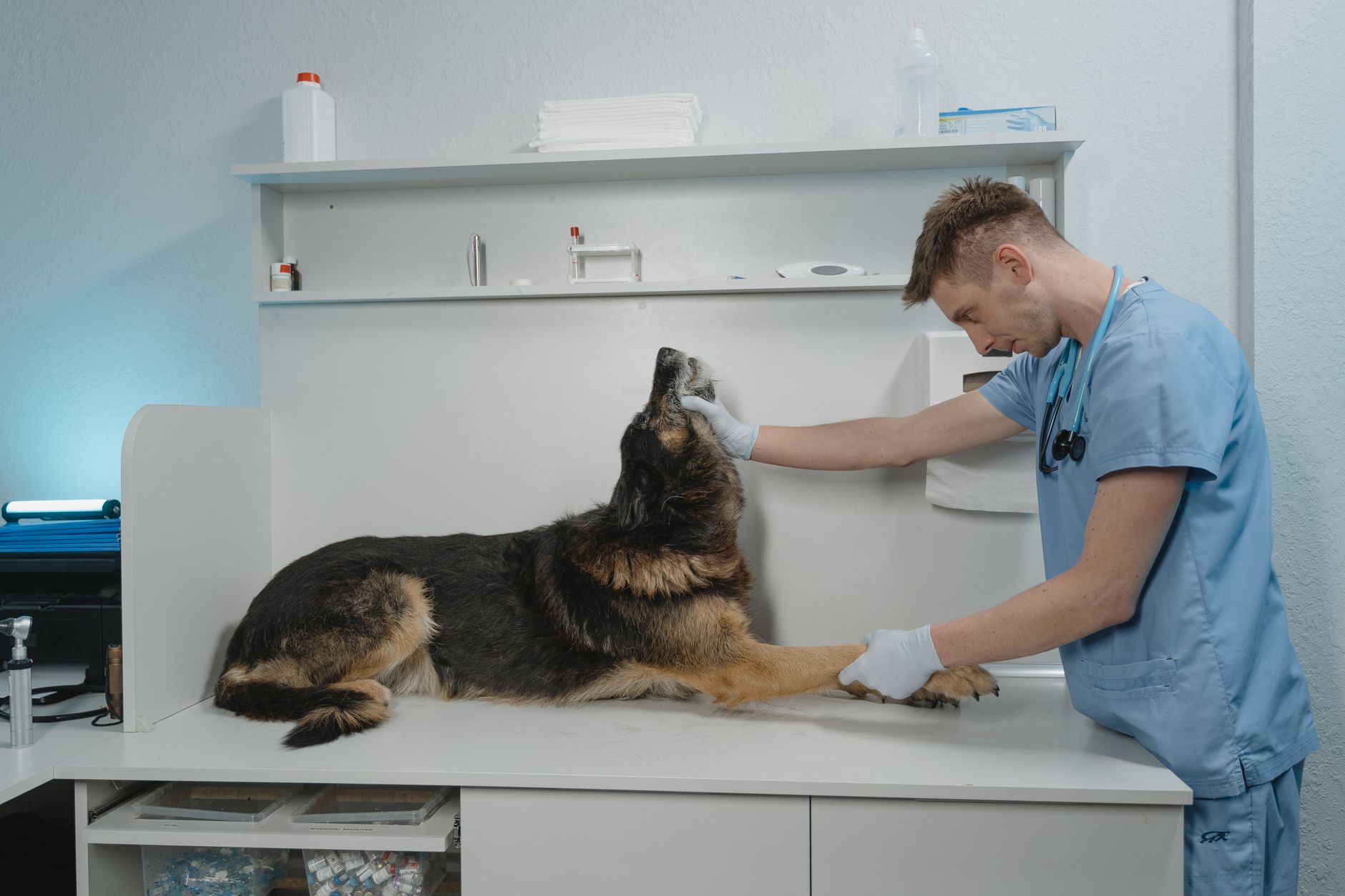
The Barbet is a structurally rustic and generally robust breed, but like all purebred dogs, they are susceptible to specific inherited genetic conditions. In my clinical experience, maintaining a lean body condition and performing routine health screenings are the most effective ways to ensure a long, healthy life for this active water retriever.
Hip and Elbow Dysplasia
An inherited skeletal condition where the ball-and-socket joints of the hip or elbow do not fit together smoothly, eventually leading to painful osteoarthritis.
Otitis Externa (Ear Infections)
Because of their floppy ears and heavy internal ear canal hair growth, moisture and debris easily become trapped, creating a perfect breeding ground for yeast and bacteria.
Progressive Retinal Atrophy (PRA-prcd)
An inherited degenerative eye disorder that causes the gradual deterioration of the retina, eventually leading to complete, irreversible blindness.
Idiopathic Epilepsy
A neurological condition characterized by recurrent, unprovoked seizures, typically manifesting between 1 and 5 years of age.
Atopic Dermatitis
An allergic skin reaction to environmental allergens like pollen, mold, or dust mites, which is often exacerbated when their thick coats remain damp for too long.
How long do Barbets typically live?
A healthy Barbet typically enjoys a lifespan of 12 to 14 years. Providing a high-quality diet, maintaining a lean weight, and ensuring regular veterinary checkups are key to maximizing their senior years.
What to Feed a Barbet
Feeding an athletic, deep-chested breed like the Barbet requires a careful balance of high-quality nutrition to support their energy levels while strictly preventing rapid growth in puppyhood and obesity in adulthood. Because they are deep-chested, they can be predisposed to Gastric Dilatation-Volvulus (GDV or bloat), making meal management critical.
Best Diet
An age-appropriate, high-quality commercial kibble or balanced wet diet formulated for medium to large breeds is ideal. For puppies, look for large-breed formulas to ensure controlled, steady bone and joint development.
How to Feed
I highly recommend dividing their daily food ration into two equal meals. To mitigate the risk of bloat, always avoid heavy exercise or vigorous swimming for at least one hour before and after feeding.
How Much to Feed
Generally, active adult Barbets require between 2 to 3.5 cups of high-quality food per day, though this varies widely based on age, metabolism, and activity level. Always consult your veterinarian to calculate your dog’s exact daily caloric requirements based on their body condition score.
Nutritional Tips
Incorporate Omega-3 fatty acid supplements (like high-quality fish oil) to support their dense skin barrier and promote a healthy, shiny coat. Avoid over-treating, as carrying extra weight puts unnecessary stress on their hips and elbows.
Barbet Grooming Guide
The stunning woolly coat of the Barbet is undeniably beautiful, but it requires a level of grooming commitment that many new owners underestimate. Neglecting this coat for even a few weeks can result in severe, painful matting that requires the dog to be completely shaved to the skin for their physical well-being.
Coat Care
Commit to line brushing with a high-quality slicker brush and a metal comb at least three to four times a week to reach down to the skin. Professional grooming or a full clip-down is typically required every 6 to 8 weeks to keep the coat manageable.
Skin Care
Because they love water, you must dry their dense coat thoroughly using a high-velocity dog dryer; leaving a Barbet’s undercoat damp is a fast track to painful hot spots and fungal skin infections.
Eye Care
Regularly trim the hair around their eyes to prevent irritation, tear staining, and to ensure they have a clear line of sight.
Ear Care
Clean and dry their ears thoroughly after every single swim or bath using a vet-approved drying ear cleaner. Keep the hair inside the canal trimmed or lightly plucked by a professional to ensure proper air circulation.
Nail & Dental Care
Trim nails every 3 to 4 weeks using a grinder or clippers to prevent splaying of the feet. Brush their teeth daily with dog-safe enzymatic toothpaste to combat periodontal disease.
Considerations for Pet Parents
Pros
- Incredibly loving, loyal, and family-oriented companion
- Low-shedding coat is highly appealing for many households
- Highly adaptable, joyful, and enthusiastic about outdoor adventures
- Excellent canine athlete, thriving in agility, dock diving, and nosework
- Gentle and patient nature makes them fantastic with children
Cons
- Extreme grooming requirements that are both time-consuming and expensive
- Prone to bringing dirt, mud, leaves, and water into the home via their woolly coat
- Can develop severe separation anxiety if left alone for long periods
- Relatively rare breed, making puppies difficult to find and expensive to purchase
Best For
Active families, retirees, or individuals who spend a lot of time outdoors, love water sports, and have the time or financial resources to dedicate to intensive, lifelong coat care.
Not Recommended For
Inactive individuals, those who work long hours away from home, or households looking for a low-maintenance, ‘wash-and-wear’ dog that requires minimal grooming.
Cost
- purchase price$2,500 to $4,000
- monthly cost$150 to $250
- initial setupInitial setup costs typically range from $1,500 to $2,500, which includes high-quality grooming tools, a heavy-duty dog crate, obedience classes, vaccinations, and spay/neuter surgery.
Similar Breeds

Standard Poodle

Portuguese Water Dog
Barbet FAQs
Are Barbets hypoallergenic?
While no dog is truly 100% hypoallergenic, the Barbet is a low-shedding breed that traps dander and loose hair within its curls, making it much easier on allergy sufferers. However, their coat easily collects outdoor allergens like pollen and dust, which can trigger reactions when they come indoors.
How do Barbets differ from Poodles?
While they look similar, the Barbet is physically heavier, sturdier, and more rustic in appearance than the refined, elegant Standard Poodle. Temperamentally, Barbets are often described as more easy-going, goofier, and slightly less intense, though both are highly intelligent sporting dogs.
Do Barbets really love the water?
Absolutely. True to their heritage as French water retrievers, most Barbets have an instinctual, passionate love for water. They possess webbed feet and a thick, water-resistant undercoat designed specifically to keep them warm and buoyant during swims.
How often does a Barbet need to be professionally groomed?
A Barbet should see a professional groomer every 6 to 8 weeks for a thorough bath, blow-out, ear cleaning, and hair trim. Leaving them longer than this without professional maintenance increases the risk of severe, painful pelting and skin infections.
Are Barbets prone to separation anxiety?
Yes, because of their deeply companionable and social nature, they form incredibly tight bonds with their families and do not cope well with long periods of isolation. Early crate training and gradual departures can help mitigate this vulnerability.
How much exercise does an adult Barbet require daily?
An adult Barbet needs at least 60 to 90 minutes of active exercise daily. This should include brisk walking, off-leash running in safe areas, fetch, or swimming, combined with interactive mental games to prevent boredom-induced behaviors.
Do Barbets bark a lot?
They are generally moderate barkers. They will alert you to a knock at the door or a stranger approaching the property, but they are not prone to nuisance, repetitive barking unless they are bored, under-exercised, or lonely.
Are they easy to housebreak?
Yes, Barbets are highly intelligent and clean dogs, making housebreaking relatively straightforward when utilizing a consistent crate-training routine and positive reinforcement. Consistency and a set schedule are key.
How do Barbets tolerate cold or hot weather?
Thanks to their dense, insulated waterproof coat, they tolerate cold and wet weather exceptionally well. However, they can overheat quickly in hot, humid climates; they should be kept in air-conditioned environments during summer heatwaves and clipped shorter to stay comfortable.
Is bloat (GDV) a concern for Barbets?
Yes, like many deep-chested, medium-to-large sporting breeds, the Barbet is physically predisposed to Gastric Dilatation-Volvulus (GDV). Owners should use slow-feed bowls, feed multiple smaller meals daily, and avoid rigorous exercise around meal times.
Are they prone to ear infections?
Yes, this is one of the most common reasons I see Barbets in my clinic. Their long, heavy ears and hairy ear canals trap moisture easily; keeping the canals dry and using a veterinary-approved drying solution after swimming is crucial to prevent chronic otitis.
What health testing should I verify before buying a Barbet puppy?
Responsible breeders should provide official OFA or PennHIP clearances for hips and elbows, a recent CAER eye exam certificate, and genetic clearance results for Progressive Retinal Atrophy (PRA-prcd) to ensure you are getting a genetically sound puppy.
Do Barbets have a high prey drive?
They have a moderate prey drive associated with their retrieving background, particularly toward birds and waterfowl. While they can be trained to coexist peacefully with family cats, they may still display an instinctual urge to chase outdoor squirrels and birds.
Sources & Further Reading
- American Kennel Club (AKC)
- ASPCA
- Merck Veterinary Manual
- American Veterinary Medical Association (AVMA)