
Catahoula Leopard Dog Breed Guide

Quick Summary
The Catahoula Leopard Dog is an intensely loyal, highly energetic working breed that requires a dedicated job and firm, consistent leadership. In my practice, I find they thrive best with active, experienced owners who can satisfy both their high physical demands and sharp mental drive. Without proper outlets, their powerful protective instincts and independent nature can become a clinical behavioral challenge.
Quick Facts
- origin countryUnited States (Louisiana)
- breed groupHerding (AKC Foundation Stock Service)
- sizeMedium to Large
- weight range50 – 95 lbs (23 – 43 kg)
- height range20 – 26 inches (51 – 66 cm)
- lifespan10 – 14 years
- coat typeShort, single coat; can be smooth or coarse
- common colorsBlue merle, red merle, brindle, solid colors (black, red, yellow) often with leopard spots and trim
- other namesLouisiana Catahoula Leopard Dog, Catahoula Hog Dog, Catahoula Cur
- recognized byAKC, UKC
Caring for a Catahoula Leopard Dog
Living with a Catahoula is an active commitment; this is not a couch potato dog. In my practice, I emphasize that they need at least 60 to 90 minutes of vigorous, structured exercise daily to prevent destructive boredom. They are fiercely territorial and protective of their home, meaning socialization must start the day you bring them home and continue throughout their lives. As a veterinarian, I often have to treat injuries from Catahoulas who worked too hard or escaped yards, so secure 6-foot fencing is a non-negotiable requirement.
Is a Catahoula Leopard Dog a good family pet?
They can be exceptionally loyal and protective family guardians, but they are best suited for families with older children who understand canine boundaries. Due to their high prey drive and herding instincts, they may try to herd running toddlers, which I always advise clients to manage actively.
Do Catahoula Leopard Dogs shed a lot?
They are moderate shedders year-round, but they do blow their undercoat twice a year, during which shedding increases significantly. I recommend weekly brushing with a rubber curry brush to keep loose hairs under control and maintain skin health.
Is a Catahoula Leopard Dog good for first-time owners?
In my professional opinion, absolutely not. Their extreme independence, physical strength, and assertive nature require an experienced handler who understands pack dynamics and positive-reinforcement training; novice owners easily get overwhelmed.
Temperament & Personality
The Catahoula is independent, watchful, and intensely loyal to their chosen pack. They possess a strong working drive and an assertive personality, often described as ‘all business’ when on duty. In my clinical experience, they are naturally aloof with strangers, requiring careful introduction to new people. They are not aggression-prone by nature, but their protective instincts will kick in if they sense a threat to their family.
Is a Catahoula Leopard Dog good with other pets?
They have a very high prey drive and can be highly dog-assertive, especially with same-sex dogs. While they can co-exist with household pets they were raised with, I always caution owners to supervise them around small animals and strange dogs.
How much attention does a Catahoula Leopard Dog need?
They need significant mental engagement and physical proximity to their owners. They do not tolerate being left alone in a backyard for long periods, which often leads to severe separation anxiety and barrier frustration in my patients.
Training & Behavior
Training a Catahoula requires a firm, consistent approach utilizing positive reinforcement; harsh methods will cause them to shut down or react defensively. They are highly intelligent but possess a strong streak of independence, meaning they will constantly test boundaries. In my practice, I cannot stress enough the importance of starting obedience training and structured socialization within the first 16 weeks of life.
Training Tips
- Start socialization before 16 weeks of age
- Use positive reinforcement; avoid harsh physical corrections
- Establish consistent, clear household boundaries early
- Incorporate mental puzzles to curb independent stubbornness
- Practice leash-training early to manage their immense physical strength
Fun Activities
- Herding trials and livestock work
- Agility and tracking sports
- Search and rescue training
- Advanced nosework games
- Canicross or high-intensity hiking
Is a Catahoula Leopard Dog easy to train?
They are highly intelligent and capable of learning complex tasks, but their independent nature means they are not eager to please like a Golden Retriever. Training requires patience, consistency, and an owner who can command respect without using force.
Catahoula Leopard Dog Health Issues
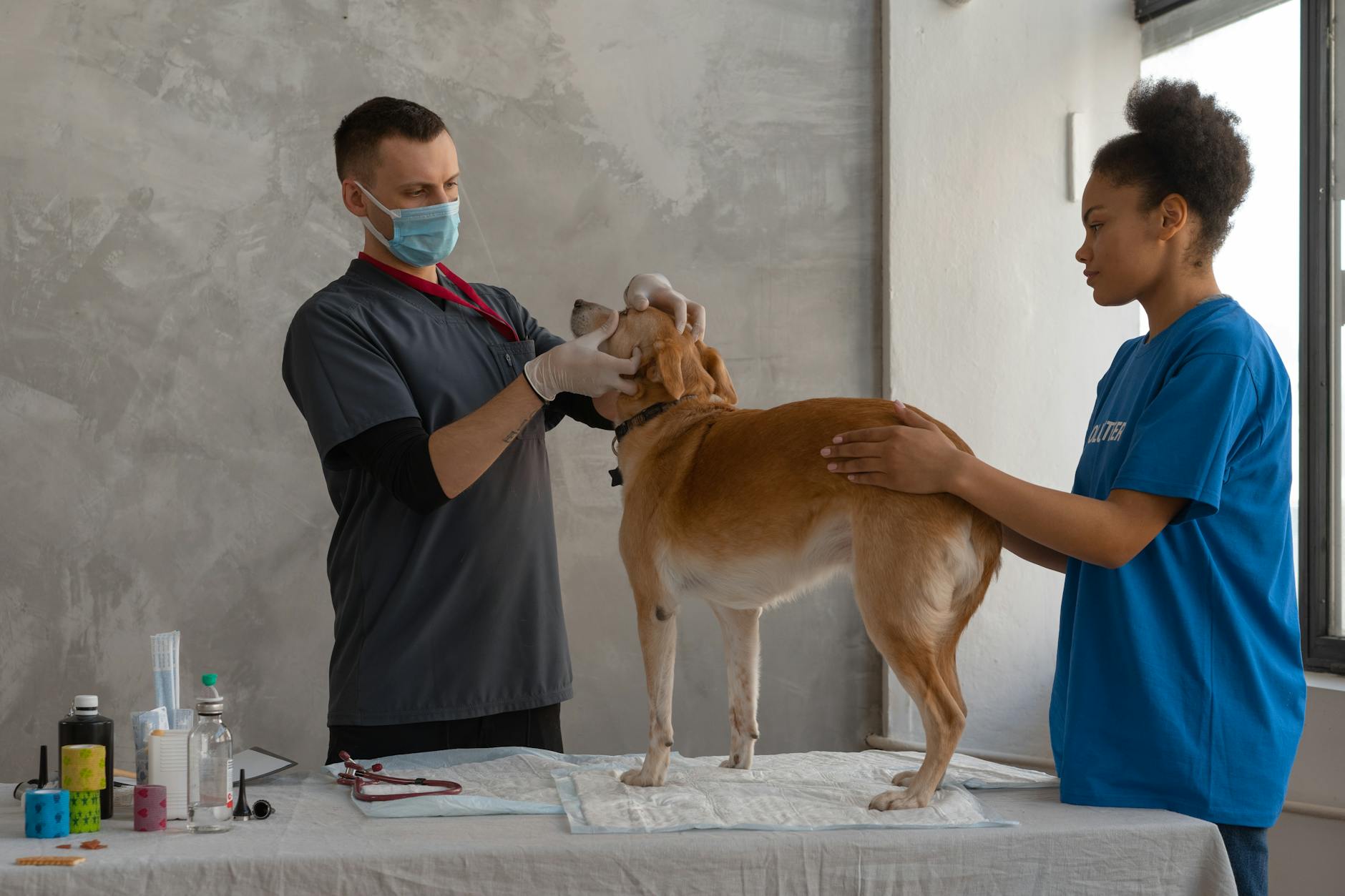
While the Catahoula is a robust and hardy working breed, they are genetically predisposed to several significant hereditary conditions. In my practice, I strongly advocate for proactive genetic screening and regular veterinary orthopedic evaluations to catch these issues early.
Hip Dysplasia
An inherited orthopedic condition where the hip joint doesn’t fit properly, leading to painful arthritis and lameness. I recommend PennHIP or OFA screening for all breeding dogs.
Congenital Deafness
Directly linked to the merle gene; double-merle Catahoulas (excessive white coats) are at an extremely high risk for unilateral or bilateral deafness. I perform BAER testing on puppies to confirm hearing status.
Hypothyroidism
An underactive thyroid gland that slows the dog’s metabolism, common in middle-aged Catahoulas. It is easily managed with daily oral hormone replacement therapy.
Progressive Retinal Atrophy (PRA)
A family of genetic eye diseases that cause gradual degeneration of the retina, leading to irreversible blindness. Annual companion animal eye registry (CAER) exams are critical.
Gastric Dilatation-Volvulus (GDV/Bloat)
A life-threatening emergency where the stomach fills with gas and twists. Because of their deep chests, Catahoulas are anatomically predisposed to this condition.
How long do Catahoula Leopard Dogs typically live?
The typical lifespan for a Catahoula Leopard Dog is 10 to 14 years. With a high-quality diet, regular veterinary checkups, joint support, and preventative care, many can live active lives well into their double digits.
What to Feed a Catahoula Leopard Dog
Proper nutrition is vital to fuel this high-octane working dog and protect their joints. I always tell owners that maintaining a lean body condition is the single best thing they can do to prevent early-onset joint issues.
Best Diet
They thrive on a high-quality, large-breed formula rich in animal proteins and fats to sustain their energy. If your dog is a working animal or heavily exercised, look for performance diets, but consult your vet to avoid overfeeding inactive house pets.
How to Feed
Because of their deep chests and risk for bloat, I advise splitting their daily food into two or three smaller meals rather than one large feeding. Use a slow-feeder bowl and strictly avoid vigorous exercise for one hour before and after meals.
How Much to Feed
Portion sizes typically range from 3 to 5 cups of high-quality kibble daily, depending on their weight, age, and activity level. Always consult your veterinarian to calculate exact caloric needs based on a Body Condition Score assessment.
Nutritional Tips
Adding joint supplements containing glucosamine, chondroitin, and Omega-3 fatty acids (like EPA and DHA) early in life is highly beneficial. These compounds help support joint cartilage and manage the wear-and-tear of high-impact activity.
Catahoula Leopard Dog Grooming Guide
The Catahoula’s coat is remarkably low-maintenance, requiring minimal professional grooming. However, routine preventative care for their ears, nails, and teeth is essential to keep them in peak health.
Coat Care
Weekly brushing with a rubber curry comb or bristle brush is sufficient to remove dead hair and distribute natural skin oils. Bathe them only when necessary (usually every 6-8 weeks) to avoid drying out their skin.
Skin Care
Catahoulas with lighter merle coats can be prone to solar dermatitis (sunburn); I advise applying dog-safe sunscreen to exposed pink skin during peak sun hours.
Eye Care
Monitor their eyes weekly for discharge, redness, or cloudiness, which can be early indicators of PRA or corneal irritation from outdoor brush.
Ear Care
Clean their ears bi-weekly with a vet-approved, drying ear cleanser, especially if they swim, to prevent yeast and bacterial otitis externa.
Nail & Dental Care
Trim their fast-growing nails every 2-3 weeks to prevent splaying, and brush their teeth daily with dog-specific enzymatic toothpaste to prevent periodontal disease.
Considerations for Pet Parents
Pros
- Fiercely loyal and protective family guardian
- Highly intelligent and capable of complex tasks
- Extremely athletic and durable companion for outdoor adventures
- Low-maintenance coat that is easy to groom
- Unique, striking appearance with diverse coat and eye colors
- Excellent working and herding instincts
Cons
- Requires intense daily physical and mental exercise
- Strong prey drive and potential for dog-on-dog assertiveness
- Can be aloof, reserved, or suspicious of strangers
- Not suited for apartment living or novice dog owners
- Prone to genetic health issues like deafness and hip dysplasia
Best For
Experienced dog owners with an active, outdoor lifestyle or a working farm environment. They do best in homes with a large, securely fenced yard where they have a specific daily job to perform.
Not Recommended For
Novice owners, apartment dwellers, or families who are away from home for long hours. They are also not ideal for households with small pocket pets or those unwilling to commit to rigorous, lifelong training.
Cost
- purchase price$800 – $2,500
- monthly cost$150 – $300
- initial setupExpect to spend $1,200 to $2,500 initially on high-quality veterinary care (vaccines, spay/neuter, microchipping), secure 6-foot fencing, heavy-duty crates, and training classes.
Similar Breeds


Catahoula Leopard Dog FAQs
Why do Catahoulas have blue eyes?
Their striking blue or glass eyes are caused by the merle gene, which dilutes pigment in the coat and eyes. It is a natural, recognized breed characteristic, though double-merle breeding can link this to hearing and vision deficits.
Do Catahoula Leopard Dogs climb trees?
Yes, they are famous for their ability to climb trees. Their webbed feet and strong, muscular bodies give them incredible agility and grip, which they historically used to herd wild hogs or chase game up inclined trees.
Are Catahoulas aggressive?
They are not inherently aggressive, but they are naturally protective and highly territorial. Without thorough early socialization, their natural suspicion of strangers can manifest as defensive aggression, which is why clinical behaviorists emphasize early training.
What are ‘cracked’ eyes in Catahoulas?
A cracked eye, also known as heterochromia, is when an eye has two different colors within the same iris (e.g., half blue and half brown). This is a common and completely normal genetic trait in the breed.
Do Catahoula Leopard Dogs have webbed feet?
Yes, they have prominent webbing between their toes that extends almost to the ends of their toes. Historically, this helped them navigate the marshy, swampy terrain of Louisiana and makes them excellent swimmers.
How do you socialize a Catahoula puppy?
Socialization should be structured and positive, exposing them to at least 100 different people, environments, and other animals before 16 weeks of age. I advise avoiding dog parks, opting instead for controlled puppy classes and supervised playdates.
Are Catahoulas prone to separation anxiety?
Yes, because they form exceptionally strong bonds with their human family, they can easily develop separation anxiety if left alone for extended periods. This often manifests as destructive chewing, digging, or continuous howling.
How much exercise does a Catahoula need daily?
A healthy adult Catahoula requires a minimum of 60 to 90 minutes of vigorous daily exercise. This should include running, hiking, or working, combined with mental stimulation like food puzzles or scent work.
What is a double-merle Catahoula?
A double-merle occurs when two merle dogs are bred together, resulting in puppies inheriting two copies of the merle gene. This often causes excessive white coats and a very high risk of congenital deafness and microphthalmia (abnormally small, blind eyes).
Are Catahoulas good watchdog candidates?
They are outstanding watchdogs and natural guardians. They are highly alert and will immediately vocalize to alert you of intruders, but their protective instincts must be carefully managed so they do not become overly reactive.
Can Catahoula Leopard Dogs live in hot climates?
Originating in Louisiana, they are highly tolerant of hot and humid climates due to their single, short coats. However, like any dog, they require access to shade, fresh water, and air conditioning during extreme summer heatwaves.
When does a Catahoula fully mature?
Catahoulas are slow-maturing dogs both physically and mentally. They typically reach their full physical height and weight by 18 to 24 months, but their intense working minds and puppy-like energy can persist until they are 3 years old.
What is masticatory muscle myositis in Catahoulas?
While not exclusive to the breed, some Catahoula lines can be affected by Masticatory Muscle Myositis (MMM), an autoimmune condition where the immune system attacks the chewing muscles. Early signs include difficulty opening the mouth, jaw pain, and muscle wasting.