
Colorpoint Shorthair Breed Guide

Quick Summary
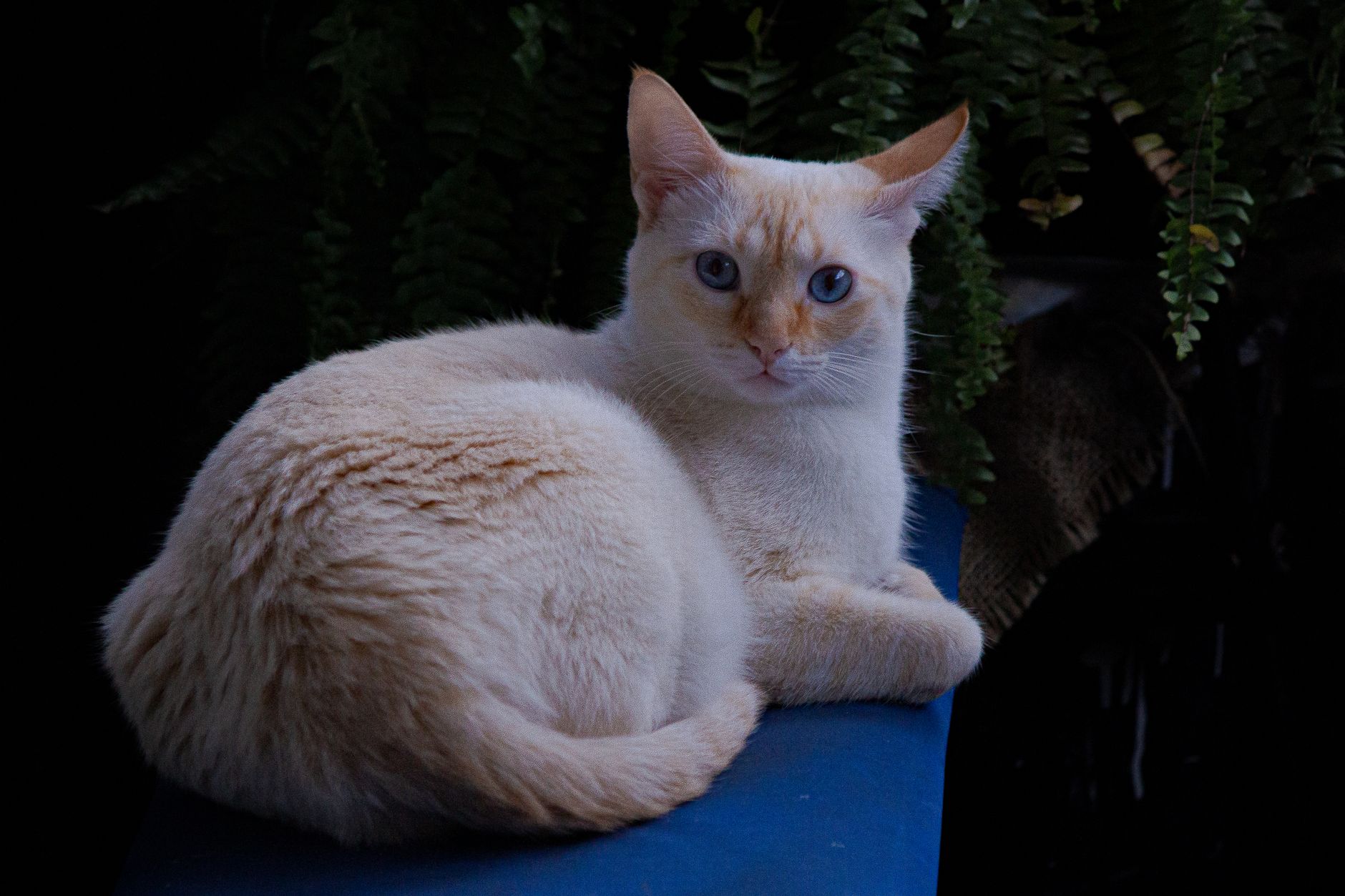
The Colorpoint Shorthair is an exceptionally vocal, highly intelligent, and svelte companion that brings the striking patterns of non-traditional points to the elegant Siamese silhouette. Ideal for owners who want an interactive, dog-like pet, this breed thrives on deep emotional connections and constant stimulation, making them a poor fit for quiet or frequently empty households.
Quick Facts
- origin countryUnited States
- breed groupShorthair / Siamese Group
- sizeMedium
- weight range5 to 10 pounds (males up to 12 pounds)
- height range8 to 11 inches
- lifespan12 to 16 years
- coat typeShort, fine, close-lying gloss
- common colorsRed, Cream, Lynx, and Tortie points (16 point colors total)
- other namesColorpoint, Pointed Shorthair
- recognized byCFA, CCA, AACE
Caring for a Colorpoint Shorthair
Living with a Colorpoint Shorthair is less like owning a cat and more like living with an incredibly vocal roommate who demands to know your location at all seconds. In my experience, they are highly active, jumping to the tops of doors and demanding physical play. Their thin single coat means they constantly seek out warm spots, including your lap or the interior of your duvet. Expect daily conversations, as they have a distinctive raspy yowl and will argue with you if they feel ignored.
Is a Colorpoint Shorthair a good family pet?
Yes, absolutely, provided the family understands they are not hands-off ornaments. I’ve found they love energetic children who will throw toys or run around with them, easily forming intense bonds with everyone in the household.
Do Colorpoint Shorthairs shed a lot?
They are very low shedders compared to double-coated breeds. Their short, single coat lacks a dense undercoat, so a quick weekly brushing with a rubber curry brush is usually more than enough to manage loose hairs.
Is a Colorpoint Shorthair good for first-time owners?
I always tell prospective owners that their high-intensity personality can be overwhelming for beginners. If you want a quiet, independent cat, this breed will shock you with their vocal demands, but they are incredibly rewarding if you want a true companion.
Temperament & Personality
The Colorpoint Shorthair possesses an intense, lively, and highly extroverted personality that is virtually identical to their Siamese ancestors. I have observed that they feel emotions very deeply—they will display joyous affection, clear jealousy, and even profound loneliness if left alone too long. They are natural comedians who will invent games just to keep your eyes on them. Their intelligence means they learn your routines quickly and will manipulate you into getting extra treats.
Is a Colorpoint Shorthair good with other pets?
They do incredibly well with other animals, especially active dogs and other high-energy cats. In my experience, keeping a Colorpoint as an only pet is actually risky because they get bored easily; having a playmate is a fantastic way to burn off their mental energy.
How much attention does a Colorpoint Shorthair need?
They require a massive amount of daily attention and do not tolerate isolation well. If you work long hours outside the home, a Colorpoint will likely develop behavioral issues out of frustration and loneliness.
Training & Behavior
Because of their high intelligence and desire to please, Colorpoint Shorthairs are incredibly receptive to training. I have easily trained them to fetch small toys, sit on command, and even walk on a harness using clicker training and positive reinforcement. However, if you don’t actively train them, they will train themselves—often learning how to open cabinets, turn on faucets, and retrieve items from your trash.
Training Tips
- Use clicker training with high-value rewards like freeze-dried chicken.
- Keep training sessions short and dynamic—about 3 to 5 minutes at a time.
- Never use physical or vocal punishment, as they are highly sensitive.
- Provide food puzzles to feed their active minds daily.
- Start harness training early, ideally around 12 to 16 weeks of age.
Fun Activities
- Interactive clicker training
- Fetching felt balls or crinkle toys
- Leash-guided outdoor walks
- Agility obstacle courses
- Solving level 3 food puzzles
- Chasing feather wands
Is a Colorpoint Shorthair easy to train?
Yes, they are among the easiest of all cat breeds to train. Their high food drive and deep curiosity make them excellent candidates for learning complex tricks and house rules, provided you keep the sessions mentally stimulating.
Colorpoint Shorthair Health Issues

Generally, Colorpoint Shorthairs are robust, athletic cats, but they share the exact same genetic vulnerabilities as the Siamese breed. Working with a reputable breeder who performs extensive genetic and cardiac screenings is essential to avoid inherited issues.
Progressive Retinal Atrophy (PRA)
An inherited degenerative eye disease that leads to progressive blindness due to the loss of photoreceptors.
Systemic Amyloidosis
This condition occurs when a non-functional protein called amyloid deposits in organs, particularly the liver and kidneys, eventually leading to organ failure.
Hypertrophic Cardiomyopathy (HCM)
The most common form of heart disease in cats, causing the muscular walls of the heart to thicken, which impairs blood flow and can lead to sudden heart failure.
Feline Asthma
An allergic airway disease characterized by chronic inflammation of the lungs and airways, often triggered by environmental irritants like dust, perfumes, or smoke.
Strabismus (Crossed Eyes)
A cosmetic condition common in pointed breeds where the eyes do not properly align due to neurological wiring of the visual pathways; it rarely affects their daily quality of life.
Periodontal Disease
Colorpoints have narrow, svelte heads that can crowd their teeth, making them highly susceptible to severe plaque buildup, gingivitis, and early tooth loss.
How long do Colorpoint Shorthairs typically live?
With proper nutrition, regular veterinary care, and an indoor-only lifestyle, Colorpoint Shorthairs typically live between 12 and 16 years. Some well-cared-for individuals even reach 18 to 20 years of age.
What to Feed a Colorpoint Shorthair
Colorpoints have extremely high metabolic rates and svelte, muscular bodies that should never become overweight. Keeping them lean is crucial for their joint and cardiovascular health over their lifespan.
Best Diet
I highly recommend a high-protein, low-carbohydrate wet diet to maintain their lean muscle mass and keep them hydrated. Quality wet food helps prevent urinary tract issues, which are common in active, svelte breeds.
How to Feed
Avoid free-feeding kibble, which easily leads to obesity. Instead, establish a strict routine of 2 to 3 small, scheduled meals per day, using interactive puzzle feeders to slow down their eating and provide mental stimulation.
How Much to Feed
Generally, an adult Colorpoint needs about 200 to 250 calories per day, depending on their weight and activity level. Always consult your veterinarian to customize caloric intake based on your cat’s specific body condition score.
Nutritional Tips
Ensure the first ingredient is a named meat (like chicken or salmon) rather than a meat byproduct. Adding a high-quality source of Omega-3 fatty acids can keep their short, glossy coat looking incredibly sleek.
Colorpoint Shorthair Grooming Guide
Grooming a Colorpoint Shorthair is an absolute breeze and takes very little time. Their short, single coat doesn’t mat, making them one of the lowest-maintenance breeds in terms of brushing.
Coat Care
Brush their coat once a week with a rubber grooming mitt or a soft-bristle brush to remove loose hairs. This also distributes natural skin oils, keeping their coat brilliantly glossy.
Skin Care
Because they have thin coats, they are sensitive to sunburn and cold drafts. Keep them indoors and provide warm, heated beds or sunny window perches.
Eye Care
Wipe away any minor tearing or crusting in the corners of their eyes with a damp, warm cotton ball, using a clean area of the ball for each eye.
Ear Care
Check their large ears weekly for dirt, wax, or signs of mites. Wipe them clean with a cotton round dampened with a veterinarian-approved ear cleaner.
Nail & Dental Care
Clip their nails every 2 to 3 weeks. Brush their teeth daily or at least three times a week with pet-safe toothpaste to combat their high genetic risk for dental disease.
Considerations for Pet Parents
Pros
- Incredibly affectionate and fiercely loyal
- Highly intelligent and easy to train
- Very low-maintenance grooming routine
- Energetic, playful, and highly entertaining
- Typically gets along fantastic with other pets
- Stunning, unique pointed coat variations
Cons
- Extremely loud and constantly vocal
- Highly demanding of attention and time
- Prone to separation anxiety if left alone
- Sensitive to cold temperatures and drafts
Best For
The ideal owner is someone who works from home or has an active household where the cat won’t be left alone for long periods. They are perfect for owners who want a highly interactive, dog-like cat who will sleep under the covers and participate in daily tasks.
Not Recommended For
They are not recommended for busy professionals who travel frequently or are out of the house 12 hours a day. They also won’t suit individuals seeking a quiet, calm, or hands-off pet who stays out of the way.
Cost
- purchase price$1,000 – $2,500
- monthly cost$80 – $150
- initial setupExpect to spend $500 to $800 initially on genetic testing verification, high-quality cat trees, interactive toys, litter boxes, and initial veterinary vaccinations.
Similar Breeds

Siamese
Balinese
Colorpoint Shorthair FAQs
What is the difference between a Siamese and a Colorpoint Shorthair?
Genetically and structurally, they are nearly identical. The primary difference lies in coat colors; the Siamese breed standard only allows four traditional colors (seal, blue, chocolate, and lilac), while the Colorpoint Shorthair category was created to include non-traditional colors like red, cream, lynx, and tortie points.
Why does my Colorpoint Shorthair’s coat change color?
Like all pointed breeds, Colorpoint Shorthairs carry a temperature-sensitive enzyme that produces pigment only in cooler areas of the body (ears, paws, tail, and face). In my experience, their body coats may darken during cold winter months or as they age, while warm climates can cause their coats to stay lighter.
Are Colorpoint Shorthairs hypoallergenic?
No cat is entirely hypoallergenic, and Colorpoint Shorthairs still produce the Fel d 1 protein in their saliva and skin. However, because they have short, single coats and shed very little, some mild allergy sufferers find they tolerate them better than thick-coated breeds.
Do they need a companion cat?
I highly recommend getting a second active cat or dog if you are out of the home for more than a few hours a day. Colorpoints are highly social herd animals by nature, and having a companion to play and snuggle with prevents destructive behaviors and depression caused by boredom.
How vocal are Colorpoint Shorthairs really?
They are extraordinarily vocal and have a loud, raspy, almost crying voice. They will loudly narrate their day, complain if dinner is late, tell you about a bug they saw, and demand answers when you talk to them. If you prefer a quiet home, this is definitely not the breed for you.
Are they lap cats?
Yes, but on their own active terms. Once they have burned off their high energy, they are incredibly affectionate velcro cats who will insist on sleeping on your lap, on your neck, or snuggled deep under the bed covers next to you.
Do Colorpoint Shorthairs jump high?
Absolutely, they are svelte, athletic, and possess incredible leaping abilities. In my experience, they love high vantage points, so you can expect to find them on top of your refrigerator, tall bookshelves, and doors. Sturdy, tall cat trees are a must.
How do they handle cold weather?
Because they have a thin, single coat and low body fat, they get cold very easily. They will constantly seek out heat sources, so I recommend providing heated pet beds, self-warming blankets, and cozy sweaters if your home runs cold during winter.
Are they prone to scratching furniture?
Like any active breed, they need to stretch and mark territory, but they do not scratch destructively if provided with proper outlets. I advise setting up multiple tall, sturdy sisal scratching posts and cat trees near their favorite rooms to protect your furniture.
Can they be left alone during vacations?
No, they do not handle being left alone with just a food dispenser for weekends. They require human interaction, and the isolation can cause extreme stress, leading to litter box avoidance or self-destructive grooming. Always hire a dedicated pet sitter.
Are Colorpoint Shorthairs prone to obesity?
While they are naturally active and svelte, their high food drive can lead to obesity if they are overfed or free-fed dry kibble. Keeping them lean is crucial because excess weight puts severe strain on their delicate joints and svelte skeletal structure.
What kind of toys do they like best?
They prefer interactive toys that mimic prey, like feather wands, laser toys, and small felt balls they can carry in their mouths. They also excel at solving treat-dispensing puzzle toys, which keeps their sharp brains busy while you are occupied.
At what age do they reach full maturity?
While they reach physical sexual maturity early (sometimes as young as 5 months), they generally continue to fill out structurally and mature mentally until they are about 1 to 2 years old.
Why is my Colorpoint Shorthair scratching or biting me?
This behavior is almost always a sign of under-stimulation or over-stimulation during play. Colorpoints have intense play drives; if they do not get enough structured interactive play with toys, they will direct that energy toward your hands or feet.