
Bloodhound Breed Guide

Quick Summary
The Bloodhound is a majestic, gentle giant famous for its peerless tracking nose, sweet-natured disposition, and deep, soulful wrinkles. Best suited for active, patient owners with secure yards, this breed requires someone who can handle copious drool, a distinct hound odor, and an incredibly independent, scent-driven mind.
Quick Facts
- origin countryBelgium / France
- breed groupHound
- sizeLarge to Giant
- weight range80 to 110 pounds (females), 90 to 130 pounds (males)
- height range23 to 25 inches (females), 25 to 27 inches (males)
- lifespan7 to 10 years
- coat typeShort, dense, weatherproof
- common colorsBlack & Tan, Liver & Tan, Red
- other namesChien de Saint-Hubert, St. Hubert Hound
- recognized byAKC, UKC, FCI
Caring for a Bloodhound
Living with a Bloodhound means embracing a lifestyle filled with heavy drool, unique musty aromas, and wonderful, goofy companionship. I have found that they are peaceful couch potatoes indoors, provided they receive a solid daily walk to satisfy their intense mental need to sniff. A securely fenced yard is non-negotiable; if a Bloodhound catches an interesting scent trail, they will follow it blindly across dangerous roads and rugged terrain without ever looking back. Prospective owners must also be prepared for daily wrinkle cleaning and ear inspections to keep this giant healthy.
Is a Bloodhound a good family pet?
Yes, they are exceptionally gentle, patient, and tolerant companions who form deep bonds with their human pack. However, their sheer size and heavy, whipping tail can easily knock over small toddlers, so supervision is always necessary.
Do Bloodhounds shed a lot?
They are moderate to heavy year-round shedders, with heavier seasonal blowouts during the spring and fall. Weekly brushing with a rubber grooming mitt is essential to keep the loose hairs from taking over your furniture and clothing.
Is a Bloodhound good for first-time owners?
I do not recommend them for beginners because their combination of massive physical strength, intense stubbornness, and single-minded scent drive can easily overwhelm an inexperienced handler.
Temperament & Personality
In my experience, Bloodhounds possess a striking duality: they are extraordinarily gentle, laid-back sweethearts inside the home, but fiercely determined and unstoppable once they are on a scent trail. They are highly social pack animals that crave human affection and love nothing more than leaning their massive bodies against you. While they are peaceful and rarely show dog-on-dog aggression, they are incredibly independent and will stubborn out if they feel forced or rushed into doing something.
Is a Bloodhound good with other pets?
Generally, yes; they tend to coexist peacefully with other dogs and can live with cats if socialized from puppyhood. However, their moderate prey drive means they may chase small animals outside, so cautious introductions are vital.
How much attention does a Bloodhound need?
They are highly social and do not tolerate isolation well; leaving them alone for long stretches often leads to separation anxiety and destructive behavior. I always warn owners that they are not ‘yard dogs’ to be left outside, despite their rugged appearance.
Training & Behavior
Training a Bloodhound requires a shift in mindset because they were bred to work miles ahead of a handler, making decisions on their own. If they catch a scent, your voice commands instantly become background noise, which is why off-leash reliable recall is virtually non-existent in this breed. Focus on positive reinforcement, high-value treats like freeze-dried liver, and keeping training sessions short and engaging.
Training Tips
- Never use harsh or physical discipline, as they are surprisingly sensitive souls.
- Always use highly fragrant, premium treats to compete with environmental smells.
- Keep all outdoor training sessions on a leash or within a securely fenced area.
- Start intensive socialization and basic obedience from 8 weeks of age.
- Keep sessions short, under 10 minutes, to prevent them from tuning you out.
Fun Activities
- Mantrailing and recreational tracking
- AKC Scent Work and nose work games
- Leashed hiking in secure, scenic parks
- Canicross or slow jogging
- Interactive puzzle toys and snuffle mats
Is a Bloodhound easy to train?
No, they are notoriously challenging to train using traditional obedience methods due to their independent, scent-focused nature. They require consistent, reward-based training and an owner who accepts they will never respond with the instant obedience of a retriever.
Bloodhound Health Issues
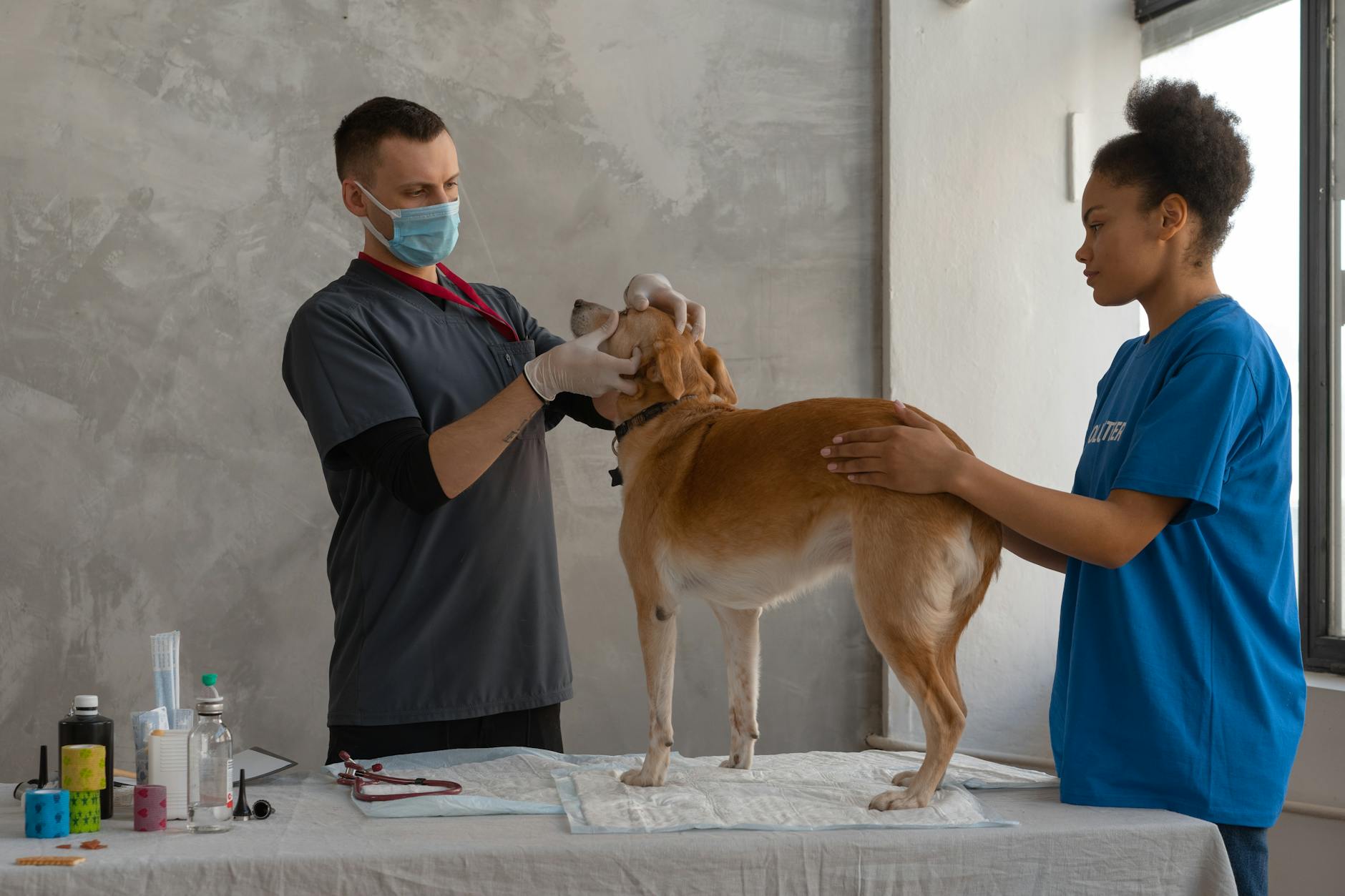
While robust in appearance, Bloodhounds are prone to several serious, life-threatening genetic conditions and structural issues due to their deep chests and heavy folds of skin. Purchasing from a reputable breeder who performs OFA clearances for hips, elbows, cardiac health, and eyes is absolutely critical.
Gastric Dilatation-Volvulus (GDV or Bloat)
A life-threatening emergency where the deep chest allows the stomach to fill with gas and twist, cutting off blood flow to vital organs. This is the leading cause of death in Bloodhounds, occurring suddenly after eating or drinking too fast.
Hip and Elbow Dysplasia
A genetic developmental deformity where the joints do not fit together perfectly, leading to painful arthritis, joint degeneration, and mobility issues. Keeping them at a lean weight helps manage the severity of symptoms.
Ectropion and Entropion
Eye disorders where the eyelids either roll outward (ectropion), exposing the delicate membrane, or inward (entropion), causing the eyelashes to rub against the cornea. Both are highly common due to the breed’s loose, droopy skin.
Otitis Externa (Ear Infections)
The Bloodhound’s long, heavy ear flaps trap moisture, dirt, and yeast inside the canal, making them highly susceptible to chronic, painful ear infections.
Skin Fold Dermatitis
Moisture, bacteria, and yeast easily get trapped in the deep wrinkles on their face and neck, leading to painful, smelly skin infections.
How long do Bloodhounds typically live?
They generally have a lifespan of 7 to 10 years. While some may reach 11 or 12, their life expectancy is often shortened by major health crises like gastric torsion (bloat) or cancer.
What to Feed a Bloodhound
Proper nutrition is vital for managing a Bloodhound’s rapid puppy growth rate and preventing serious digestive issues later in life. Because of their high risk for bloat, how you feed them is just as important as what you feed them.
Best Diet
I recommend a high-quality, large-breed-specific dry kibble formulated to support joint health with added glucosamine and chondroitin. Puppies must be fed a large-breed puppy formula to ensure their bones and joints develop at a safe, controlled rate.
How to Feed
Split their daily food into at least two or three smaller meals, and never feed them from an elevated bowl, as recent veterinary studies suggest this can actually increase the risk of bloat. Keep them calm and resting for at least one hour before and after every meal.
How Much to Feed
An adult Bloodhound typically eats between 4 to 8 cups of high-quality kibble daily, depending on their weight, age, and activity level. Always consult your veterinarian to establish an exact caloric goal based on a body condition score.
Nutritional Tips
Avoid diets rich in high-fat ingredients right before exercise, and always ensure they have access to fresh water, though you should monitor water intake after vigorous play to prevent gulping.
Bloodhound Grooming Guide
Grooming a Bloodhound is less about maintaining a long coat and more about intensive hygiene care for their heavy wrinkles, ears, and drool. If you are fastidious about a pristine, odor-free home, this is definitely not the breed for you.
Coat Care
Their short, dense coat should be brushed once or twice a week with a rubber curry brush or hound glove to remove dead hair and distribute natural skin oils. They only need baths every 4 to 6 weeks unless they’ve rolled in something smelly.
Skin Care
You must wipe out their facial and neck wrinkles daily with a damp cloth or specialized pet wipes, ensuring you dry them completely afterward. Left damp, these dark, warm folds become breeding grounds for painful yeast and bacterial infections.
Eye Care
Check their droopy eyes daily for debris, redness, or discharge, wiping away any tear crusting gently with a soft, damp cloth.
Ear Care
Inspect and clean their long, heavy ears at least once a week using a veterinarian-approved drying ear cleaner. Gently wipe the outer canal with a cotton ball, never inserting cotton swabs deep into the ear.
Nail & Dental Care
Trim their thick nails every 2 to 3 weeks to prevent joint strain, and brush their teeth at least three times a week with dog-safe toothpaste to prevent periodontal disease.
Considerations for Pet Parents
Pros
- Incredibly gentle, sweet, and patient nature
- Unrivaled trailing and scent-tracking capabilities
- Excellent companions for active, outdoor-loving families
- Quiet house manners once mature and exercised
- Very social and generally gets along well with other dogs
- Low-maintenance coat that is easy to brush
Cons
- Produces massive amounts of drool and slobber
- Strong, distinct ‘hound odor’ that is hard to eliminate
- Incredibly stubborn and difficult to train off-leash
- High risk for life-threatening bloat and joint issues
- Requires extensive daily wrinkle and ear maintenance
- Loud, booming bay when excited or left alone
Best For
Active families, experienced dog owners, or search-and-rescue volunteers who live in a house with a large, securely fenced yard and don’t mind drool, heavy hound scent, and a dog with a strong mind of its own.
Not Recommended For
Apartment dwellers, pristine clean-house enthusiasts, first-time dog owners, or families who want a highly obedient, off-leash companion that will return immediately when called.
Cost
- purchase price$1,500 to $3,000
- monthly cost$150 to $250
- initial setupExpect to spend $1,000 to $2,000 initially on high-quality orthopedic dog beds, extra-large crates, secure heavy-duty fencing, and immediate veterinary preventative gastropexy surgery considerations.
Similar Breeds
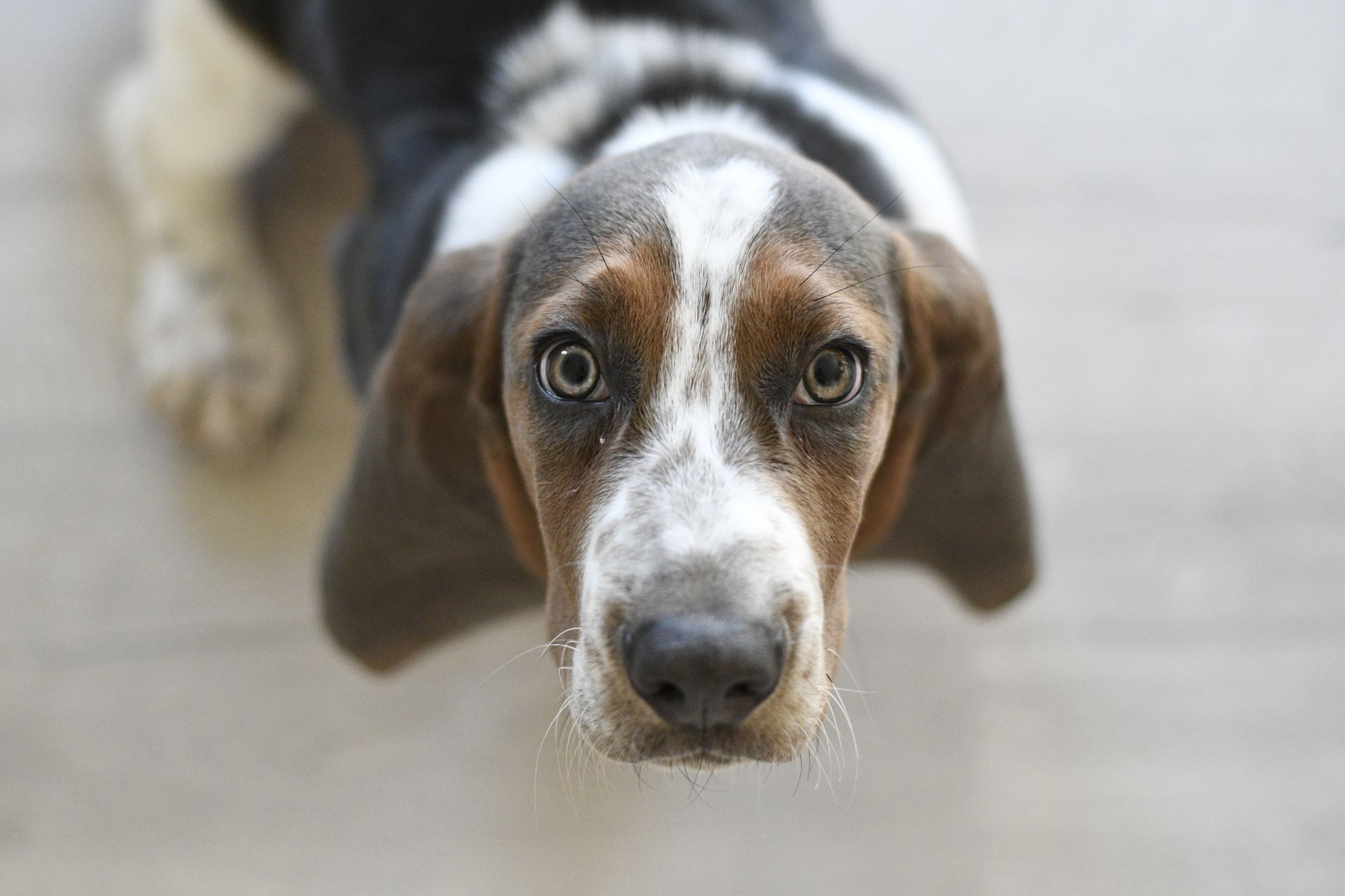
Basset Hound
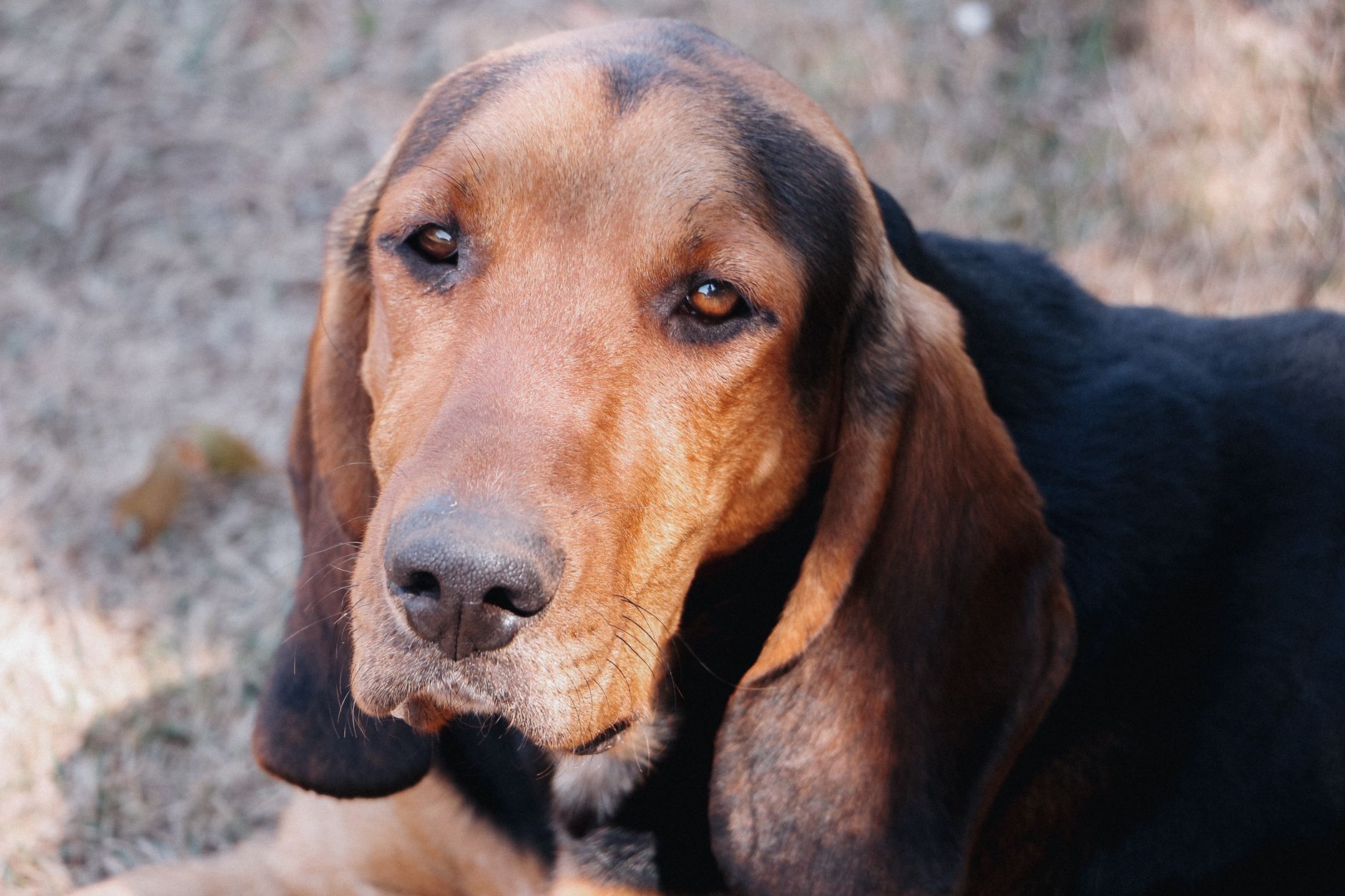
Black and Tan Coonhound
Bloodhound FAQs
Why do Bloodhounds have so many wrinkles?
Their deep facial wrinkles and loose skin aren’t just for looks; they serve a vital biological function. When a Bloodhound puts its head down to trail, the loose skin falls forward to frame the nose and trap scent particles close to the ground, feeding odor directly to their highly sensitive nose.
Do Bloodhounds smell bad?
Yes, they have a very distinct, oily ‘hound odor’ that many owners describe as musty. This smell is produced by the natural oils in their skin which protect their coat, and it can be exacerbated by yeast growing in their damp ear canals and facial wrinkles.
Can a Bloodhound be trusted off-leash?
Absolutely not. In my experience, a Bloodhound should never be let off-leash in an unsecured area. Their tracking instinct is so powerful that if they catch a scent, they will tune out all verbal commands and follow it blindly into oncoming traffic or deep woods.
How much exercise does a Bloodhound need?
While they are calm indoors as adults, they still require about 60 to 90 minutes of daily exercise. This should include long, leashed walks where they are allowed to sniff, or structured scent-work games that stimulate their minds.
How do you stop a Bloodhound from drooling?
You cannot stop a Bloodhound from drooling; it is a physical byproduct of their loose, pendulous jowls. Experienced owners keep ‘slobber rags’ in every room and in their pockets to wipe their dog’s mouth, especially after they drink or shake their heads.
Are Bloodhounds aggressive?
No, Bloodhounds are famously non-aggressive and are known for their gentle, sweet disposition. However, because they are massive and powerful, they can be intimidating, and they may defend their family if they perceive a direct, serious threat.
Why do Bloodhounds howl or bay?
Bloodhounds do not bark like normal dogs; instead, they produce a deep, booming bay that can carry for miles. They use this vocalization to communicate when they are on a trail, lonely, bored, or alerting you to someone approaching the house.
Is a gastropexy recommended for Bloodhounds?
Yes, many veterinarians highly recommend a preventative gastropexy (stomach-tacking surgery), often performed during spaying or neutering. This procedure tacks the stomach to the abdominal wall, preventing it from twisting if the dog develops bloat, which can save their life.
How big do Bloodhounds get?
They are giant dogs, with males standing 25 to 27 inches tall and weighing up to 130 pounds, while females stand 23 to 25 inches and weigh up to 110 pounds. They don’t reach full physical maturity until they are about two years old.
Are Bloodhounds good with cats?
They can live peacefully with cats if they are raised together and properly socialized from a young age. However, they do have a moderate prey drive and may chase cats that run, so any interactions should be carefully supervised.
Can Bloodhounds live in hot climates?
They can adapt to hot climates, but you must take extreme precautions. Their heavy coats, dark colors, and thick skin make them highly susceptible to heatstroke, so they must have access to air conditioning and restricted exercise during peak heat hours.
How often should I clean my Bloodhound’s ears?
I recommend checking their ears daily and doing a deep clean with a vet-approved ear-drying solution at least once a week. Because their ears are so long and heavy, they completely block airflow, creating a dark, moist environment ripe for yeast infections.
Do Bloodhounds make good guard dogs?
No, they make terrible guard dogs because they are naturally friendly and generally love everyone they meet. While their deep, booming bay and massive size will deter intruders, they are far more likely to lick a burglar than attack them.
What is ‘hound prep’ or ‘slobber-proofing’ a house?
This refers to modifications owners make to handle drool, such as painting walls with washable semi-gloss paint, keeping towels handy, protecting fabric furniture with washable covers, and clearing breakable items from coffee tables that can be cleared by their heavy, swinging tails.
Are Bloodhounds prone to separation anxiety?
Yes, they are deeply loyal pack animals that form incredibly tight bonds with their families. If left alone for long periods without proper conditioning, they can develop severe separation anxiety, resulting in destructive chewing and continuous, booming baying.