
Singapura Breed Guide

Quick Summary
The Singapura is the world’s smallest domestic cat breed, packing an enormous, extroverted personality into a tiny, muscular frame. Famous for their massive eyes, large ears, and stunning sepia-ticked coats, these ‘pesky people cats’ thrive on constant human interaction, making them ideal for highly active households that want an incredibly social, Velcro-like companion.
Quick Facts
- origin countrySingapore / United States
- breed groupNatural / Shorthair
- sizeSmall
- weight range4 to 8 lbs (1.8 to 3.6 kg)
- height range6 to 8 inches (15 to 20 cm)
- lifespan11 to 15 years
- coat typeVery short, fine, and close-lying
- common colorsSepia Agouti (dark brown ticking on a warm old ivory ground)
- other namesDrainpipe Cat, Kucinta
- recognized byCFA, TICA, FIFe, GCCF
Caring for a Singapura
Living with a Singapura is like sharing your home with a permanently energetic toddler who has wings. In my experience, they never truly grow out of their kitten phase, constantly seeking out the highest vantage points in your home, from the tops of doors to your shoulders. They demand to be involved in every single household activity, whether you are cooking dinner, folding laundry, or typing on your laptop. While their grooming needs are practically non-existent, their emotional and mental stimulation needs are exceptionally high.
Is a Singapura a good family pet?
Yes, they make fantastic family pets because of their highly social and playful nature. However, because of their tiny size, I always advise supervising them around young toddlers who might handle them too roughly.
Do Singapuras shed a lot?
No, they are exceptionally low shedders. Their ultra-short, single coat lies flat to the skin and requires minimal maintenance to keep from ending up on your furniture.
Is a Singapura good for first-time owners?
They can be, provided you understand they are not low-maintenance ‘decor’ cats. If you want a quiet, independent pet, a Singapura will overwhelm you, but if you want an interactive shadow, they are perfect.
Temperament & Personality

The Singapura’s personality is defined by an insatiable curiosity and a deep love for human companionship. I often describe them as ‘three pounds of cat and twelve pounds of attitude’ because they simply do not realize how small they are. They are highly vocal in their actions rather than their voices, preferring to nudge, climb, and headbutt you to get your attention. They remain highly active well into their senior years, rarely opting to sit quietly if there is a game to be played.
Is a Singapura good with other pets?
Absolutely. I’ve found that Singapuras thrive in multi-pet households, getting along famously with other active cats and cat-friendly dogs who can keep up with their play style.
How much attention does a Singapura need?
They are a high-need breed when it comes to attention. They do not tolerate being left alone for long stretches of time and can develop separation anxiety if ignored.
Training & Behavior
Singapuras are highly intelligent and remarkably easy to train because they are so eager to interact with their owners. They respond beautifully to positive reinforcement and clicker training, often learning tricks that match their natural athletic abilities. In my experience, they view training sessions as just another fun game to play with their favorite human.
Training Tips
- Use clicker training to channel their high intelligence.
- Incorporate vertical targets, as they love to jump and climb.
- Keep training sessions short, under 5 minutes, to match their fast-paced attention span.
- Reward immediately with high-value, smelly treats like freeze-dried chicken.
- Never use physical punishment, as this will destroy their trust completely.
Fun Activities
- Fetch with crinkly toys or small felt balls
- Agility courses using household chairs and tunnels
- Puzzle feeders and interactive treat-dispensing toys
- Leash walking with a secure, small-sized harness
- Shoulder riding while you walk around the house
Is a Singapura easy to train?
Yes, they are highly trainable due to their intelligence and desire for engagement. They can easily learn to fetch, sit on command, and even walk on a harness if introduced to it early.
Singapura Health Issues
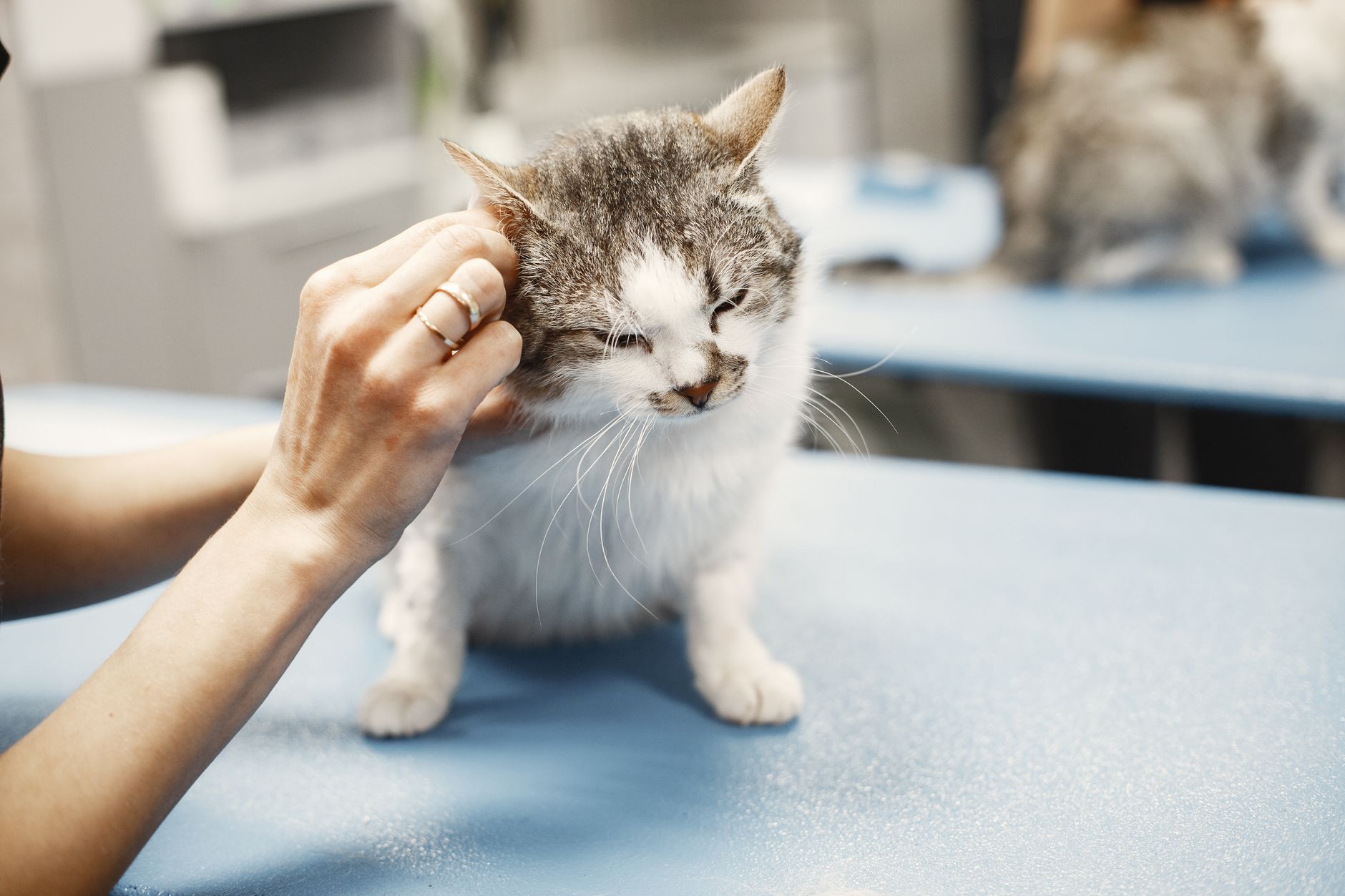
The Singapura is generally a robust and healthy breed, but their small gene pool means they are susceptible to a few specific genetic conditions. Working with an ethical breeder who performs DNA screening is absolutely vital to ensuring a healthy kitten.
Pyruvate Kinase (PK) Deficiency
An inherited genetic enzyme deficiency that causes red blood cells to break down prematurely, leading to chronic hemolytic anemia.
Uterine Inertia
A physical inability to contract the uterine muscles to expel kittens during birth, meaning female Singapuras almost always require C-sections.
Progressive Retinal Atrophy (PRA)
A degenerative eye disease that slowly degrades the retina, eventually leading to complete blindness.
Patellar Luxation
A condition where the kneecaps slip out of their normal groove, which can cause discomfort or lameness over time.
Hypertrophic Cardiomyopathy (HCM)
The most common form of heart disease in cats, causing thickening of the heart walls and potential heart failure.
How long do Singapuras typically live?
With proper care, regular veterinary checkups, and high-quality nutrition, a healthy Singapura typically lives between 11 and 15 years, with some reaching up to 18 years.
What to Feed a Singapura
Because of their high energy levels and small body mass, Singapuras require a nutrient-dense diet to sustain their active lifestyles. They have fast metabolisms but can easily become overweight if overfed, which puts unnecessary stress on their small frames.
Best Diet
A high-protein, moderate-fat diet rich in animal-source proteins (like chicken, turkey, or salmon) is ideal. I highly recommend a mix of high-quality wet food to ensure hydration, alongside premium kibble formulated for active breeds.
How to Feed
Establish a strict feeding schedule of 2 to 3 small, measured meals per day rather than free-feeding. Using puzzle feeders is an excellent way to slow down their eating while providing essential mental stimulation.
How Much to Feed
Generally, an adult Singapura needs about 150 to 200 calories per day, but this varies widely based on age, weight, and activity level. Always consult your veterinarian to establish precise portion sizes for your individual cat.
Nutritional Tips
Look for diets with added Omega-3 fatty acids to support their skin and coat health. Ensure taurine is guaranteed on the label to support heart and eye function.
Singapura Grooming Guide
Grooming a Singapura is a breeze and takes very little time, which is lucky because they would rather be playing than sitting still for a brush. Their short, single coat does not mat and stays naturally clean and glossy with minimal effort.
Coat Care
Brush their coat once a week with a soft-bristled brush or a rubber grooming mitt to remove loose hairs. This also helps distribute their natural skin oils, keeping their sepia coat looking incredibly sleek.
Skin Care
They generally do not need baths unless they manage to get into something messy, as they are meticulous self-groomers.
Eye Care
Due to their large, prominent eyes, they can occasionally get minor tearing. Wipe this away gently using a damp, warm cotton ball, using a fresh surface for each eye.
Ear Care
Check their large, open ears weekly for any wax buildup, dirt, or signs of redness. Wipe the outer ear gently with a veterinary-approved ear cleaner on a cotton pad if necessary.
Nail & Dental Care
Trim their nails every 10 to 14 days, and brush their teeth daily with cat-safe toothpaste to prevent periodontal disease, which is common in small breeds.
Considerations for Pet Parents
Pros
- Extremely affectionate and loving ‘velcro’ companions
- Highly intelligent and easy to train to do tricks
- Minimal grooming requirements and low shedding
- Incredibly playful and entertaining well into old age
- Get along exceptionally well with other pets
- Perfect size for apartment living
Cons
- Require near-constant attention and human interaction
- Can develop separation anxiety if left alone often
- High risk of genetic health issues if not from a reputable breeder
- Prone to climbing on high surfaces you might prefer they avoid
- Hard to find and can be very expensive to purchase
Best For
Active families, work-from-home professionals, or multi-pet households who want a highly interactive, loving companion and can dedicate significant time to play and attention.
Not Recommended For
Busy individuals who spend long hours away from home, households with very young, boisterous toddlers, or anyone looking for a calm, quiet, independent lap cat.
Cost
- purchase price$1,500 to $3,500
- monthly cost$80 to $150
- initial setupExpect to spend $500 to $800 initially on high-quality cat trees, interactive toys, a carrier, litter box, and initial veterinary checkups/vaccinations.
Similar Breeds
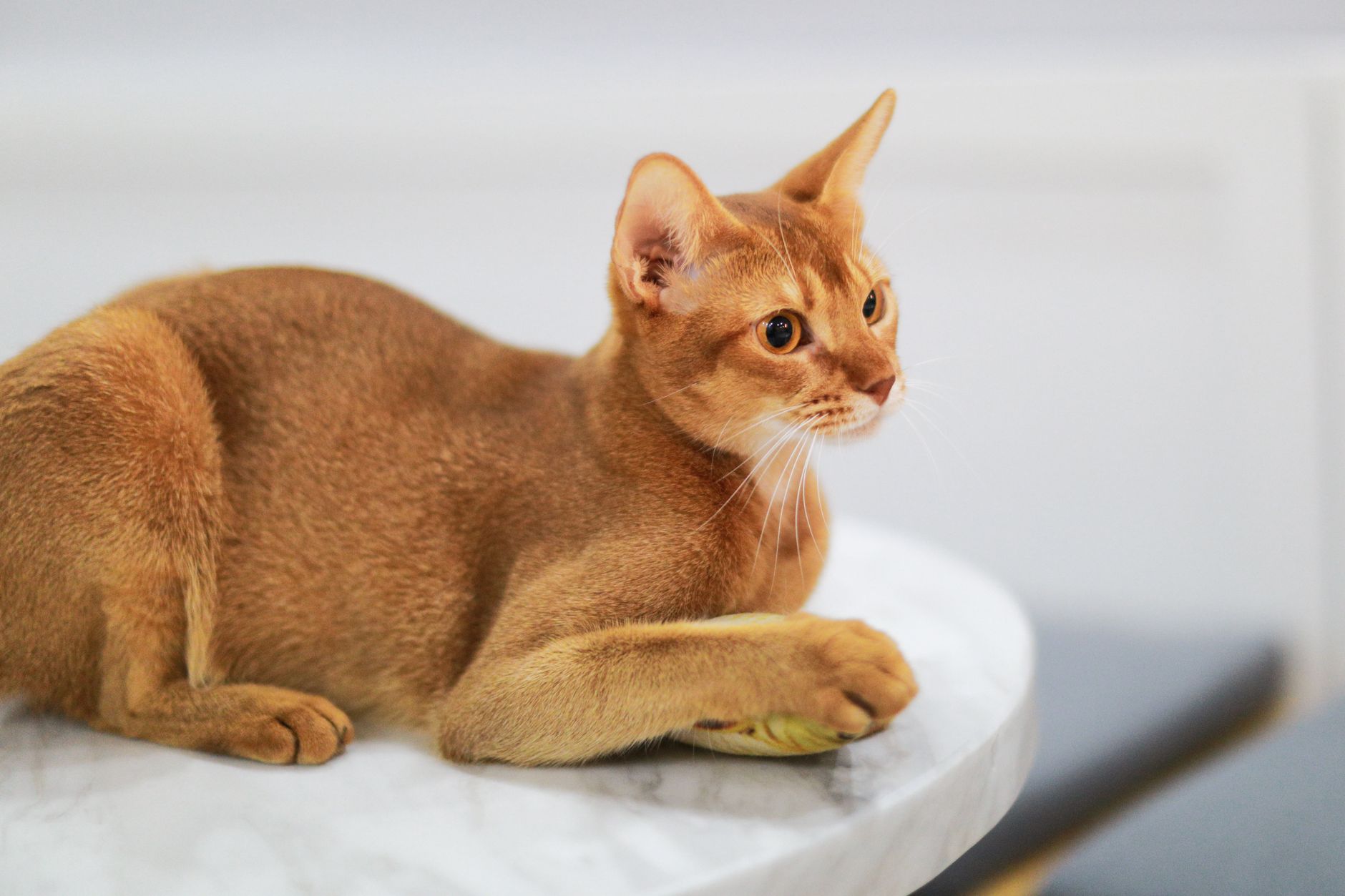
Abyssinian

Burmese
Singapura FAQs
How big do Singapura cats actually get?
They are the smallest registered cat breed in the world. Adult females typically weigh between 4 and 6 pounds, while adult males usually weigh between 6 and 8 pounds.
Are Singapuras vocal cats?
They are not particularly loud or talkative like Siamese cats, but they have soft, quiet voices and will chirp or trill gently to get your attention.
Do they like to be held?
Yes, most Singapuras absolutely adore being held, carried around on your shoulders, or curled up in your lap whenever you sit down.
Can Singapuras be left alone during the work day?
Generally, no. They do not do well alone for 8-10 hours. If you must be away, I highly recommend having another active cat or pet to keep them company.
Why are they called ‘drainpipe cats’?
In Singapore, they were historically known to live in the city’s concrete drainage systems, which is where they developed their small size and agile climbing skills.
Is the Singapura breed hypoallergenic?
No cat is truly hypoallergenic. While they have short coats and shed very little, they still produce the Fel d 1 protein in their saliva and dander, which causes allergies.
Do they require a lot of exercise?
Yes, they have a lot of energy. They need daily active play sessions, climbing structures like tall cat trees, and plenty of interactive toys to keep them stimulated.
Are they prone to cold weather?
Yes, because of their small body size, lack of undercoat, and very short fur, they feel the cold easily. They love heated beds and warm, sunny spots.
Why are Singapura kittens so expensive?
They are rare, have small litter sizes (often only 2-3 kittens), and mothers frequently require expensive C-sections due to uterine inertia, driving up breeding costs.
Do Singapuras scratch furniture?
Like all cats, they need to scratch to maintain their claws. Providing vertical and horizontal scratching posts is essential, especially since they love high vertical surfaces.
At what age is a Singapura fully grown?
Despite their small size, they are a slow-maturing breed. They often do not reach their full physical size, muscularity, and coat development until they are about 15 to 24 months old.
Can Singapuras live with dogs?
Yes, they generally get along very well with dogs, provided the dog is cat-friendly. Their bold, playful nature means they often end up running the household alongside their canine friends.
How did the breed get recognized in the US?
They were brought to the US from Singapore in the mid-1970s by Hal and Tommy Meadow, who established the breeding program that eventually led to CFA recognition in 1988.
Do they jump high?
Remarkably high. Despite their short legs, their hindquarters are incredibly muscular, allowing them to effortlessly spring onto refrigerators, doors, and shoulders.
Do they have a strong prey drive?
Yes, they are highly active hunters. They love chasing laser pointers, feather wands, and anything that moves, making interactive playtime incredibly easy and fun.