
Xoloitzcuintli Breed Guide

Quick Summary
The Xoloitzcuintli is an ancient, highly sensitive, and fiercely loyal companion that thrives in a calm, structured home environment. As a primitive breed, they are highly intuitive and make excellent watchdogs, but their unique physical needs—ranging from intensive skin care in the hairless variety to dental abnormalities—require a dedicated, experienced owner.
Quick Facts
- origin countryMexico
- breed groupNon-Sporting Group (AKC)
- sizeToy, Miniature, and Standard
- weight range10 to 55 lbs (4.5 to 25 kg)
- height range10 to 24 inches (25 to 61 cm) at the shoulder
- lifespan13 to 18 years
- coat typeHairless (skin feels warm and smooth) or Coated (short, flat, dense)
- common colorsBlack, gray, slate, red, bronze, brindle, or tri-color
- other namesXolo, Mexican Hairless Dog
- recognized byAKC, UKC, FCI
Caring for a Xoloitzcuintli
Living with a Xoloitzcuintli is unlike living with any modern domestic breed; they are primitive dogs with deep-rooted instincts and an intensely observant nature. In my practice, I find that their day-to-day care hinges heavily on whether you have the hairless or coated variety, with the hairless requiring meticulous protection from the elements. They are shadow dogs that will follow you from room to room, demanding to be part of every household activity. Because they are highly sensitive to stress, they thrive best in a structured, calm home without chaotic unpredictability.
Is a Xoloitzcuintli a good family pet?
Yes, but they are best suited for quiet families with older, respectful children who understand how to interact with a sensitive dog. In my clinic, I’ve observed that Xolos can become overwhelmed by the loud, unpredictable movements of toddlers. Early socialization is absolutely paramount to ensure they do not become overly protective or aloof.
Do Xoloitzcuintlis shed a lot?
The hairless variety does not shed at all and is a fantastic choice for allergy sufferers, though they still shed dander and saliva. The coated variety has a short, dense coat that sheds minimally and only requires a weekly brush-through. If allergies are your primary concern, I always recommend spending time with a Xolo first to test your personal sensitivity.
Is a Xoloitzcuintli good for first-time owners?
Generally, no, I do not recommend them for novices. Their primitive instincts, sharp intelligence, and sensitivity mean they can easily manipulate an inexperienced handler or become anxious and defensive. They require an owner who understands subtle canine body language and positive reinforcement training.
Temperament & Personality
The Xoloitzcuintli possesses a dual nature: they are incredibly tranquil and dignified indoors, yet highly alert and athletic when outdoors. They are deeply devoted ‘one-person’ or ‘one-family’ dogs, often maintaining a polite but distant attitude toward strangers. In my years treating this breed, I have noticed they are exceptionally empathetic, often mirroring the emotional state of their owners. However, without firm boundaries, their protective instincts can cross into reactivity.
Is a Xoloitzcuintli good with other pets?
They can coexist beautifully with other dogs and even cats if they are raised together from puppyhood. However, because they possess a moderate prey drive, I caution owners to supervise them closely around small pocket pets or birds. In my experience, they prefer the company of other dogs who match their calm, structured playing style.
How much attention does a Xoloitzcuintli need?
They require a high level of emotional connection and do not tolerate being left alone for long periods. They are prone to separation anxiety, which I frequently see manifest as destructive chewing or escape attempts. If you work 10-hour days outside the home, this is definitely not the breed for you.
Training & Behavior
Xolos are highly intelligent but possess a distinct independent streak that stems from their primitive heritage. They learn commands rapidly but will ignore cues if they find the training repetitive, harsh, or boring. I advise owners to utilize reward-based, force-free methods; a single harsh correction can permanently damage your bond with this sensitive breed.
Training Tips
- Use high-value, soft treats
- Keep training sessions under 10 minutes
- Focus heavily on early socialization
- Never use physical or harsh corrections
- Incorporate crate training early on
Fun Activities
- Agility trials
- Lure coursing
- Scent work
- Therapy dog work
- Hiking in mild weather
Is a Xoloitzcuintli easy to train?
They are highly capable of learning complex tasks, but they are not eager-to-please in the way a Golden Retriever is. They require you to prove that cooperation is mutually beneficial. With a patient, consistent handler, they can excel in obedience and agility trials.
Xoloitzcuintli Health Issues
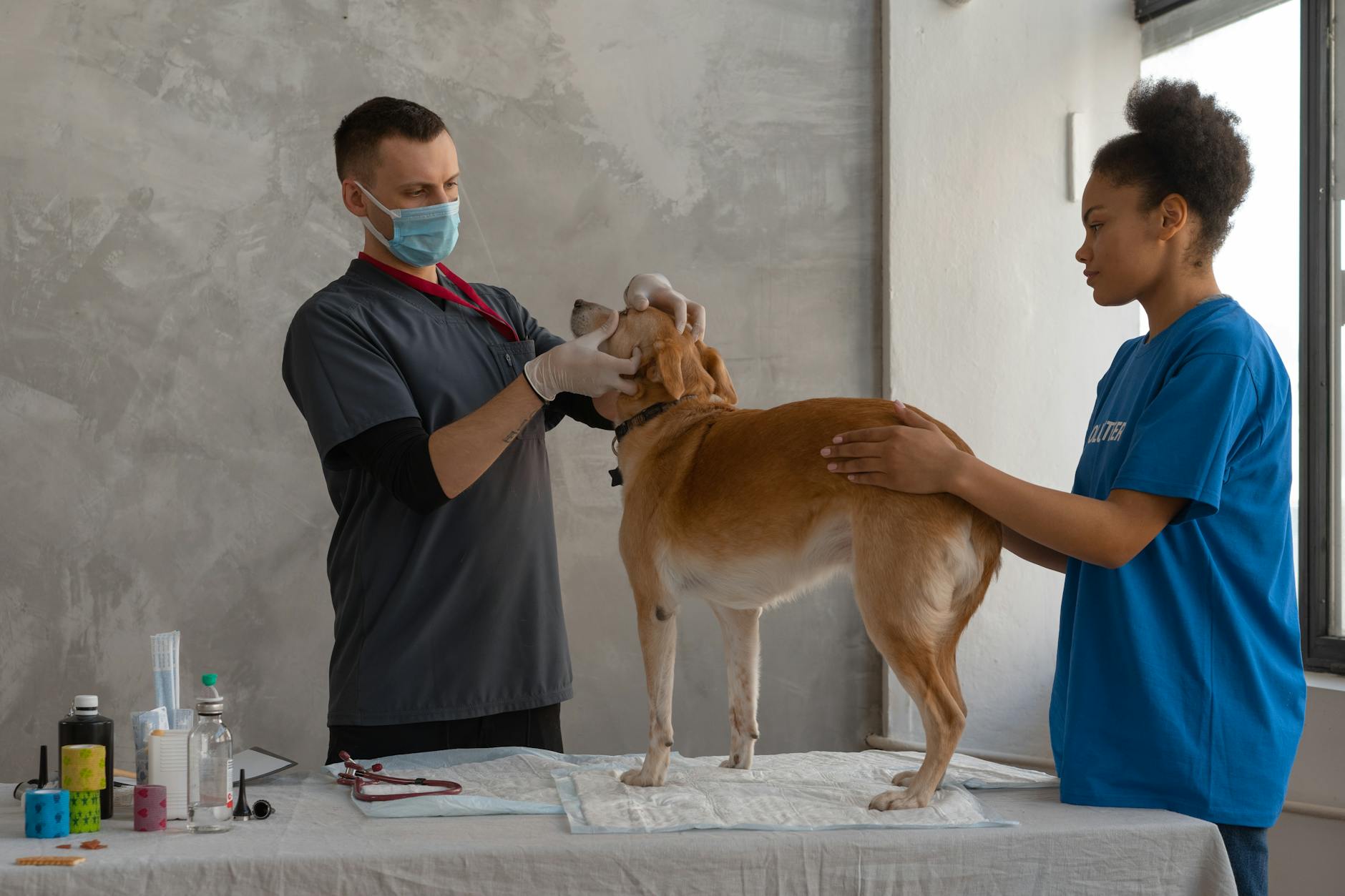
As an ancient, naturally evolved breed, the Xoloitzcuintli is remarkably robust and free of many genetic diseases that plague highly manipulated breeds. However, their unique hairless gene brings a highly specific set of physical challenges, particularly regarding dental development and skin integrity. In my practice, preventing environmental damage to their skin and managing early-onset dental disease are the most common clinical focus areas.
Dental Agenesis (Missing Teeth)
The gene responsible for hairlessness (FOXI3) is directly linked to dental development. Almost all hairless Xolos are missing their premolars and bicuspids, and some may have weak or abnormally shaped teeth, whereas the coated variety has a complete set of normal teeth.
Sunburn and Solar Dermatitis
Without a protective coat, the hairless Xolo’s skin is highly susceptible to ultraviolet radiation. Prolonged exposure can lead to acute sunburn, chronic skin thickening (hyperkeratosis), and potentially malignant skin tumors.
Blackheads and Acne
Like human teenagers, adolescent Xolos (between 6 to 18 months of age) often suffer from clogged pores, blackheads, and pustules as their skin adjusts to hormonal changes and sebum production.
Patellar Luxation
This is a hereditary condition where the kneecap slips out of its anatomical groove. It is more frequently diagnosed in the Toy and Miniature sizes of the breed.
Hip Dysplasia
A genetic malformation of the hip joint that can lead to painful osteoarthritis. While more common in the Standard size, all breeding stock should be evaluated via PennHIP or OFA clearances.
How long do Xoloitzcuintlis typically live?
The Xoloitzcuintli is a long-lived breed, with an average lifespan of 13 to 18 years. Toy and Miniature varieties routinely reach the upper end of this range when provided with excellent preventative veterinary care, a balanced diet, and protection from extreme temperatures.
What to Feed a Xoloitzcuintli
Feeding a Xoloitzcuintli requires careful consideration of their unique dental structure and activity level. Because hairless Xolos are often missing crucial chewing teeth, their diet may need to be adapted texturally to prevent choking or gastrointestinal distress. It is vital to maintain a lean body condition to prevent unnecessary strain on their joints.
Best Diet
A high-quality, animal-protein-first diet is ideal. For hairless individuals with significant dental agenesis, I recommend canned wet food, gently cooked fresh diets, or dry kibble that has been thoroughly softened with warm water or low-sodium bone broth to make mastication easier.
How to Feed
I advise splitting their daily caloric intake into two meals for adults, and three to four meals for growing puppies. Using puzzle feeders or slow feeders is excellent for mental stimulation, provided the design doesn’t require heavy dental grasping.
How Much to Feed
Portion sizes vary widely depending on whether your Xolo is a 10-pound Toy or a 50-pound Standard. You should work directly with your veterinarian to calculate their exact daily caloric needs based on their body condition score, ensuring they do not carry excess weight.
Nutritional Tips
Adding a high-quality Omega-3 fatty acid supplement (such as wild-caught fish oil) to their diet is highly beneficial for maintaining skin barrier health and reducing dry, flaky skin. Ensure any commercial diet meets AAFCO standards for their specific life stage.
Xoloitzcuintli Grooming Guide
Grooming a Xolo is less about brushing hair and more about specialized skin care. The hairless variety requires a consistent routine to keep their skin clean, hydrated, and protected from the elements, while the coated variety needs basic canine hygiene.
Coat Care
For the coated Xolo, a quick weekly brushing with a soft bristle brush is all that is required to remove dead hair. For the hairless, you must bathe them every 2 to 4 weeks using a gentle, pH-balanced dog shampoo; over-bathing can strip their natural oils and cause rebound acne.
Skin Care
Apply a lightweight, non-comedogenic, dog-safe moisturizer after baths to prevent cracking. Always apply a pet-safe, zinc-free SPF 30+ sunscreen before any prolonged outdoor exposure to prevent painful sunburns.
Eye Care
Wipe the corners of the eyes with a damp, soft cloth weekly to prevent tear-staining, which is occasionally seen in the lighter-colored varieties.
Ear Care
Their large, erect ears are highly exposed to dirt and debris; check them weekly and clean with a vet-approved, drying ear cleanser to prevent otitis.
Nail & Dental Care
Trim their fast-growing nails every 2 weeks to prevent splaying of the feet. Daily dental brushing is critical, especially for the hairless variety, as their missing and misaligned teeth make them highly prone to rapid plaque accumulation and periodontal disease.
Considerations for Pet Parents
Pros
- Extremely loyal and affectionate with family
- Hypoallergenic (hairless variety does not shed)
- Remarkably clean with minimal ‘doggy odor’
- Very long lifespan and generally robust health
- Excellent, watchful guardians of the home
- Comes in three distinct sizes to fit various homes
Cons
- Requires intensive, lifetime skin care and sun protection
- Can be aloof, suspicious, or reactive toward strangers
- High potential for separation anxiety and clinginess
- Prone to early dental disease and missing teeth
- Sensitive to cold weather and requires winter gear
- Not suitable for chaotic or high-energy households
Best For
Experienced dog owners who live in moderate climates, have a predictable routine, and are willing to invest time in skin care, early socialization, and positive-reinforcement training.
Not Recommended For
First-time dog owners, households with very young, rowdy children, or families who must leave their dog alone for long, consecutive hours every day.
Cost
- purchase price$2,000 – $4,000 USD
- monthly cost$100 – $200 USD
- initial setupInitial setup costs include high-quality winter coats, sun protective gear, gentle skincare products, dental cleaning supplies, and early veterinary wellness checks, which typically range from $800 to $1,500.
Similar Breeds

Peruvian Inca Orchid

Chinese Crested
Related Dog Guides
Xoloitzcuintli FAQs
Why do hairless Xoloitzcuintlis have missing teeth?
The FOXI3 gene mutation that causes hairlessness is pleiotropic, meaning it controls multiple physical traits, including ectodermal development. This gene directly affects both skin follicle and dental follicle development, resulting in the natural absence of premolars in hairless individuals, while coated Xolos carry normal dentition.
Do hairless Xolos get cold easily?
Yes, absolutely. Because they lack an insulating fur coat, they struggle to regulate their body temperature in cold environments. In my practice, I advise owners that if they need a sweater, their hairless Xolo definitely needs one too—fleece coats and pajamas are cold-weather essentials.
Are Xolos completely hypoallergenic?
While the hairless Xolo is often tolerated exceptionally well by allergy sufferers because there is no shedding fur to trap dander, they are not 100% hypoallergenic. Allergens are also present in a dog’s saliva, urine, and dander, so highly sensitive individuals should still spend time around the breed before committing.
How do you protect a Xolo’s skin from the sun?
You must apply a pet-safe, PABA-free, and zinc-free sunscreen to all exposed areas of a hairless Xolo’s skin before they go outside in daylight. Zinc oxide is highly toxic to dogs if licked, so always verify the ingredients with your veterinarian or purchase a product specifically formulated for dogs.
Do Xoloitzcuintlis bark a lot?
Typically, no. Xolos are naturally quiet, vigilant watchdogs who prefer to observe silently. If they do bark, it is usually a sharp, purposeful alert to warn you of an intruder or an unusual change in their environment; they rarely bark out of boredom if properly stimulated.
Why is my Xoloitzcuintli’s skin breaking out in blackheads?
Adolescent Xolos frequently experience acne and blackheads, particularly along their spine, due to hormonal shifts and oil production. I advise owners to avoid squeezing these pores, as it can cause infection and scarring; instead, use gentle, veterinary-recommended antiseptic wipes containing chlorhexidine or salicylic acid.
Can a coated Xolo be born in a litter of hairless Xolos?
Yes. Because the hairless trait is dominant and lethal when homozygous (two copies of the gene), all living hairless Xolos carry one copy of the hairless gene and one copy of the coated gene. Statistically, a breeding of two hairless Xolos will produce a litter that is roughly one-third coated puppies.
Do Xoloitzcuintlis have a high prey drive?
Yes, they are a primitive hunting and guardian breed. They have a moderate-to-high prey drive and are highly inclined to chase squirrels, rabbits, or outdoor cats. Secure fencing is a must, and off-leash walks in unfenced areas are generally not recommended.
How often should I bathe a hairless Xolo?
In my clinical experience, bathing every 2 to 4 weeks is ideal. Bathing them too frequently strips the skin’s natural lipid barrier, leading to dryness, irritation, and overproduction of sebum (which causes more acne), whereas bathing too infrequently leads to dirt buildup and clogged pores.
Do Xolos need special clothes?
Yes, they absolutely do. They need lightweight sun-protective shirts for the summer, warm fleece sweaters or jackets for autumn, and water-resistant, insulated coats for freezing winter weather. It is important to choose soft fabrics without rough seams that could irritate their bare skin.
What is the history of the Xoloitzcuintli?
Dating back over 3,000 years to ancient Mesoamerica, Xolos were considered sacred guides to the Aztec underworld (Mictlan). They were named after the Aztec god Xolotl and were believed to possess healing properties, often used as warm ‘hot water bottles’ to soothe joint pain and illness.
Are Xolos prone to separation anxiety?
Yes, they form incredibly tight bonds with their families and can easily develop separation anxiety if not gradually trained to tolerate alone time. I recommend starting crate training and short departures from day one to foster independence and prevent destructive behaviors.
Sources & Further Reading
- American Kennel Club (AKC)
- American Veterinary Medical Association (AVMA)
- Merck Veterinary Manual
- PetMD