
Ukrainian Levkoy Breed Guide

Quick Summary
An extraordinary, highly affectionate companion, the Ukrainian Levkoy combines a hairless or low-coat body with distinct inward-folded ears and a dog-like devotion. In my clinical practice, I find these cats thrive best with attentive owners who can commit to rigorous skincare routines and provide constant companionship.
As an Amazon Associate, we earn from qualifying purchases.
Popular with Ukrainian Levkoy owners: Cat Window Perch · Cat Food · Slicker Brush
Quick Facts
- origin countryUkraine
- breed groupExperimental / Hairless (WCF)
- sizeMedium
- weight range8 to 12 pounds (3.6 to 5.4 kg)
- height range8 to 10 inches (20 to 25 cm)
- lifespan12 to 15 years
- coat typeHairless, flock, or brush-coated
- common colorsAll colors and patterns, including point, tabby, and solid
- other namesLevkoy Cat
- recognized byWCF, ICFA, TICA (Experimental/Registration status)
Caring for a Ukrainian Levkoy
Living with a Ukrainian Levkoy is a highly interactive, tactile experience that requires proactive care. Because they lack a traditional protective coat, they rely entirely on you to regulate their body temperature with sweaters and heated beds, and to manage their skin oils with regular bathing. In my practice, I emphasize that these are not ‘set and forget’ pets; they are intensely social, constantly seeking physical contact, and will follow you from room to room. Their physical vulnerability to cold and sun means they must remain strictly indoor cats.
Is a Ukrainian Levkoy a good family pet?
Yes, they are exceptionally gentle, highly social, and thrive on human interaction. I frequently recommend them to active households because they adapt marvelously to children who know how to handle them gently.
Do Ukrainian Levkoys shed a lot?
No, they shed virtually not at all, as they are either completely hairless or have a very short flock or brush coat. However, their lack of shedding is replaced by a need for regular bathing to manage skin oils.
Is a Ukrainian Levkoy good for first-time owners?
Generally, no, because their intensive skin care, ear hygiene, and susceptibility to temperature extremes require an experienced owner. I advise beginners to thoroughly research their unique grooming and environmental needs before adopting.
Temperament & Personality
The Levkoy possesses a remarkably dog-like, extroverted personality that immediately wins over anyone they meet. In my years treating this breed, I’ve observed that they do not display the typical feline aloofness; instead, they greet visitors at the door and actively seek out physical touch. They are highly intelligent, playful, and emotionally sensitive to their owner’s moods. If you want a cat that will curl up under your chin or ride on your shoulder, this is the breed for you.
Is a Ukrainian Levkoy good with other pets?
Absolutely. In my clinical experience, Levkoys are incredibly gregarious and readily bond with other cats and friendly dogs. They actually do much better in multi-pet homes because they despise being alone.
PEFUNY Cat Window Hammock for Large Cats
- ✓360-degree sunbathing perch
- ✓Strong frame for large cats
- ✓Fits windows at least 25.6 x 23.3 in
- A window seat gives indoor cats a sunny lookout and hours of bird watching
How much attention does a Ukrainian Levkoy need?
They need an immense amount of attention and do not tolerate isolation well. If left alone for long workdays without a companion, they can easily develop separation anxiety and stress-induced behaviors.
Training & Behavior
Highly trainable and naturally inquisitive, Levkoys possess an active mind that requires regular mental stimulation. I have seen clients successfully train them to fetch, walk on a harness, and perform basic tricks using positive reinforcement. Their high intelligence means they can easily figure out how to open cabinets, so baby-proofing your home is often a clinical recommendation of mine.
Training Tips
- Use high-value, soft treats for motivation.
- Keep training sessions short and play-based, lasting 5 to 10 minutes.
- Incorporate clicker training to stimulate their quick minds.
- Ensure positive reinforcement; never use harsh corrections with this sensitive breed.
Fun Activities
- Interactive puzzle feeders
- Leash walking indoors or in secure, shaded outdoor areas
- Playing fetch with lightweight crinkle balls
- Teaching ‘sit’, ‘stay’, and high-five commands
- Agility courses built from boxes and tunnels
Is a Ukrainian Levkoy easy to train?
Yes, they are highly trainable due to their intelligence and desire for human approval. Applying consistent, reward-based training methods will yield excellent results remarkably quickly.
Ukrainian Levkoy Health Issues
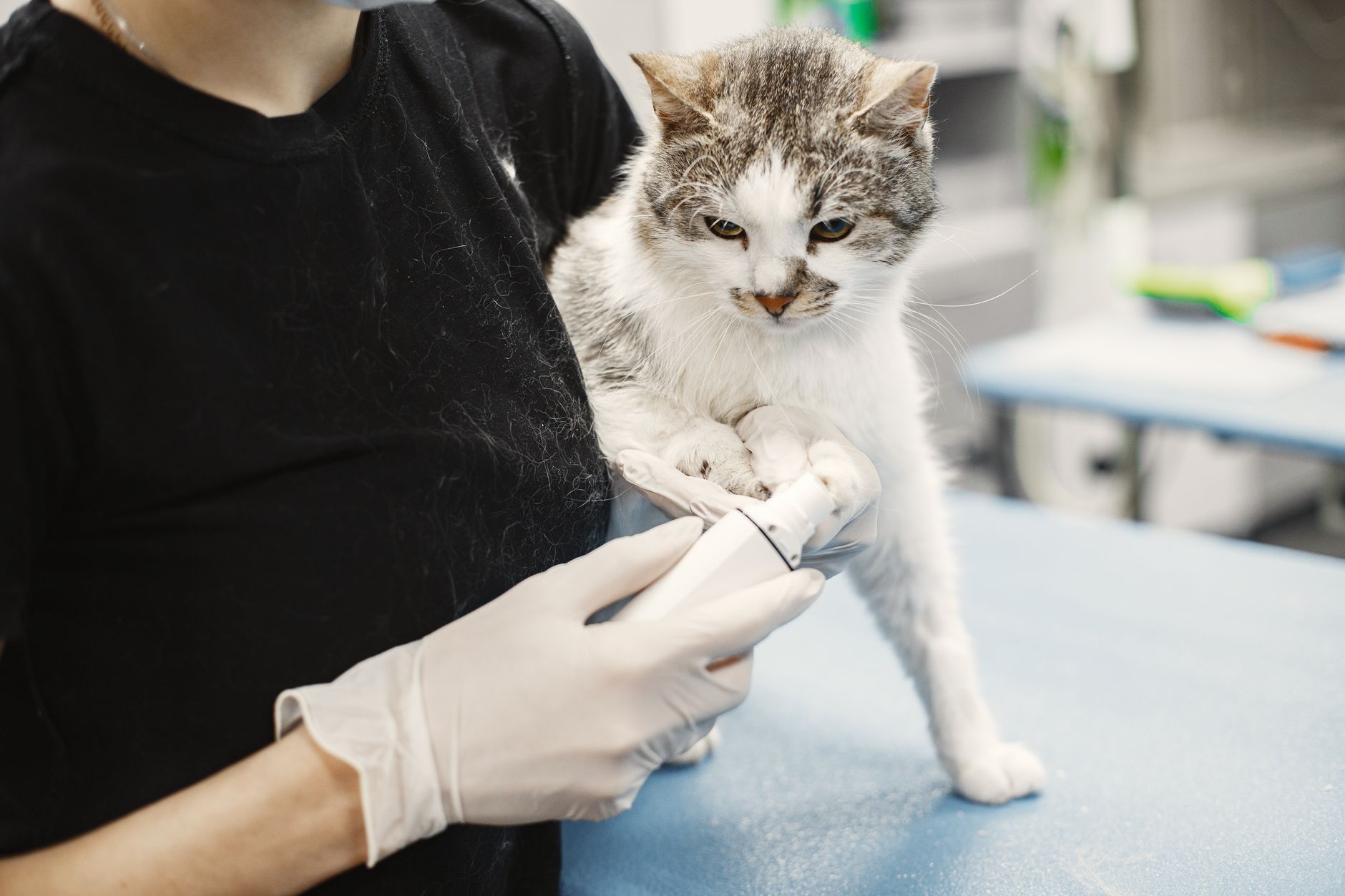
The Ukrainian Levkoy is a relatively young breed, which means we must look closely at the parent breeds—the Donskoy and the Scottish Fold—to anticipate health risks. While generally robust, their unique anatomy exposes them to specific dermatological, skeletal, and cardiac conditions that require lifetime veterinary vigilance.
Feline Dermatitis & Cutaneous Yeast Infections
Without fur to absorb sebum, natural skin oils accumulate, creating a breeding ground for Malassezia yeast and bacterial infections. I regularly see Levkoys with inflamed, itchy skin in their folds due to neglected bathing routines.
Hypertrophic Cardiomyopathy (HCM)
This is a hereditary heart condition common in many cat breeds, including the Donskoy ancestors of the Levkoy, where the heart muscle wall thickens over time. It can lead to heart failure or arterial thromboembolism.
Osteochondrodysplasia
Because the folded ears of the Levkoy are caused by a dominant gene mutation similar to the Scottish Fold, breeding two folded-eared cats can result in severe skeletal abnormalities, joint disease, and fused bones.
AMOSIJOY Wooden Cat Windowsill Perch
- ✓Thick fluffy cushion with zipper cover
- ✓Easy assembly
- ✓Metal hooks and wooden supports
- A window seat gives indoor cats a sunny lookout and hours of bird watching
Hypothermia and Sunburn
Lacking a protective coat, Levkoys cannot thermoregulate effectively in cold weather and are highly susceptible to solar dermatitis and thermal burns from the sun or heaters.
Periodontal (Dental) Disease
Hairless breeds often show a higher predisposition to early-onset dental issues, including gingivitis and periodontitis, which can lead to systemic infections if bacteria enter the bloodstream.
Otitis Externa (Ear Infections)
Their folded ears, combined with a lack of protective hair inside the canal, lead to a massive buildup of dark, waxy sebum that easily traps bacteria and yeast.
How long do Ukrainian Levkoys typically live?
With proper indoor care, regular veterinary checkups, and a high-quality diet, a Ukrainian Levkoy typically lives between 12 and 15 years. Regular screening for heart and joint health can significantly maximize their quality of life.
What to Feed a Ukrainian Levkoy
Because they lack a coat, Ukrainian Levkoys have a significantly higher metabolic rate than haired cats to maintain their body temperature. This means they require more calories per pound of body weight to keep warm.
Best Diet
A high-protein, moderate-fat, premium wet diet is ideal to support their high metabolism and maintain healthy skin. Look for diets rich in Omega-3 and Omega-6 fatty acids to nourish their skin barrier from the inside out.
How to Feed
I recommend feeding them multiple small meals throughout the day (three to four times) or using microchip-activated puzzle feeders to keep up with their metabolic needs without promoting rapid overeating.
How Much to Feed
Portion sizes must be tailored to their active metabolism, typically requiring 25% more calories than a haired cat of similar size. Always consult your veterinarian to establish a precise caloric target based on their body condition score.
Nutritional Tips
Always ensure fresh water is available, as their skin-sweating process can lead to subtle dehydration. Avoid feeding low-quality fillers that do not provide the nutrient density their active metabolisms demand.
Ukrainian Levkoy Grooming Guide
Do not make the mistake of thinking hairless means maintenance-free; the Levkoy requires a rigorous and consistent grooming schedule. In my clinic, I teach owners that skin and ear hygiene are medical necessities, not cosmetic choices, for this breed.
Coat Care
They have little to no coat, but require weekly or bi-weekly warm baths using a gentle, vet-approved, soap-free feline shampoo. It is critical to rinse all shampoo thoroughly to avoid irritating their sensitive skin.
Skin Care
Wipe down skin folds daily with a damp, warm washcloth to prevent oil buildup. Never apply human sunscreens or moisturizers, as they can be highly toxic to cats.
Eye Care
Because they lack eyelashes, dust can easily irritate their eyes; wipe the corners daily with a clean, damp cotton ball or gauze pad.
Ear Care
Clean their folded ears weekly using a vet-recommended gentle ear flush and cotton pads, as they produce a heavy volume of dark, protective wax.
Nail & Dental Care
Trim nails every 10 to 14 days and gently wipe the nail beds to remove dark greasy buildup. Brush their teeth at least three times a week with veterinary-enzymatic toothpaste to combat early-onset periodontal disease.
Considerations for Pet Parents
Pros
- Extremely affectionate, dog-like devotion
- Virtually zero shedding or loose hair around the home
- Highly intelligent and easily trained
- Excellent bond with children and other household pets
- Charming, highly interactive, and entertaining personalities
- Hypoallergenic-friendly for some (though skin dander still exists)
Cons
- High-maintenance skincare and bathing requirements
- Extremely sensitive to cold temperatures and direct sunlight
- Prone to separation anxiety if left alone for long periods
- Requires strict indoor-only lifestyle and climate control
- Can be difficult to find through ethical breeders due to rarity
Best For
The ideal owner is someone who works from home or has a multi-pet household, can commit to weekly bathing and ear cleaning, and is willing to invest in heated beds and cat sweaters.
Not Recommended For
I do not recommend this breed for busy individuals who are out of the house for 10-12 hours a day, or those who find regular, hands-on pet hygiene tasks like bathing and ear-wiping unappealing.
Cost
- purchase price$1,000 to $2,500 USD
- monthly cost$120 to $200 USD
- initial setupBudget an additional $500 to $800 for high-quality heated cat beds, custom-fit sweaters, specialized veterinary-grade skincare products, and dental care starter kits.
-
IAMS Proactive Health Indoor Dry Cat FoodA high-protein, complete diet suits cats’ needs as obligate carnivores
-
Pecute Skin-Friendly Self-Cleaning Slicker BrushFine wire pins lift loose undercoat and work out small tangles before they turn into mats
-
TKENPRO 2K Pet Camera with Treat DispenserLets you check in, talk to your pet and spot problems while you’re out
Similar Breeds


Ukrainian Levkoy FAQs
Are Ukrainian Levkoys completely hairless?
No, while some are completely hairless, many have a very short, soft down or ‘flock’ coat that feels like peach fuzz, while others may have a ‘brush’ coat with slightly longer, wire-like hair. This coat type can change as the cat matures from kittenhood to adulthood.
Do Ukrainian Levkoys sweat?
Yes, unlike haired cats, Levkoys secrete oils and sweat directly onto their skin, which can leave oily brownish marks on furniture or sheets if they are not bathed regularly. This is a normal physiological function but requires attentive management.
Why do Ukrainian Levkoys have folded ears?
Their folded ears are the result of a genetic mutation affecting cartilage structure, originally introduced by crossing the Donskoy with the Scottish Fold. Ethical breeders must outcross folded Levkoys with straight-eared cats to ensure healthy cartilage throughout the rest of the body.
Are Ukrainian Levkoys hypoallergenic?
No cat is 100% hypoallergenic. While they do not shed fur, they still produce the Fel d 1 protein in their saliva, skin oils, and dander, which can trigger allergies in sensitive individuals. However, because there is no flying fur to disperse the dander, some allergy sufferers find them easier to tolerate.
Do Ukrainian Levkoys need to wear clothes?
Yes, especially during winter or in air-conditioned homes, as they lack fur to retain body heat. High-quality, soft cotton or fleece sweaters protect them from hypothermia, but they must be washed frequently to prevent skin oil buildup.
How often should I bathe a Ukrainian Levkoy?
Most Levkoys require a bath every 2 to 4 weeks depending on their skin oil production. Over-bathing can dry out their skin and cause rebound oil production, while under-bathing leads to clogged pores, acne, and yeast infections.
Can Ukrainian Levkoys go outside?
No, they should be strictly indoor-only cats. Their lack of fur makes them highly vulnerable to sunburn, skin cancer, hypothermia, and insect bites, and they lack physical defenses against predators or harsh weather.
Do Ukrainian Levkoys get acne?
Yes, they are prone to blackheads and acne, particularly on their chins, tails, and bodies, due to clogged oil glands. In my practice, I recommend using ceramic or stainless steel food bowls and wiping their chins daily to prevent this.
Are they vocal cats?
They are moderately vocal, often using soft chirps, purrs, and quiet meows to communicate their needs or greet you. They are not as intensely loud as Siamese, but they will absolutely let you know when it is dinner time.
Why does my Levkoy smell like mushrooms or yeast?
A slight earthy, sweet, or mushroom-like scent is normal for hairless breeds due to their skin oils. However, if they smell strongly of sour yeast, it usually indicates an overgrowth of Malassezia yeast in their skin folds or ears, which requires veterinary treatment.
Is the Ukrainian Levkoy recognized by major cat registries?
They are currently recognized by the WCF (World Cat Federation) and the ICFA in Eastern Europe, but major Western registries like TICA and CFA only register them under experimental or miscellaneous classes due to their relative rarity and newness.
How do you protect a Levkoy’s skin from the sun indoors?
Even indoors, sitting in a sunny window can cause sunburn. You should apply UV-blocking window film to their favorite suning windows or limit their access to intense mid-day direct sunlight to protect their delicate skin.