
American Water Spaniel Breed Guide
Quick Summary
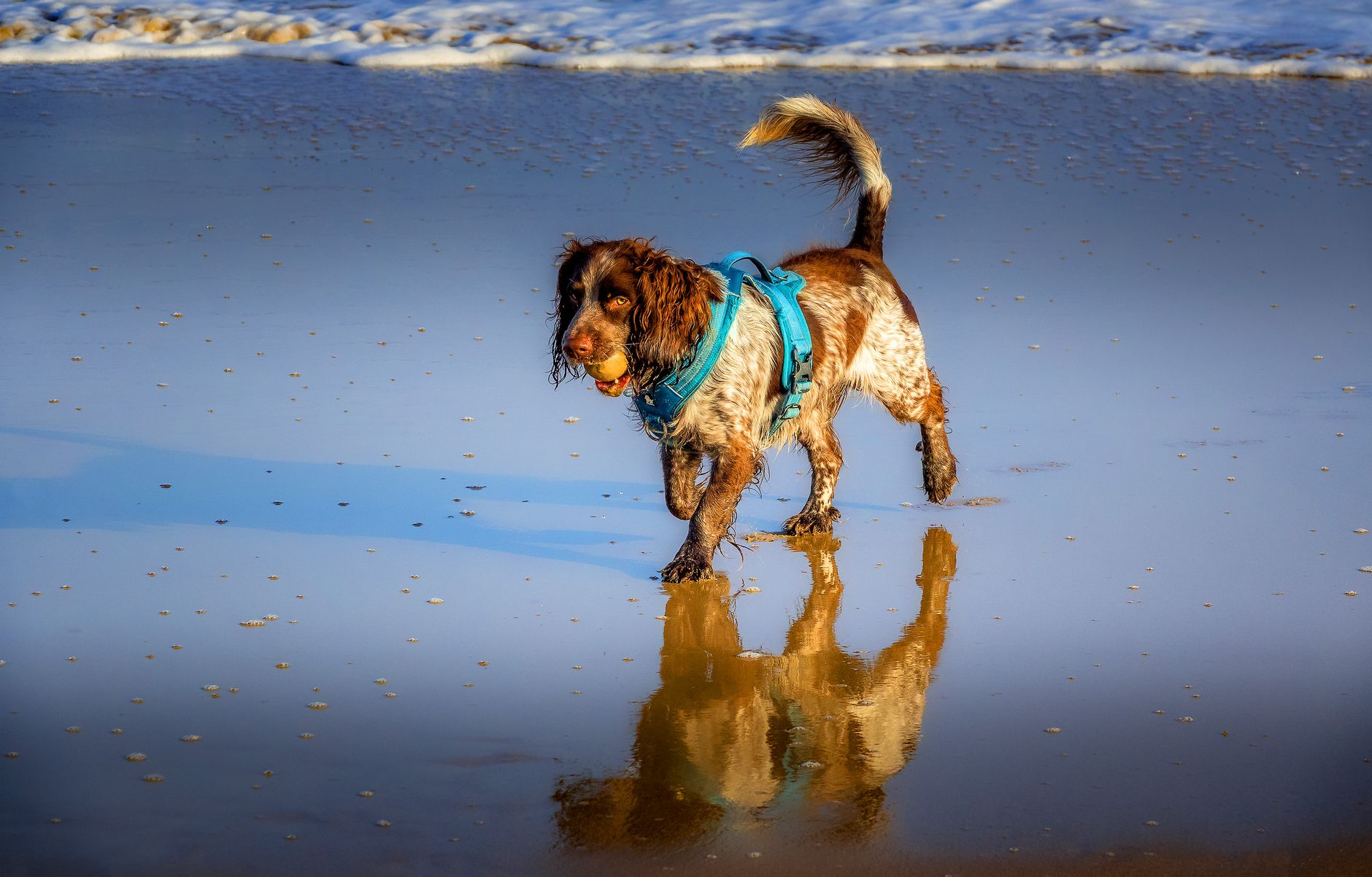
The American Water Spaniel is a versatile, high-energy Wisconsin native that thrives as both an enthusiastic hunting partner and an affectionate family companion. In my clinical experience, these dogs excel when given a dedicated job to do and a family that embraces their water-loving, active nature. They are ideal for active outdoor enthusiasts who can manage their unique double coat and high mental stimulation needs.
Quick Facts
- origin countryUnited States
- breed groupSporting
- sizeMedium
- weight range25 to 45 pounds
- height range15 to 18 inches
- lifespan10 to 14 years
- coat typeDouble coat, ranging from marcel waves to closely curled, water-resistant
- common colorsSolid liver, brown, or dark chocolate
- other namesAWS
- recognized byAKC, UKC
Caring for a American Water Spaniel
Living with an American Water Spaniel means embracing a lifestyle filled with outdoor adventures, especially around water. In my practice, I find that their physical health is deeply tied to their mental state; without at least 60 to 90 minutes of daily vigorous exercise, they can develop stress-induced behaviors. Their oily, water-resistant coat requires weekly management to prevent matting and trapping of moisture, which can quickly lead to painful hot spots. You must also be prepared for a dog that loves to swim and will find any puddle, pond, or lake during your walks.
Is a American Water Spaniel a good family pet?
Absolutely, provided the family matches their high energy levels and commits to early socialization. I often see them bonding intensely with all family members, though they can be somewhat protective of their home. They generally do fantastic with children who understand how to respect an active, working-breed dog.
Do American Water Spaniels shed a lot?
They are moderate shedders, but their seasonal blow-outs in spring and fall can be intense. The curly, double coat tends to trap dead hair rather than letting it fall on your furniture, which means regular brushing is vital to prevent severe matting. If you ignore their coat, you will end up with a felted mess that requires medical shaving.
Is a American Water Spaniel good for first-time owners?
I generally advise against this breed for novice owners due to their high drive, potential for stubbornness, and specialized coat care. They require a confident handler who understands positive reinforcement training and can set clear, consistent boundaries. Without experienced guidance, they can easily outsmart their owners and develop nuisance behaviors like excessive barking or resource guarding.
Temperament & Personality
The American Water Spaniel possesses a charmingly complex personality—they are incredibly loyal and affectionate with their family, yet can show a typical spaniel aloofness or wariness toward strangers. They are highly intelligent, sensitive, and possess a strong work ethic that requires a constructive outlet. In my clinic, I appreciate their alert nature, but I warn owners that their sensitivity means they do not handle harsh corrections well, which can cause them to shut down entirely.
Is a American Water Spaniel good with other pets?
They can coexist wonderfully with other family dogs, particularly if raised together from puppyhood. However, because of their strong, bred-in hunting instincts, I always advise caution around small mammals, birds, or cats, as their high prey drive can easily be triggered. Consistent, controlled introductions are key to a peaceful multi-pet household.
How much attention does a American Water Spaniel need?
They are highly social dogs that thrive on human companionship and do not do well when left alone for long stretches. I frequently treat AWS patients for separation anxiety manifested as destructive chewing or self-induced acral lick dermatitis. They want to be involved in every family activity and need an owner who is present and engaged.
Training & Behavior
Training an American Water Spaniel requires a delicate balance of firmness, variety, and positive reinforcement. They are incredibly smart but can easily become bored with repetitive drilling, leading them to invent their own, often destructive, games. I always stress the importance of early, structured socialization to prevent their natural wariness of strangers from turning into fear-based reactivity.
Training Tips
- Use high-value, varied rewards
- Keep sessions short (5-10 minutes) and highly engaging
- Introduce water work early but gently
- Implement structured socialization before 16 weeks
- Avoid any harsh physical corrections
Fun Activities
- Dock diving
- Agility trials
- Scent work and tracking
- Water retrieving drills
- Frisbee and fetch games
- Canoeing and kayaking trips
Is a American Water Spaniel easy to train?
Yes, they are highly trainable due to their intelligence and desire to work, but they are not ‘push-button’ dogs. They possess a typical independent streak and will quickly exploit inconsistent rules. An owner who uses creative, reward-based methods will find them to be incredibly fast learners.
American Water Spaniel Health Issues
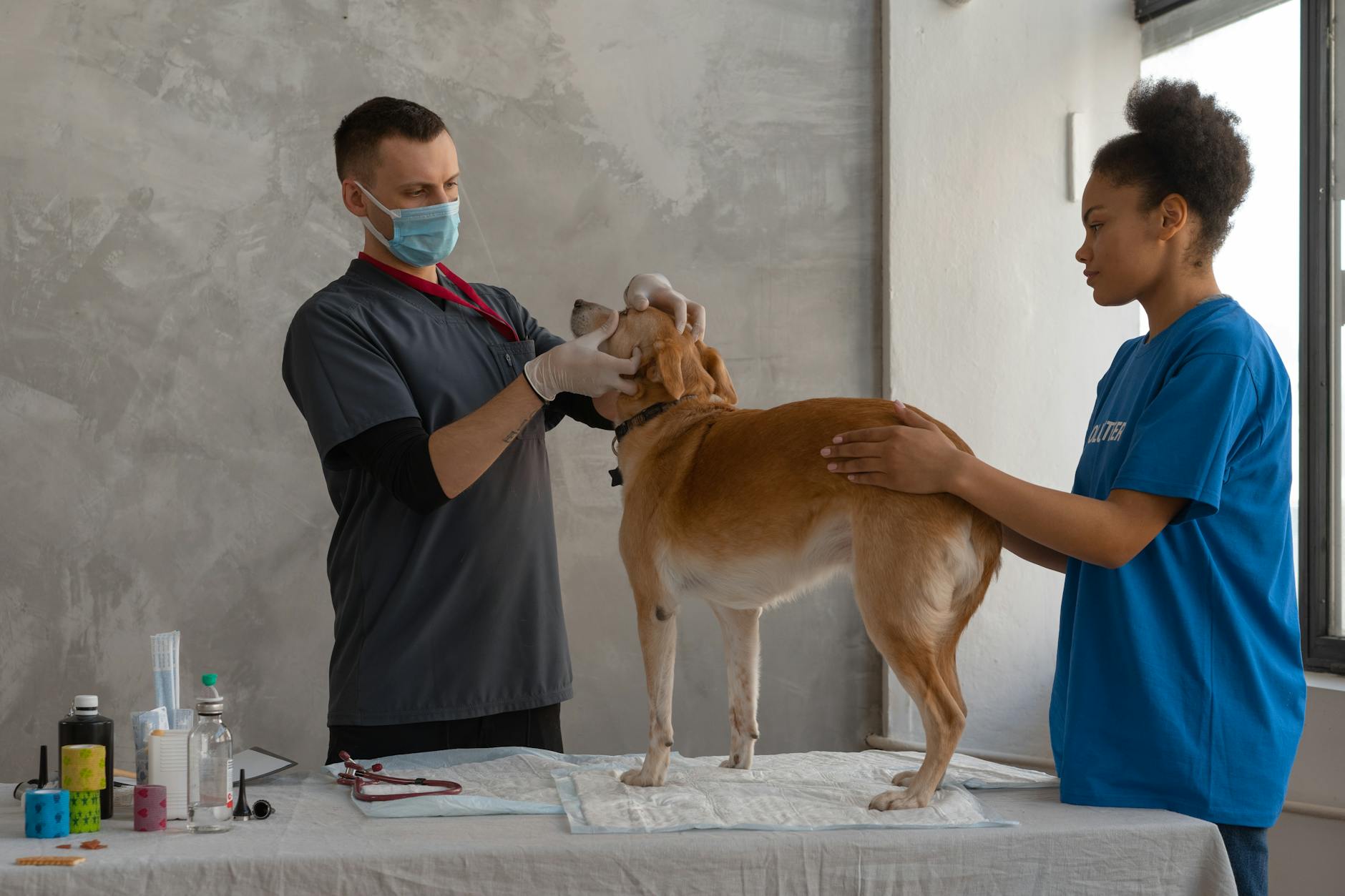
The American Water Spaniel is generally a hardy, robust breed, but like all purebreds, they are genetically predisposed to several specific hereditary conditions. In my practice, preventing obesity and maintaining rigorous ear hygiene are the two most critical daily interventions owners can make to keep this breed healthy.
Hip Dysplasia
A genetic skeletal condition where the ball and socket of the hip joint do not fit together smoothly, leading to progressive wear, painful arthritis, and mobility issues. In my clinic, I recommend screening breeding dogs via OFA or PennHIP radiographs to reduce the incidence of this hereditary disease.
Follicular Dysplasia (Pattern Baldness)
A genetic condition that affects the hair follicles, leading to symmetrical hair loss typically starting around the flanks, thighs, and neck. While it is purely a cosmetic issue that does not cause physical pain, it requires careful skin monitoring to prevent secondary bacterial infections.
Otitis Externa (Ear Infections)
Due to their heavy, dropped ears and love of water, AWS are highly prone to trapping moisture, yeast, and bacteria inside the ear canal. Left untreated, chronic otitis can lead to canal stenosis and require surgical ablation.
Cataracts and Progressive Retinal Atrophy (PRA)
Inherited eye conditions that can lead to partial or complete blindness. Cataracts cause opacity of the lens, while PRA involves the gradual degeneration of the retina; yearly CAER (Companion Animal Eye Registry) exams are crucial.
Allergies (Atopic Dermatitis)
AWS can suffer from environmental and food allergies that manifest primarily through the skin, causing intense itching and secondary self-trauma. In my practice, I manage these with tailored diets, allergen immunotherapies, or modern monoclonal antibody therapies.
How long do American Water Spaniels typically live?
With proper nutrition, regular veterinary care, and an active lifestyle, the American Water Spaniel typically enjoys a lifespan of 10 to 14 years. I have treated several well-cared-for individuals who lived vibrant, active lives well into their 14th year.
What to Feed a American Water Spaniel
As high-energy working dogs, American Water Spaniels require a nutrient-dense, high-quality diet that fuels their active lifestyles while maintaining a lean body condition. In my practice, I frequently warn owners against overfeeding, as carrying excess weight puts dangerous, unnecessary stress on their hips and joints.
Best Diet
I recommend a high-quality, commercially prepared or balanced home-cooked diet formulated for medium-sized, active breeds. Look for diets rich in omega-3 and omega-6 fatty acids to support their dense, water-resistant coat and maintain skin barrier health.
How to Feed
Divide their daily caloric intake into two equal meals, feeding them in the morning and evening. Avoid feeding them immediately before or after vigorous exercise to minimize the risk of gastric distress, and consider using puzzle feeders to slow down fast eaters.
How Much to Feed
Typically, an adult AWS requires about 1.5 to 2.5 cups of high-quality kibble daily, but this varies wildly depending on their age, metabolism, and daily activity level. I always recommend consulting your veterinarian to calculate exact daily caloric needs based on a body condition score (BCS).
Nutritional Tips
Incorporate joint supplements containing glucosamine, chondroitin, and EPA/DHA early in life, especially if your dog is highly active or participates in dog sports. Additionally, ensure they always have access to fresh, clean water, particularly during and after outdoor swimming excursions.
American Water Spaniel Grooming Guide
Grooming an American Water Spaniel requires consistent, hands-on maintenance to preserve their unique water-resistant coat and prevent painful skin conditions. In my clinical experience, establishing a strict grooming routine early in puppyhood makes these tasks significantly easier as the dog matures.
Coat Care
Brush the double coat at least two to three times a week using a slicker brush and a metal comb to prevent mats and remove trapped debris. Avoid over-bathing with harsh soaps, as this strips the natural protective oils that make their coat water-resistant; instead, use a mild, veterinary-approved dog shampoo only when necessary.
Skin Care
Always dry your dog thoroughly after swimming or bathing, paying close attention to the dense undercoat on the chest and belly. Leaving dampness trapped close to the skin is a recipe for painful moist dermatitis, commonly known as hot spots.
Eye Care
Check the eyes weekly for any redness, cloudiness, or discharge, which could indicate early cataracts, conjunctivitis, or foreign bodies picked up during outdoor runs.
Ear Care
Clean their ears weekly and after every swim using a veterinarian-recommended, drying ear cleanser to remove excess moisture and prevent yeast overgrowth. This is non-negotiable for this water-loving breed.
Nail & Dental Care
Trimming their nails every 3 to 4 weeks prevents splaying of the paws and joint discomfort, while daily brushing with canine-safe toothpaste prevents periodontal disease. Active dogs running on hard surfaces may naturally wear down nails, but frequent inspections are still required.
Considerations for Pet Parents
Pros
- Highly versatile and athletic outdoor companions
- Intelligent and eager to learn when properly motivated
- Intensely loyal and affectionate family members
- Natural water retrieval and swimming instincts
- Relatively healthy and long-lived sporting breed
- Excellent watchdogs due to alert nature
Cons
- High exercise and mental stimulation requirements
- Can be aloof or wary of strangers if under-socialized
- Prone to severe ear infections and skin hot spots
- Strong prey drive requires leash control and secure fencing
- May develop separation anxiety and destructive habits if left alone
- Their water-resistant coat has a distinct natural oiliness and odor
Best For
Ideal for active, outdoorsy families, hunters, or individuals who can dedicate at least an hour or two daily to vigorous exercise and training. They excel with owners who appreciate a dog that loves water and are willing to commit to regular coat and ear care.
Not Recommended For
Not recommended for sedentary households, apartment dwellers without access to secure yards, or novice owners who may struggle with their training and grooming needs. They are also not a good fit for families who are away from home for long hours daily.
Cost
- purchase price$1,200 to $2,000
- monthly cost$100 to $180
- initial setupInitial setup costs, including high-quality crates, waterproof training gear, vet checks, vaccines, and professional grooming tools, typically range from $1,000 to $1,500.
Similar Breeds

American Water Spaniel FAQs
Do American Water Spaniels smell?
Yes, their highly water-resistant double coat has natural protective oils that can carry a distinct, musty ‘doggy’ odor, especially when wet. Regular brushing and drying them completely after swimming helps manage this natural scent.
Are they good swimmers?
Absolutely, the American Water Spaniel was specifically bred to retrieve from boats in the icy waters of the Midwest, boasting webbed toes and a highly buoyant, water-resistant coat.
How much exercise do they need?
They are high-energy working dogs that require at least 60 to 90 minutes of vigorous daily exercise, combining physical activities like retrieving and swimming with mental challenges.
Are American Water Spaniels rare?
Yes, they are a relatively rare breed, even within the United States. They are the state dog of Wisconsin, but their numbers remain small compared to more common retrievers.
Do they bark a lot?
They can be quite vocal, using their voice to alert owners to strangers or express excitement during play. Early training is necessary to prevent this alert-barking from turning into a nuisance habit.
Are they easy to housebreak?
They are highly intelligent and clean dogs, making housebreaking relatively straightforward when using a consistent crate-training method and a predictable routine.
Do they have a high prey drive?
Yes, as a sporting breed developed for hunting waterfowl and upland game, they have a strong innate drive to chase birds, squirrels, and other small animals.
Can they live in an apartment?
While possible with a dedicated owner who provides hours of daily outdoor exercise, it is generally not recommended due to their high energy levels and vocal tendencies.
How do they handle cold weather?
Their dense, curly double coat provides excellent insulation against cold air and freezing water, making them highly cold-tolerant. However, they should never be left outside permanently.
How do they handle hot weather?
Because of their thick coats, they can overheat quickly in hot, humid weather. Always provide shade, fresh water, and limit intense exercise to the cooler morning or evening hours.
Are they prone to separation anxiety?
Yes, they bond very closely with their human families and can easily develop separation anxiety, leading to destructive chewing, howling, or house-soiling if left alone for too long.
What brush is best for their coat?
A slicker brush is best for removing loose undercoat and tangles, followed by a sturdy metal greyhound comb to check for deep mats, particularly behind the ears and on the legs.
Do they drool?
They are not heavy droolers like some giant breeds, but they can be messy drinkers due to their bearded muzzles, which trap and drip water around the house.