
Japanese Bobtail Breed Guide

Quick Summary
The Japanese Bobtail is an exceptionally intelligent, high-energy breed famous for its expressive ‘singing’ voice, dog-like devotion, and unique pom-pom tail. Highly interactive and playful, they are perfect for active households looking for a deeply engaged companion rather than a passive lap cat.
Quick Facts
- origin countryJapan
- breed groupShorthair & Longhair (recognized separately)
- sizeMedium
- weight range5 to 10 pounds (males 7-10 lbs, females 5-7 lbs)
- height range8 to 10 inches
- lifespan12 to 15+ years
- coat typeSingle coat, silky, short or semi-long, water-resistant
- common colorsTri-color calico (Mi-Ke), bi-colors, solids, and tabbies of almost any shade
- other namesNippon Bobtail
- recognized byCFA, TICA, FIFe, ACFA
Caring for a Japanese Bobtail
Living with a Japanese Bobtail is a wonderfully active partnership; they are not ornament cats that sit quietly on a shelf. I’ve found that they require daily mental and physical engagement to thrive, as their busy minds will find trouble if not channeled constructively. Their single coat makes grooming surprisingly easy, but you’ll need to invest that saved time into interactive play sessions. I always tell owners to prepare for a cat that wants to participate in every household activity, from unloading the dishwasher to checking the mail.
Is a Japanese Bobtail a good family pet?
Absolutely, they thrive in bustling environments. In my experience, their bold, outgoing nature makes them excellent matches for respectful children who will play fetch with them.
Do Japanese Bobtails shed a lot?
Surprisingly little. Because they lack a dense undercoat, their silky fur does not mat easily, and a quick weekly brushing is usually more than enough to manage minimal seasonal shedding.
Is a Japanese Bobtail good for first-time owners?
Yes, provided you understand they are high-energy. If you expect a quiet, hands-off lap warmer, their demanding intelligence and vocal nature might overwhelm a novice owner.
Temperament & Personality
The Japanese Bobtail is incredibly curious, bold, and communicative. Unlike many cats that run and hide when guests arrive, these extroverts are usually at the front door greeting visitors with a soft, chirping song. They form deep, lasting bonds with their human families and are highly cooperative team players. In my decades of working with cats, I have rarely met a breed so genuinely delighted by human companionship and cooperative play.
Is a Japanese Bobtail good with other pets?
They are exceptionally social and generally do very well with other cats and cat-friendly dogs. In fact, I’ve found they often prefer having a buddy to run around with when their humans are away.
How much attention does a Japanese Bobtail need?
They are highly social and require active daily engagement. Leaving them completely alone for long, empty stretches without toys or companions can lead to boredom-induced mischief.
Training & Behavior
Training a Japanese Bobtail is closer to training a smart dog than a typical feline. Their high intelligence and desire to cooperate mean they pick up commands, tricks, and house rules incredibly fast. However, they can also learn how to open cabinets and doors if they want to get to a favorite toy, so mental stimulation is a must.
Training Tips
- Use clicker training paired with high-value treats to teach tricks quickly.
- Keep training sessions short, fast-paced, and highly rewarding to prevent boredom.
- Harness train early, as many enjoy going on safe outdoor walks.
- Establish clear boundaries early, as they will test limits with their cleverness.
Fun Activities
- Playing fetch with small, soft toys
- Feline agility courses and obstacle navigation
- Splashing in shallow water or chasing dripping faucets
- Learning to sit, wave, and high-five on command
- Solving complex puzzle feeders
Is a Japanese Bobtail easy to train?
Yes, they are among the most trainable cats in the world. They actively enjoy the mental challenge of learning tricks and will happily perform for treats and praise.
Japanese Bobtail Health Issues
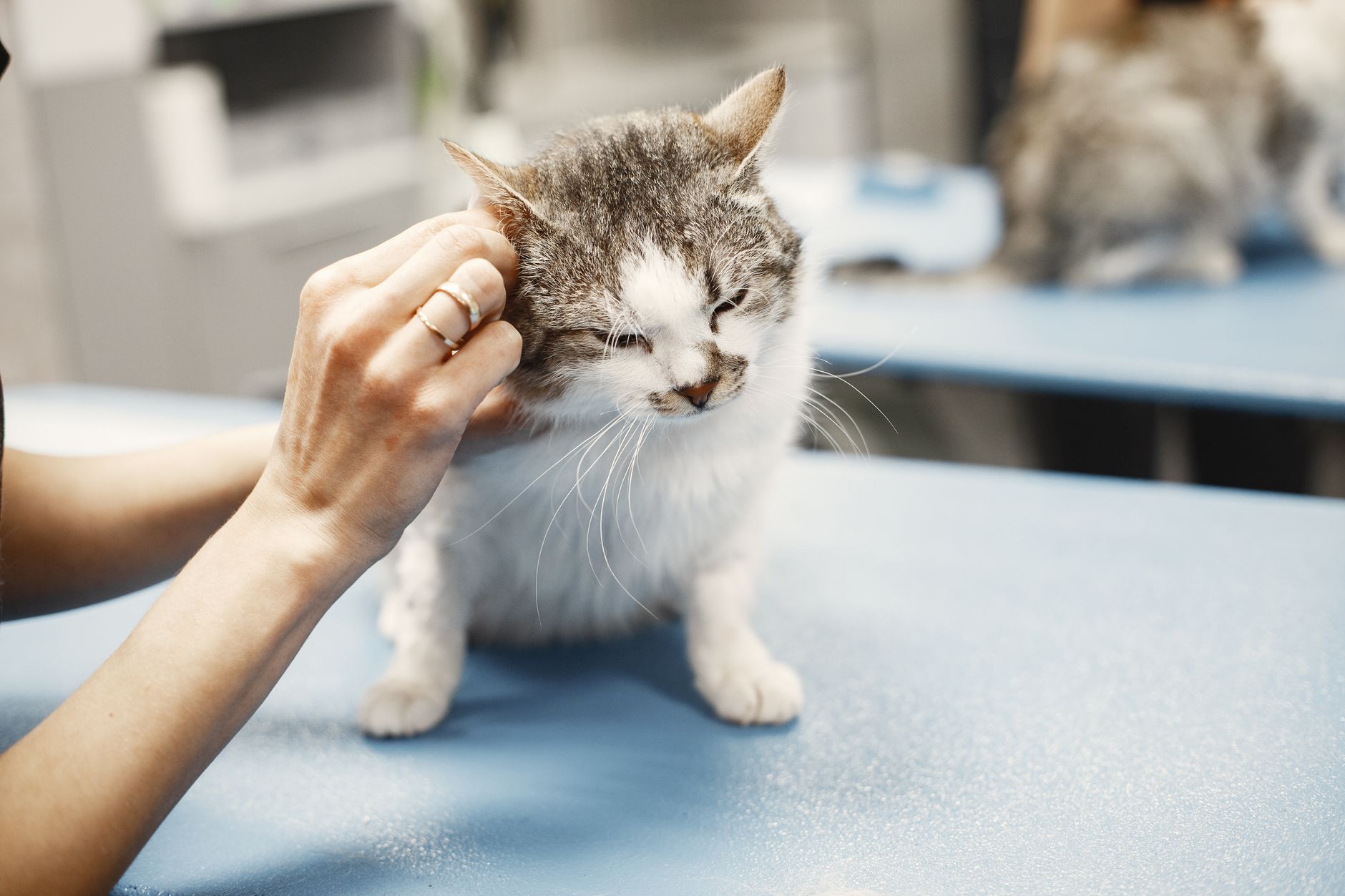
The Japanese Bobtail is widely considered one of the healthiest and most structurally robust pedigree cat breeds in existence. Because they developed naturally over centuries rather than through intensive human-engineered mutations, they lack the genetic fragility seen in many other breeds.
Hypertrophic Cardiomyopathy (HCM)
The most common form of heart disease in all cats, characterized by the thickening of the heart walls. While not elevated in this breed, standard screening is always wise.
Periodontal Disease
Like many active domestic cats, they can develop tartar buildup and gingivitis if their teeth are ignored. Regular dental cleanings are highly beneficial.
Obesity
Because of their fine, athletic bone structure, carrying extra weight can strain their joints. It is vital to manage food intake if their activity levels drop in senior years.
Chronic Kidney Disease (CKD)
A common geriatric ailment across all feline breeds where kidney function slowly declines over time.
How long do Japanese Bobtails typically live?
With proper nutrition, indoor living, and routine vet checkups, they regularly live between 13 to 18 years, remaining active and playful well into their senior years.
What to Feed a Japanese Bobtail
Feeding a Japanese Bobtail requires matching their caloric intake with their high-octane energy levels. I’ve found that they maintain their long, elegant, muscular form best on a high-protein diet that supports active muscle tone without adding excess fat.
Best Diet
A diet rich in high-quality animal proteins, with wet food playing a major role to ensure adequate hydration. Look for formulas listing whole meats (like chicken or salmon) as the first ingredients.
How to Feed
I highly recommend split meals rather than free-feeding to prevent overeating. Two to three scheduled meals a day work best for maintaining their metabolic health.
How Much to Feed
Portion sizes should be determined by weight, age, and activity level. Always consult your veterinarian to establish a precise caloric baseline, adjusting as they transition from kittenhood to adulthood.
Nutritional Tips
Incorporate food puzzle toys for their dry kibble. This slows down their eating while satisfying their natural hunting instincts and active minds.
Japanese Bobtail Grooming Guide
Grooming a Japanese Bobtail is an absolute breeze compared to most other breeds. Because they have a single coat with virtually no undercoat, they are incredibly resistant to matting and tangling.
Coat Care
A gentle brushing once a week with a slicker brush or rubber grooming mitt is all that’s needed to remove loose hairs. During seasonal transitions, a quick bath can help minimize the slight increase in shedding.
Skin Care
Their skin is naturally healthy; ensure you feed high-quality omega fatty acids to keep their skin supple and their coat gleaming.
Ear Care
Check ears weekly for any wax buildup or redness, wiping them gently with a damp cotton ball if needed.
Nail & Dental Care
Trim their nails every two to three weeks, and introduce a cat-safe enzymatic toothpaste early in life to maintain pristine dental health.
Considerations for Pet Parents
Pros
- Exceptionally healthy and long-lived breed
- Very low grooming and coat maintenance needs
- Highly social, outgoing, and friendly with guests
- Great with children, dogs, and other cats
- Easily trained to walk on a harness or play fetch
- Charming, melodious vocalizations
Cons
- Requires significant daily physical and mental stimulation
- Can be demanding and highly vocal when seeking attention
- Hard to find; reputable breeders often have long waiting lists
- High jumping ability means no counter is safe from exploration
Best For
Active households, families with older children, or multi-pet homes looking for a highly interactive, dog-like cat that wants to be the center of attention.
Not Recommended For
Busy professionals who are out of the house for long hours, or anyone looking for a quiet, low-energy lap cat that requires minimal interaction.
Cost
- purchase price$1,000 to $2,500
- monthly cost$80 to $150
- initial setupInitial setup including high-quality scratchers, tall cat trees, interactive toys, and spay/neuter surgery will typically run between $500 and $800.
Similar Breeds
Manx
Kurilian Bobtail
Japanese Bobtail FAQs
Is the Japanese Bobtail’s tail sensitive or painful?
No, their bobbed tail is a natural, harmless genetic variation. Unlike the Manx, which can suffer from spinal issues, the Japanese Bobtail’s tail does not cause them any discomfort or neurological problems, though it should always be handled gently.
Are they always born with short tails?
Yes, true Japanese Bobtails are always born with short tails. No two tails are exactly alike; they can be rigid or flexible, straight or angled, but they always resemble a fluffy pom-pom.
Do Japanese Bobtails talk a lot?
Yes, they are highly communicative. However, unlike the harsh yowl of a Siamese, the Japanese Bobtail has a sweet, melodious voice often described as ‘singing’ or ‘chirping,’ and they love to carry on conversations with their owners.
What is the ‘Mi-Ke’ pattern?
The ‘Mi-Ke’ (pronounced ‘mee-kay’) is the traditional tri-color calico pattern (red, black, and white). In Japanese culture, this pattern is highly prized and symbolizes good luck, prosperity, and safe travels.
Do they really love water?
Many of them do! It is very common for a Japanese Bobtail to splash in water bowls, join you near the shower, or try to play with dripping faucets, thanks to their curious nature and water-resistant coat.
How do they compare to the Manx?
While both are short-tailed, they are genetically and structurally distinct. The Japanese Bobtail is slender, elegant, and athletic, carrying a recessive tail gene, whereas the Manx is stocky, round-bodied, and carries a dominant tail gene that can sometimes be linked to spinal disorders.
Are Japanese Bobtails hypoallergenic?
No cat is truly hypoallergenic. However, because they have a single coat with no undercoat, they produce less dander and shed less than many other breeds, which some mild allergy sufferers find easier to tolerate.
How high can a Japanese Bobtail jump?
They are incredible jumpers. Their hind legs are noticeably longer than their front legs, giving them powerful leverage to spring effortlessly onto high shelves, door frames, and refrigerators.
Why do they carry things in their mouths?
They have a strong retrieving instinct. It is highly common for them to carry toys, hair ties, or paper balls around the house in their mouths, often dropping them at your feet to initiate a game of fetch.
Do they tolerate car rides and travel?
Due to their bold and adaptable nature, they tend to handle travel and new environments much better than more sensitive breeds, making them excellent companions for road trips if harness-trained early.
Are there longhaired Japanese Bobtails?
Yes. Both shorthair and longhair varieties exist. The longhair has a soft, flowing coat that lies flat against the body, with a beautiful ruff around the neck and a very fluffy, feather-like tail pom-pom.
How can I find a reputable Japanese Bobtail breeder?
Look for breeders registered with major associations like the CFA or TICA who perform DNA health screenings, raise kittens in-home, and keep kittens until they are at least 12 to 16 weeks old. Avoid anyone selling ‘cheap’ kittens without pedigree registration.