
Munchkin Breed Guide

Quick Summary
The Munchkin is an incredibly affectionate, high-energy cat famous for its short legs, resulting from a natural genetic mutation. Perfect for active households, these low-slung felines compensate for their height with astonishing speed, a highly social nature, and a kitten-like playfulness that lasts well into adulthood.
Quick Facts
- origin countryUnited States
- breed groupDwarf Cats
- sizeSmall to Medium
- weight range4 to 9 lbs (1.8 to 4.1 kg)
- height range5 to 8 inches (12.7 to 20.3 cm)
- lifespan12 to 15 years
- coat typeAvailable in Shorthair (medium-plush) and Longhair (semi-long, silky)
- common colorsAll colors and patterns, including tabby, bicolor, calico, solid, and point
- other namesDwarf Cat (colloquial)
- recognized byTICA, SACC
Caring for a Munchkin
Living with a Munchkin means adapting to a cat that navigates your home on a slightly different plane. I’ve found that while they can’t leap directly from the floor to the top of a standard refrigerator, they will absolutely figure out a zig-zag route using chairs, low tables, and your sofa. You will need to secure low-lying breakables, as their natural ‘magpie’ instinct drives them to hoard shiny treasures under furniture. I always tell owners to treat them like any active cat, but with a heightened focus on keeping their weight down to protect those short legs.
Is a Munchkin a good family pet?
Yes, they are outstanding family pets due to their highly social and confident nature. In my experience, they match the energy of respectful children beautifully and love being right in the middle of family activities.
Do Munchkins shed a lot?
They shed moderately. Shorthaired Munchkins need a quick weekly brush to remove loose hair, while longhaired varieties require grooming two to three times a week to prevent mats and tangles from forming.
Is a Munchkin good for first-time owners?
Absolutely, they are highly adaptable, forgiving, and social companions that fit easily into a first-time owner’s life. Their outgoing personality makes them much easier to bond with than more aloof, independent breeds.
Temperament & Personality
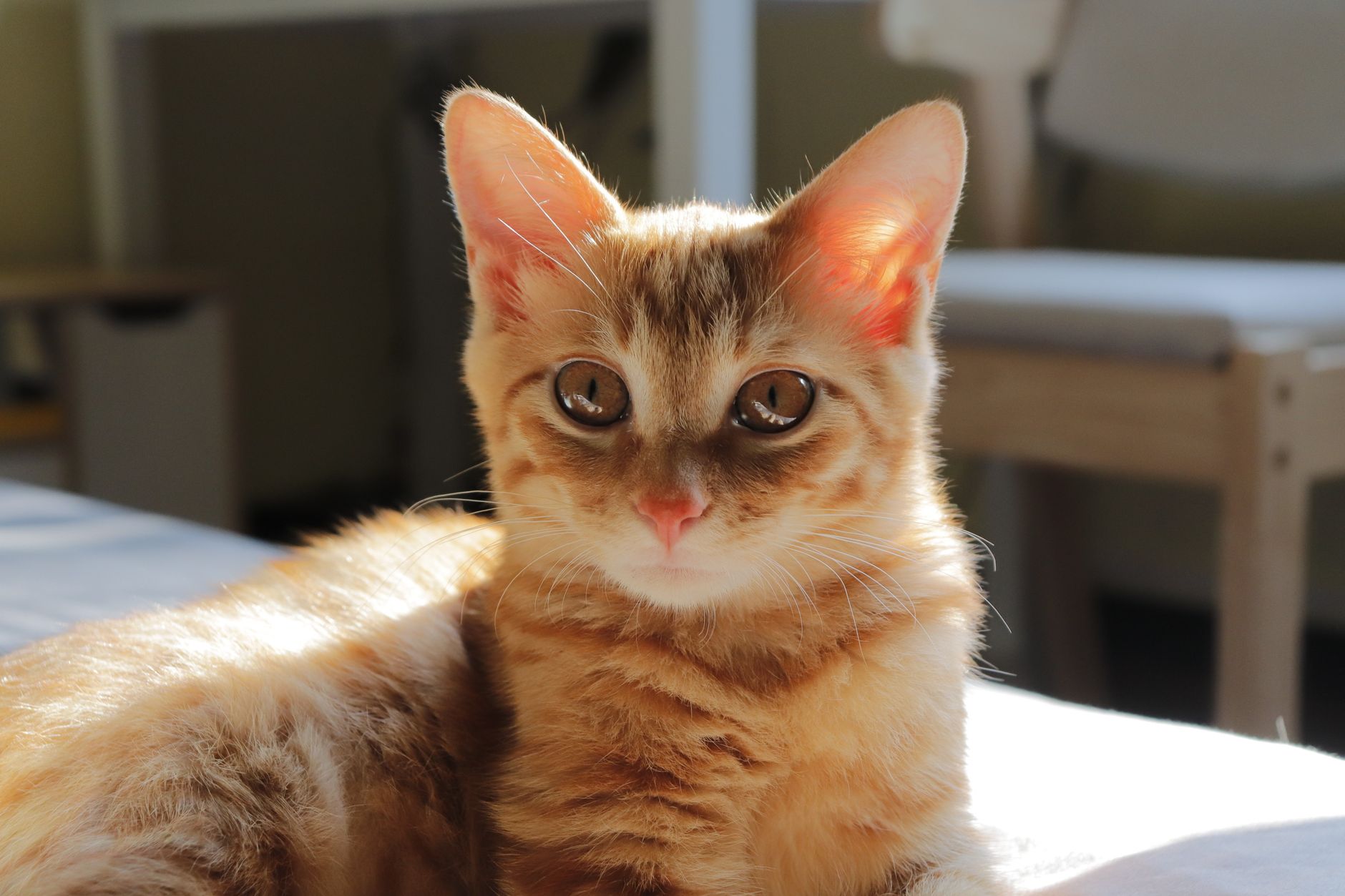
Munchkins are the ultimate extroverts of the feline world, retaining a highly curious, kitten-like playfulness throughout their adult lives. They are famously observant and will frequently stand upright on their hind legs like rabbits—often called ‘meerkatting’—to get a better view of their surroundings. Despite their short limbs, they are shockingly fast runners, taking corners with low-riding, racecar-like precision. Once they have exhausted their high energy reserves, they are deeply affectionate lap cats who crave physical closeness.
Is a Munchkin good with other pets?
In my experience, they get along splendidly with other cats and cat-friendly dogs. Their confident nature means they are rarely intimidated by larger animals, often initiating friendly games of chase.
How much attention does a Munchkin need?
They are highly social and do not thrive if left alone for long stretches. I always recommend them for households where someone is home often, or where they have another pet companion to keep them company.
Training & Behavior
Munchkins are highly intelligent cats that respond remarkably well to positive reinforcement training. Because they love human interaction, they view training sessions as an entertaining game and can easily master commands that challenge their minds. They are natural problem-solvers, which means they will quickly figure out how to open low cabinets or manipulate interactive puzzle toys.
Training Tips
- Use high-value, small treats to motivate them during short, 5-minute training sessions.
- Incorporate clicker training to teach commands like ‘sit’, ‘stay’, or ‘come’.
- Gently redirect their natural urge to scratch toward low, sturdy scratching posts.
- Never use physical punishment, as this will damage their highly trusting, social nature.
Fun Activities
- Playing fetch with lightweight crinkle balls or paper toys
- Solving interactive treat puzzle feeders
- Navigating low-impact, custom agility courses made of boxes
- Learning to walk outside on a secure harness and leash
- Chasing feather wands and laser pointers
Is a Munchkin easy to train?
Yes, they are highly trainable because of their intelligence and eagerness to engage with their owners. I’ve successfully taught them to fetch toys, sit, and even high-five using consistent, treat-based motivation.
Munchkin Health Issues
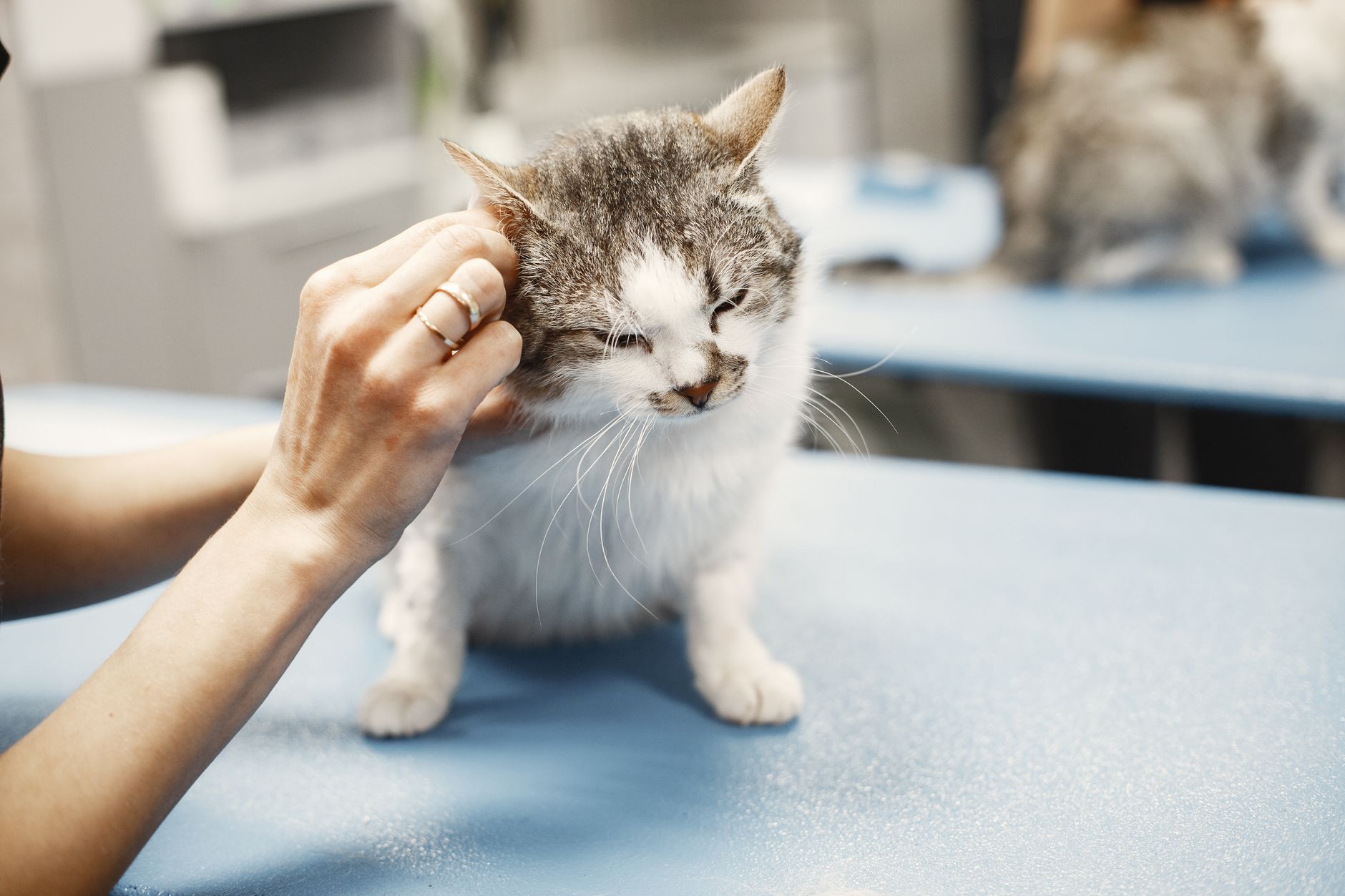
While Munchkins are generally robust and active, their unique physical structure requires proactive veterinary care. Prospective owners must understand that their short legs are a form of physical dwarfism, which places unique stresses on their joints and skeletal system.
Osteoarthritis
Due to the altered joint mechanics of their shortened limbs, Munchkins are at a higher risk of developing early-onset arthritis as they age. This makes maintaining a lean weight absolutely paramount to reduce joint friction.
Lordosis
A rare congenital spinal condition where the muscles of the spine do not grow long enough, causing the spine to curve downward into the chest cavity. It primarily affects young kittens and can range from mild to fatal.
Pectus Excavatum
A congenital chest deformity where the breastbone sinks inward, compressing the lungs and heart. It can occur alongside lordosis and varies in severity.
Obesity
Carrying excess weight is incredibly dangerous for a Munchkin, as it puts immense pressure on their short legs and spine, significantly accelerating joint degeneration.
How long do Munchkins typically live?
With high-quality care, regular veterinary checkups, and a strict, healthy diet, Munchkins typically live between 12 and 15 years. Keeping them lean and indoors is key to maximizing their lifespan.
What to Feed a Munchkin
Feeding your Munchkin a precise, high-quality diet is the single most important tool you have to protect their joints. Because they cannot afford to carry excess body fat, free-feeding should be avoided entirely in favor of scheduled, measured meals.
Best Diet
I highly recommend a diet rich in high-quality animal proteins, utilizing wet food as the primary source of nutrition to ensure excellent hydration and maintain lean muscle mass. For growing kittens, choose a formula optimized for development, transitioning to adult food at 12 months.
How to Feed
Feed your Munchkin on a strict schedule of two to three small, measured meals daily. I always recommend using a digital scale to weigh their food rather than guessing with a measuring cup, as even a few extra kibbles can cause weight gain in a small cat.
How Much to Feed
Portion sizes typically range from 180 to 240 calories per day, depending on their weight and activity level. You should consult your veterinarian to calculate the exact caloric intake required for your individual cat’s target weight.
Nutritional Tips
Incorporate joint supplements like glucosamine, chondroitin, and Omega-3 fatty acids early in life under veterinary guidance to support joint health. Always provide fresh, filtered water, ideally from a pet fountain to encourage drinking.
Munchkin Grooming Guide
Grooming a Munchkin is a straightforward process, but because their short legs make it difficult for them to reach certain areas, they rely on you for help. It is an excellent bonding activity that should be started when they are kittens.
Coat Care
Shorthaired Munchkins need a thorough weekly brushing with a slicker brush or rubber grooming mitt. Longhaired varieties require brushing two to three times a week, paying extra attention to the belly and hindquarters where mats easily form.
Skin Care
During brushing sessions, gently check their skin for dryness or irritation, particularly along their back where they may struggle to self-groom. Baths are rarely necessary unless they get into a sticky mess.
Eye Care
Regularly check their eyes for mild tearing or discharge, wiping the corners gently with a soft, damp cloth using a separate clean section for each eye.
Ear Care
Inspect their ears weekly for dirt, wax buildup, or redness. If dirty, clean them gently using a veterinarian-approved ear cleaner and a cotton round, never inserting cotton swabs into the ear canal.
Nail & Dental Care
Trim their nails every two weeks to prevent snagging on carpets, and brush their teeth at least three times a week with pet-safe toothpaste to prevent periodontal disease.
Considerations for Pet Parents
Pros
- Extremely affectionate, people-oriented, and social
- Stays highly playful and kitten-like into their senior years
- Highly adaptable to apartments and small-space living
- Generally gets along fantastic with other household pets
- Incredibly fast, agile, and entertaining to watch
- Very intelligent and easily trained to do tricks
Cons
- Increased genetic risk of early-onset osteoarthritis
- Cannot jump to high safety zones if threatened by other animals
- Highly controversial breed status with several major registries
- Requires lifetime strict weight monitoring to avoid spinal strain
- Prone to stealing and hoarding small household items
Best For
This breed is ideal for active families, apartment dwellers, or retired individuals who can provide plenty of daily social interaction and play. They are perfect for owners who want an outgoing, highly involved companion that lives life at ground level.
Not Recommended For
They are not recommended for busy owners who work long hours away from home, as Munchkins easily suffer from separation anxiety. They are also unsuitable for homes where they would be allowed outdoor access, as their short legs leave them vulnerable to predators.
Cost
- purchase price$1,000 – $3,000
- monthly cost$80 – $150
- initial setupPlan to spend $400 to $800 initially on high-quality veterinary exams, vaccinations, a durable low-sided litter box, interactive toys, scratching posts, and low pet stairs for furniture access.
Similar Breeds

Bambino
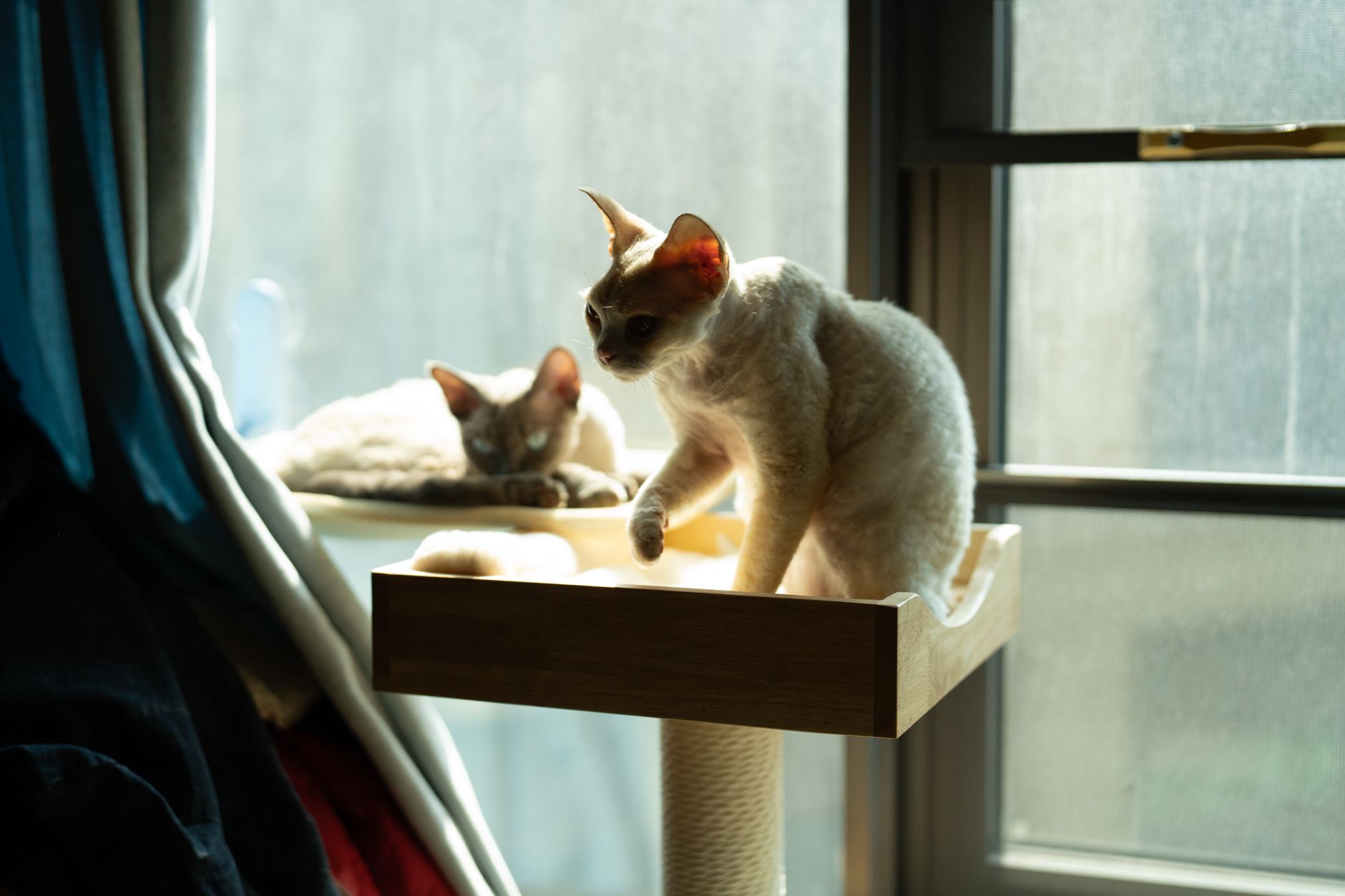
Kinkalow
Munchkin FAQs
Can Munchkin cats jump?
Yes, but not nearly as high as standard, long-legged cats. They can easily hop onto couches, low chairs, and beds, but they rely on climbing or using intermediate steps—like a low stool—to reach high countertops or tall bookshelves.
Are Munchkin cats in constant pain?
No, a healthy Munchkin is not in constant pain. However, because of their unique skeletal structure, they are at a higher risk of developing painful joint conditions like osteoarthritis as they age, which requires careful veterinary management.
Why is the Munchkin breed so controversial?
The breed is controversial because their short legs are caused by a genetic mutation (chondrodysplasia). Major registries like the Cat Fanciers’ Association (CFA) refuse to recognize them, arguing that breeding for a physical deformity is unethical and potentially harmful.
Do Munchkins have spine problems like Dachshunds?
Unlike Dachshunds, which have long, rigid spines prone to intervertebral disc disease (IVDD), a cat’s spine is highly flexible. Munchkins rarely suffer from IVDD, though they are still susceptible to general joint strain and rare developmental spinal issues like lordosis.
Can you breed two short-legged Munchkins together?
No. Breeding two short-legged Munchkins is highly discouraged because the homozygous gene combination (MM) is lethal in utero. Ethical breeders cross a short-legged Munchkin (Mm) with a non-standard, long-legged cat (mm) to ensure healthy litters.
What is a ‘non-standard’ Munchkin?
A non-standard Munchkin is a kitten born from a Munchkin breeding program that inherits normal, long legs. They do not carry the mutated gene, look like regular domestic cats, make wonderful pets, and are used ethically to maintain genetic diversity in breeding programs.
How fast can a Munchkin cat run?
They can run incredibly fast! Due to their lower center of gravity, they can accelerate rapidly and take sharp corners with extreme agility. Many owners compare their running style and speed to that of a ferret.
Are Munchkin cats noisy or highly vocal?
Munchkins are generally moderately vocal. They will soft-chirp, purr, or meow to get your attention or ask for dinner, but they are rarely loud, persistent, or demanding vocalizers like Siamese cats.
How can I protect my Munchkin’s joints at home?
Keep them at a lean, healthy weight, and place pet steps or low ramps next to high beds and sofas. Additionally, talk to your vet about starting high-quality joint supplements containing glucosamine and chondroitin early in life.
Are Munchkins typically lap cats?
Yes, many Munchkins are incredibly affectionate lap cats. Once they finish running around and playing, they love nothing more than curling up in your lap, under the blankets, or sleeping right next to you in bed.
Can Munchkin cats be left alone during the work day?
They do not do well with prolonged isolation. If you work long hours, it is highly recommended to get them a feline companion or arrange for a pet sitter, as they can easily become lonely, bored, or depressed.
What are the grooming requirements for a longhaired Munchkin?
Longhaired Munchkins need to be thoroughly brushed two to three times a week using a steel comb and a slicker brush. Pay close attention to their hindquarters, belly, and armpits, as their shorter legs make it harder for them to reach these areas to clean themselves.
Do Munchkins get along well with dogs?
Yes, in my experience, they get along wonderfully with dog-friendly dogs. Their confident and playful nature means they often treat dogs as playmates, though introductions should always be gradual, supervised, and conducted in a controlled environment.
Why do Munchkins sit up like rabbits?
Munchkins frequently stand upright on their hind legs (called ‘meerkatting’ or rabbit-sitting) to get a higher vantage point. Because their legs are short, this posture helps them see over low obstacles and satisfy their intense curiosity.