
Shiba Inu Breed Guide
Quick Summary
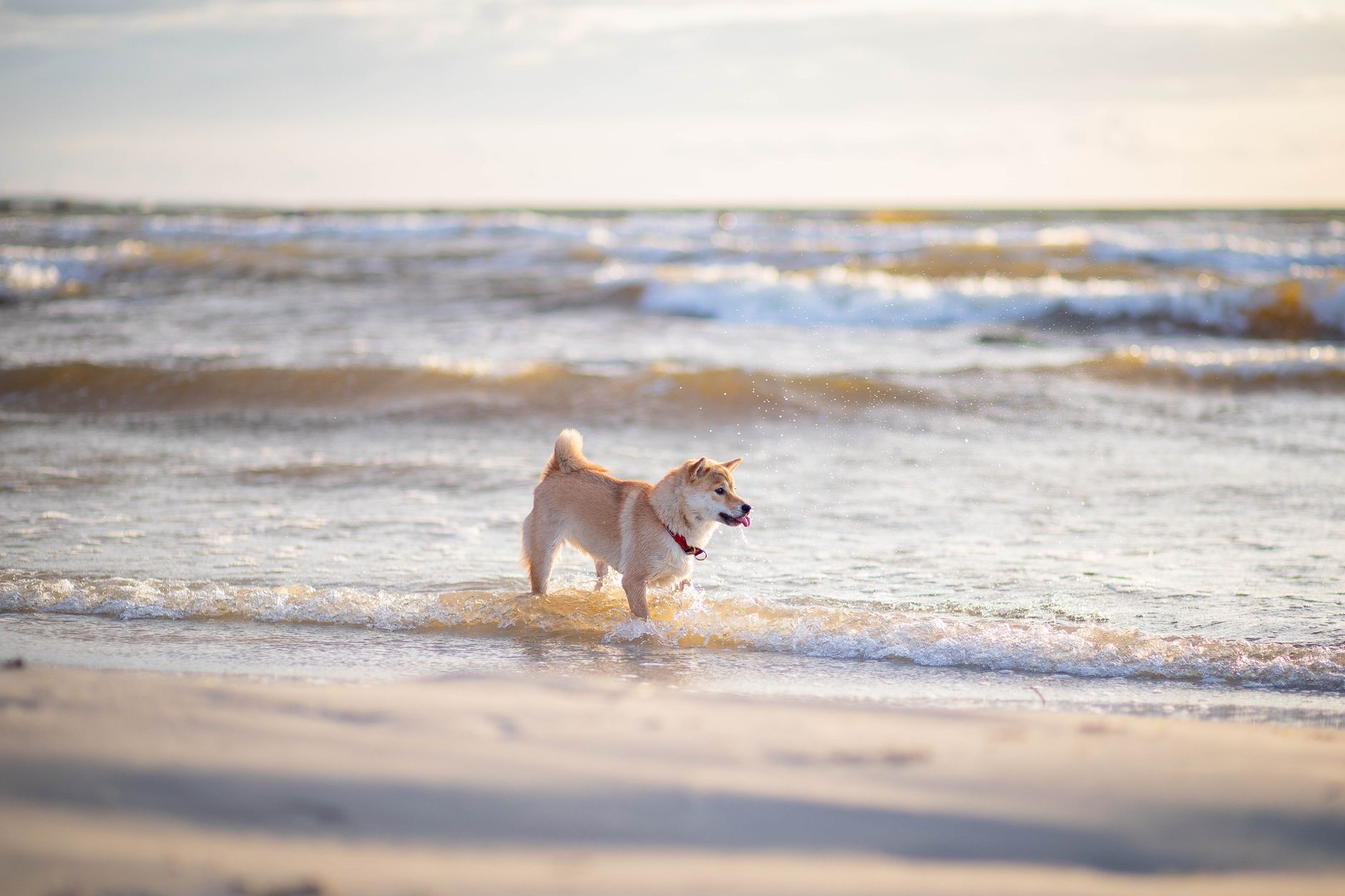
An ancient, spirited, and cat-like breed from Japan, the Shiba Inu is celebrated for its fastidious cleanliness, sharp independence, and striking fox-like appearance. Best suited for experienced handlers, they require consistent positive reinforcement and secure containment to manage their high prey drive and strong-willed nature.
As an Amazon Associate, we earn from qualifying purchases.
Popular with Shiba Inu owners: Omega-3 Fish Oil · Deshedding Tool · Training Treats
Quick Facts
- origin countryJapan
- breed groupNon-Sporting Group
- sizeMedium
- weight range15 to 23 pounds
- height range13.5 to 16.5 inches at the shoulder
- lifespan13 to 16 years
- coat typeDense double coat with a stiff, straight outer coat and a soft, thick undercoat
- common colorsRed, Black and Tan, Sesame, and Cream
- other namesShiba, Japanese Small Size Dog
- recognized byAKC, UKC, FCI
Caring for a Shiba Inu
Living with a Shiba Inu means respecting their intense desire for autonomy and self-grooming habits, which closely resemble those of a cat. In my years treating this breed, I have observed that they housebreak faster than almost any other dog, but their high prey drive means they can never be safely trusted off-leash. They require secure, high fencing as they are notorious escape artists who will climb or dig to chase small animals. Providing them with daily structured exercise and respect for their personal space is key to a harmonious household.
Is a Shiba Inu a good family pet?
While they can co-exist beautifully with older children who respect boundaries, Shibas are rarely patient with toddlers who pull ears or hug tightly. In my practice, I find they do best in homes with older kids who understand canine body language and give the dog space when needed.
Do Shiba Inus shed a lot?
Yes, they shed moderately year-round and undergo a massive ‘blow coat’ twice a year, usually in spring and fall, where they lose their entire undercoat. During these three-to-four-week blowing phases, you will find giant clumps of hair daily, requiring daily line-brushing to manage.
Is a Shiba Inu good for first-time owners?
I strongly advise against a Shiba Inu as a first dog because of their extreme independence, low desire to please, and stubborn streak. First-time owners often get overwhelmed by their dramatic reactions to husbandry tasks, high prey drive, and resistance to traditional training.
Temperament & Personality
Shibas possess a fascinating temperament characterized by intense independence, aloofness with strangers, and fierce loyalty to their immediate family. They are highly alert, possessive of their resources, and known for the infamous ‘Shiba scream’—a high-pitched vocalization they deploy when upset. In my clinical experience, they do not tolerate being forced into activities they dislike and require owners who understand how to negotiate rather than demand.
Native Pet Omega-3 Fish Oil for Dogs
- ✓Wild Alaskan salmon and pollock oil
- ✓Leak-proof locking pump
- ✓Supports soft coats and comfortable skin
- Omega-3 fatty acids support skin, coat and joints from the inside out
Is a Shiba Inu good with other pets?
Shibas often struggle with other pets due to a high prey drive and a strong tendency toward resource guarding. They can co-exist with another dog of the opposite sex if properly socialized, but I rarely recommend them for homes with small animals or cats.
How much attention does a Shiba Inu need?
Unlike needy lapdogs, Shibas are highly self-sufficient and enjoy having their own space throughout the day. However, they still require one to two hours of interactive play, walks, and structured mental engagement daily to prevent boredom-induced destructive behaviors.
Training & Behavior
Training a Shiba is an exercise in mutual respect rather than dominant command; they will not obey simply to please you, but rather because they find the reward worthwhile. They are highly intelligent but incredibly stubborn, requiring a handler who uses positive reinforcement and remains absolutely consistent. I see many Shibas develop severe resource guarding if owners attempt to use physical punishments or confrontational training methods.
Training Tips
- Use high-value rewards like freeze-dried liver or cheese
- Keep training sessions short (5-10 minutes) to avoid boredom
- Never use physical corrections, which trigger extreme defensiveness
- Begin socialization in the first 16 weeks of life
- Use a martingale collar or harness to prevent slipping out
Fun Activities
- Agility training
- Nosework and scent tracking
- Interactive puzzle toys
- Flirt pole play
- Structured hiking on a long line leash
Is a Shiba Inu easy to train?
Absolutely not; they are widely considered one of the most challenging breeds to train due to their independent nature. While they learn commands quickly, they constantly evaluate whether obeying is worth their time, making consistency and positive reinforcement crucial.
Shiba Inu Health Issues
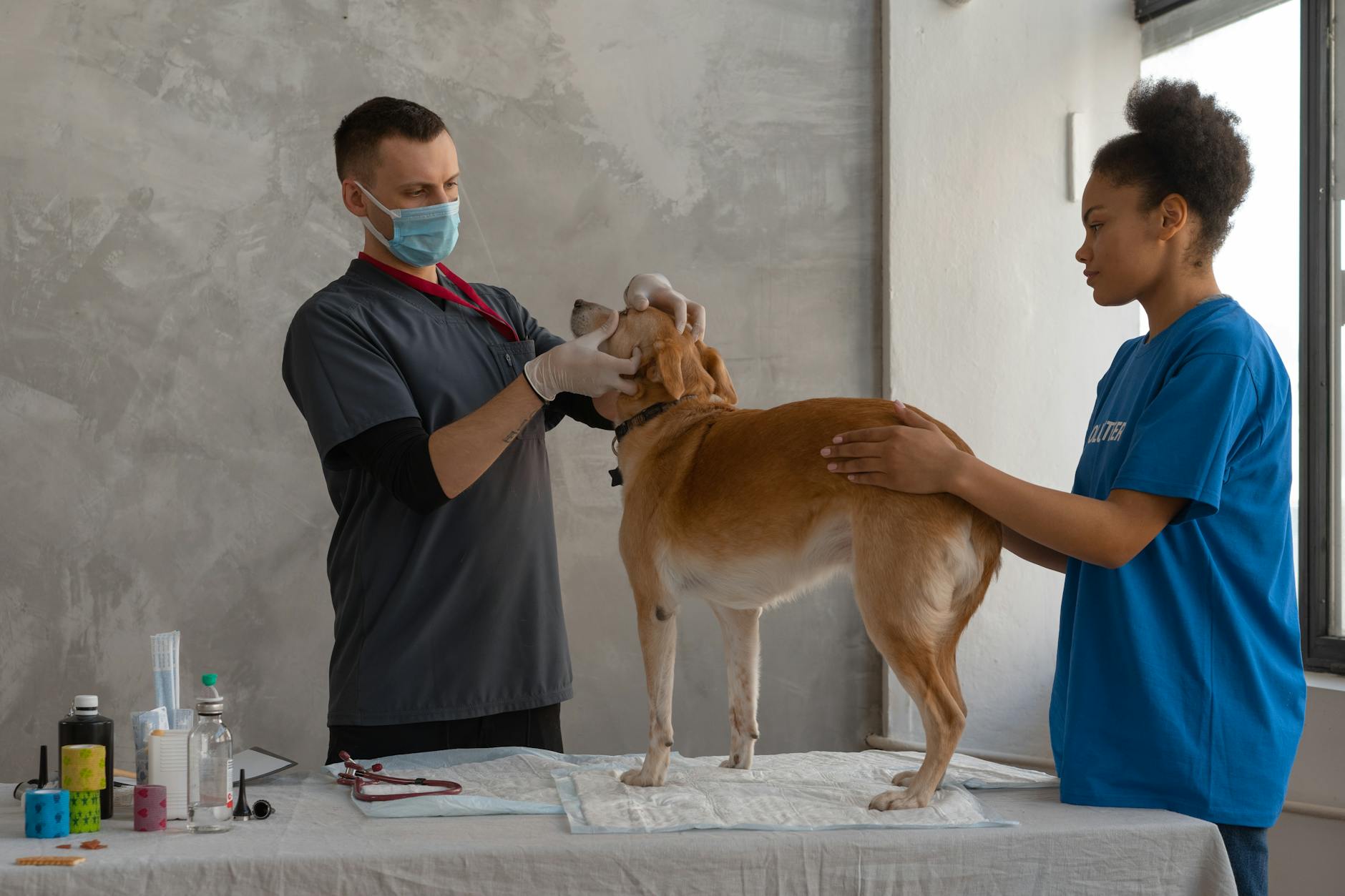
Shibas are generally a robust and long-lived breed, but they are genetically predisposed to specific orthopedic, dermatological, and ophthalmic issues. In my practice, I emphasize screening parents for hip dysplasia, patellar luxation, and eye anomalies before purchasing a puppy.
Patellar Luxation
A genetic condition where the kneecap slips out of its anatomical groove, common in small to medium breeds. This can lead to progressive cartilage wear, arthritis, and sudden-onset lameness.
Atopic Dermatitis (Allergies)
Shibas have highly sensitive immune systems that frequently overreact to environmental allergens like pollen, mold, dust mites, or food proteins, leading to intense chronic itching.
MIU COLOR Pet Deshedding Brush
- ✓Stainless steel comb with evenly spaced teeth
- ✓Detachable head for easy cleaning
- ✓Suits short- and long-haired pets
- Reaches through the topcoat to remove loose undercoat, cutting down the hair on your floors and furniture
Glaucoma
An elevation of intraocular pressure due to inadequate fluid drainage in the eye, which can rapidly lead to optic nerve damage and permanent blindness if not treated as a medical emergency.
Hip Dysplasia
An inherited malformation of the hip joint socket, causing the femoral head to fit poorly and lead to progressive joint laxity, pain, and early-onset osteoarthritis.
Anxiety and Phobias
Due to their highly sensitive and alert nature, Shibas are prone to developing severe barrier frustration, separation anxiety, and noise phobias.
How long do Shiba Inus typically live?
With proper preventive veterinary care, a high-quality diet, and regular exercise, Shibas typically live between 13 and 16 years. I have treated several patients who reached 17 or 18 years of age due to their robust basic constitution.
What to Feed a Shiba Inu
Because Shibas are active but prone to obesity if sedentary, careful caloric management is essential. I frequently see Shibas in my clinic carrying excess weight, which exacerbates joint issues like patellar luxation.
Best Diet
A high-quality, meat-first kibble formulated for medium-sized breeds is ideal. For those with confirmed atopic allergies, a limited-ingredient diet or a hydrolyzed protein diet prescribed by a vet is often necessary to prevent skin flare-ups.
How to Feed
Feed two measured meals daily rather than free-feeding to prevent obesity. Use interactive puzzle feeders to slow down fast eaters and provide essential mental stimulation during mealtime.
How Much to Feed
On average, an adult Shiba requires between 1 to 1.5 cups of dry kibble daily, split into two meals, totaling roughly 500 to 750 calories. Always consult your vet to adjust this based on your dog’s exact weight, age, and activity level.
Nutritional Tips
Incorporate omega-3 fatty acid supplements (such as high-quality fish oil) to support their dense double coat and promote skin barrier health. Monitor treat intake strictly, ensuring treats do not exceed 10% of their daily caloric intake.
Shiba Inu Grooming Guide
Shibas are famously clean and groom themselves like cats, but their thick double coat presents distinct challenges during shedding seasons. Early desensitization to grooming tools and handling is critical to prevent aggressive resistance or screaming.
Coat Care
Brush weekly with a slicker brush and undercoat rake during normal shedding periods. During the bi-annual ‘blow coat’ phase, brush daily and consider a high-velocity blow dryer to blast out loose undercoat after a bath.
Skin Care
Bathe them only once every 6 to 8 weeks, as excessive bathing strips the natural protective oils from their skin and worsens dry-skin issues. Always use a hypoallergenic, oatmeal-based canine shampoo.
Eye Care
Wipe the corners of the eyes with a damp, clean cloth weekly to prevent tear stains; contact your vet immediately if you notice cloudiness, excessive squinting, or discharge.
Ear Care
Check ears weekly for redness or odor, cleaning them with a vet-approved, drying ear cleanser if debris is present, especially in dogs prone to environmental allergies.
Nail & Dental Care
Trim nails every 3 to 4 weeks using a dremel or clippers, starting from puppyhood to prevent extreme nail-trim anxiety. Brush teeth at least 3 times weekly with dog-safe enzymatic toothpaste.
Considerations for Pet Parents
Pros
- Highly clean and easy to housebreak
- Very quiet indoors, rarely barking unnecessarily
- Independent and comfortable spending some time alone
- Striking, beautiful fox-like appearance
- Highly loyal and deeply devoted to their chosen family
- Excellent watchdogs due to alert, protective nature
Cons
- Extremely high prey drive and cannot be trusted off-leash
- Stubborn and highly resistant to traditional obedience training
- Prone to the dramatic ‘Shiba scream’ when stressed
- Heavy shedding twice a year during coat blows
- Can be aloof or suspicious of strangers and other dogs
Best For
An active, experienced dog owner who respects independence, lives in a secure home with a fenced yard, and wants a clean, quiet companion rather than a needy lapdog.
Not Recommended For
First-time dog owners, families with toddlers, or households with small pocket pets. They will struggle in environments where they are expected to be highly social, off-leash reliable, or submissive.
Cost
- purchase price$1,500 – $3,500
- monthly cost$100 – $180
- initial setupExpect an initial setup cost of $800 to $1,500, which covers a high-quality escape-proof harness, secure crate, grooming tools, microchipping, and initial puppy vaccinations.
-
Blue Buffalo Bits Chicken Training TreatsSmall, soft treats are quick to eat, so you can reward the right moment and keep training sessions moving
-
Wag Wholesome Grains Dry Dog Food, Chicken & Brown RiceA complete, balanced diet matched to your dog’s size and age is the foundation of a healthy coat, gut and energy level
-
EHEYCIGA Orthopedic Extra Large Dog Bed, 44 inSupportive foam cushions hips and joints, ideal for large, senior or dysplasia-prone dogs
Similar Breeds
Akita

Kishu Ken
Related Articles
Related Dog Guides
Shiba Inu FAQs
Why do Shiba Inus scream?
The ‘Shiba scream’ is a high-pitched, dramatic vocalization they use to express distress, fear, frustration, or displeasure during activities like nail trims or baths.
Are Shiba Inus aggressive?
They are not inherently aggressive but are naturally aloof, possessive, and territorial. Without intensive early socialization, they can develop resource guarding or defensive aggression toward strangers or other dogs.
Can Shiba Inus be left alone?
Yes, Shibas are highly independent and tolerate being left alone during a standard workday better than many other breeds, provided they have been properly crate-trained and exercised beforehand.
Can Shiba Inus go off-leash?
No, I always advise keeping a Shiba on a leash at all times in unsecured areas. Their ancient hunting instincts and high prey drive make their recall unreliable, regardless of training.
Why does my Shiba Inu lick their paws so much?
This is a classic sign of atopic dermatitis (allergies) or stress. In my practice, I see many Shibas who lick their paws raw due to environmental allergens, which requires veterinary intervention.
How do I stop my Shiba from resource guarding?
Prevent resource guarding by practicing positive reinforcement trading games (‘drop it’ and ‘exchange’) from puppyhood. Avoid punishing them for guarding, as this will only increase their anxiety and defensive behaviors.
Do Shiba Inus smell bad?
No, Shibas are exceptionally clean dogs with self-cleaning, odorless double coats. They do not have the typical ‘doggy odor’ unless they have an underlying skin or ear infection.
Why is my Shiba Inu blowing their coat?
This is a natural bi-annual process where they shed their entire dense undercoat to adjust to changing seasonal temperatures. It lasts 3-4 weeks and requires daily brushing.
How high can a Shiba Inu jump?
A Shiba can easily clear a 4-to-5-foot fence if motivated. For safety, I recommend secure, climb-resistant fencing that is at least 5 to 6 feet high, with no footholds.
Are Shiba Inus easy to housebreak?
Yes, this is one of the easiest breeds to housebreak. Due to their fastidious, cat-like cleanliness, they naturally prefer to eliminate away from their living areas and learn quickly.
What is the difference between a Shiba Inu and an Akita?
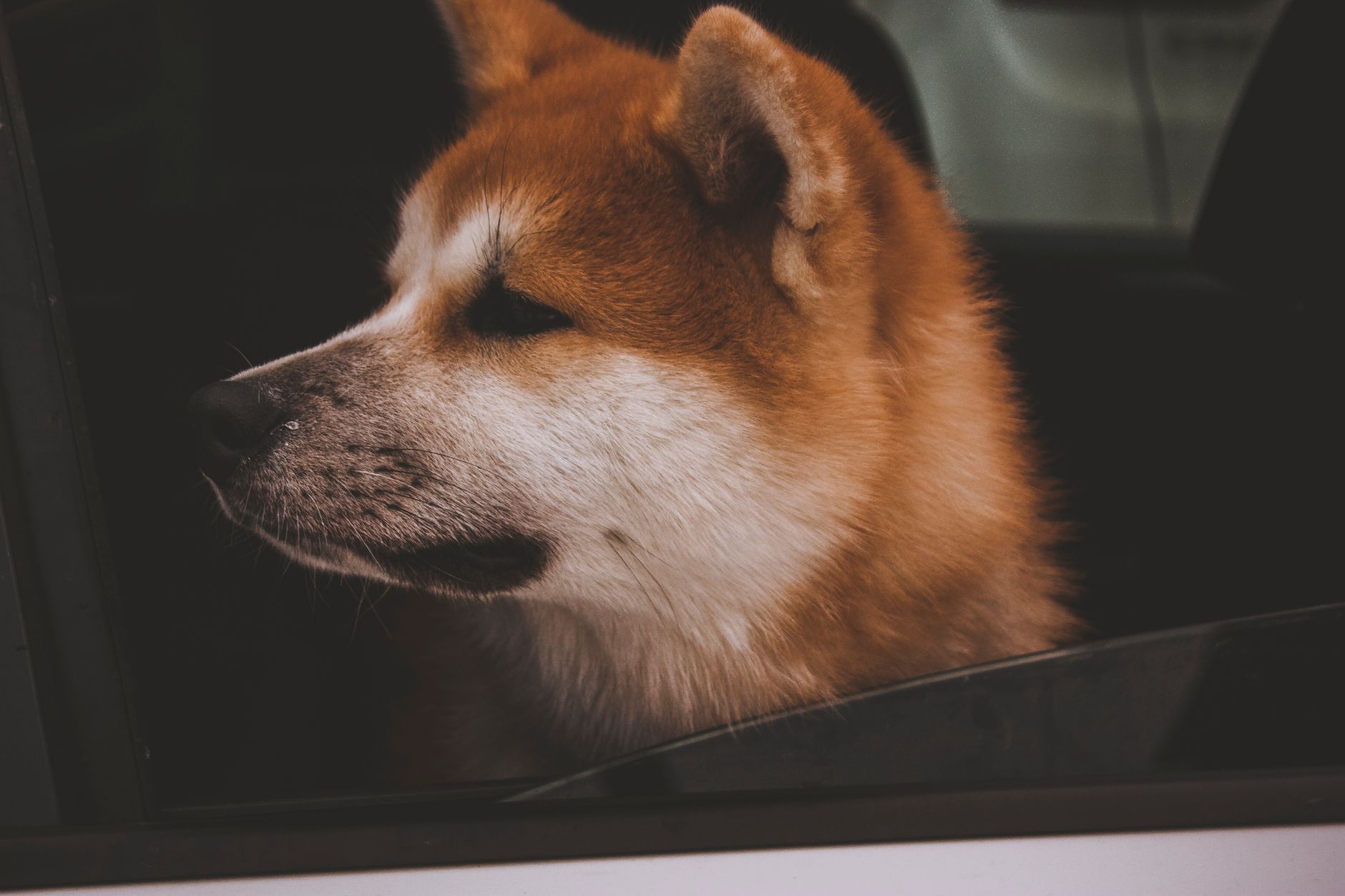
While both are ancient Japanese Spitz breeds, Akitas are significantly larger (70-130 lbs), more powerful, and can have a more intense guardian instinct, whereas Shibas are compact (15-23 lbs) and highly agile.
Do Shiba Inus like to cuddle?
Shibas are generally affectionate on their own terms. They prefer to sleep nearby or lean against you rather than being picked up, cuddled, or held like a lapdog.
What is ‘Urajiro’ in Shiba Inus?
Urajiro refers to the distinctive white-to-cream markings on the sides of the muzzle, cheeks, underside of the jaw, neck, chest, belly, and the underside of the tail, which is required for show-quality Shibas.
Sources & Further Reading
- American Kennel Club (AKC)
- ASPCA
- Merck Veterinary Manual
- American Veterinary Medical Association (AVMA)