
Dwelf Breed Guide

Quick Summary
The Dwelf is an incredibly affectionate, highly social, and striking hybrid breed combining the traits of the Munchkin, Sphynx, and American Curl. Ideal for dedicated owners who can commit to intensive daily skin care and proactive veterinary monitoring, these tiny, hairless, curled-ear cats possess giant personalities that thrive on constant human companionship.
Quick Facts
- origin countryUnited States
- breed groupDesigner Hybrid
- sizeSmall
- weight range4 to 7 lbs (1.8 to 3.2 kg)
- height range5 to 7 inches
- lifespan8 to 12 years
- coat typeHairless (peach fuzz)
- common colorsAll colors and patterns, including pointed, solid, and tabby
- other namesNone
- recognized byTICA (Experimental status), Dwarf Cat Association (TDCA)
Caring for a Dwelf
Living with a Dwelf is an intensely hands-on experience that resembles caring for a toddler more than a typical independent feline. Because they lack a protective coat, they rely entirely on you to regulate their body temperature with sweaters and heated beds, while their short stature means you must keep their environment safely accessible. Expect a shadow-like companion who follows you everywhere, demanding interactive play and daily physical upkeep. In my practice, I emphasize that their unique anatomy requires a strict, proactive routine to prevent painful skin and joint issues.
Is a Dwelf a good family pet?
Yes, they can make wonderful family pets for households with older, respectful children who understand how to handle a fragile-bodied cat. Because of their short legs and lack of protective fur, rough play must be strictly avoided to prevent spinal or skin injuries.
Do Dwelfs shed a lot?
Dwelfs do not shed in the traditional sense because they are hairless or covered in microscopic peach fuzz. However, instead of shedding fur, they shed dander and body oils, which will leave greasy spots on furniture and clothing if they are not bathed regularly.
Is a Dwelf good for first-time owners?
I strongly advise against a Dwelf for first-time owners. Their intensive skin care regimen, vulnerability to temperature extremes, and complex skeletal health needs require an experienced, highly dedicated owner who is comfortable managing medical risks.
Temperament & Personality
The Dwelf is a bundle of endless curiosity and high-octane energy, completely defying their physical limitations. They are incredibly extroverted, often greeting guests at the door and seeking out the warmest lap in the room. This is not a cat that enjoys solitude; they crave constant social stimulation and will vocalize or display destructive behaviors if ignored.
Is a Dwelf good with other pets?
In my clinical experience, Dwelfs do exceptionally well with other pets, including friendly dogs and other cats, as they hate being alone. Their social nature makes having a companion animal highly beneficial for their mental well-being.
How much attention does a Dwelf need?
An extraordinary amount. They are a classic ‘velcro’ breed that wants to participate in every household activity, meaning they are ill-suited for owners who work long hours away from home.
Training & Behavior
Dwelfs are remarkably intelligent and highly food-motivated, inherited from their Sphynx and Munchkin lineages. They pick up on household routines quickly and can easily be trained to perform tricks or walk on a harness. However, their high intelligence means they can become mischievous if their minds are not kept busy.
Training Tips
- Use positive reinforcement with high-value, low-calorie treats
- Keep training sessions short and engaging (2-5 minutes)
- Incorporate clicker training early on for mental stimulation
- Gently desensitize them to bathing, nail trimming, and ear cleaning from kittenhood
- Establish clear boundaries to discourage unsafe counter jumping
Fun Activities
- Clicker training tricks
- Interactive puzzle feeders
- Feather wand chase games
- Harness and leash walking indoors
- Feather toy fetching
Is a Dwelf easy to train?
Yes, they are highly trainable due to their active minds and desire to please. The key is starting early and using positive, reward-based methods to keep them focused.
Dwelf Health Issues
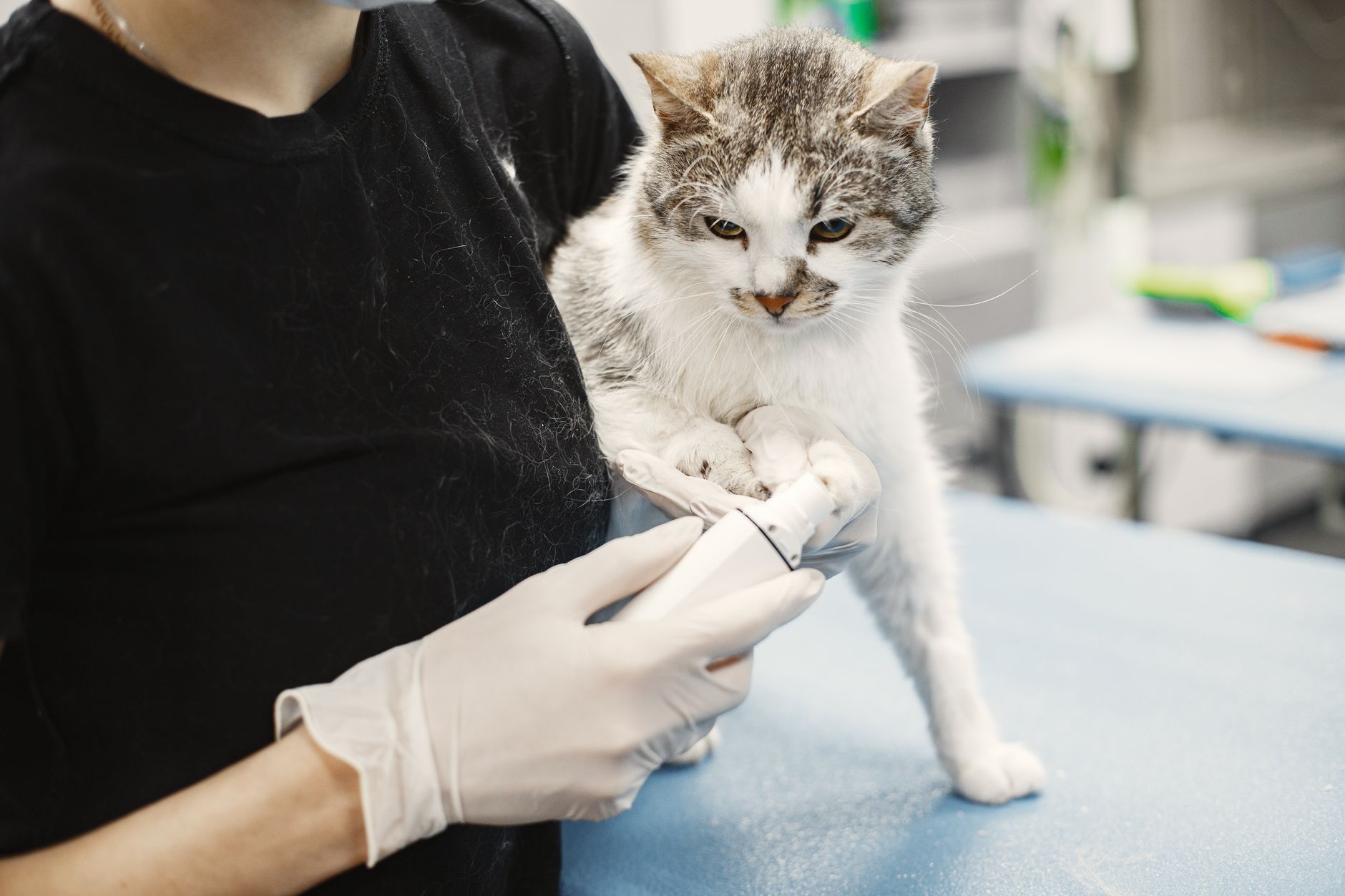
Due to their complex hybrid origins—combining chondrodysplasia, ear mutations, and hairlessness—Dwelfs are prone to a unique set of hereditary and structural health challenges. Regular screening and proactive veterinary care are vital to ensuring they maintain a good quality of life.
Hypertrophic Cardiomyopathy (HCM)
A genetic heart disease inherited from their Sphynx ancestry where the heart muscle thickens, potentially leading to heart failure or blood clots.
Lordosis and Pectus Excavatum
Skeletal deformities associated with the Munchkin’s dwarfism gene; lordosis causes an inward curvature of the spine, while pectus excavatum causes a hollowed chest.
Dermatitis and Skin Infections
Without fur to absorb sebum, natural skin oils accumulate, creating a breeding ground for Malassezia (yeast) and bacterial infections.
Otitis Externa (Ear Infections)
The curled ear shape from the American Curl parentage alters the ear canal anatomy, trapping wax and debris, which leads to chronic inflammation and infection.
Osteoarthritis
Their shortened limbs and altered joint angles put abnormal mechanical stress on the joints, leading to premature wear and tear of cartilage.
How long do Dwelfs typically live?
With diligent care, a Dwelf can live between 8 to 12 years. However, their lifespan can be significantly shortened if they develop severe congenital issues like lordosis or hypertrophic cardiomyopathy (HCM).
What to Feed a Dwelf
Because they are hairless, Dwelfs have a substantially higher metabolic rate than coated cats to maintain their body temperature. This means they require more calories per ounce of body weight and must be fed high-quality, easily digestible food.
Best Diet
A premium, protein-rich diet—either wet or raw (if formulated correctly under veterinary supervision)—is ideal. High fat and high protein help support their elevated metabolism and maintain healthy skin barriers from the inside out.
How to Feed
I recommend feeding small, frequent meals (3 to 4 times a day) rather than free-feeding dry food. This helps maintain stable energy levels and prevents obesity, which is devastating to their dwarf skeletal structure.
How Much to Feed
They generally require about 30-40% more calories per pound than a coated cat. Monitor their body condition score closely with your veterinarian to adjust portions, ensuring they do not put excess weight on their short limbs.
Nutritional Tips
Adding Omega-3 fatty acids (like high-quality wild salmon oil) to their diet can support skin health and reduce inflammation in their structurally vulnerable joints. Always ensure fresh, clean water is accessible to support kidney function.
Dwelf Grooming Guide
Grooming a Dwelf is non-negotiable and requires a serious commitment. Unlike regular cats who self-groom, a Dwelf depends on you to manage their skin oils and anatomical quirks to keep them healthy and comfortable.
Coat Care
They have no coat to brush, but they require weekly to bi-weekly baths using a gentle, vet-approved, hypoallergenic cat shampoo. Be sure to rinse them thoroughly, as soap residue can cause severe contact dermatitis.
Skin Care
Daily maintenance involves wiping down their skin folds, armpits, and groin with damp, alcohol-free baby wipes to prevent yeast buildup. Apply pet-safe sunscreen if they sit by sunny windows, and always dress them in soft, breathable shirts to protect them from scratches and cold.
Eye Care
Because they lack eyelashes, their eyes tear frequently to flush out dust. Wipe their eyes daily with a warm, damp cotton ball to prevent crusting and staining.
Ear Care
Their curled ears produce copious wax and must be cleaned weekly using a vet-recommended ear flush. Never use cotton swabs inside the canal; gently wipe visible debris with a cotton round.
Nail & Dental Care
Wipe their nail beds weekly, as black sebum collects around the claws and can cause infections. Brush their teeth daily, as the Sphynx lineage is highly prone to early-onset periodontal disease.
Considerations for Pet Parents
Pros
- Extremely affectionate and loving
- Highly social and dog-friendly
- Minimal shedding (ideal for households hating cat hair)
- Playful and entertaining personality
- Thrives on close human bonding
- Highly intelligent and quick to learn tricks
Cons
- Extremely high grooming demands
- Prone to multiple genetic health issues
- Vulnerable to extreme cold and sunburn
- High cost of acquisition and medical care
- Cannot be left alone for long periods
Best For
An experienced cat owner or a multi-pet household where someone is home most of the day. It requires someone with the financial means for regular vet care and the time to dedicate to rigorous, daily skin and ear hygiene.
Not Recommended For
Busy professionals who travel frequently, first-time cat owners, or families with very young, energetic children who might accidentally drop or injure a cat with dwarf limbs and delicate joints.
Cost
- purchase price$2,000 to $4,500
- monthly cost$150 to $300
- initial setupExpect to spend an additional $800 to $1,500 initially on heated beds, specialized sweaters, high-quality skin care products, ear cleaners, and a comprehensive veterinary evaluation including a baseline echocardiogram.
Similar Breeds


Related Cat Guides
Dwelf FAQs
Why does my Dwelf feel sticky or greasy?
Because they lack fur to absorb natural sebum, their skin oils accumulate on the surface. If they are not bathed regularly (every 1 to 2 weeks), this oil builds up, making them feel greasy or sticky and leading to skin irritation and stained furniture.
Do Dwelf cats get cold easily?
Yes, without fur, Dwelfs struggle to regulate their body temperature and are highly sensitive to drafts and cold. They should always have access to heated cat beds, and you will likely need to dress them in soft, fleece cat sweaters during cooler months.
Are Dwelf cats hypoallergenic?
No cat is entirely hypoallergenic, and this includes the Dwelf. While they do not shed hair, they still produce Fel d 1 (the protein responsible for cat allergies) in their saliva, dander, and skin oils, which can still trigger allergic reactions in sensitive individuals.
Can Dwelf cats jump?
Due to their short legs (chondrodysplasia), Dwelfs cannot jump as high as normal-legged cats. However, they are surprisingly agile and will use furniture, ramps, or lower platforms to climb and explore vertical spaces.
Do Dwelfs need sunscreen?
Yes, if they spend time near sunny windows or go outdoors on a leash, they can get sunburned easily. You must apply a pet-safe, non-toxic sunscreen or keep them out of direct sunlight during peak hours to prevent burns and long-term skin cancer risks.
How often should I bathe my Dwelf cat?
Most Dwelfs need a bath every 1 to 2 weeks, though some may require it more or less frequently depending on their individual oil production. Over-bathing can dry out their skin, while under-bathing causes painful yeast infections, so consult your vet to find the right balance.
Why do my Dwelf’s ears look dirty so quickly?
The gene inherited from the American Curl alters the shape of the ear canal, narrowing it and trapping wax. Combined with the high oil production of their hairless skin, this leads to rapid wax accumulation that requires weekly cleaning to prevent painful infections.
What is the genetic controversy surrounding Dwelf cats?
The Dwelf is a highly controversial breed within the veterinary and cat fancy communities. Combining three distinct genetic mutations—dwarfism (chondrodysplasia), ear curling, and hairlessness—increases the risk of complex physical deformities and chronic pain, leading many major registries to refuse recognition.
How can I protect my Dwelf’s joints?
To protect their dwarf limbs from impact injuries, place pet stairs or ramps near high surfaces like sofas or beds. Keeping them at a lean, healthy weight is also critical to minimize structural stress on their spine and joints.
What kind of shampoo should I use for my Dwelf?
Always use a gentle, soap-free, organic, or hypoallergenic shampoo formulated specifically for cats or hairless breeds. Avoid harsh chemicals, artificial fragrances, and human baby shampoo, which can disrupt their delicate skin pH and cause severe dryness or rashes.
Do Dwelfs get blackheads?
Yes, Dwelfs are highly prone to blackheads, particularly on their chins, tails, and in their skin folds where oil glands are dense. Regular cleaning and avoiding plastic food bowls (which trap bacteria) can help manage feline acne.
Are Dwelf cats vocal?
Yes, Dwelfs tend to be quite vocal, a trait they inherit from their outgoing Sphynx ancestors. They will chirrup, meow, and trill to demand attention, signal mealtime, or simply converse with you throughout the day.