
Small Munsterlander Breed Guide

Quick Summary
The Small Munsterlander is an exceptionally intelligent, versatile hunting dog that thrives when given a concrete job and extensive outdoor exercise. In my clinical experience, they are wonderfully affectionate family companions, but only if their intense physical and mental needs are met daily. They are best suited for active, outdoor-oriented families, particularly those interested in field trials, canine sports, or hunting.
Quick Facts
- origin countryGermany
- breed groupSporting / Gundog
- sizeMedium
- weight range35 to 60 lbs (16 to 27 kg)
- height range20 to 22 inches (50 to 56 cm)
- lifespan12 to 14 years
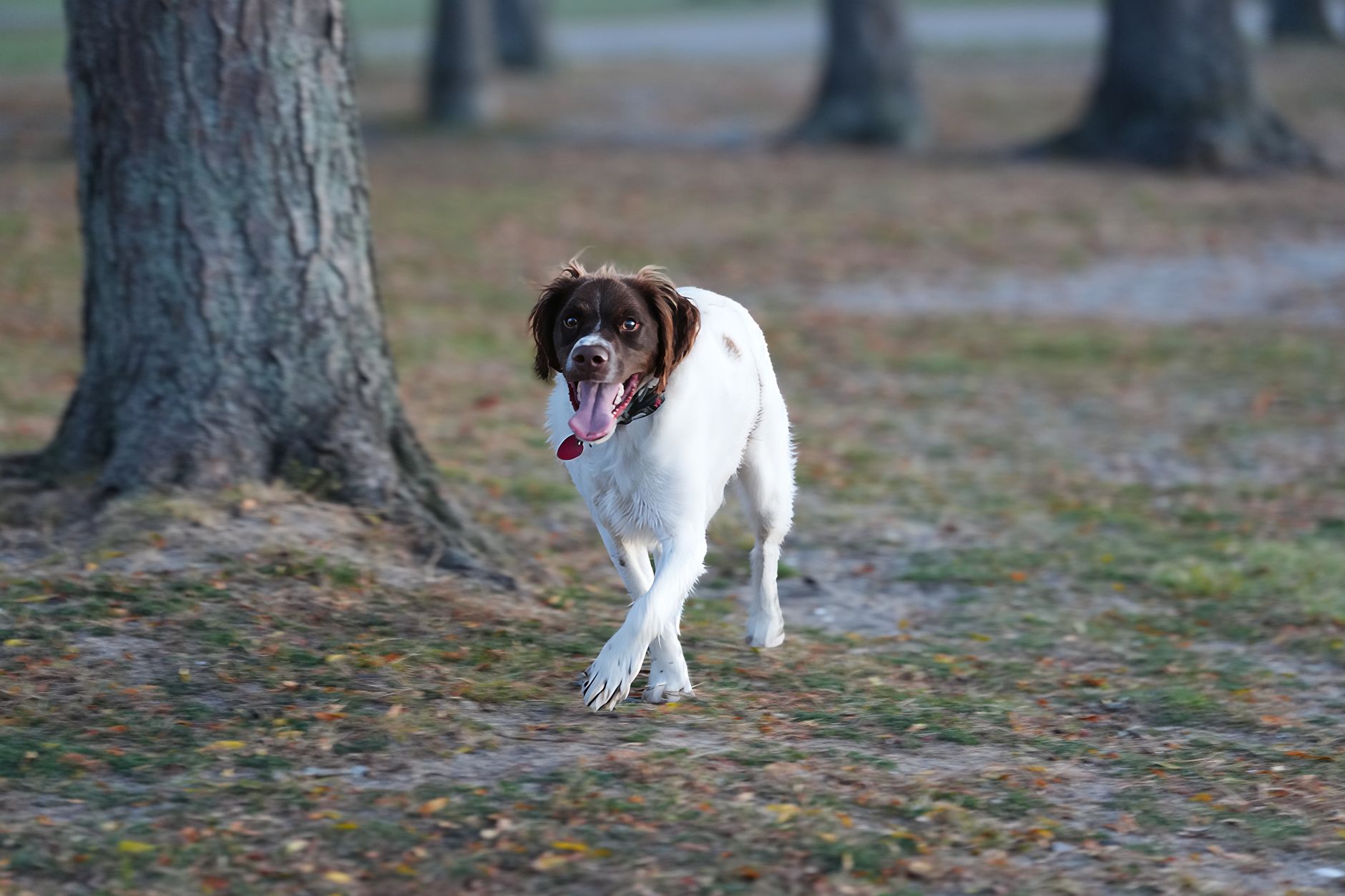
- coat typeMedium-length, dense, flat, and water-repellent with moderate feathering
- common colorsBrown and white, brown roan, with ticked patterns or solid brown patches
- other namesKleiner Münsterländer, Vorstehhund, Heidewachtel
- recognized byAKC (FSS), UKC, FCI, NAVHDA
Caring for a Small Munsterlander
Living with a Small Munsterlander requires a commitment to serious daily exercise and cognitive stimulation; this is not a breed that thrives with a quick walk around the block. In my practice, I find that these dogs do best when they have access to a large, securely fenced yard and at least 60 to 90 minutes of vigorous daily activity. Because they love to run through brush and water, owners must perform diligent post-exercise physical checks. I always tell owners to inspect their paws, coat, and ears for ticks, burrs, and minor cuts after any field run.
Is a Small Munsterlander a good family pet?
Yes, they make excellent, deeply devoted family pets for active households. They possess a natural affinity for children and form strong bonds, though their high energy can occasionally overwhelm very small toddlers.
Do Small Munsterlanders shed a lot?
They are moderate shedders year-round, with more pronounced shedding twice a year during seasonal coat changes. Regular weekly brushing is required to keep loose undercoat hair under control and prevent matting in their feathers.
Is a Small Munsterlander good for first-time owners?
Generally, no. Their high intelligence, intense exercise requirements, and strong hunting instincts require structured, consistent training that can overwhelm a novice owner. They are best suited for those experienced with working or sporting breeds.
Temperament & Personality
The Small Munsterlander is celebrated for its balanced, self-confident, and highly cooperative temperament. In the home, they are remarkably affectionate, gentle, and eager to integrate into family life, often acting as shadow-like companions. However, once outdoors, their working drive activates, transforming them into intense, focused, and tireless searchers. What I see most often in practice is that a physically and mentally fulfilled Munsterlander is incredibly calm and quiet indoors.
Is a Small Munsterlander good with other pets?
They generally coexist beautifully with other dogs, but their high prey drive means they should be introduced to cats and pocket pets with extreme caution. Early, structured socialization is absolutely vital.
How much attention does a Small Munsterlander need?
They are highly social dogs who require close human contact and do not tolerate isolation well. If left alone for long periods without stimulation, they are highly prone to developing separation anxiety and destructive habits.
Training & Behavior
Training a Small Munsterlander is highly rewarding because of their keen intelligence and desire to cooperate with their handler. They respond phenomenally well to positive, reward-based training methods and gentle consistency. However, because they are highly sensitive, harsh training methods will cause them to shut down and lose trust. In my clinical years, I have noted that these dogs excel when training mimics real-world tasks that exercise both their mind and body.
Training Tips
- Use positive reinforcement; avoid harsh physical corrections
- Begin reliable recall training on a long line from puppyhood
- Provide structured, daily mental stimulation like puzzle toys
- Socialize early to various sights, sounds, and other animals
- Incorporate scent work to satisfy their natural tracking instincts
Fun Activities
- Field trials and hunt tests
- Agility training
- Dock diving
- Scent work and tracking
- Canicross or skijoring
Is a Small Munsterlander easy to train?
Yes, they are highly trainable due to their focus and intelligence. However, they are smart enough to notice inconsistencies in leadership, so owners must remain firm, clear, and positive in their guidance.
Small Munsterlander Health Issues

The Small Munsterlander is generally a robust, healthy, and athletic breed with relatively few genetic health anomalies. However, their active lifestyle and floppy ear conformation make them prone to specific orthopedic injuries, ear issues, and environmental hazards. In my years treating this breed, I emphasize that preventive care and obtaining dogs from health-screened parents are key to avoiding long-term issues.
Hip Dysplasia
A heritable orthopedic condition where the head of the femur does not fit snugly into the pelvic socket, leading to progressive osteoarthritis. Clinically, I always recommend that breeding stock undergo OFA or PennHIP evaluations prior to mating.
Otitis Externa (Ear Infections)
Because of their pendulous, feathered ears, moisture and debris easily become trapped inside the L-shaped ear canal, creating an ideal breeding ground for yeast and bacteria. This is especially common in dogs that swim regularly.
Cranial Cruciate Ligament (CCL) Tears
Due to their high athletic drive and sudden pivoting movements in the field, these dogs are prone to tearing the cranial cruciate ligament (equivalent to the human ACL) in the knee. This often requires surgical intervention to restore stability.
Follicular Dysplasia / Atopic Dermatitis
A genetic hair follicle condition or environmental allergen sensitivity that can cause chronic skin irritation, secondary bacterial infections, and localized hair loss, particularly along the flanks and trunk.
How long do Small Munsterlanders typically live?
With excellent nutrition, regular preventative veterinary care, and proper weight management, they typically enjoy a long, healthy lifespan of 12 to 14 years.
What to Feed a Small Munsterlander
Feeding an active, working dog like the Small Munsterlander requires precise portion control and high-quality nutrients to sustain their high metabolic rate. Underfeeding can lead to unwanted weight loss and muscle wasting, while overfeeding can stress their joints.
Best Diet
I recommend a high-quality, high-protein, and moderate-fat diet formulated specifically for active, medium-sized sporting breeds. Ensure the first ingredients are whole meat sources, and adjust the calorie intake based on their current activity level, switching to a maintenance formula during the off-season.
How to Feed
Split their daily food allowance into two equal meals to help maintain consistent blood sugar levels and energy. To prevent digestive issues, I strongly advise waiting at least 1 hour after intense exercise before feeding your dog.
How Much to Feed
Generally, adult Small Munsterlanders require 2 to 3 cups of high-quality kibble daily, but this varies dramatically based on metabolic rate and energy output. I advise consulting your veterinarian to calculate your dog’s exact daily caloric requirement.
Nutritional Tips
Incorporating high-quality omega-3 fatty acid supplements (such as wild-caught fish oil) is highly beneficial. These help support their active joints, protect against inflammation, and keep their water-resistant double coat shiny and healthy.
Small Munsterlander Grooming Guide
Grooming a Small Munsterlander is relatively straightforward but must be done regularly to manage their feathering and double coat. Neglecting their coat can lead to painful matting, especially behind the ears, on the chest, and on the backs of their legs.
Coat Care
Brush the coat 2 to 3 times weekly using a slicker brush and a metal comb to keep the feathers free of mats and burrs. During heavy shedding seasons in spring and autumn, daily brushing with an undercoat raking tool will be necessary.
Skin Care
Bathe only when necessary, typically once every 6 to 8 weeks, using a mild, soap-free veterinary shampoo. Over-bathing can strip the natural water-repellent oils from their coat, causing dry, itchy skin.
Eye Care
Inspect their eyes after field runs for any debris, seeds, or conjunctival redness, flushing with a sterile saline eyewash if necessary.
Ear Care
Clean the ears weekly with a veterinarian-recommended, drying ear cleaner, especially after swimming, to prevent moisture buildup and subsequent yeast infections.
Nail & Dental Care
Trim the nails every 3 to 4 weeks to prevent splitting and postural strain, and brush their teeth at least 3 times a week using dog-safe enzymatic toothpaste.
Considerations for Pet Parents
Pros
- Highly intelligent and exceptionally trainable
- Affectionate, loyal, and wonderful with children
- Outstanding, versatile hunting companion with excellent drive
- Robust physical health with a long lifespan
- Generally quiet indoors when properly exercised
Cons
- Extremely high exercise and mental stimulation requirements
- Prone to separation anxiety and destructive behavior if ignored
- Strong prey drive requires constant management around small animals
- Not suited for apartment living or sedentary lifestyles
Best For
The Small Munsterlander is best for highly active families, avid hikers, hunters, or canine sport enthusiasts who have a large, fenced yard and the time to dedicate to extensive daily physical and mental exercise.
Not Recommended For
I do not recommend this breed for sedentary individuals, apartment dwellers, busy professionals who are away from home for long hours, or first-time dog owners who are unprepared for intensive training demands.
Cost
- purchase price$1,500 to $2,500 USD from a reputable, health-testing breeder
- monthly cost$150 to $250 USD, covering high-quality food, flea/tick/heartworm preventatives, grooming supplies, and routine vet care
- initial setupExpect an initial outlay of $800 to $1,500 USD for essential gear like a heavy-duty crate, high-quality hunting or training harness, veterinary vaccines, microchipping, and spay/neuter surgery.
Similar Breeds

Related Dog Guides
Small Munsterlander FAQs
Do Small Munsterlanders bark a lot?
No, they are generally not excessive barkers. They may let out an alert bark when someone approaches the home, but chronic nuisance barking is usually a sign of boredom or insufficient physical and mental exercise.
Do they make good guard dogs?
While they are alert and will absolutely warn you of intruders, they are far too friendly and social to be effective guard dogs. They lack the natural aggression required for protection work.
Are Small Munsterlanders hypoallergenic?
No, they are not hypoallergenic. They have a double coat that sheds moderately year-round and releases dander, which can trigger allergies in sensitive individuals.
Can they adapt to living in an apartment?
I strongly advise against apartment living for this breed. Their high energy, intense drive, and need for open spaces mean they thrive best in homes with a large, securely fenced yard to run in.
How do they handle cold and wet weather?
They handle cold and wet weather exceptionally well. Their dense, water-repellent double coat was specifically bred to protect them while retrieving in freezing water and thick brush.
How do they tolerate hot weather?
They tolerate heat moderately well, but because of their dark brown coat patches and thick fur, they can easily overheat during strenuous summer exercise. Always provide shaded rest areas and plenty of fresh, cold water.
Do they like to swim?
Yes, most Small Munsterlanders absolutely love the water. They are natural, powerful swimmers and excellent water retrievers, though you must always dry their ears thoroughly afterward to prevent infections.
At what age do they reach physical and mental maturity?
Physically, they reach their full height around 12 months, but they continue to fill out and mature mentally until they are approximately 2 years of age.
What health clearances should I ask a breeder for?
You should ask for official OFA or PennHIP clearances for hip dysplasia, an eye clearance from the Canine Eye Registration Foundation (CERF), and genetic testing for follicular dysplasia.
Are they prone to gastric dilatation-volvulus (bloat)?
While more common in giant deep-chested breeds, the Small Munsterlander has a moderately deep chest and can be at risk. I recommend avoiding vigorous exercise for one hour before and after eating to minimize this risk.
How can I prevent chronic ear infections in this breed?
I advise cleaning their ears weekly with a drying veterinary ear solution. It is especially critical to dry their ears thoroughly using a cotton ball after swimming, bathing, or wet field training.
Can they be left off-leash in open areas?
Only if they have undergone extensive and highly reliable recall training. Their intense prey drive can make them easily distracted by birds or small game, causing them to bolt.
How much exercise do they need every day?
They require at least 60 to 90 minutes of vigorous daily exercise. This should ideally include off-leash running in safe areas, retrieving games, swimming, or structured canine sports.
Are they prone to weight gain?
They generally remain lean due to their high metabolism, but if they are desexed and transitioned to a sedentary lifestyle, they can easily become overweight. Always monitor their body condition closely with your vet.
What is their prey drive like?
They have a very high, deeply ingrained prey drive. They will naturally chase birds, squirrels, rabbits, and potentially neighborhood cats, which makes a secure fence and leash control essential.
Sources & Further Reading
- American Kennel Club (AKC)
- Merck Veterinary Manual
- American Veterinary Medical Association (AVMA)
- PetMD