
Pekingese Breed Guide

Quick Summary
The Pekingese is an ancient, deeply loyal toy breed characterized by its distinct lion-like mane, compact frame, and a highly dignified, independent personality. Best suited for calm, indoor environments and owners who can commit to meticulous grooming and structural health management, they make serene, low-energy companions. In my years treating this breed, they thrive best in mature households where their independent nature is respected and their physical limitations are carefully managed.
As an Amazon Associate, we earn from qualifying purchases.
Popular with Pekingese owners: Slicker Brush · Dog Stairs · Training Treats
Quick Facts
- origin countryChina
- breed groupToy Group (AKC)
- sizeSmall
- weight rangeUp to 14 lbs (6.4 kg)
- height range6 – 9 inches (15 – 23 cm)
- lifespan12 – 15 years
- coat typeLong, straight, double coat with a thick undercoat and prominent ruff
- common colorsFawn, red, sable, black, cream, brindle, and white, often with a black mask
- other namesPeke, Lion Dog, Pekingese Spaniel
- recognized byAKC, UKC, KC (UK), FCI
Caring for a Pekingese
In my practice, managing a Pekingese successfully centers on climate control, spinal safety, and intensive coat care. These dogs are ultimate indoor companions who prefer a plush sofa to a muddy trail, making them exceptional apartment pets. Owners must commit to daily face-fold cleaning to prevent painful dermatitis and keep their homes strictly air-conditioned during warmer months. Because of their unique skeletal structure, installing ramps for furniture is a clinical necessity to protect their vulnerable backs.
Is a Pekingese a good family pet?
While deeply loyal to their core family, Pekes possess a low tolerance for rough handling and sudden movements. I always advise that they are best suited for adult-only homes or families with calm, respectful, older children who understand how to safely interact with a delicate toy breed.
Do Pekingeses shed a lot?
Yes, they are significant shedders, particularly during seasonal ‘coat blows’ in the spring and autumn. Their dense undercoat requires daily brushing to prevent severe matting, which I frequently see leading to painful secondary bacterial skin infections in my clinic.
Is a Pekingese good for first-time owners?
They can be a wonderful match for a first-time owner, provided you fully understand and respect their independent streak and high grooming demands. If you expect instant, unquestioning obedience or a low-maintenance pet, this breed’s stubborn nature will likely prove challenging.
Temperament & Personality
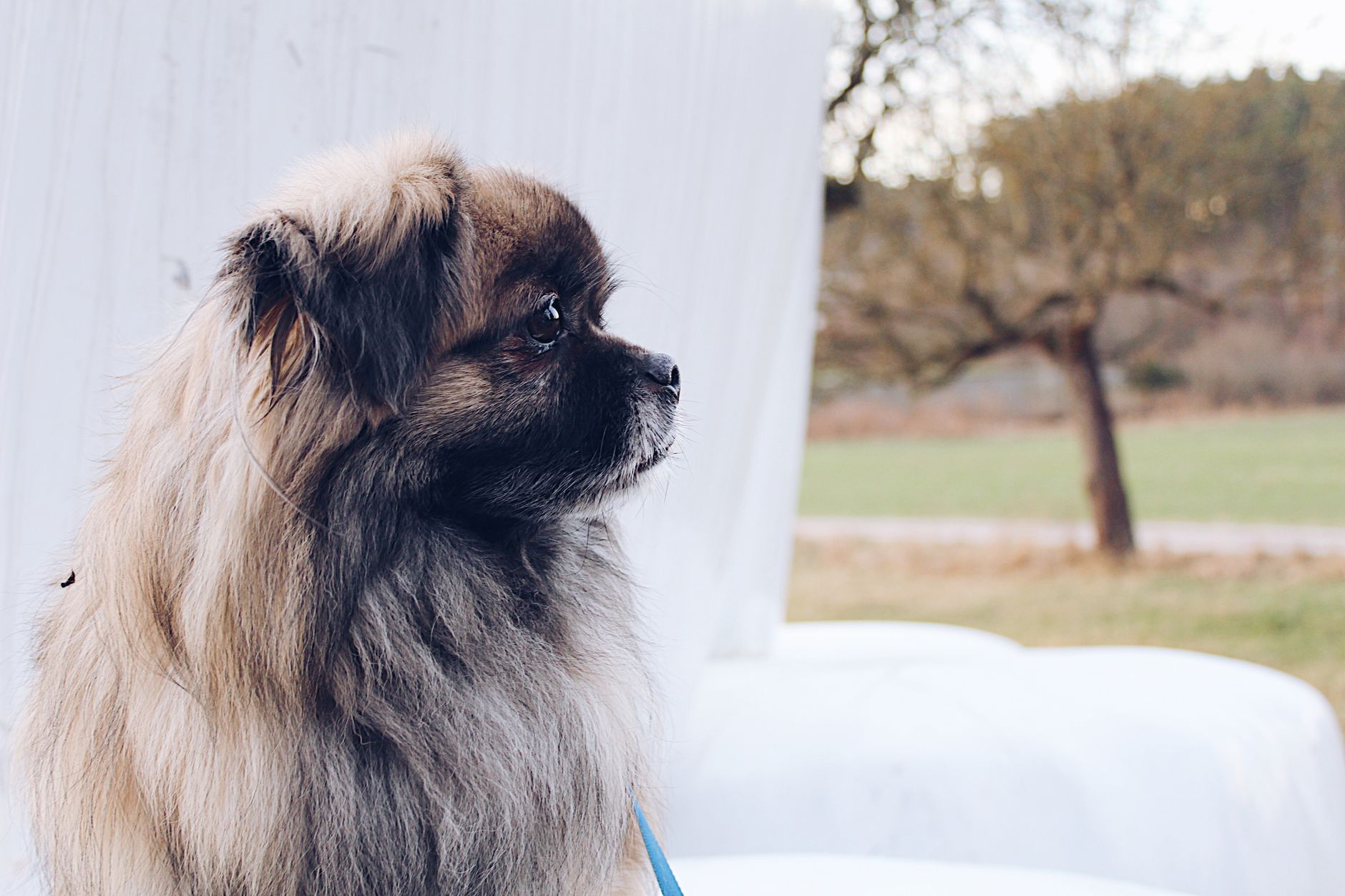
The Pekingese carries themselves with an undeniable, quiet self-importance reflecting their royal heritage. They are deeply affectionate with their chosen humans, but remain highly independent, often described as ‘cat-like’ in their desire for physical attention on their own terms. While they are incredibly brave and vigilant watchdogs, they are rarely hyperactive or nervous barkers. What I see most often in practice is a dog that is quietly content to observe their household from a favorite, elevated vantage point.
Is a Pekingese good with other pets?
They generally cohabitate well with other calm dogs and cats, though they can be quite bossy regardless of the other animal’s size. I always warn owners that Pekes have no concept of their small stature, meaning they will courageously—and sometimes dangerously—confront a much larger dog if they feel challenged.
Swihauk Self-Cleaning Slicker Brush
- ✓Release button for one-step hair removal
- ✓Rounded bristle tips are gentle on skin
- ✓Stainless steel pins in a compact design
- Fine wire pins lift loose undercoat and work out small tangles before they turn into mats
How much attention does a Pekingese need?
While they enjoy being in the same room as their owners, they are not overly clingy or prone to severe separation anxiety. They are perfectly content to nap for hours while you work, making them an excellent choice for busy professionals or remote workers.
Training & Behavior
Training a Pekingese requires diplomacy, patience, and a steady supply of high-value treats, as harsh corrections will cause them to completely shut down. They do not live to please you; rather, they operate as your equal. In my years treating this breed, early socialization is critical to prevent their natural wariness of strangers from turning into aloofness or protective guarding behavior.
Training Tips
- Use high-value, highly aromatic treats like freeze-dried liver to maintain focus
- Keep sessions brief, ideally 5 to 10 minutes, to prevent boredom
- Never use physical force or raised voices, which destroys their trust
- Prioritize early socialization to expose them to various sights, sounds, and people
- Focus heavily on positive reinforcement for cooperative behaviors like grooming
Fun Activities
- Gentle scent-work games hidden around the living room
- Leisurly, slow-paced ‘sniffari’ walks during cool morning hours
- Desensitization trick training using a clicker
- Navigating low-impact, flat obstacle courses
- Curling up for dedicated lap-time and gentle grooming sessions
Is a Pekingese easy to train?
No, they are notoriously stubborn and independent, often ranking lower in traditional obedience intelligence. Success relies entirely on building a trusting partnership and convincing them that performing the desired behavior is actually their own brilliant idea.
Pekingese Health Issues
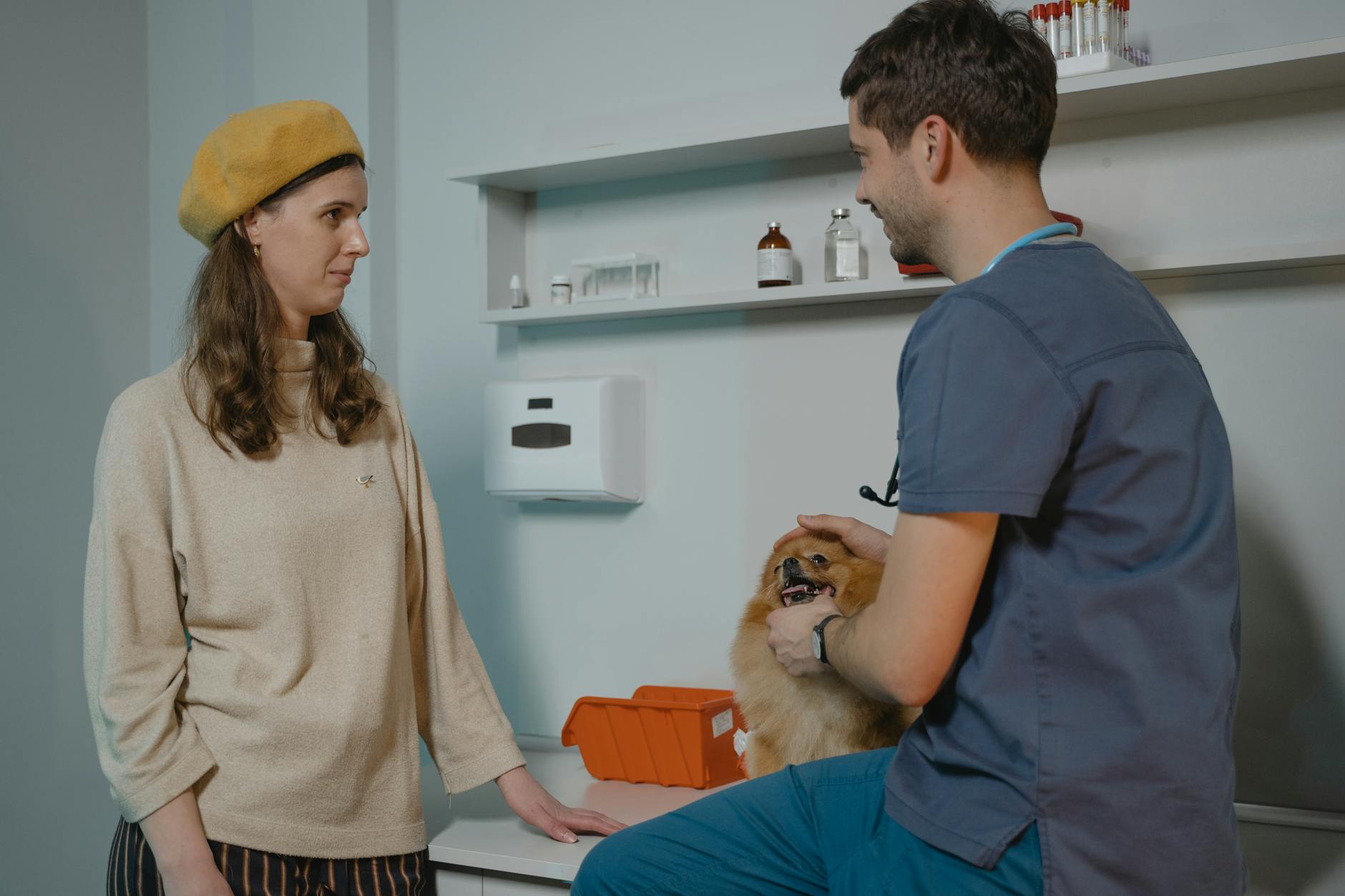
As a brachycephalic (flat-faced) and chondrodystrophic (short-limbed, long-backed) breed, the Pekingese faces distinct structural health risks. In my clinical experience, maintaining a lean body condition is the single most important factor in protecting their compromised airways and fragile spines.
Brachycephalic Obstructive Airway Syndrome (BOAS)
Their shortened skull structure causes narrow nostrils, an elongated soft palate, and a narrow windpipe, significantly restricting normal airflow.
Intervertebral Disc Disease (IVDD)
A genetic predisposition where the cushioning discs between the vertebrae degenerate prematurely, leaving them prone to rupturing and compressing the spinal cord.
EHEYCIGA Foam Dog Stairs for Bed, 18 in
- ✓High-density foam steps
- ✓Fits against beds and sofas
- ✓Supports dogs up to 35 lbs
- Pet stairs save small, senior and long-backed dogs from jumping on and off beds and sofas
Corneal Ulcers
Because of their shallow eye sockets and prominent eyes, their corneas are highly exposed to scratches, dust, and dry air, which can quickly lead to painful ulcers.
Skin Fold Dermatitis (Intertrigo)
The deep skin wrinkle directly above their nose traps moisture, friction, and environmental debris, creating a breeding ground for yeast and bacteria.
Mitral Valve Disease (MVD)
A degenerative heart condition common in aging small breeds where the heart’s mitral valve weakens, causing backward blood flow and progressive heart failure.
How long do Pekingeses typically live?
With diligent preventative veterinary care, strict weight management, and careful protection from heat stress, a Pekingese typically lives between 12 and 15 years. Their longevity is highly dependent on managing their structural and respiratory risks.
What to Feed a Pekingese
In my practice, obesity is the absolute enemy of the Pekingese, as even one extra pound puts dangerous pressure on their compromised airways and long spines. I emphasize strict portion control and highly digestible, nutrient-dense kibble designed specifically for small-breed dogs.
Best Diet
A high-quality, small-breed formula rich in lean proteins, joint-supporting glucosamine, and omega-3 fatty acids for skin health. For older Pekes or those with dental issues, a high-quality wet food or kibble softened with warm water is ideal.
How to Feed
Divide their daily caloric allotment into two scheduled, measured meals rather than free-feeding. I highly recommend using interactive puzzle feeders to slow down their eating and provide gentle mental stimulation.
How Much to Feed
Generally, a healthy adult Peke requires about 300 to 450 calories per day, which roughly equates to 1/2 to 3/4 cup of high-quality dry food. Always consult your veterinarian to customize this amount based on your dog’s exact weight, body condition score, and metabolic rate.
Nutritional Tips
Start high-quality joint supplements (EPA/DHA and glucosamine) early in life to support spinal health. Avoid sodium-heavy table scraps completely, as Pekes are genetically predisposed to cardiac conditions like Mitral Valve Disease.
Pekingese Grooming Guide
Grooming a Pekingese is a non-negotiable, daily commitment that requires the right tools and a structured routine. Neglecting their dense double coat quickly leads to painful matting close to the skin, which traps moisture and causes severe skin infections.
Coat Care
Brush the long double coat daily down to the skin using a high-quality pin brush and slicker brush, always misting with a conditioning spray first to prevent hair breakage. Line-brushing is essential to ensure the dense undercoat does not felt.
Skin Care
Clean the deep facial wrinkle daily using a damp, unscented veterinary wipe or soft cloth, then dry it thoroughly to prevent painful fold pyoderma.
Eye Care
Gently wipe the eyes daily with sterile saline-soaked cotton pads to remove tear stains and debris, and check daily for signs of corneal irritation.
Ear Care
Inspect their floppy ears weekly for redness or wax buildup, cleaning them with a vet-approved, drying ear cleanser to prevent yeast infections.
Nail & Dental Care
Trim nails every 3 to 4 weeks to maintain correct joint alignment, and brush their crowded teeth daily with pet-safe enzymatic toothpaste to combat rapid tartar buildup.
Considerations for Pet Parents
Pros
- Extremely loyal and deeply devoted to their primary owner
- Low exercise requirements make them ideal for apartments
- Excellent, vigilant watchdogs who rarely bark without reason
- Dignified, quiet, and highly independent companions
- Thrive in small spaces and quiet, predictable environments
- Very affectionate and cuddly on their own terms
Cons
- High-maintenance grooming needs requiring daily brushing
- Prone to severe respiratory issues in heat and humidity
- At high risk for spinal injuries (IVDD)
- Can be highly stubborn and difficult to train
- Not suitable for households with rowdy children or large dogs
Best For
A calm, single-owner household, senior, or quiet couple living in a climate-controlled apartment. They are perfect for someone who enjoys a dedicated grooming routine and appreciates a companion with a cat-like, independent personality.
Not Recommended For
Families with toddlers or highly active, chaotic households. They are also not suited for outdoor living, hot/humid climates without air conditioning, or owners who want a running partner or an instantly obedient dog.
Cost
- purchase price$1,500 – $3,500
- monthly cost$100 – $250
- initial setupExpect to spend $500 to $1,000 initially on high-quality grooming tools, ramp systems for furniture to protect their spine, and veterinary-strength wrinkle wipes.
-
Zuke’s Mini Naturals Dog Training Treats, ChickenQuick to eat, so training sessions keep moving
-
Pedigree Dentastix Large Dog Dental TreatsDaily dental chews help reduce plaque and tartar build-up between brushings
-
LickiMat Classic Buddy Lick MatLicking is naturally calming during baths, grooming and storms
Similar Breeds


Related Dog Guides
Pekingese FAQs
Why does my Pekingese snore and snort so much?
Because of their brachycephalic skull structure, Pekes have elongated soft palates and narrowed nostrils that restrict airflow. This causes the soft tissues in their throat to vibrate, creating characteristic snoring and snorting noises; however, extreme respiratory distress should always be evaluated by a veterinarian.
How do I protect my Pekingese’s back from spinal injuries?
Install ramps for couches and beds, use a Y-shaped harness instead of a collar to prevent neck strain, and never allow them to jump down from high surfaces. Additionally, maintaining a lean body weight is absolutely vital to reduce physical stress on their elongated spine.
Can a Pekingese tolerate hot weather?
No, they have extremely poor heat tolerance due to their compromised airways and thick double coats. They must live in a fully air-conditioned environment during warm months, and walks should be kept extremely short and limited to the coolest parts of the day.
Are Pekingeses prone to eye injuries?
Yes, their prominent, shallow-set eyes lack the skeletal protection of longer-faced breeds, making them highly susceptible to corneal scratches and ulcers. I always advise owners to keep their Pekes away from thorny bushes and to seek immediate veterinary care if they notice squinting or cloudiness.
Why is my Pekingese so stubborn?
Pekingeses were bred for centuries as companions to Chinese royalty, fostering an independent, self-important temperament. They do not possess the innate desire to please humans like working breeds, requiring patience and creative motivation to train successfully.
How often should a Pekingese be bathed?
They should be bathed every 3 to 6 weeks, depending on their lifestyle. It is crucial to thoroughly brush out any mats before bathing, as water will tighten existing mats, and the coat must be dried completely with a cool dryer to prevent hot spots.
Are Pekingeses hypoallergenic?
No, they are not hypoallergenic. They have a double coat that sheds continuously throughout the year, releasing dander and hair that can trigger allergies in sensitive individuals.
How do I clean my Pekingese’s face folds?
Gently part the fold above the nose and wipe inside daily using a damp, unscented veterinary wipe or soft cloth to remove trapped moisture and debris. Most importantly, use a dry cloth to completely dry the fold afterward, as residual moisture encourages yeast growth.
Why is my Pekingese shaking or shivering?
Shivering can be a sign of cold, anxiety, or, very commonly in this breed, acute pain from spinal issues like IVDD. If your Peke is shivering and also reluctant to move, has an arched back, or refuses food, seek veterinary attention immediately.
Can a Pekingese climb stairs?
While they can physically climb stairs, doing so repeatedly puts significant strain on their long backs and short legs, increasing the risk of disc herniation. I strongly advise carrying your Pekingese up and down stairs whenever possible to protect their spine.
What size collar or harness should a Pekingese wear?
You should never use a traditional collar to walk a Pekingese, as any neck pressure can collapse their trachea or raise intraocular eye pressure. Always use a well-padded, Y-shaped harness that distributes pressure across their chest rather than their neck.
Do Pekingeses have dental problems?
Yes, their compact, brachycephalic jaws force 42 adult teeth into a very small space, leading to severe crowding. This crowding traps food and plaque, causing rapid progression of periodontal disease, which requires daily brushing and regular professional dental cleanings.
Why is my Pekingese losing hair?
Hair loss can be caused by hormonal imbalances (like hypothyroidism), parasitic infections (demodectic mange), or severe skin allergies. In long-coated Pekes, local hair loss is also frequently caused by moist dermatitis (hot spots) resulting from trapped wetness.
Sources & Further Reading
- American Kennel Club (AKC)
- Merck Veterinary Manual
- American Veterinary Medical Association (AVMA)
- PetMD