
Collie Breed Guide
Quick Summary
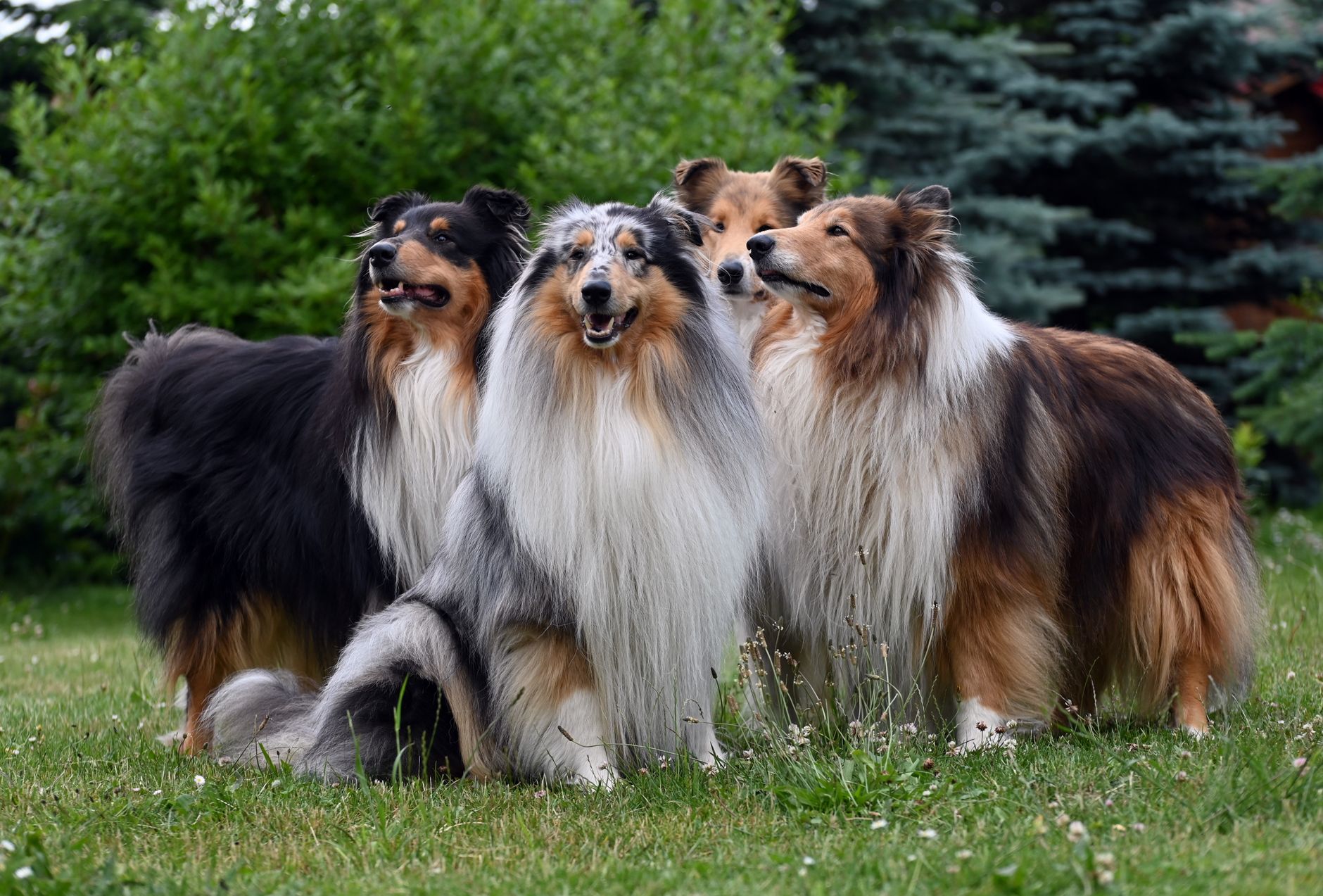
The Collie is a legendary, highly intelligent herding breed renowned for its devotion, sensitive nature, and striking appearance in both Rough and Smooth coat varieties. In my experience, they make superlative family companions for those who can provide moderate daily exercise, consistent mental stimulation, and plenty of companionship. They thrive on human interaction and form deep, intuitive bonds with children and other household pets.
Quick Facts
- origin countryScotland
- breed groupHerding (AKC)
- sizeLarge
- weight range50 – 75 lbs (22.7 – 34 kg)
- height range22 – 26 inches at the shoulder (56 – 66 cm)
- lifespan12 – 14 years
- coat typeRough (long, harsh double coat) or Smooth (short, flat double coat)
- common colorsSable and white, Tri-color (black, white, tan), Blue Merle, and White
- other namesRough Collie, Smooth Collie, Scotch Collie
- recognized byAKC, UKC, KC, FCI, ANKC
Caring for a Collie
Living with a Collie means welcoming a true partner into your home; they are not outdoor-only dogs and crave being in the middle of family life. I’ve found they easily adapt to your daily rhythm, requiring a couple of brisk 30-minute walks alongside mental herding games to stay settled. Because they are highly sensitive, they do best in harmonious households where communication is gentle yet structured. If you choose a Rough Collie, be prepared to make weekly coat brushing a sacred ritual to prevent painful matting.
Is a Collie a good family pet?
Absolutely, they are legendary family pets because of their gentle nature and protective yet non-aggressive instinct. I’ve watched Collies naturally adjust their energy levels, acting incredibly patient and soft around small children and toddlers.
Do Collies shed a lot?
Yes, especially the Rough variety, which sheds moderately year-round and blows its undercoat heavily twice a year. Smooth Collies also shed surprisingly much, with their short, stiff hairs easily weaving into furniture and fabrics.
Is a Collie good for first-time owners?
Yes, their deep eagerness to please and high trainability make them excellent for dedicated beginners. However, novices must be prepared for their grooming needs and commit to gentle, positive-reinforcement training methods.
Temperament & Personality
The Collie is characterized by an outstandingly sweet, loyal, and intuitive temperament, devoid of nervousness or aggression. They are highly empathetic dogs that frequently mirror their owner’s emotional states, making them incredible therapy and companion dogs. While protective of their ‘flock,’ they are welcoming to strangers once introduced, preferring a peaceful, cooperative environment over chaos. I always tell owners that a Collie doesn’t just live with you; they actively watch, listen, and try to understand your needs.
Is a Collie good with other pets?
Yes, they generally have a very low prey drive compared to other herding breeds and cohabit beautifully with cats and smaller dogs. They may occasionally try to gently ‘herd’ them, but this is rarely done with malice or aggression.
How much attention does a Collie need?
A great deal; they are prone to distress if excluded from family life or left alone for more than 4 to 5 hours regularly. They require active engagement, daily play, and to simply be in the same room where you are working or relaxing.
Training & Behavior
Collies are brilliantly smart and learn commands with breathtaking speed, but their sensitive nature means harsh corrections will cause them to shut down entirely. I have found that positive reinforcement, using high-value treats and enthusiastic praise, achieves the best results. Because herding is in their DNA, you must actively train them not to nip at heels during play or chase moving objects. They are prone to alert barking, so teaching a reliable ‘quiet’ cue early in life is an absolute must.
Training Tips
- Use positive, reward-based methods and never raise your voice or use physical discipline.
- Keep training sessions short (10-15 minutes) and varied to prevent mental boredom.
- Incorporate a ‘quiet’ cue early to manage their natural instinct to alert bark.
- Provide early socialization to diverse sights, sounds, and people to prevent shyness.
Fun Activities
- Agility trials
- Herding instinct tests
- Flyball
- Canine Freestyle (dog dancing)
- Therapy dog work
- Interactive puzzle games
Is a Collie easy to train?
Yes, they are exceptionally easy to train due to their high intelligence and innate desire to work alongside humans. They pick up basic obedience commands within just a few repetitions when trained with positive reinforcement.
Collie Health Issues

Generally, Collies are a robust and long-lived breed, but they are genetically predisposed to several specific hereditary health issues. Prospective owners must work with reputable breeders who perform comprehensive genetic screenings on parent dogs to avoid life-altering conditions. Regular veterinary checkups and proper care will help keep them active and comfortable well into their senior years.
Collie Eye Anomaly (CEA)
An inherited congenital condition where the blood vessels of the choroid are underdeveloped, potentially leading to retinal detachment and blindness.
MDR1 Gene Mutation (Multi-Drug Sensitivity)
A genetic mutation causing a defect in the blood-brain barrier, making the dog highly sensitive to certain common drugs, including ivermectin, loperamide, and some anesthetics.
Progressive Retinal Atrophy (PRA)
A family of degenerative eye diseases that causes the gradual deterioration of the retina, eventually leading to complete blindness.
Gastric Dilatation-Volvulus (GDV / Bloat)
A life-threatening condition in deep-chested breeds where the stomach fills with gas and twists on its axis, cutting off blood flow.
Dermatomyositis (Collie Nose / Skin Syndrome)
An inherited autoimmune disease affecting the skin and muscles, causing lesions and localized inflammation.
How long do Collies typically live?
With proper care, nutrition, and regular veterinary checkups, Collies typically live between 12 and 14 years, which is a wonderfully long lifespan for a dog of their size.
What to Feed a Collie
Feeding your Collie high-quality nutrition is crucial to support their active herding lifestyle and maintain their beautiful coat. Owners should choose a premium kibble formulated specifically for medium-to-large breeds.
Best Diet
I recommend a balanced, high-protein dry diet with chicken, beef, or fish as the first ingredient. Ensure the recipe contains omega-3 and omega-6 fatty acids to nourish the dense undercoat of both Rough and Smooth varieties.
How to Feed
Split their daily food into two equal meals, feeding once in the morning and once in the evening. To prevent life-threatening bloat, never feed your Collie immediately before or after vigorous exercise, and avoid raised food bowls unless recommended by your vet.
How Much to Feed
Generally, adult Collies require 2 to 3 cups of high-quality dry food daily, but this varies based on their weight, age, and activity level. Always consult your veterinarian to establish a precise caloric intake tailored to your individual dog.
Nutritional Tips
Avoid grain-free diets unless specifically prescribed by your vet, as studies continue to investigate links to canine heart issues. Adding a dash of salmon oil or a vet-approved joint supplement can support their mobility and coat luster.
Collie Grooming Guide
Grooming requirements differ dramatically depending on whether you choose a Rough or Smooth Collie. Regardless of the coat type, regular nail trims and ear checks are vital to prevent infections and discomfort.
Coat Care
For a Rough Collie, brush the dense double coat at least two to three times a week using a slicker brush and undercoat rake, paying extra attention to the fine hair behind the ears and on the elbows. Smooth Collies only require a weekly brushing with a rubber curry brush to remove loose hair.
Skin Care
Keep their skin dry and free of moisture pockets, especially after swimming or bathing, to prevent painful hot spots. If your Collie has dermatomyositis, consult your vet for specialized medicated shampoos and skin treatments.
Eye Care
Regularly wipe away any morning eye discharge with a soft, damp cloth. Because they are prone to genetic eye issues, have a veterinary ophthalmologist check their eyes annually.
Ear Care
Check their ears weekly for redness, wax buildup, or a yeasty odor, which can indicate an ear infection. Clean them gently with a vet-recommended ear-cleansing solution and a cotton ball, never inserting cotton swabs into the ear canal.
Nail & Dental Care
Trim their nails every 3 to 4 weeks using a grinder or clippers to prevent splayed paws. Brush their teeth at least three times a week with canine-safe toothpaste to combat periodontal disease.
Considerations for Pet Parents
Pros
- Incredibly gentle, patient, and reliable with children of all ages
- Highly intelligent and quick to master obedience training
- Low prey drive, making them excellent in multi-pet homes
- Adaptable energy levels; active outdoors but calm and polite inside
- Striking, beautiful appearance with a proud and noble heritage
- Deeply loyal and protective without displaying aggressive tendencies
Cons
- Rough variety requires intense, time-consuming grooming sessions
- Prone to excessive alert barking if not trained early
- Extremely sensitive and easily stressed by family tension or loud noises
- Can suffer from severe separation anxiety if left alone for long periods
Best For
The ideal owner is an active family or individual who wants a highly interactive, sensitive companion. They must have the time to devote to weekly grooming (for Roughs) and include the dog in daily family outings.
Not Recommended For
I do not recommend this breed for households where everyone is away for long workdays, or for those seeking an outdoor-only guard dog. They are also not ideal for chaotic environments where harsh, loud discipline is used.
Cost
- purchase price$1,500 – $3,000 USD
- monthly cost$150 – $250 USD
- initial setupInitial costs include crate, high-quality grooming tools, genetic health testing (like MDR1 screening), and pediatric veterinary care, totaling around $1,000 to $1,500.
Similar Breeds

Shetland Sheepdog (Sheltie)

Border Collie
Collie FAQs
What is the difference between a Rough Collie and a Smooth Collie?
The only major difference is the coat. The Rough Collie has a long, dense, abundant double coat, whereas the Smooth Collie has a short, flat, harsh-textured double coat. Temperament, size, and intelligence are virtually identical between the two varieties.
Do Collies bark a lot?
Yes, herding breeds are naturally vocal, and Collies will readily use their bark to alert you to visitors, passing cars, or changes in their environment. Early training to learn a ‘quiet’ command is essential to prevent this habit from becoming a nuisance.
Are Collies prone to separation anxiety?
Yes, because they are deeply bonded companion dogs, Collies do not tolerate being left alone for long stretches of time. They can develop severe separation anxiety, which often manifests in destructive chewing, pacing, and persistent howling.
How much exercise does a Collie need daily?
A Collie needs about 1 hour of exercise daily, split between brisk walks, fetch, and mental training games. They enjoy being active but are not hyperactive; once their physical and mental needs are met, they are content to lounge quietly.
What is the MDR1 gene mutation in Collies?
MDR1 is a genetic mutation common in Collies that makes them highly sensitive to certain medications, including the common heartworm preventative Ivermectin. Safe alternatives exist, but any Collie owner must have their dog tested and keep a drug sensitivity list on hand for their vet.
Is a Collie the same as a Border Collie?
No, they are two entirely distinct breeds. While both are herding dogs from Scotland, Border Collies are smaller, have an intense herding ‘eye,’ and possess an extreme drive that requires much more rigorous exercise and mental work than the gentler, more laid-back Collie.
How often should I bathe a Rough Collie?
Unless they roll in something smelly, a Rough Collie only needs a bath every 6 to 8 weeks. Frequent bathing can strip their natural skin oils and soften the harsh outer coat, which actually helps repel dirt naturally.
Are Collies good for apartment living?
They can adapt to apartments if they receive sufficient daily outdoor exercise and mental stimulation. However, their tendency to bark can make them challenging in buildings with thin walls unless they are thoroughly trained.
Do Collies have a high prey drive?
No, Collies generally have a very low prey drive compared to other working or sporting breeds. While they may try to gently gather or herd small animals, they rarely show a desire to hunt or harm them.
At what age does a Collie reach full size?
Collies usually reach their full height and skeletal frame by 12 months of age. However, they will continue to ‘fill out’ in chest width, muscle mass, and develop their full, mature adult coat until they are about 2 to 3 years old.
How do Collies tolerate hot or cold weather?
They tolerate cold weather exceptionally well due to their insulating double coat. However, in hot weather, they are prone to overheating; owners must ensure they have air conditioning, plenty of shade, and fresh water, restricting exercise to early mornings and late evenings.
Are Collies easy to housebreak?
Yes, Collies are highly clean animals by nature and learn housebreaking quickly. Using a consistent crate training routine and taking them out on a strict schedule will usually result in a fully housebroken pup within a few weeks.
Can Collies be left outside in a yard?
Absolutely not. While they enjoy having a secure yard to play in, Collies are highly social family members who must live indoors. Leaving them outside permanently can lead to severe barking, anxiety, and depression.