
Brussels Griffon Breed Guide

Quick Summary
The Brussels Griffon is an intensely loyal, expressive ‘velcro’ dog that packs a massive, almost human-like personality into a tiny, flat-faced frame. Best suited for attentive owners who can accommodate their high need for companionship, they thrive on constant human interaction and require vigilant preventative veterinary care for their eyes and airways.
Quick Facts
- origin countryBelgium
- breed groupToy
- sizeSmall
- weight range8 – 12 lbs (3.6 – 5.4 kg)
- height range7 – 10 inches (18 – 25 cm)
- lifespan12 – 15 years
- coat typeRough (wiry) or Smooth (short/dense)
- common colorsRed, Belge (black and reddish-brown mixed), Black & Tan, Solid Black
- other namesGriffon Belge, Griffon Bruxellois, Petit Brabançon
- recognized byAKC, UKC, FCI, KC
Caring for a Brussels Griffon
Living with a Brussels Griffon means having a constant, loyal shadow; they do not tolerate being left alone for long stretches. From my clinical perspective, managing their brachycephalic nature means keeping them cool in summer and monitoring their breathing daily. You will also need to commit to daily facial fold cleaning to prevent dermatitis and protect their prominent, structurally vulnerable eyes from physical trauma.
Is a Brussels Griffon a good family pet?
While incredibly affectionate, they are delicate and easily startled by rough handling. I generally recommend them for households with older, respectful children who understand how to safely interact with a toy breed.
Do Brussels Griffons shed a lot?
It depends entirely on the coat type. Rough-coated Griffons are very low-shedders but require regular hand-stripping, while the smooth-coated Brabançon sheds moderately and requires weekly brushing to control loose hair.
Is a Brussels Griffon good for first-time owners?
They can be, provided the owner is prepared for their intense attachment style and potential separation anxiety. Because they can be stubborn to housebreak, a first-time owner must commit to consistent, positive-reinforcement training.
Temperament & Personality
In my practice, I find Griffons to be delightfully quirky, possessing an almost human-like depth of expression and complex emotions. They are intensely affectionate ‘velcro’ dogs who form a deep bond with one primary caretaker, occasionally displaying an amusingly self-important attitude. This sensitive nature means they respond poorly to harsh corrections, instead thriving on gentle, consistent engagement.
Is a Brussels Griffon good with other pets?
They generally cohabitate well with other household pets, particularly other small dogs or dog-friendly cats, if socialized early. However, their big-dog attitude can sometimes lead them to challenge larger dogs, so supervised interactions are essential.
How much attention does a Brussels Griffon need?
They require an immense amount of human interaction and do not do well in homes where they are left alone for more than 3-4 hours. In my clinic, I frequently treat stress-induced behaviors in Griffons whose emotional needs for companionship are not met.
Training & Behavior
Griffons are intelligent but possess a distinct stubborn streak, often asking ‘what’s in it for me?’ during training. Housebreaking is notoriously slow in this breed due to their small bladders and sensitive nature, making patience and crate training vital. In my practice, I always emphasize early, positive reinforcement to prevent ‘small dog syndrome’ and resource guarding.
Training Tips
- Use high-value, low-calorie training treats
- Keep training sessions short (5-10 minutes) and fun
- Implement crate training early to assist with slow housebreaking
- Avoid physical or verbal punishments to prevent shut-down
- Socialize extensively during the first 16 weeks of life
Fun Activities
- Agility training scaled for toy breeds
- Scent work and nose games
- Basic obedience and trick training
- Interactive puzzle toys at home
- Daily structured neighborhood walks
Is a Brussels Griffon easy to train?
They are highly intelligent and learn quickly when motivated by positive reinforcement, but their stubborn streak requires patience. You must be consistent, as they will quickly exploit any loopholes or lapses in household rules.
Brussels Griffon Health Issues
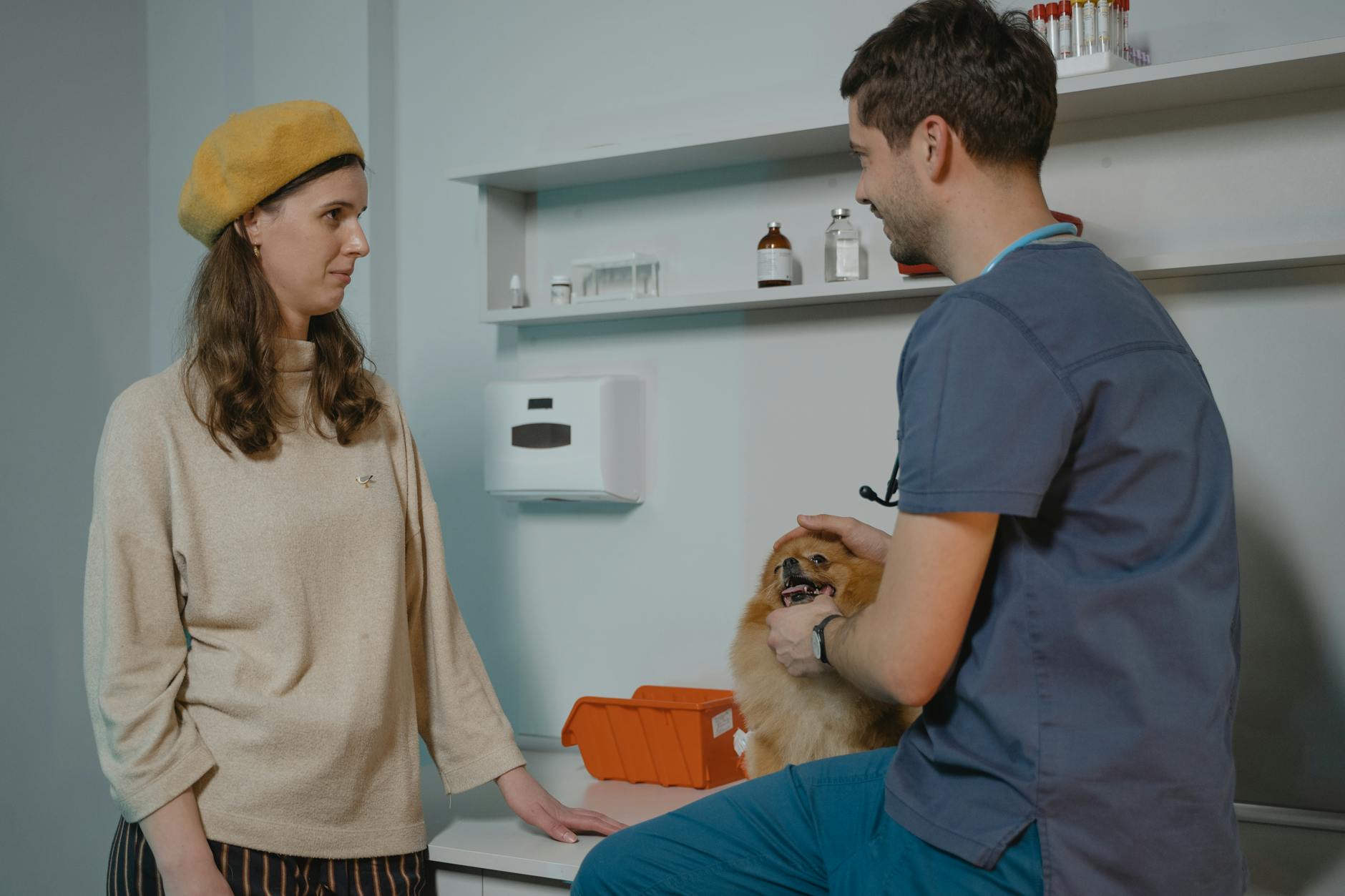
While generally sturdy for their size, the Brussels Griffon is a brachycephalic breed with specific genetic predispositions that owners must understand. In my clinic, I focus heavily on airway management, ophthalmic safety, and spinal health to ensure their long-term well-being.
Brachycephalic Obstructive Airway Syndrome (BOAS)
Their shortened facial structure restricts airflow, causing narrow nostrils and an elongated soft palate. This makes them highly susceptible to heatstroke and respiratory distress.
Syringomyelia (SM)
A serious neurological condition where fluid-filled cavities form within the spinal cord near the brainstem, often linked to Chiari-like malformations.
Patellar Luxation
This occurs when the kneecap slips out of its anatomical groove, a common issue in toy breeds that can lead to osteoarthritis.
Corneal Ulcers
Because of their prominent, large eyes and flat faces, they are highly prone to accidental scratches and dryness.
Cataracts
Both juvenile and age-related cataracts can develop in this breed, progressively blocking light from reaching the retina and causing blindness.
How long do Brussels Griffons typically live?
With proper preventative care, a high-quality diet, and weight management, a Brussels Griffon typically lives between 12 and 15 years. Regular veterinary checkups, focusing on heart, joint, and dental health, are key to maximizing their lifespan.
What to Feed a Brussels Griffon
As a toy breed, the Brussels Griffon has a fast metabolism but a very small stomach capacity, meaning they require nutrient-dense meals. Obesity is a major risk that exacerbates joint and respiratory issues, so caloric intake must be monitored strictly.
Best Diet
I recommend a high-quality, small-breed specific dry kibble formulated for their current life stage (puppy, adult, or senior). The smaller kibble size helps them chew safely with their unique underbite.
How to Feed
Puppies should be fed 3 to 4 times daily to prevent hypoglycemia, while adults do best with two scheduled meals per day. Avoid free-feeding, as Griffons are prone to overeating.
How Much to Feed
Generally, an adult Brussels Griffon requires between 1/3 to 1/2 cup of high-quality dry food per day, split into two meals. However, metabolic rates vary, so always consult your veterinarian to calculate exact caloric needs based on their current weight and activity level.
Nutritional Tips
Ensure access to fresh water at all times, especially during warm weather due to their brachycephalic nature. Consider adding omega-3 fatty acid supplements to support skin and joint health, but check with your vet first.
Brussels Griffon Grooming Guide
Grooming needs depend heavily on whether your Griffon has a rough or smooth coat. Both varieties require regular attention to their unique facial features to prevent infections.
Coat Care
Rough coats need professional hand-stripping every 3-4 months to maintain texture and color, along with twice-weekly brushing. Smooth coats only require weekly brushing to remove loose dead hair.
Skin Care
The facial folds around the nose must be wiped daily with a damp, veterinary-approved antiseptic wipe to prevent fold pyoderma (skin infections).
Eye Care
Examine eyes daily for discharge, debris, or redness, and wipe the surrounding area clean with a damp cloth to prevent tear-staining and irritation.
Ear Care
Clean their ears bi-weekly using a gentle, pH-balanced veterinary ear cleanser, drying them thoroughly afterward to prevent yeast infections.
Nail & Dental Care
Due to their crowded mouths from a shortened jaw, they are highly prone to periodontal disease; daily brushing with dog-safe toothpaste is non-negotiable. Trim nails every 3-4 weeks to prevent splaying.
Considerations for Pet Parents
Pros
- Extremely loyal and affectionate ‘velcro’ companions
- Excellent apartment dogs due to small size
- Intelligent and highly expressive
- Low-shedding (especially the rough-coated variety)
- Generally good with other small pets
- Charming, big-dog personality in a small body
Cons
- Highly prone to separation anxiety
- Difficult and slow to housebreak
- Vulnerable to heatstroke and breathing issues (BOAS)
- Grooming can be high-maintenance (hand-stripping for rough coats)
- Not suitable for households with rowdy or very young children
Best For
The ideal owner is a work-from-home professional, retired individual, or dedicated apartment dweller who can spend the majority of their day with the dog. They must be committed to positive-reinforcement training and vigilant preventative veterinary care.
Not Recommended For
I do not recommend this breed for families with toddlers or young children who might accidentally injure them, or for owners who work long hours outside the home, as this inevitably triggers severe separation anxiety.
Cost
- purchase price$1,500 to $4,000 USD from reputable, health-testing breeders
- monthly cost$100 to $200 USD (including high-quality food, routine grooming, and preventative flea/tick/heartworm meds)
- initial setupExpect to spend $500 to $1,000 initially for veterinary vaccines, spaying/neutering, microchipping, a crate, premium harness, and professional dental/grooming tools.
Similar Breeds
Affenpinscher

Pug
Brussels Griffon FAQs
Why do Brussels Griffons have a beard?
The signature beard of the rough-coated variety is a genetic trait inherited from their Affenpinscher and Schnauzer ancestry. It requires daily combing with a fine-toothed metal comb to prevent food accumulation and painful matting.
Do Brussels Griffons bark a lot?
They can be quite vocal and tend to act as little watchdogs, barking at unusual noises or strangers. In my practice, I find early, consistent boundary training is crucial to prevent this from turning into nuisance barking.
Why does my Brussels Griffon follow me everywhere?
They are classic ‘velcro’ dogs, bred historically to be close companions. They form intense emotional bonds and genuinely prefer to never let their chosen human out of their sight.
Can Brussels Griffons live in hot climates?
Because they are a brachycephalic breed, they struggle to cool themselves down and are highly susceptible to heatstroke. In hot climates, they must live in air-conditioned environments and limit outdoor activity to quick bathroom breaks.
How do I clean my Brussels Griffon’s facial folds?
Use a damp, unscented baby wipe or a veterinary antiseptic wipe to gently clean the deep wrinkle over their nose daily. It is critical to dry the fold completely afterward, as trapped moisture creates a breeding ground for yeast and bacteria.
Why is my Brussels Griffon skipping on one leg?
This is a classic sign of a luxating patella, where the kneecap temporarily slips out of place. If you notice this, you should bring them in for a veterinary exam so we can grade the luxation and discuss management or surgical options.
Are Brussels Griffons hypoallergenic?
While no dog is completely hypoallergenic, the rough-coated Brussels Griffon sheds very little and dander can be kept to a minimum with regular hand-stripping, making them a better choice for mild allergy sufferers.
How long can I leave my Brussels Griffon alone?
I strongly advise against leaving them alone for more than 3 to 4 hours at a time. They are highly prone to severe separation anxiety, which can manifest as destructive chewing, self-mutilation, or continuous barking.
Why do they have an underbite?
Their undershot jaw is a breed standard trait resulting from their brachycephalic skull structure. This cosmetic trait, however, leads to crowded teeth, making them highly susceptible to early-onset dental disease.
Should my Brussels Griffon wear a collar or a harness?
I always advise owners to use a harness rather than a collar. Collars place dangerous pressure on their fragile windpipe, increasing the risk of tracheal collapse, especially if they pull on the leash.
How do I protect my Brussels Griffon’s eyes?
Because their eyes protrude slightly, they are prone to scratches from plants or rough play. Keep your home free of sharp eye-level hazards, trim facial hair away from the eyes, and seek immediate vet care if you notice squinting or cloudiness.
What is hand-stripping, and does my Griffon need it?
Hand-stripping is the process of pulling out dead hairs from the root by hand, which is necessary for rough-coated Griffons to maintain their wiry texture and rich color. Clipping them with electric shears instead will soften the coat and fade the color over time.
Are Brussels Griffons prone to reverse sneezing?
Yes, like many flat-faced breeds, they frequently experience reverse sneezing, which can sound like choking. It is usually harmless and caused by a temporary irritation of the soft palate; gently massaging their throat usually resolves it.