
Miniature Pinscher Breed Guide

Quick Summary
The Miniature Pinscher, widely known as the ‘King of Toys,’ is a high-spirited, fearless, and intensely loyal companion packed into a compact, athletic frame. In my clinical practice, I find they are best suited for active households and experienced owners who can provide structured training to channel their boundless energy and natural curiosity. Without firm, loving boundaries, their bold personality can quickly translate into stubbornness, boundary-testing, and highly vocal behavior.
Quick Facts
- origin countryGermany
- breed groupToy Group
- sizeSmall
- weight range8 to 10 pounds (3.6 to 4.5 kg)
- height range10 to 12.5 inches (25 to 32 cm)
- lifespan12 to 16 years
- coat typeShort, smooth, hard, and sleek
- common colorsSolid red, stag red, black and rust, chocolate and rust
- other namesMin Pin, King of Toys, Zwergpinscher
- recognized byAKC, UKC, FCI
Caring for a Miniature Pinscher
Living with a Miniature Pinscher is like having a tiny, perpetual motion machine in your home; they are incredibly curious and require constant mental and physical stimulation. In my years treating this breed, I have learned that escape-proofing your yard is non-negotiable, as they can slip through surprisingly small gaps and possess a strong prey drive. They thrive on structured daily routines and need interactive play to prevent destructive boredom behaviors from taking hold. While their short coat makes them low-maintenance in the grooming department, they are highly sensitive to cold temperatures and will require jackets during winter walks.
Is a Miniature Pinscher a good family pet?
Yes, but they are generally best for families with older, respectful children who understand how to handle a small dog. Their small size makes them vulnerable to accidental injury by toddlers, and they will not tolerate rough handling. If properly socialized from puppyhood, they can be deeply affectionate, protective, and entertaining family members.
Do Miniature Pinschers shed a lot?
No, they are very low shedders thanks to their short, single coat. A weekly brushing with a rubber grooming mitt is usually all it takes to keep loose hairs under control. They are an excellent choice for owners who want a clean house without constant vacuuming.
Is a Miniature Pinscher good for first-time owners?
I generally do not recommend the Miniature Pinscher for absolute beginners due to their strong-willed nature and high energy. They require a confident handler who understands positive reinforcement but can maintain firm, consistent boundaries. First-time owners often struggle with their independent streak and tendency to take over the household.
Temperament & Personality
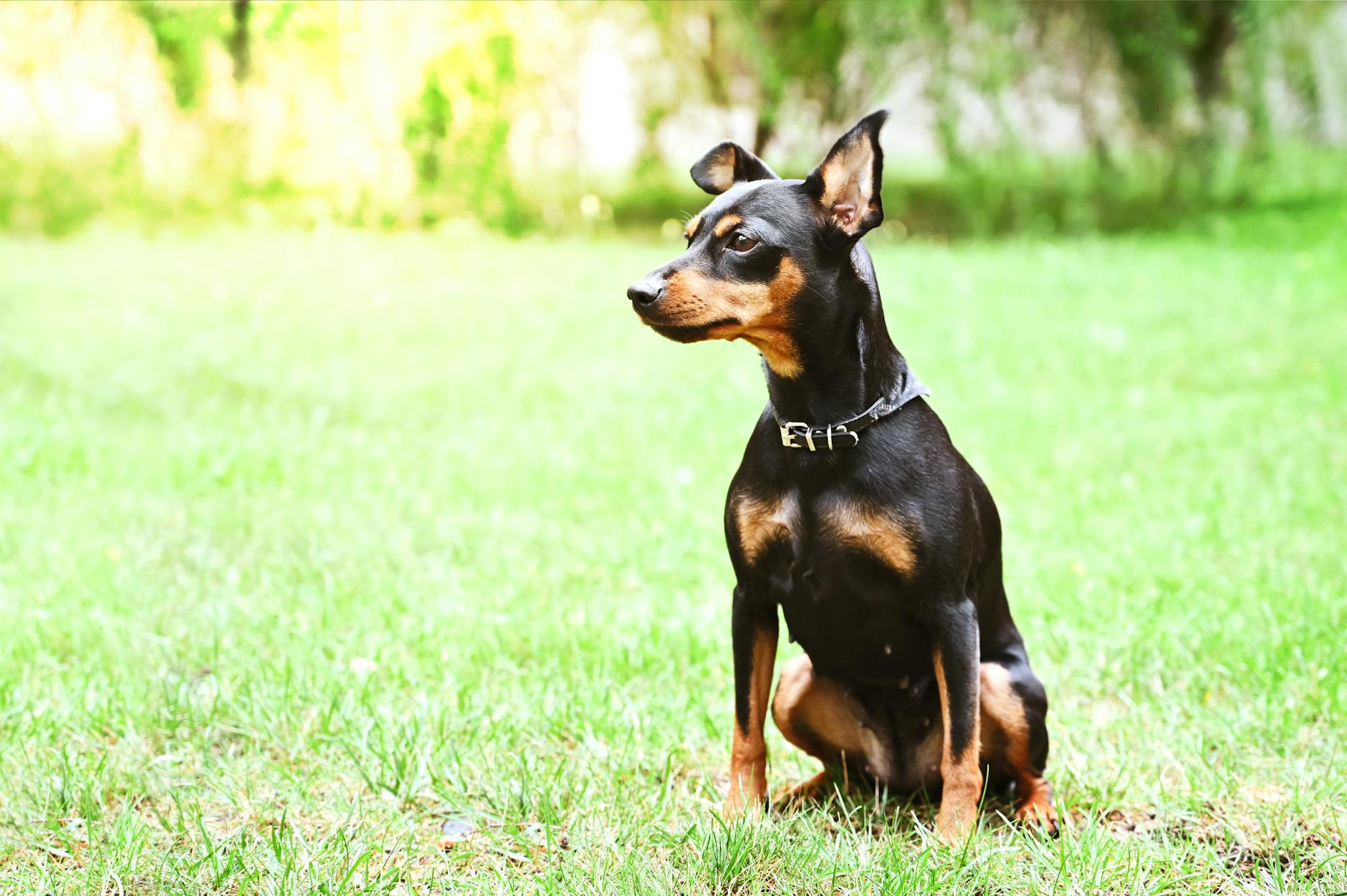
The Miniature Pinscher possesses a complex, larger-than-life personality that defies their toy-dog classification. They are fiercely independent, intensely loyal, and have a natural watchdog instinct that makes them highly alert to any changes in their environment. What I see most often in practice is a dog that is incredibly affectionate with its immediate family but highly suspicious of strangers. Their hallmark trait is their self-assurance—they truly believe they are the biggest dog in the room, which requires careful management to prevent small-dog syndrome.
Is a Miniature Pinscher good with other pets?
They can coexist peacefully with other family dogs if properly socialized, though they often prefer to be the boss of the household. However, due to their intense, historical ratter instincts, they should never be trusted around small pocket pets like hamsters or guinea pigs. I always tell owners to supervise interactions with new cats closely, as the chase instinct is highly developed.
How much attention does a Miniature Pinscher need?
They crave mental engagement and human interaction, demanding to be involved in every household activity. While they are capable of some independent play, they will become vocal and destructive if left alone for long periods without stimulation. Plan on dedicating at least an hour or two each day to direct play, training, or exercise.
Training & Behavior
Training a Miniature Pinscher is a masterclass in patience and consistency; they are highly intelligent but easily bored. I always tell owners that traditional, harsh training methods will cause a Min Pin to shut down or actively rebel. Instead, utilize high-value food rewards and short, dynamic training sessions of 5 to 10 minutes to keep their sharp minds engaged.
Training Tips
- Use high-value, low-calorie treats to maintain their focus
- Keep training sessions short, varied, and fun
- Establish clear, consistent household boundaries from day one
- Socialize early and extensively to prevent stranger reactivity
- Practice recall commands in secure, enclosed areas only
Fun Activities
- Agility trials and obstacle courses
- Barn hunt competitions
- Scent work and tracking games
- Interactive puzzle toys and snuffle mats
- Structured fetching and obedience games
Is a Miniature Pinscher easy to train?
They are highly intelligent and learn commands rapidly, but they are not ‘easy’ to train in the traditional sense because of their independent streak. They will constantly test boundaries to see what they can get away with. Success requires an experienced owner who can make training feel like a series of fun, rewarding games.
Miniature Pinscher Health Issues
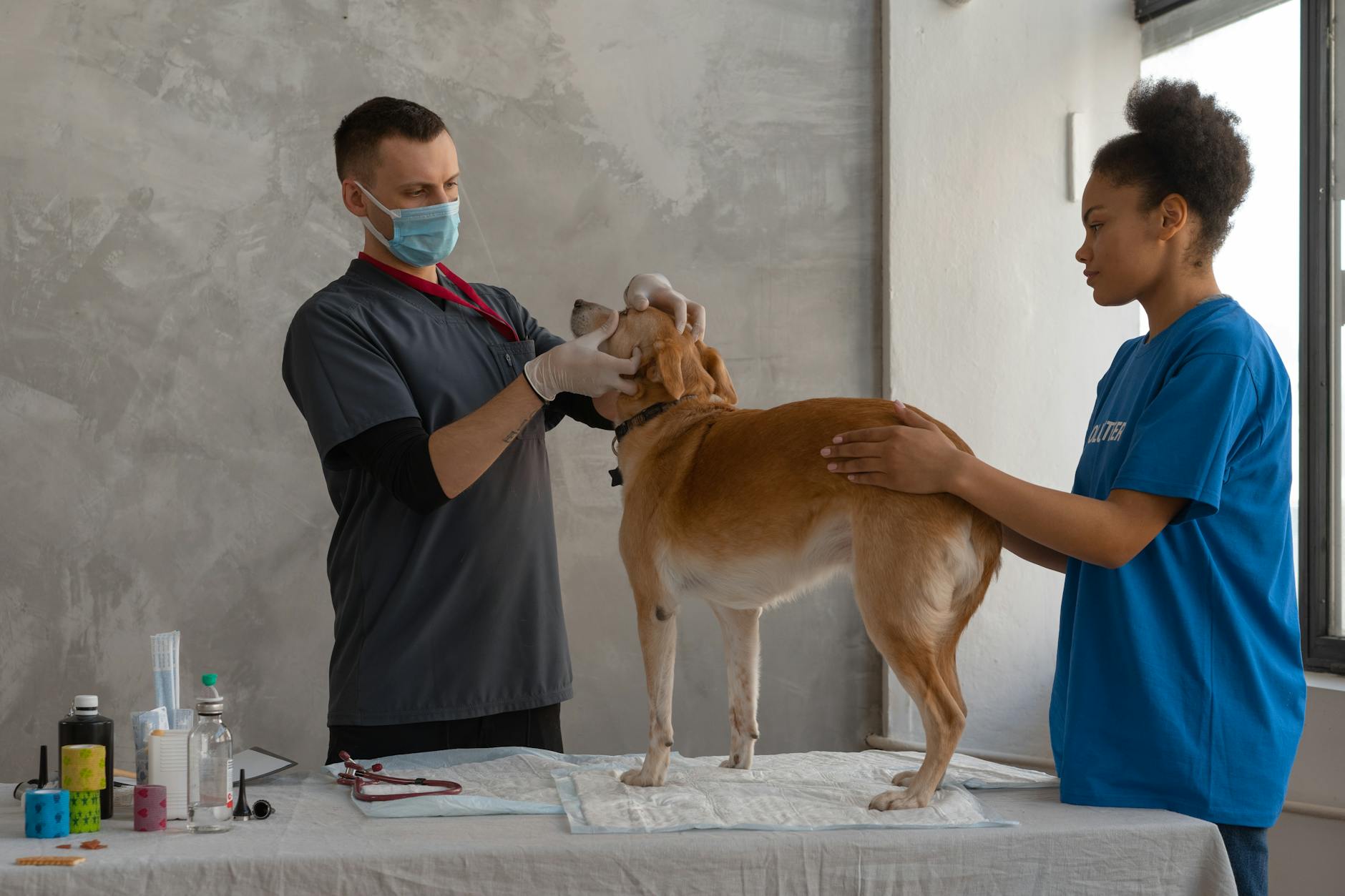
Miniature Pinschers are generally a robust and hardy toy breed with a long lifespan, but they are genetically predisposed to several orthopedic and ophthalmic conditions. In my clinical experience, proactive screening and maintaining an ideal body condition score are crucial to preventing early-onset joint degradation and keeping them active into their senior years.
Patellar Luxation
A hereditary condition where the kneecap slips out of its normal anatomical groove, common in toy breeds. This can range from mild, asymptomatic slipping to severe displacement requiring surgical correction to prevent chronic osteoarthritis.
Legg-Calve-Perthes Disease
This involves the aseptic necrosis of the femoral head, typically manifesting between 5 and 12 months of age. It leads to the collapse of the hip joint and severe, painful osteoarthritis.
Progressive Retinal Atrophy (PRA)
A degenerative eye disease that slowly destroys the photoreceptors in the retina, ultimately leading to bilateral blindness. There is no cure, but DNA screening can identify carriers before breeding.
Hypothyroidism
An endocrine disorder where the thyroid gland does not produce enough thyroid hormone, slowing down the dog’s metabolism. It is highly manageable with daily oral hormone replacement therapy.
Mucopolysaccharidosis VI (MPS VI)
A rare, inherited metabolic storage disease caused by a deficiency in an enzyme needed to break down complex sugars. It leads to skeletal deformities and joint laxity.
How long do Miniature Pinschers typically live?
A well-cared-for Miniature Pinscher routinely lives between 12 and 16 years. To maximize their lifespan, owners must focus on rigorous weight management, routine dental cleanings to prevent systemic bacteria, and regular veterinary wellness screens.
What to Feed a Miniature Pinscher
Because of their high metabolic rate and small stomachs, Min Pins require a nutrient-dense diet designed for small breed dogs. In my practice, I frequently treat overweight Min Pins; even an extra half-pound on an eight-pound dog puts massive, damaging strain on their small joints.
Best Diet
An AAFCO-compliant, high-quality commercial kibble formulated specifically for small or toy breeds is ideal. Look for a diet rich in high-quality animal protein and moderate fat, and consult your vet about incorporating joint-supporting supplements like glucosamine early on.
How to Feed
I strongly advise against free-feeding this breed, as they have zero self-regulation. Divide their daily caloric allowance into two or three measured meals to maintain steady blood glucose levels and prevent begging.
How Much to Feed
Generally, an adult Min Pin weighing 8 to 10 pounds requires between 1/2 and 3/4 cup of high-quality dry food per day, split across meals. This is highly dependent on their activity level and metabolic rate, so always consult your veterinarian to calculate their exact daily caloric needs.
Nutritional Tips
Keep treats to less than 10% of their daily caloric intake, opting for low-calorie options like green beans or tiny pieces of freeze-dried liver. Ensure fresh, filtered water is always available, as small dogs can dehydrate rapidly if they experience gastrointestinal upset.
Miniature Pinscher Grooming Guide
Grooming a Miniature Pinscher is incredibly straightforward, making them one of the lowest-maintenance breeds in this regard. However, their physical structure requires precise attention to nail and dental care to keep them comfortable and healthy.
Coat Care
Their short coat requires only a weekly brush with a soft bristle brush or a rubber grooming mitt to remove dead hair and distribute skin oils. Bathing is only necessary once every six to eight weeks, or when they manage to roll in something smelly.
Skin Care
Because they have a thin, single coat, their skin is susceptible to dry weather and sunburn. I advise applying a pet-safe sunscreen during peak summer hours and using a moisturizing oatmeal shampoo if their skin shows signs of flaking.
Eye Care
Keep their eyes clear of daily sleep crust by gently wiping the corners with a damp, warm washcloth.
Ear Care
Their ears, whether cropped or left natural and erect, should be inspected weekly for redness, odor, or wax buildup. Clean them gently with a vet-approved ear cleaning solution and a cotton ball.
Nail & Dental Care
Their nails grow rapidly and must be trimmed or dremeled every 2 to 3 weeks to prevent structural pain. Daily brushing with canine enzymatic toothpaste is absolutely non-negotiable, as toy breeds are highly prone to severe periodontal disease.
Considerations for Pet Parents
Pros
- Minimal grooming requirements and low shedding
- Highly alert and excellent watchdogs
- Intensely loyal and affectionate with family
- Compact size perfect for smaller homes
- Energetic companion for outdoor adventures
- Highly intelligent and quick to learn commands
Cons
- Can be highly vocal and prone to alarm barking
- Strong prey drive and tendency to escape
- Stubborn and independent training streak
- Highly sensitive to cold temperatures
- Not suitable for households with toddlers
Best For
Active individuals or families with older children who have previous dog ownership experience. They thrive with owners who can dedicate time to daily training, offer plenty of mental stimulation, and maintain a highly secure, escape-proof home.
Not Recommended For
Sedentary owners, families with very young toddlers, or those who live in apartments with strict noise regulations due to their high tendency to bark. They are also a poor fit for owners who are away from home for 8 to 10 hours a day.
Cost
- purchase price$1,000 to $2,500 from a reputable breeder
- monthly cost$100 to $180 per month for food, routine flea/tick preventatives, and basic pet insurance
- initial setupInitial setup costs, including high-quality crates, cold-weather apparel, vaccinations, spay/neuter surgery, and microchipping, typically range from $800 to $1,500.
Similar Breeds

Manchester Terrier

Toy Fox Terrier
Miniature Pinscher FAQs
Are Miniature Pinschers related to Doberman Pinschers?
Despite their similar appearance, the Miniature Pinscher is not a ‘miniature Doberman.’ The Min Pin is actually an older breed, developed in Germany by crossing the German Pinscher, Italian Greyhound, and Dachshund. They were originally bred to hunt rats in stables long before the Doberman was established.
Why do Miniature Pinschers bark so much?
Min Pins are naturally alert watchdogs with an acute sense of hearing, meaning they will bark to sound the alarm for any new sight or sound. This instinct can easily escalate into nuisance barking if not addressed early. Teaching a reliable ‘quiet’ command and providing enough physical and mental exercise are key to keeping barking under control.
Do Miniature Pinschers tolerate cold weather?
No, they have very little body fat and a thin, single coat, making them highly sensitive to cold climates. In my practice, I advise owners to dress their Min Pins in sweaters or coats whenever the temperature drops below 50°F (10°C). They should never be left outside unattended during cold weather.
Are Miniature Pinschers easy to housebreak?
Housebreaking a Min Pin can be challenging because of their small bladder capacity and independent streak. Consistency, crate training, and a strict feeding schedule are vital to success. In cold or rainy weather, they may stubbornly refuse to go outside, so patience and positive reinforcement are critical.
Do Miniature Pinschers need a lot of exercise?
Yes, despite their small size, they have incredibly high energy levels and require at least 45 to 60 minutes of daily exercise. This should include a mix of brisk walks, off-leash play in a securely fenced yard, and mentally stimulating games. Without this outlet, they can become destructive or anxious.
Can Miniature Pinschers jump high?
Absolutely, they are remarkably athletic and can jump surprisingly high for their size, sometimes clearing heights of 3 to 4 feet. Owners are often shocked to find their Min Pin on top of kitchen counters or dining tables. You must ensure your yard fence is at least 4 to 5 feet high to prevent escape.
Why does my Miniature Pinscher shake or shiver?
Shivering is highly common in Min Pins and is usually caused by cold temperatures, excitement, or anxiety. Because of their fast metabolism and lack of an undercoat, they feel drafts easily. If the shivering is accompanied by lethargy, loss of appetite, or signs of pain, consult your veterinarian immediately.
Are Miniature Pinschers aggressive?
They are not inherently aggressive, but their bold, fearless nature can lead to dog-directed reactivity or territorial behavior if they are not properly socialized. They will not back down from a fight, even with a dog five times their size. Early, positive socialization with a variety of dogs and people is essential.
How do I stop my Miniature Pinscher from escaping?
Min Pins are master escape artists who will exploit any gap in a fence or slip through an open door. Always supervise them in the yard, ensure fences are flush to the ground to prevent digging out, and use a secure, well-fitted harness rather than a collar, as their narrow heads allow them to easily back out of traditional collars.
Are Miniature Pinschers prone to dental disease?
Yes, like many toy breeds, their small mouths crowd their teeth, creating pockets where plaque and tartar rapidly accumulate. This can lead to severe periodontal disease, tooth loss, and systemic heart or kidney issues. Daily brushing and professional dental cleanings under anesthesia are critical.
Can Miniature Pinschers live in apartments?
They can adapt well to apartment living due to their compact size, but only if their physical and mental exercise needs are fully met. The primary challenge in an apartment setting is managing their tendency to bark at hallway noises. Consistent training and sound-desensitization are highly recommended.
What is a ‘hackney’ gait in Miniature Pinschers?
The hackney gait is a distinctive, high-stepping movement of the forelegs, resembling the trotting motion of a Hackney horse. It is a prized breed characteristic where the dog lifts its front legs high at the wrist with a proud, self-assured stride. It is entirely normal and a defining feature of their movement.
Should I crop my Miniature Pinscher’s ears?
Ear cropping is a cosmetic procedure that was historically done for ratting utility but is purely aesthetic today. Many veterinary organizations, including the AVMA, oppose cosmetic cropping, and it is banned in several countries. Uncropped, naturally floppy or semi-erect ears are perfectly healthy and require no painful surgery.
Sources & Further Reading
- American Kennel Club (AKC)
- Merck Veterinary Manual
- American Veterinary Medical Association (AVMA)
- PetMD