
Boykin Spaniel Breed Guide

Quick Summary
The Boykin Spaniel is an intensely loyal, medium-sized retriever known for its rich chocolate coat, exceptional work ethic, and joyous personality. In my years treating this breed, I have found they make phenomenal companions for highly active families and outdoor enthusiasts, but they absolutely require daily physical and mental outlets to prevent anxiety and destructive behavior.
Quick Facts
- origin countryUnited States
- breed groupSporting Group
- sizeMedium
- weight range25 to 40 pounds (11 to 18 kg)
- height range14 to 18 inches (35.5 to 46 cm)
- lifespan10 to 15 years
- coat typeMedium length, flat to slightly wavy, with light feathering
- common colorsSolid rich liver, brown, or dark chocolate
- other namesLittle Brown Dog (LBD), Boykin
- recognized byAKC, UKC
Caring for a Boykin Spaniel
Living with a Boykin Spaniel is a highly active partnership that requires blending their intense working drive with their need for close human companionship. In my clinical practice, I tell owners that these are not backyard dogs; they need at least 60 to 90 minutes of vigorous daily exercise, ideally involving retrieving or swimming. Because they are water-lovers, daily health checks, particularly of their floppy ears and webbed paws, are an absolute necessity. If you provide them with a structured job and keep their minds engaged, they transition into incredibly docile, sweet-tempered house dogs in the evening.
Is a Boykin Spaniel a good family pet?
Yes, they make outstanding family pets for households that match their high energy levels. I frequently see them form deep, protective bonds with children, though their enthusiastic retrieving drive means play should be supervised with toddlers.
Do Boykin Spaniels shed a lot?
They are moderate shedders who drop hair consistently throughout the year. Owners should expect heavier shedding periods in the spring and fall, during which daily brushing becomes necessary to manage the undercoat.
Is a Boykin Spaniel good for first-time owners?
Generally, I do not recommend them to novice owners due to their high exercise demands and intelligence. If their physical and mental needs are not consistently met by an experienced handler, they can easily develop nuisance behaviors like nuisance barking or digging.
Temperament & Personality
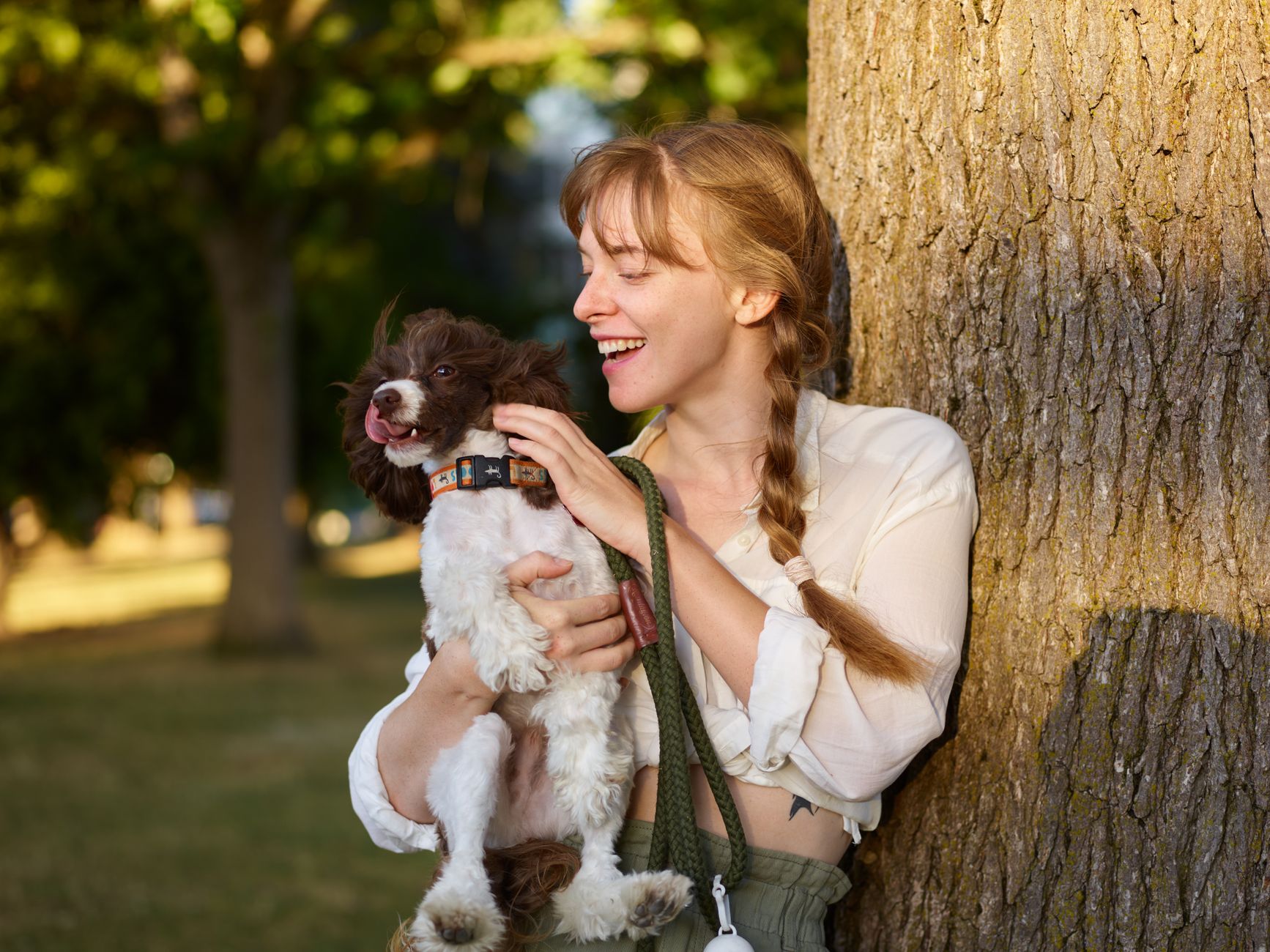
The Boykin Spaniel is defined by a joyous, eager-to-please temperament characterized by boundless energy in the field and a sweet-natured devotion at home. In my experience, they are highly social dogs that thrive on human contact and suffer if isolated for long periods. They are remarkably intelligent, displaying a natural curiosity and an intense focus when given a task. However, without proper mental stimulation, that same intelligence can manifest as anxious or destructive behavior.
Is a Boykin Spaniel good with other pets?
Yes, they generally cohabitate wonderfully with other dogs and can adapt to cats if raised with them from puppyhood. However, as a sporting breed, they do have a natural prey drive, so smaller pocket pets or birds should be kept safely separated.
How much attention does a Boykin Spaniel need?
They require a substantial amount of daily interaction and do not do well in households where they are left alone for 8 to 10 hours a day. I frequently treat separation anxiety in this breed when they are deprived of human companionship.
Training & Behavior
Boykin Spaniels are exceptionally trainable due to their high intellect and intense desire to work alongside their human partner. I always tell owners that positive reinforcement and consistency are key, as they are sensitive dogs that shut down under harsh correction. They learn new commands incredibly fast, but this also means they can easily pick up bad habits if training isn’t consistently enforced.
Training Tips
- Use high-value, food-based positive reinforcement
- Keep training sessions short, fast-paced, and engaging to prevent boredom
- Incorporate retrieving and water-based exercises into their training
- Early, structured socialization is critical to prevent shyness or over-excitement around strangers
- Establish firm, gentle boundaries from puppyhood to manage their natural enthusiasm
Fun Activities
- Field trials and hunting tests
- Dock diving
- Agility and flyball
- Scent work and tracking
- Advanced obedience and retrieve games
Is a Boykin Spaniel easy to train?
Yes, they are highly trainable and excel in complex tasks. Their intelligence and eager-to-please nature make them excellent candidates for advanced obedience, agility, and field work, provided the trainer uses positive methods.
Boykin Spaniel Health Issues
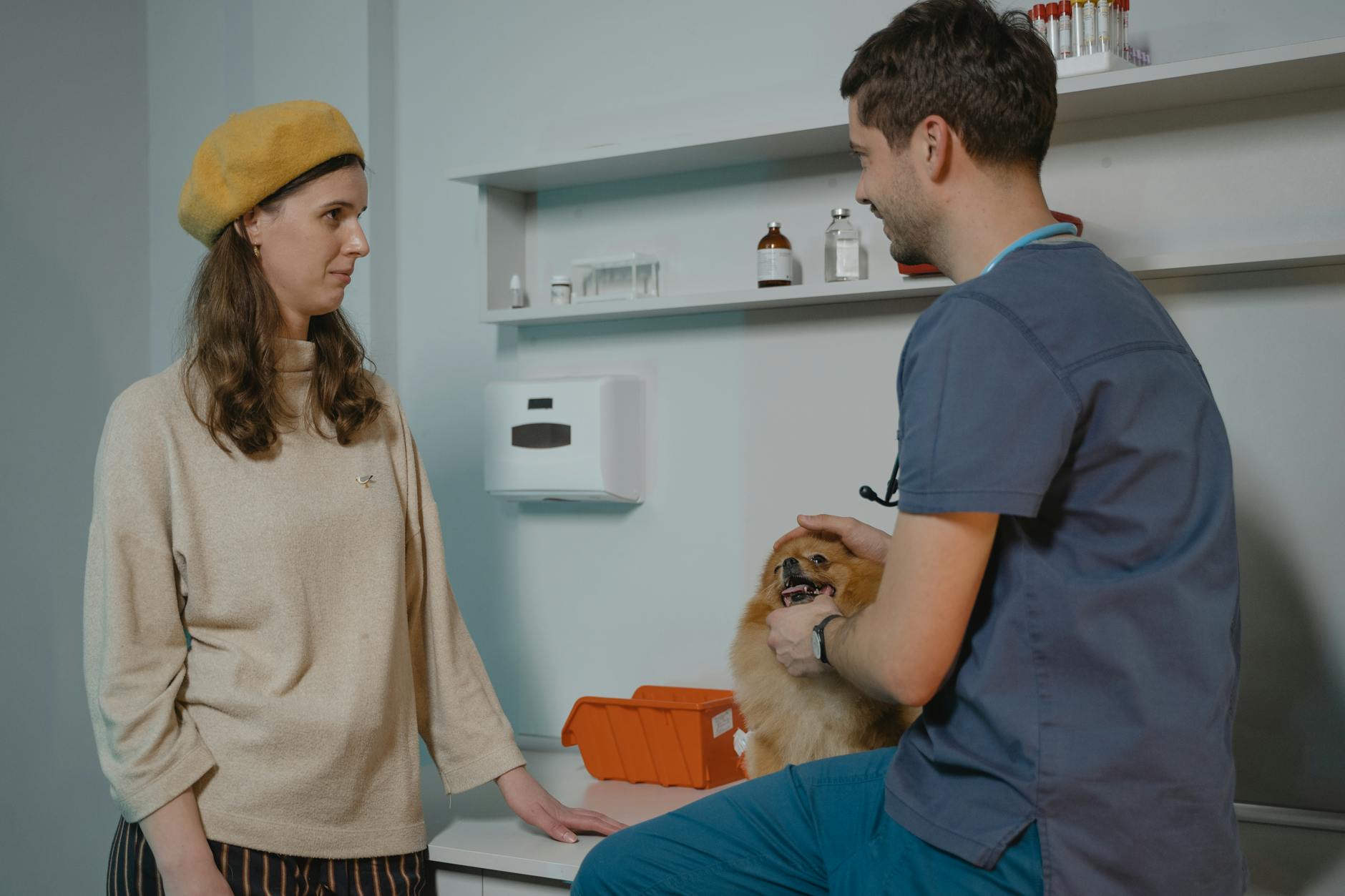
As a breed, Boykin Spaniels are generally robust and athletic, but they are genetically predisposed to several hereditary health conditions. In my clinical practice, I strongly emphasize purchasing from breeders who perform comprehensive health screenings, specifically DNA testing and joint evaluations.
Hip Dysplasia
A genetic skeletal condition where the ball and socket of the hip joint do not fit together smoothly, leading to progressive wear, joint deterioration, and eventual arthritis.
Exercise-Induced Collapse (EIC)
A genetic neuromuscular disorder characterized by muscle weakness, lack of coordination, and life-threatening collapse after periods of intense exercise or excitement.
Otitis Externa (Chronic Ear Infections)
Because of their heavy, floppy ears and love of water, Boykins are highly susceptible to moisture trapment, yeast overgrowth, and bacterial ear infections.
Collie Eye Anomaly (CEA)
An inherited congenital disease affecting the retina, choroid, and sclera, which can range from mild, non-progressive vision impairment to complete retinal detachment and blindness.
Degenerative Myelopathy (DM)
A progressive, incurable disease of the spinal cord that typically affects older dogs, leading to gradual loss of coordination and eventual paralysis of the hind limbs.
Ichthyosis
A hereditary skin disorder where the outer layer of skin does not form properly, leading to excessive scaling, flaking, and rough, dry skin.
How long do Boykin Spaniels typically live?
With proper nutrition, regular veterinary care, and appropriate preventive screenings, a healthy Boykin Spaniel typically enjoys a lifespan of 10 to 15 years, with many reaching 12 to 13 years old.
What to Feed a Boykin Spaniel
Boykin Spaniels require a high-quality, nutrient-dense diet formulated to sustain their high metabolic rate and active lifestyle. In my practice, I evaluate each dog’s daily energy expenditure to prevent obesity, which puts undue stress on their genetically sensitive joints.
Best Diet
An active or performance-specific kibble containing high-quality animal proteins and moderate fat is ideal for working Boykins. For puppies, I always recommend a large-to-medium breed puppy formula to support controlled, healthy skeletal development.
How to Feed
I strongly advise feeding Boykins two measured meals a day rather than free-feeding. This prevents overeating, stabilizes energy levels throughout the day, and allows you to monitor appetite changes closely.
How Much to Feed
Portion sizes generally range from 1.5 to 2.5 cups of high-quality dry food per day, split into two meals. However, exact caloric needs vary widely based on weight, age, and activity level; consult your veterinarian to establish a precise feeding plan.
Nutritional Tips
Adding omega-3 fatty acid supplements (like fish oil) can support their joint health and keep their chocolate coats glossy and skin healthy. Ensure they always have access to fresh water, especially during and after exercise to prevent dehydration.
Boykin Spaniel Grooming Guide
Maintaining a Boykin’s medium-length double coat requires regular attention to prevent matting and remove debris picked up outdoors. Proper grooming is not just cosmetic; it is an essential part of preventing skin infections and locating external parasites like ticks.
Coat Care
Brush your Boykin’s coat at least two to three times a week using a slicker brush and a metal comb, paying close attention to the softer feathering on the ears, chest, and legs. They require bathing every 4 to 6 weeks, or immediately after a swim in muddy or stagnant water.
Skin Care
Monitor their skin closely for signs of flaking, redness, or hot spots, which are common in water-loving breeds. Always blow-dry or thoroughly towel-dry their coat down to the skin after swimming to prevent moisture-associated dermatitis.
Eye Care
Wipe the corners of their eyes weekly with a damp, soft cloth to remove any discharge, and have your vet perform regular ophthalmic exams to monitor for genetic conditions like CEA.
Ear Care
Clean their ears weekly and after every swim using a veterinarian-approved drying ear cleaner. Gently dry the ear canal thoroughly to prevent the warm, moist environment that fuels yeast and bacterial infections.
Nail & Dental Care
Trim their nails every 3 to 4 weeks to prevent joint strain, and brush their teeth at least three times a week with canine toothpaste to prevent periodontal disease.
Considerations for Pet Parents
Pros
- Highly intelligent and exceptionally eager to please
- Superb hunting, retrieving, and swimming capabilities
- Affectionate and deeply loyal family companion
- Convenient, highly portable medium size
- Excellent candidate for canine sports like agility and dock diving
- Generally friendly and social with other dogs
Cons
- Extremely high exercise and mental stimulation requirements
- Prone to separation anxiety if left alone too long
- High risk of ear infections if ears are not dried properly
- Can be sensitive and requires gentle, positive training methods
- May exhibit high prey drive toward small pets
Best For
The Boykin Spaniel is ideal for active families, hunters, or outdoor enthusiasts who can dedicate at least an hour or two daily to vigorous exercise and structured training. They thrive in homes where they are integrated into daily activities and not left isolated.
Not Recommended For
I do not recommend this breed for sedentary individuals, apartment dwellers without access to secure yards, or families who are away from home for long hours daily. Without physical and mental outlets, they will develop severe behavioral issues.
Cost
- purchase price$1,500 to $3,000 USD
- monthly cost$100 to $200 USD
- initial setupInitial setup costs, including veterinary vaccinations, spay/neuter surgery, crates, high-quality gear, and initial preventative medications, typically range from $1,000 to $1,800.
Similar Breeds

Boykin Spaniel FAQs
Do Boykin Spaniels bark a lot?
They are moderate barkers. They will alert you to strangers at the door, but excessive barking is usually a sign of boredom, frustration, or separation anxiety.
Are Boykin Spaniels born with short tails?
No, they are born with long tails. Historically and according to breed standards, their tails are docked to a length of 2.5 to 3 inches when they are puppies to prevent injury while hunting in dense brush.
Do they have webbed feet?
Yes, Boykin Spaniels have distinctively webbed feet. This physical trait makes them exceptionally strong, efficient swimmers, perfectly suited for retrieving waterfowl in swampy terrains.
What is the ‘Boykin Shake’?
This refers to the unique, rapid whole-body shaking they do to shed water from their coat. Because they love water, you will see this frequently, and it highlights the need for quick post-swim ear drying.
Can Boykin Spaniels live in an apartment?
It is possible but highly challenging. They require a significant amount of daily, vigorous outdoor exercise, so unless you are committed to multiple long runs or park trips daily, an apartment is not ideal.
At what age is a Boykin Spaniel fully grown?
They typically reach their full adult height and weight around 12 months of age, though they will continue to fill out and mature mentally up until 18 to 24 months.
Are Boykin Spaniels hypoallergenic?
No, Boykin Spaniels are not hypoallergenic. They have a double coat that sheds moderately year-round and produces dander, which can trigger allergies in sensitive individuals.
How do I prevent ear infections in my Boykin Spaniel?
The key is keeping the ears dry. Use a veterinarian-recommended drying ear cleaner immediately after swimming or bathing, and dry the outer ear flaps thoroughly with a towel.
Why are they called the ‘Little Brown Dog’?
This is their affectionate nickname in their home state of South Carolina, where they were bred specifically to be small enough to ride in small boats (skeeter boats) while retrieving wild turkeys and ducks.
Are Boykins prone to skin allergies?
Yes, in my practice, I frequently treat Boykins for environmental allergies (atopy) and food sensitivities, which often present as itchy paws, recurrent ear infections, or hot spots.
Can they tolerate cold weather?
They have a protective double coat that allows them to tolerate cold water and moderate winter temperatures well, but they should not live outdoors. They are indoor family dogs who need warm shelter.
What genetic tests should a Boykin Spaniel breeder perform?
Responsible breeders should screen for Hip Dysplasia (OFA or PennHIP), Eye Diseases (CAER exam), Exercise-Induced Collapse (EIC), Collie Eye Anomaly (CEA), and Degenerative Myelopathy (DM).
Are Boykin Spaniels escape artists?
If bored or under-exercised, they can be. Their athletic build and intelligence allow them to dig under or jump over low fences, so secure, 5-to-6-foot fencing is highly recommended.
Do Boykin Spaniels make good therapy dogs?
Yes, their gentle, empathetic nature and high trainability make them excellent candidates for therapy work, provided they have been thoroughly socialized and their energy is managed.
How often should I trim a Boykin’s coat?
While some owners choose to clip their coats short for convenience (especially in hot climates), a light trim around the ears, paws, and sanitary areas every 6 to 8 weeks is usually sufficient.
Sources & Further Reading
- American Kennel Club (AKC)
- American Veterinary Medical Association (AVMA)
- Merck Veterinary Manual
- PetMD