
Great Dane Breed Guide
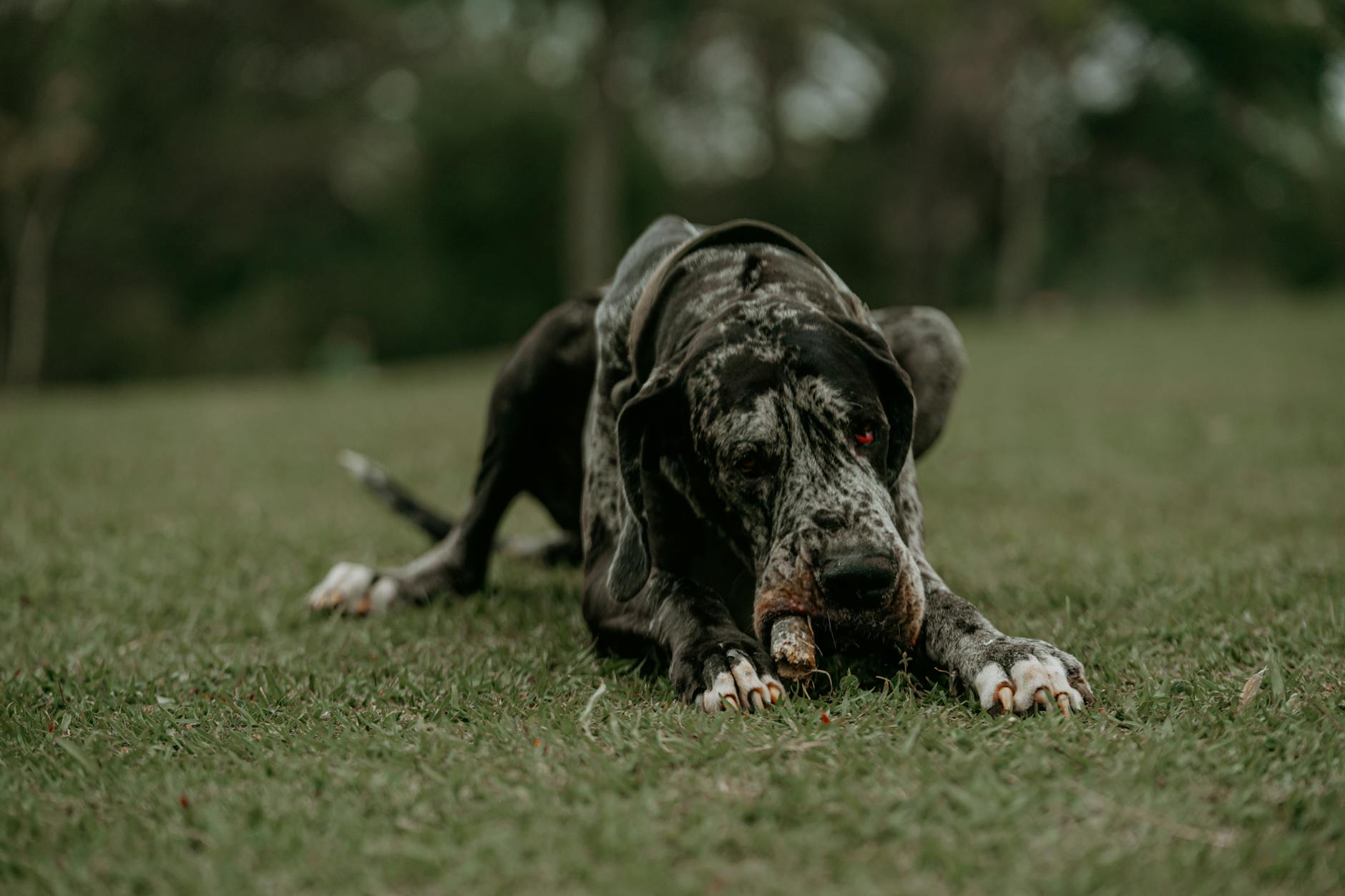
Quick Summary
The Great Dane is a majestic, deeply affectionate giant breed renowned for its ‘gentle giant’ disposition and calm indoor presence. While they require minimal grooming and are surprisingly adaptable to relaxed household life, their massive size demands early training, and prospective owners must be prepared for high maintenance costs and a heartbreakingly short lifespan.
Quick Facts
- origin countryGermany
- breed groupWorking Group (AKC)
- sizeGiant
- weight range110 to 175 pounds (50 to 79 kg)
- height range28 to 32 inches (71 to 81 cm) at the shoulder
- lifespan7 to 10 years
- coat typeShort, smooth, single coat
- common colorsFawn, brindle, blue, black, harlequin, mantle, merle
- other namesDeutsche Dogge, German Mastiff
- recognized byAKC, UKC, FCI, KC, ANKC
Caring for a Great Dane
In my years working with giant breeds, I have found that living with a Great Dane is less about managing high energy and more about managing physical volume. Indoors, they are famously quiet couch potatoes who will happily drape their massive bodies across your furniture, but they do require a home where they won’t constantly collide with delicate items. Daily care involves strict management of their exercise routine to protect their joints, structured feeding schedules to prevent life-threatening bloat, and early, consistent boundaries. Because of their sheer scale, simple tasks like veterinary visits, boarding, and purchasing preventative medications require careful planning and a robust budget.
Is a Great Dane a good family pet?
Absolutely, as they are incredibly patient, gentle, and deeply devoted to their human families. However, because of their enormous size, they can easily knock over toddlers or frail elderly relatives completely by accident, so supervision is always necessary.
Do Great Danes shed a lot?
Yes, they shed moderately year-round. While their hair is short and single-coated, the sheer surface area of a 150-pound dog means you will find a significant amount of stiff, needle-like hair woven into your carpets and furniture without regular brushing.
Is a Great Dane good for first-time owners?
Generally, no. I always tell prospective owners that managing a dog that weighs as much as an adult human requires confident handling, flawless leash manners, and experience with basic canine body language to prevent behavioral issues from becoming physical liabilities.
Temperament & Personality
Behind the imposing physical presence of the Great Dane lies an incredibly sweet, sensitive, and companionable soul. They thrive on human companionship and are notorious ‘leaners’—often pressing their massive bodies against your legs to show affection and seek security. They are highly attuned to the emotional climate of their household and can become visibly stressed by loud arguments or harsh training methods. Despite their history as boar hunters, modern Danes are lovers, not fighters, though their deep, earth-shaking bark and massive physical profile make them natural visual deterrents.
Is a Great Dane good with other pets?
Most Great Danes coexist beautifully with other dogs and even cats when properly socialized from puppyhood. However, because of their size, their play styles can be overwhelming or dangerous to smaller animals, so I recommend cautious introductions and close supervision.
How much attention does a Great Dane need?
They require a high level of daily interaction and do not do well when left alone for long periods. Danes are prone to severe separation anxiety, expressing their distress through highly destructive chewing that can demolish a couch or drywall in a matter of hours.
Training & Behavior
Training a Great Dane is not optional; it is a safety imperative. A 140-pound dog that pulls on the leash, jumps on guests, or guards food is a major hazard. Fortunately, Danes are eager to please and highly responsive to positive reinforcement. Because they are emotionally sensitive, harsh corrections will cause them to shut down completely, so I recommend using reward-based motivation, high-value treats, and calm, consistent instruction.
Training Tips
- Master loose-leash walking on day one before your puppy outweighs you.
- Teach a rock-solid ‘off’ command to prevent jumping on people or kitchen counters.
- Socialize extensively in safe environments before 16 weeks of age to prevent fear-based reactivity.
- Crate train early to provide a safe space and prevent separation-induced household destruction.
- Practice touch desensitization on paws, ears, and mouth to make giant-sized vet exams stress-free.
Fun Activities
- Low-impact obedience training classes
- Scent work and tracking games
- Therapy dog visits (their height makes them perfect for bedside visits)
- Casual, leisurely walks on flat terrain
Is a Great Dane easy to train?
They are highly trainable due to their desire to please, but they do have a stubborn streak as adolescents. Keeping training sessions short, fun, and highly rewarding is the key to maintaining their focus.
Great Dane Health Issues
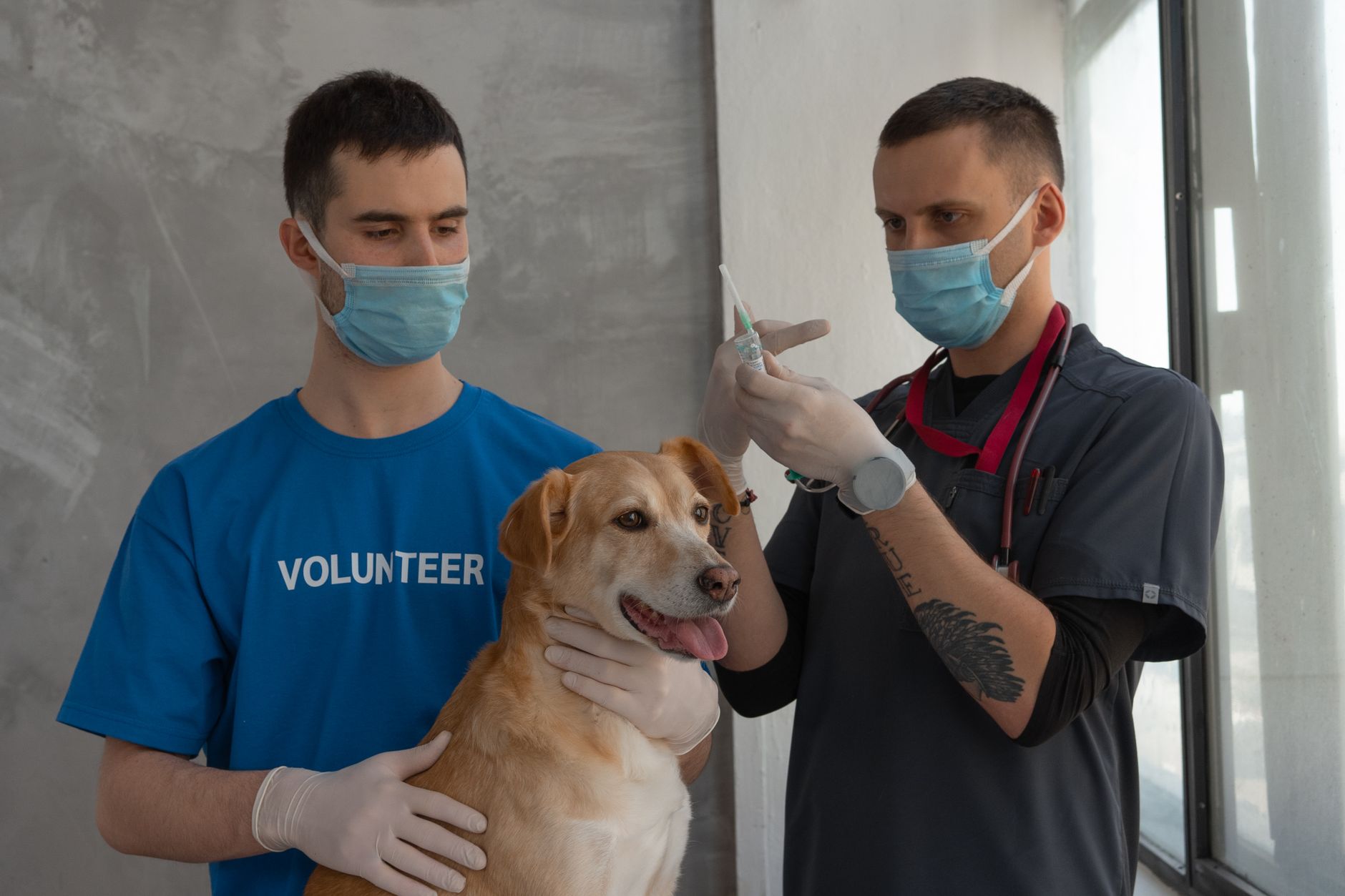
The Great Dane is sadly known in the veterinary community as the ‘heartbreak breed’ due to their vulnerability to several serious, life-limiting genetic conditions. Responsible owners must prioritize preventive care, maintain a close relationship with an experienced vet, and budget for specialized medical treatments.
Gastric Dilation-Volvulus (GDV or Bloat)
A life-threatening medical emergency where the stomach fills with gas and twists on its axis, cutting off blood supply. This is the number one killer of Great Danes, requiring immediate emergency surgery.
Dilated Cardiomyopathy (DCM)
A progressive disease of the heart muscle that causes the heart to enlarge and weaken, leading to congestive heart failure. Regular echocardiograms can help catch this early.
Hip and Elbow Dysplasia
Genetic skeletal conditions where the joints fail to develop properly, leading to painful arthritis, joint degeneration, and mobility issues. Maintaining a lean weight is critical to managing this.
Osteosarcoma (Bone Cancer)
An aggressive, painful form of bone cancer that is unfortunately common in giant breeds, typically affecting the limbs and carrying a poor prognosis.
Wobbler Syndrome (Cervical Spondylomyelopathy)
A neurological disease caused by compression of the cervical spinal cord, leading to a clumsy, uncoordinated gait.
How long do Great Danes typically live?
The average lifespan is 7 to 10 years. While some well-bred Danes can reach 11 or 12 years with meticulous care and excellent genetics, owners must be emotionally prepared for a shorter companion journey than with smaller breeds.
What to Feed a Great Dane
Feeding a Great Dane is a major logistical and financial commitment. Improper feeding during their rapid puppy growth phase can cause permanent, debilitating orthopedic damage, while adult feeding habits directly impact their risk of life-threatening bloat.
Best Diet
I highly recommend feeding a high-quality, large-breed or giant-breed specific formula. For puppies, the diet must have precisely balanced calcium-to-phosphorus ratios to prevent them from growing too quickly, so always consult a vet regarding growth curves.
How to Feed
Split their daily food intake into 2 to 3 smaller meals rather than one large feeding. Use slow-feeder bowls, avoid elevated feeders unless recommended by a vet for specific medical issues, and strictly enforce a period of rest (no running or playing) for 1 hour before and 2 hours after meals to minimize bloat risk.
How Much to Feed
Adult Danes typically consume between 6 to 10 cups of high-quality kibble per day, depending on their sex, age, and activity level. Work closely with your veterinarian to monitor their body condition score, as keeping a Dane lean is the best way to protect their joints.
Nutritional Tips
Avoid high-calorie supplements or extra calcium for puppies, as this can disrupt joint development. Ensure they always have access to clean water, but monitor them to ensure they do not gulp massive quantities of water immediately after eating.
Great Dane Grooming Guide
While their short coat means basic coat care is relatively simple, the sheer physical size of a Great Dane makes grooming a workout. Establishing a cooperative grooming routine when they are still small puppies is vital.
Coat Care
Weekly brushing with a rubber grooming mitt or medium-bristle brush is sufficient to remove loose hair and keep their coat shiny. They only need baths every 6 to 8 weeks, unless they roll in something foul.
Skin Care
Regularly check their elbows and hocks for calluses or pressure sores, which can develop from sleeping on hard floors; provide soft, supportive orthopedic bedding.
Eye Care
Wipe away eye discharge daily with a damp cloth, as Danes can be prone to dust collection in their lower lids.
Ear Care
Clean their ears bi-weekly with a vet-approved ear-cleaning solution to prevent moisture and wax buildup, particularly if they have natural, uncropped floppy ears.
Nail & Dental Care
Trim their thick, fast-growing nails every 2 to 3 weeks using a heavy-duty grinder or clipper; long nails can alter their gait and cause skeletal discomfort. Brush their teeth at least three times a week with canine-formulated toothpaste.
Considerations for Pet Parents
Pros
- Incredibly gentle, loving, and loyal family companions
- Relatively low exercise requirements compared to other large breeds
- Excellent visual deterrents for home security due to their imposing size
- Very quiet and polite housemates when their exercise needs are met
- Minimal, easy-to-manage coat grooming needs
- Generally friendly and patient with children and other animals
Cons
- Extremely short lifespan of 7 to 10 years
- Exceptionally expensive to feed, medicate, and care for medically
- High risk of life-threatening bloat (GDV)
- Prodigious droolers, especially after drinking and eating
- Physical size requires a large vehicle and strong physical handling
Best For
Experienced dog owners with a comfortable budget, plenty of indoor space, and a desire for an affectionate, constant shadow who will participate in quiet, family-oriented daily routines.
Not Recommended For
Those on a tight financial budget, apartment dwellers without elevator access, or families who are away from home for long working hours and cannot dedicate ample time to companionship.
Cost
- purchase price$1,500 to $3,500 from a reputable, health-testing breeder
- monthly cost$250 to $500 (covering high-volume premium food, pet insurance, and giant-size heartworm/flea preventatives)
- initial setupI strongly advise factoring in the cost of a prophylactic gastropexy (stomach-tacking surgery), which can cost $500 to $1,500 when performed alongside their spay or neuter, to dramatically reduce the risk of fatal stomach twisting.
Similar Breeds

Mastiff

Irish Wolfhound
Great Dane FAQs
Are Great Danes good apartment dogs?
Surprisingly, yes, they can adapt well to apartment living because of their low indoor energy levels. However, you must have an elevator or live on the ground floor, as navigating multiple flights of stairs is dangerous for their developing joints and physically impossible if they become injured or elderly.
Why do Great Danes lean on people?
It is their signature way of expressing affection, seeking physical comfort, and feeling secure. In my experience, they truly have no concept of their own size and genuinely believe they are lap dogs who need to be as close to you as possible.
At what age is a Great Dane fully grown?
While they reach their full skeletal height by 12 to 18 months of age, they will continue to fill out, gain muscle, and mature structurally until they are 2 to 3 years old.
Should I get a gastropexy for my Great Dane?
Yes, I highly recommend discussing a prophylactic gastropexy with your veterinarian. This procedure surgically tacks the stomach to the abdominal wall, preventing the stomach from twisting if bloat occurs, turning a highly fatal emergency into a much more treatable event.
Do Great Danes drool a lot?
Yes. While they aren’t quite as wet-mouthed as Mastiffs, their loose jowls mean they drool significantly after drinking, when waiting for food, or when they are hot. Keep ‘drool rags’ scattered around your home to wipe their mouths.
How much exercise does a Great Dane puppy need?
Puppies need very controlled, low-impact exercise. To avoid permanent damage to their rapid-growing joints, do not take them on forced runs, jog on hard surfaces, or allow them to jump on and off high surfaces (like cars or couches) until they are at least 18 months old.
Are Great Danes protective?
They are naturally vigilant and their sheer size is usually enough to deter any intruder. However, they are generally not aggressive guardians; they are more likely to alert you to a stranger with a deep bark and then welcome them once they see you are comfortable.
Are Great Danes sensitive to cold weather?
Yes. Because they have a single, short coat with very little body fat, they feel the cold easily. If it is cold enough for you to need a winter coat, your Great Dane will likely need a high-quality canine jacket for outdoor walks.
Can a Great Dane be left alone while I work?
Not for full eight-to-ten-hour workdays. Because of their deep attachment to their owners, prolonged isolation easily triggers separation anxiety, which can lead to severe self-injury or catastrophic damage to your home.
What are the ‘Great Dane zoomies’?
These are short, explosive bursts of frantic energy where your Dane will run in giant circles with their tail tucked. While highly entertaining, you must ensure they are in a wide-open, safe space to prevent them from crashing into walls, furniture, or people.
Why is the Great Dane called the ‘heartbreak breed’?
This term comes from their short lifespan and susceptibility to devastating genetic health issues. It takes a resilient, dedicated owner to navigate the reality of loving a dog with a shorter average lifespan than smaller breeds.
Are male or female Great Danes better?
Males are typically much larger, heavier, and can be more goofy and clingy. Females tend to be slightly smaller, more independent, and easier to physically manage, though both sexes are incredibly affectionate companions when raised well.
How do I stop my Great Dane puppy from pulling on the leash?
Start training with a front-clip harness or head halter immediately when they are small. Consistently reward them for keeping the leash loose, and completely stop walking the moment they pull, teaching them that pulling yields zero progress.
Do Great Danes bark a lot?
They are generally quiet dogs who do not bark without a reason. However, when they do bark, it is an incredibly deep, resonant, and loud sound that can startle neighbors, so early training to manage alert barking is recommended.
Can a Great Dane climb stairs?
They can climb stairs, but you should strictly limit stair climbing during their first year of rapid growth to protect their joints. As they age or if they develop arthritis, navigating stairs can become a major mobility barrier.