
Neapolitan Mastiff Breed Guide
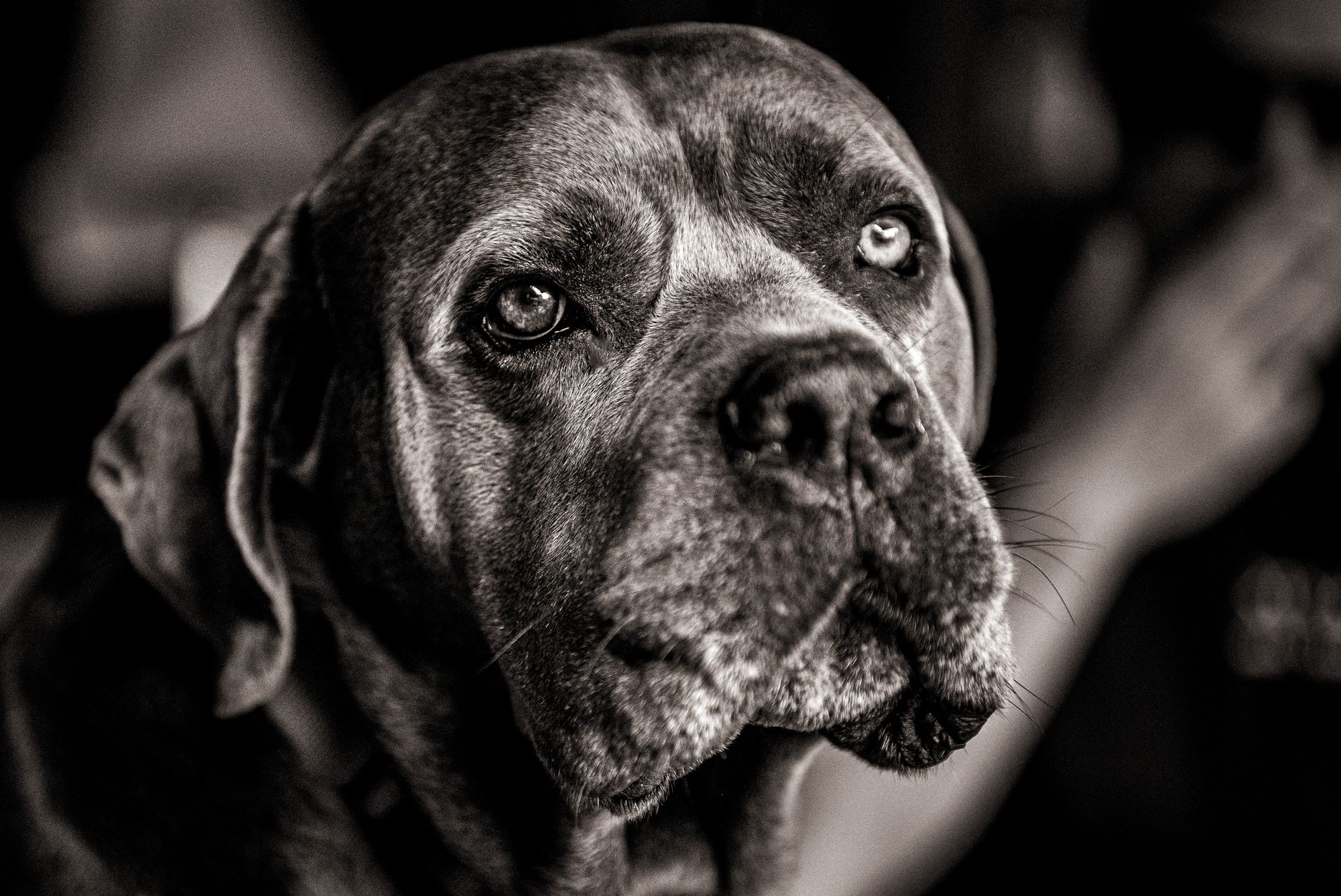
Quick Summary
An ancient, imposing guardian of immense physical power and deep, quiet loyalty, the Neapolitan Mastiff is a giant protective breed best suited for highly experienced owners who can commit to intensive lifelong socialization. In my years treating this breed, I emphasize that their massive size, complex skin-fold grooming needs, and unique health challenges require a vigilant, financially prepared owner. They are profoundly devoted to their families but remain inherently watchful and wary of strangers.
As an Amazon Associate, we earn from qualifying purchases.
Popular with Neapolitan Mastiff owners: Chew Toys · Orthopedic Dog Bed · Hip & Joint Supplement
Quick Facts
- origin countryItaly
- breed groupWorking Group (AKC)
- sizeGiant
- weight range110-150 pounds (females), 150-180+ pounds (males)
- height range24-29 inches (females), 26-31 inches (males)
- lifespan7-9 years
- coat typeShort, dense, hard, and smooth
- common colorsBlue (gray), black, mahogany, tawny (brindle patterns allowed)
- other namesMastino Napoletano, Mastino, Neo, Italian Mastiff
- recognized byAKC, FCI, UKC
Caring for a Neapolitan Mastiff
Living with a Neapolitan Mastiff is a lifestyle adjustment that requires accommodating a colossal, slow-moving force of nature inside your home. In my clinical practice, I tell owners that daily life with a ‘Neo’ revolves around joint preservation, maintaining a meticulous skin-fold cleaning regime to prevent infections, and managing a constant stream of heavy drool. They do not require high-energy, high-impact exercise, but they do need structured, low-impact daily walks to maintain muscle tone and mental stimulation. Because of their natural guarding instincts, their care also demands a lifetime commitment to keeping them polite and manageable in public spaces.
Is a Neapolitan Mastiff a good family pet?
Yes, for the right household, they are incredibly loving, calm, and protective companions who form unbreakable bonds with their families. However, due to their massive weight, sheer power, and slow-moving bulk, they can accidentally knock over toddlers or fragile elderly relatives, requiring constant adult supervision. They are best suited for families with older, dog-savvy children who understand how to respect a giant breed’s boundaries.
Do Neapolitan Mastiffs shed a lot?
They are moderate shedders year-round who possess a short, dense coat that drops fine hairs, which can easily weave into carpets and upholstery. While they do not blow their coats like long-haired breeds, they still require weekly brushing with a rubber curry brush to manage loose hairs. The main ‘shedding’ challenge owners face isn’t hair, but rather the copious amounts of drool and saliva they deposit on furniture and walls.
Is a Neapolitan Mastiff good for first-time owners?
Absolutely not; this breed is strictly for highly experienced owners who understand guardian dog behavior and giant breed dynamics. Novice owners are easily overwhelmed by their extreme size, independent decision-making, natural suspicion of strangers, and the physical strength required to control them. Without experienced, confident leadership and early, intensive training, a Neo can easily become an unmanageable and potentially dangerous liability.
Temperament & Personality
The Neapolitan Mastiff is a quiet, dignified, and exceptionally watchful guardian that possesses a calm but intensely protective temperament. In my clinical experience, they are deeply affectionate and gentle with their immediate families, often acting like giant lapdogs despite their massive frames. They are naturally suspicious of strangers, showing a quiet, immovable courage rather than active, hyperactive aggression; they prefer to place their massive bodies between their owner and a perceived threat. They are independent thinkers who do not seek constant approval, requiring a patient owner who respects their quiet, self-assured nature.
Is a Neapolitan Mastiff good with other pets?
They can coexist peacefully with other family pets, including cats and other dogs, if they are raised alongside them from early puppyhood with careful supervision. However, they possess a strong prey drive and a natural desire for dominance, meaning they can be highly dog-aggressive toward strange dogs of the same sex. In my practice, I strongly advise keeping them as the only dog, or pairing them with a compatible, altered dog of the opposite sex and similar size.
Frienhund Tough Dog Chew Toys, 3 Pack
- ✓Sturdy nylon chews
- ✓For medium and large dogs 30-75 lbs
- ✓3-pack for rotating or multi-dog homes
- Durable chew toys give strong jaws a safe outlet and save your furniture and shoes
How much attention does a Neapolitan Mastiff need?
While they are independent thinkers who don’t mind napping alone for a few hours, they are intensely bonded to their humans and need to be near their family when everyone is home. They do not thrive if banished to the backyard or isolated from daily household activities, which can lead to severe depression or destructive guarding behaviors. They show their affection quietly, preferring to lie at your feet or lean their massive heads against your knee.
Training & Behavior
Training a Neapolitan Mastiff requires an understanding of their independent working heritage; they are deliberate decision-makers rather than eager-to-please performers. In my practice, I find that harsh, dominant training methods backfire completely, causing these sensitive giants to shut down, ignore commands, or become defensive. Training must begin the week you bring your puppy home at 8 weeks old, focusing heavily on impulse control, positive-reinforcement loose-leash walking, and calm socialization before they reach a weight you cannot physically control. Consistency, patience, and high-value food rewards are the keys to earning their cooperation and respect.
Training Tips
- Begin positive reinforcement socialization within the first 16 weeks of life to prevent fear-aggression
- Master loose-leash walking early before they reach 150+ pounds and can easily pull you over
- Use high-value food rewards to motivate their independent, food-motivated minds
- Establish clear, consistent household boundaries without ever resorting to physical force or shouting
- Keep training sessions short, under 10 minutes, to accommodate their low attention span and high fatigue levels
Fun Activities
- Low-impact scent work and tracking games in quiet, familiar environments
- Gentle, self-paced pack walks in quiet parks to maintain socialization
- Basic and advanced home-based obedience training with structured food rewards
- Mental enrichment puzzles and food-stuffed chew toys that encourage quiet brain work
Is a Neapolitan Mastiff easy to train?
No, they are highly challenging to train because of their independent streak and lack of desire to perform repetitive tricks. They will obey commands if they respect your leadership and understand the utility of the cue, but they are slow to react compared to working herding breeds. Owners must approach training with supreme patience, consistency, and a sense of humor, recognizing that a Neo operates on their own time.
Neapolitan Mastiff Health Issues

From a veterinary standpoint, the Neapolitan Mastiff is a medically high-maintenance giant breed with a sadly brief lifespan. They are structurally prone to orthopedic issues due to their rapid growth and extreme weight, and their heavy skin folds make them susceptible to dermatological and ocular pathologies that require proactive care.
Gastric Dilatation-Volvulus (GDV or Bloat)
A life-threatening medical emergency where the stomach fills with gas, fluid, or food and twists on its axis, cutting off blood flow to vital organs. This is the leading cause of sudden death in Neapolitan Mastiffs due to their deep-chested anatomy.
Cherry Eye (Nictitans Gland Prolapse)
The prolapse of the tear gland of the third eyelid, very common in this breed due to loose facial skin and weakened connective tissue around the eye. It requires surgical correction to protect long-term tear production and prevent dry eye.
Fold Pyoderma (Skin Fold Dermatitis)
Severe bacterial or yeast infections that develop within the deep, moisture-trapping wrinkles of the face, neck, and tail. If left untreated, these infections can penetrate deep into the dermis, requiring systemic antibiotics.
Bedsure Orthopedic Dog Bed, Egg-Crate Foam
- ✓Egg-crate orthopedic foam spreads body weight
- ✓Removable, machine-washable cover
- ✓Supports dogs up to 65 lbs
- Cushions hips and joints in large, senior or dysplasia-prone dogs
- Easy to keep clean
Hip and Elbow Dysplasia
Heritable orthopedic conditions where the joint structures develop abnormally, leading to joint laxity, severe early-onset osteoarthritis, and chronic pain. Managing weight is critical to reducing the severity of these conditions.
Dilated Cardiomyopathy (DCM)
A progressive disease of the heart muscle that results in an enlarged, weakened heart that cannot pump blood effectively, eventually leading to congestive heart failure. Regular veterinary echocardiograms are recommended for early detection.
Entropion and Ectropion
Eyelid abnormalities where the loose facial skin causes the eyelids to roll inward (entropion), rubbing eyelashes against the cornea, or sag excessively outward (ectropion), exposing the eye to debris and infection. Surgical correction is often necessary once the dog reaches physical maturity.
How long do Neapolitan Mastiffs typically live?
In my clinical practice, I advise owners that the average lifespan of a Neapolitan Mastiff is 7 to 9 years. Because of their giant size and predisposition to severe cardiovascular and orthopedic diseases, they are considered seniors by age 5 or 6. You can maximize their lifespan by preventing obesity, pursuing early preventative surgeries like a gastropexy, and maintaining rigorous joint support.
What to Feed a Neapolitan Mastiff
Proper nutrition is a cornerstone of health for the Neapolitan Mastiff, especially during their critical puppy growth phase which lasts up to 24 months. Overfeeding or feeding the wrong nutrient ratios can cause rapid, catastrophic bone growth that leads to permanent orthopedic deformities.
Best Diet
I strongly recommend a high-quality, large-breed or giant-breed specific commercial kibble formulated with controlled calcium-to-phosphorus ratios (ideally around 1.2:1 to 1.4:1). For adult Neos, diets rich in omega-3 fatty acids, glucosamine, and chondroitin are vital to help support their massive joints under the guidance of your veterinarian.
How to Feed
To help prevent Gastric Dilatation-Volvulus (GDV), you must divide their daily food allowance into at least two or three smaller meals per day. Never use elevated food bowls unless specifically directed by your vet, and strictly enforce a mandatory, quiet rest period with zero exercise or excitement for 60 to 90 minutes before and after every meal.
How Much to Feed
Adult Neapolitan Mastiffs typically consume between 6 to 10 cups of high-quality food daily, depending on their weight, age, and activity level. This is highly individual; owners must work closely with their veterinarian to adjust portions based on body condition scores, aiming to keep them lean with a visible waist to protect their joints.
Nutritional Tips
Avoid high-protein puppy foods designed for medium breeds, as they accelerate skeletal growth too rapidly. Additionally, always avoid foods that contain high amounts of legumes (peas, lentils) in the first few ingredients due to potential links to canine dilated cardiomyopathy, and consult your vet before adding any mineral supplements.
Neapolitan Mastiff Grooming Guide
Grooming a Neapolitan Mastiff is not about maintaining a long coat, but rather managing their extensive skin folds, massive drool production, and heavy nails. It is a daily, hands-on health maintenance routine that requires consistency to prevent severe skin infections and odor.
Coat Care
Their short, dense coat is relatively easy to care for, requiring a thorough brushing once or twice a week with a rubber curry glove or soft bristle brush to remove dead hair and distribute natural skin oils. They only need baths every 6 to 8 weeks, but they must be dried thoroughly to prevent moisture from staying trapped in their skin folds.
Skin Care
The facial wrinkles, neck folds, and tail pockets must be inspected daily, wiped free of drool, food debris, and moisture, and dried completely. Using veterinary-approved antiseptic or chlorhexidine wipes inside the folds is highly recommended to keep yeast and bacterial populations under control.
Eye Care
Due to their droopy eyelids (ectropion), their eyes easily collect dust and debris, requiring daily inspection and gentle wiping with a damp, clean cloth. Watch closely for signs of conjunctivitis, tear-staining, or the emergence of cherry eye.
Ear Care
Their heavy, floppy ears block airflow, creating a dark, moist environment ideal for yeast and bacterial ear infections. Clean their ears weekly using a veterinarian-recommended drying ear cleaner, and always dry them thoroughly after baths or swimming.
Nail & Dental Care
Their massive, thick nails grow quickly and must be trimmed or ground down every 2 to 3 weeks to prevent joint strain and painful splaying of the toes. Because they are prone to heavy drool and dental tartar, daily tooth brushing with dog-safe enzymatic toothpaste is essential to prevent periodontal disease.
Considerations for Pet Parents
Pros
- Incredibly loyal and deeply devoted companion to the entire family
- Calm, quiet, and low-energy house dog when mature
- Magnificent, imposing natural guardian requiring no protection training
- Quiet demeanor; rarely barks unless there is a genuine threat
- Thrives on low-impact exercise, making them great for relaxed lifestyles
- Very affectionate and loving ‘gentle giant’ within their household
Cons
- Extremely short lifespan, typically only 7 to 9 years
- Produces a massive volume of drool, slobber, and facial moisture daily
- Very high veterinary, feeding, and medical care costs
- Prone to serious orthopedic, ocular, and cardiac health conditions
- Requires intensive, lifelong socialization to manage guardian instincts
- Extremely heavy and physically challenging to handle in emergencies
Best For
Highly experienced dog owners who live in spacious homes, have a realistic budget for giant-breed medical care, and can devote ample time to daily skin fold care and lifelong socialization. The ideal owner is someone who is physically strong, calm, and comfortable leading a highly powerful guardian breed.
Not Recommended For
First-time dog owners, apartment dwellers, households with toddlers or frail elderly individuals, or anyone who is squeamish about drool, snoring, and heavy shedding. They are also not suited for owners who travel frequently or cannot afford potentially thousands of dollars in annual veterinary orthopedic or emergency care.
Cost
- purchase price$2,500 – $4,500 from a reputable, health-tested breeder
- monthly cost$250 – $450 (includes premium giant-breed food, pet insurance, joint supplements, and grooming supplies)
- initial setupInitial setup can cost $1,500 – $3,000, covering giant-sized crates, heavy-duty orthopedic beds, extra-large harnesses, preventative gastropexy surgery, and initial puppy vaccinations.
-
Nutramax Cosequin Joint Supplement for DogsGlucosamine and chondroitin chews support cartilage and mobility, especially in large, senior and dysplasia-prone dogs
-
Hertzko Self-Cleaning Slicker BrushRemoves loose hair, tangles and dirt before they become mats
-
Wag Wholesome Grains Dry Dog Food, Chicken & Brown RiceA complete, balanced diet matched to your dog’s size and age is the foundation of a healthy coat, gut and energy level
Similar Breeds

Mastiff (English Mastiff)
Cane Corso
Related Dog Guides
Neapolitan Mastiff FAQs
Do Neapolitan Mastiffs drool a lot?
Yes, Neapolitan Mastiffs are legendary droolers due to their massive, loose jowls and heavy skin folds. They produce a steady stream of saliva, particularly after eating, drinking, during exercise, or when they are warm or excited. Owners must keep ‘slobber rags’ handy in every room and be prepared for drool to end up on walls, furniture, and clothing.
Can a Neapolitan Mastiff live in an apartment?
While they are low-energy dogs who enjoy lounging on the sofa, they are not recommended for apartments due to their massive physical footprint and guardian nature. Their deep barks can disturb neighbors, and navigating narrow stairwells or elevators with a 150-pound dog can be incredibly challenging, especially if they develop orthopedic issues later in life.
Are Neapolitan Mastiffs sensitive to heat?
Yes, Neapolitan Mastiffs have extremely poor heat tolerance due to their massive body mass, thick bone structure, and heavy facial wrinkles. They are highly susceptible to heatstroke and should never be left outside in warm weather; they must have access to reliable air conditioning, cool water, and shaded areas during the summer months.
Should a Neapolitan Mastiff puppy use stairs?
In my practice, I strongly advise limiting stair access for Neapolitan Mastiff puppies under 12 to 18 months of age. Their rapidly developing growth plates and heavy joints are highly vulnerable to impact injuries; repetitive stair climbing, jumping off furniture, or running on slippery floors can lead to lifelong orthopedic damage, including hip dysplasia and cruciate ligament tears.
What is a preventative gastropexy, and does this breed need one?
A preventative gastropexy is a surgical procedure where the stomach is tacked to the abdominal wall to prevent it from twisting during a bloat (GDV) event. Because Neapolitan Mastiffs are at an exceptionally high risk for bloat, I highly recommend discussing this surgery with your veterinarian, which is often performed concurrently during their spay or neuter procedure.
At what age is a Neapolitan Mastiff fully grown?
Neapolitan Mastiffs are a slow-maturing giant breed that does not reach full physical and mental maturity until they are 2 to 3 years of age. While they may reach their adult height by 18 months, they will continue to ‘fill out’ by adding muscle mass, bone density, and developing their characteristic heavy wrinkles and chest width well into their third year.
Why does my Neapolitan Mastiff have red, watery eyes?
Watery, red eyes in a Neo are typically caused by structural eyelid issues like ectropion (saggy lids) or entropion (inward-rolling lids), which allow dust, wind, and hair to irritate the sensitive cornea. It can also indicate conjunctivitis or a corneal ulcer; any persistent redness, squinting, or yellow-green discharge requires an immediate veterinary evaluation to prevent permanent vision damage.
Are Neapolitan Mastiffs aggressive to strangers?
By nature, they are not randomly aggressive, but they are deeply protective, territorial, and suspicious of anyone outside their immediate family. If they perceive a threat to their owner or home, they will react with immense physical courage to defend them. This is why extensive, positive-reinforcement socialization starting in early puppyhood is mandatory to teach them to distinguish normal visitors from actual threats.
How often should I clean my Neapolitan Mastiff’s wrinkles?
You should inspect and clean their facial wrinkles and neck folds daily. Use a soft, damp cloth or a veterinary antiseptic wipe to remove trapped food, drool, and debris, and then use a completely dry cloth to remove all moisture. Trapped moisture is the primary cause of painful yeast and bacterial skin fold dermatitis (fold pyoderma).
Are Neapolitan Mastiffs sensitive to anesthesia?
Yes, like many giant breeds, Neapolitan Mastiffs can be highly sensitive to certain anesthetic agents and sedatives. Their large size, lower metabolic rate, and unique upper airway anatomy (due to excess loose tissue) make anesthesia management high-risk. It is vital to seek out a veterinarian who is highly experienced in giant-breed anesthesia and utilizes advanced monitoring protocols.
What joint supplements do you recommend for this breed?
I recommend starting Neapolitan Mastiffs on high-quality joint supplements containing therapeutic doses of glucosamine, chondroitin, and methylsulfonylmethane (MSM) as early as one year of age. Additionally, incorporating high-quality omega-3 fatty acids (EPA/DHA) from fish oil helps reduce systemic joint inflammation and supports overall cartilage health as they age.
Are Neapolitan Mastiffs prone to bloat?
Yes, Neapolitan Mastiffs are among the most high-risk breeds for Gastric Dilatation-Volvulus (GDV/Bloat) due to their deep, narrow chests. To reduce this risk, feed multiple small meals a day, prevent rapid eating with slow-feeder bowls, avoid elevated feeders, and strictly enforce a quiet rest period for at least an hour before and after meals.
How much exercise does an adult Neapolitan Mastiff need?
An adult Neapolitan Mastiff has relatively low exercise needs, typically requiring only two 20-to-30-minute moderate, self-paced walks per day to maintain muscle tone and cardiovascular health. They are not jogging companions and should never be forced to run or exercise in warm weather, as their giant bodies overheat very quickly.
How do I prevent my Neapolitan Mastiff puppy from biting and mouthing?
Because a Mastiff puppy’s jaws are incredibly strong, you must teach bite inhibition immediately at 8 weeks of age. Whenever they mouth your hands or clothes, immediately redirect their mouth to a tough, giant-breed-safe chew toy, and praise them when they bite the toy instead. If they persist, calmly withdraw your attention and walk away to teach them that mouthing ends all social interaction.
Why is my Neapolitan Mastiff losing hair in patches?
Patchy hair loss can indicate several dermatological issues common in the breed, including demodecotic mange (which they are genetically predisposed to due to transient juvenile immune system weaknesses), bacterial folliculitis, or severe yeast infections within their skin folds. Any localized hair loss, scaling, or intense itching should be diagnosed by a veterinarian via a skin scraping or cytology.
Sources & Further Reading
- American Kennel Club (AKC)
- Merck Veterinary Manual
- American Veterinary Medical Association (AVMA)
- PetMD