
 Cane Corso Training: Building a Well-Behaved Guardian Dog” loading=”lazy”>
Quick Summary
Training a Cane Corso requires a deep understanding of their working heritage, immense physical strength, and natural guardian instincts. In this guide, Dr. Veronica Heller outlines the clinical and behavioral protocols necessary to raise a safe, confident, and well-adjusted companion, emphasizing early socialization, positive reinforcement, and cooperative veterinary care.
In my years treating giant breeds, I often tell my clients that owning a Cane Corso is like operating a high-performance vehicle. They are magnificent, powerful, and deeply loyal, but they require a highly skilled hand at the wheel.
Without proactive, structured training, these 100-pound-plus guardians can quickly become a major liability in a modern neighborhood. What I see most often in practice is that owners underestimate the sheer physical power and protective drive of this ancient Italian breed.
Today, I want to share the exact clinical and behavioral training protocols I prescribe to my clients to ensure their Cane Corsos grow into safe, reliable companions.
Key Takeaways
- Cane Corsos possess natural guardian instincts that require structured redirection rather than harsh suppression.
- The primary socialization window between 3 and 16 weeks of age is critical for preventing lifelong fear and aggression.
- Force-free, positive reinforcement training builds trust and prevents dangerous defensive reactivity.
- Loose-leash walking must be mastered from day one to manage their immense physical strength safely.
- Cooperative care training at home reduces veterinary clinic stress and ensures safe clinical handling.
- Physical growth must be carefully managed to protect developing joints and growth plates from permanent damage.
In This Article
- mastiff-mindset-breed-temperament-and-instincts”>The Italian Mastiff Mindset: Breed Temperament and Instincts
- The Critical Socialization Window (Weeks 3 to 16)
- Leadership Without Force: The Myth of Dominance
- Leash Mastery: Managing 110 Pounds of Power
- Curbing Resource Guarding Before It Starts
- Veterinary Cooperative Care: Training for the Clinic
- Preventing Reactivity and Managing the Guarding Drive
- Physical Growth and Safe Exercise Limits
The Italian Mastiff Mindset: Breed Temperament and Instincts
To successfully train a Cane Corso, you must first understand their historical purpose as an Italian working and catch dog. They are not golden retrievers, and we should never expect them to act like them.
Their natural instinct is to assess environments for potential threats, which makes them naturally aloof with strangers.
In my clinic, a well-behaved Cane Corso is an absolute joy to treat, showing quiet confidence and deferred authority to their owner. However, an untrained Corso is a safety hazard for my veterinary staff, their owners, and themselves.
We must work with their protective instincts rather than attempting to suppress them through harsh methods. Attempting to shut down their natural instincts entirely often leads to fear-based aggression.
- Intense loyalty and attachment to their immediate human family unit.
- Natural aloofness and suspicion toward unfamiliar people and animals.
- High prey drive that requires early redirection and strong recall skills.
- Incredible physical strength coupled with a sensitive emotional nature.

The Critical Socialization Window (Weeks 3 to 16)
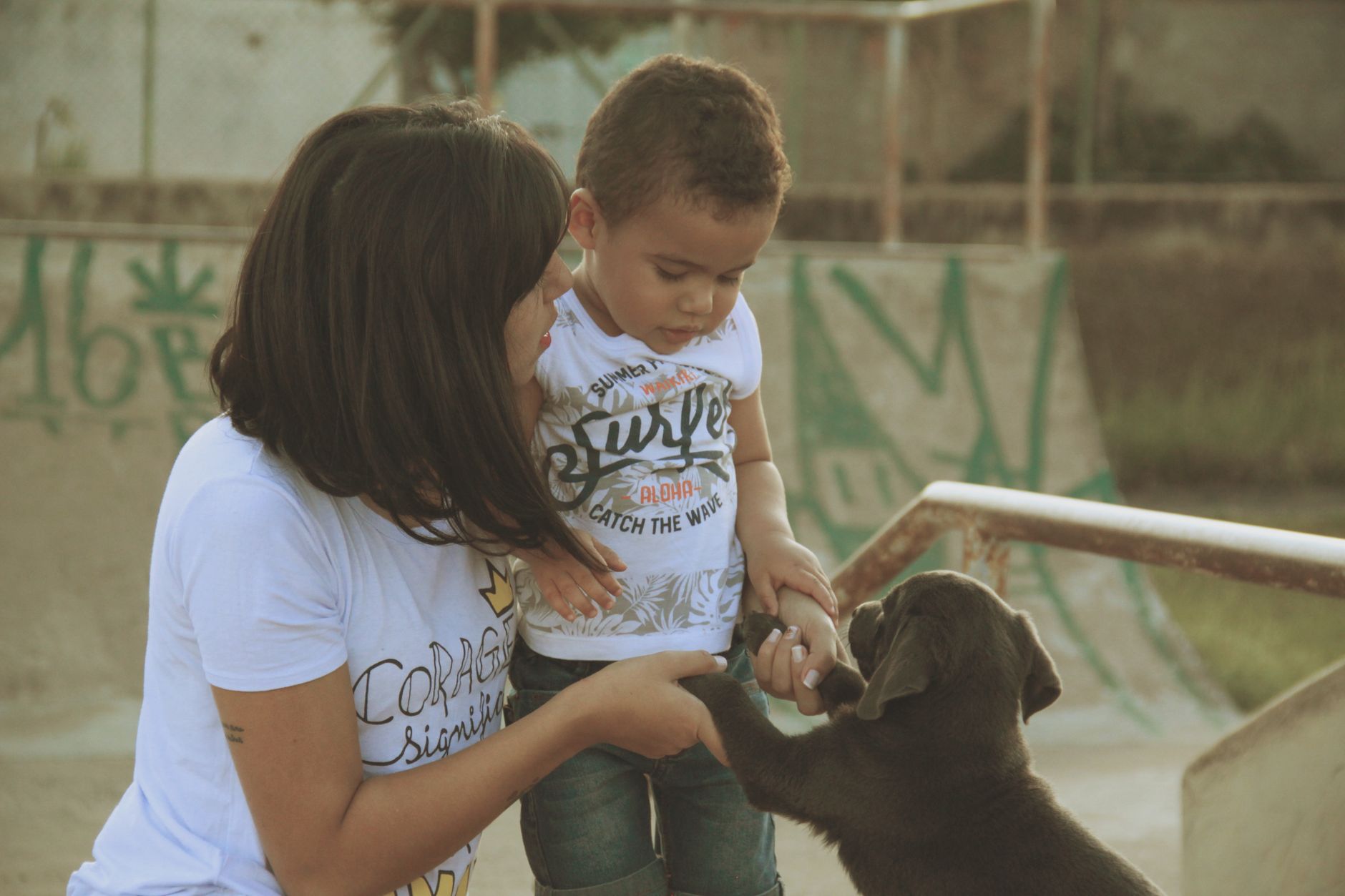
From a veterinary standpoint, the socialization window between 3 and 16 weeks of age is the most critical period of your dog’s life. This is when the puppy’s brain is highly plastic, forming permanent associations with the world around them.
Many owners make the mistake of keeping their puppy completely isolated until all vaccines are completed at 16 weeks. While infectious diseases like parvovirus are a real threat, behavioral issues are actually the leading cause of euthanasia in large breeds.
I advise my clients to balance these risks by conducting safe, controlled socialization sessions. Avoid public dog parks, but actively introduce your puppy to controlled environments.
- Introduce to at least 100 different people of various ages, ethnicities, and outfits.
- Expose to unusual surfaces like metal grates, wet grass, and slippery clinic floors.
- Acclimate to loud sounds such as vacuum cleaners, sirens, and passing trucks.
- Ensure positive interactions with calm, fully vaccinated adult helper dogs.
Leadership Without Force: The Myth of Dominance
In my practice, I have seen too many owners fall victim to outdated ‘alpha dog’ dominance theories. Attempting to physically dominate a Cane Corso through alpha rolls or physical punishment is highly dangerous.
This style of training destroys trust and often triggers defensive aggression in a breed that does not back down easily. If you pick a physical fight with a mature mastiff, you will eventually lose.
Instead, effective training relies on calm, unyielding consistency and positive reinforcement. You must establish yourself as a reliable leader whose cues always yield predictable, rewarding results.
The NILIF (Nothing in Life is Free) Protocol
Implement this structure immediately in your home to establish clear boundaries. Your dog must perform a basic command, like a sit or down, before receiving food, toys, or affection.
This gently reinforces your leadership without using physical intimidation.
Leash Mastery: Managing 110 Pounds of Power
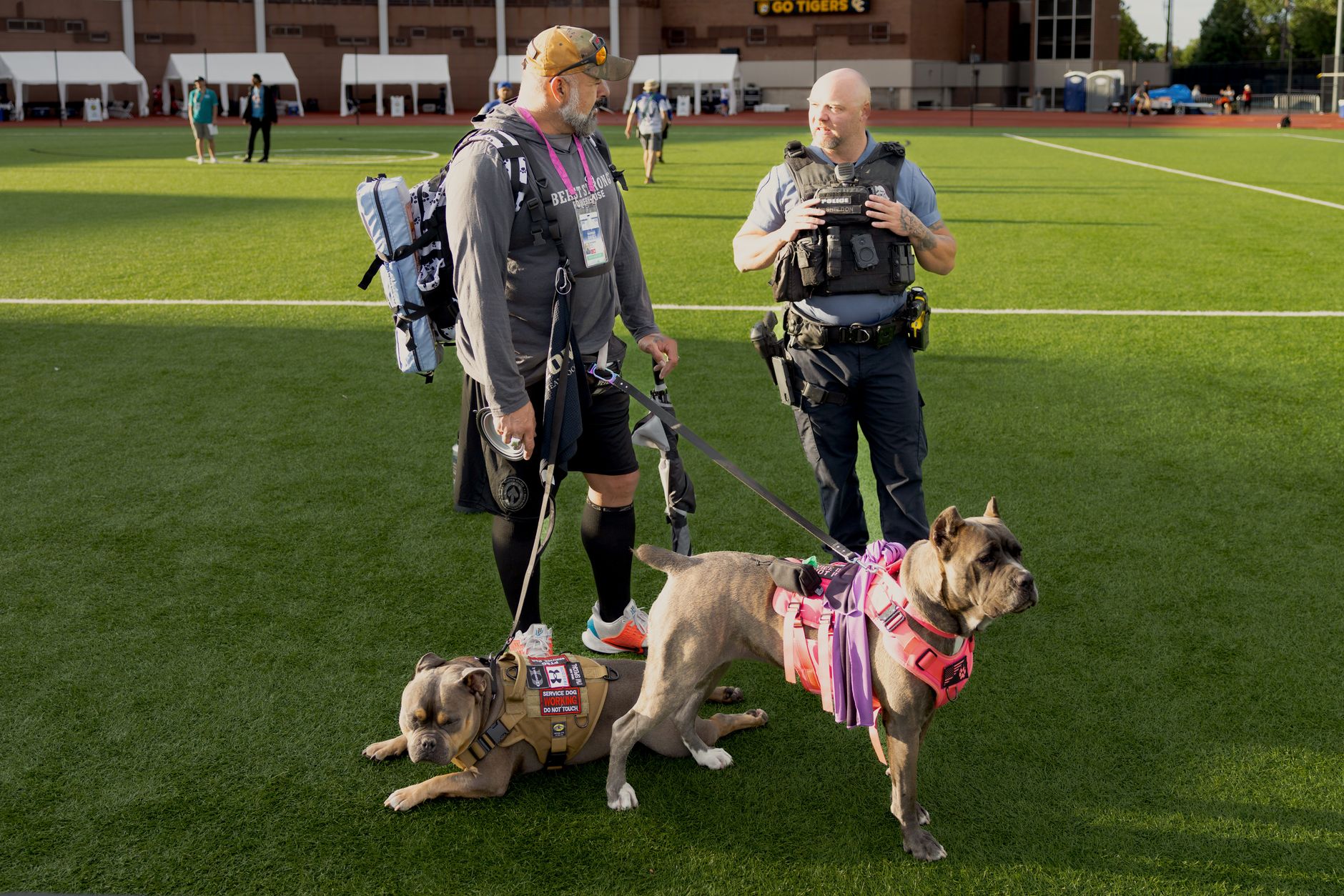
A full-grown male Cane Corso can easily weigh over 110 pounds of pure muscle. If your dog does not know how to walk on a loose leash, a simple chase reflex can pull you off your feet.
I see orthopedic injuries in owners almost as often as I see them in my canine patients due to pulling incidents. Loose-leash walking is not a luxury for this breed; it is a safety requirement.
Start leash training on day one inside your living room where there are zero distractions. Never rely on pinch collars as a primary training tool, as they can increase reactivity and cause tracheal damage.
- Use high-value rewards to mark and reward the heel position next to your left leg.
- Stop walking immediately the moment tension is felt on the leash.
- Practice rapid direction changes during walks to keep the dog focused on your movements.
- Never use retractable leashes, which encourage pulling and offer zero physical control.

Curbing Resource Guarding Before It Starts
What I see most often in practice with guardian breeds is the development of resource guarding behavior. This is when a dog growls, stiffens, or snaps to protect food, toys, or sleeping spots.
In a toy breed, this is a nuisance; in a Cane Corso, it is a genuine clinical emergency. Prevention starts early by teaching your puppy that human approach during mealtime is a wonderful event.
Never physically snatch items or food bowls away from your puppy to ‘prove who is boss.’ This actually teaches them to guard more intensely out of fear of loss.
- Drop high-value treats into their bowl while they are actively eating.
- Trade low-value toys for high-value marrow bones, then return the toy immediately.
- Teach a rock-solid ‘Drop It’ and ‘Leave It’ command using positive markers.
- Establish designated eating zones where the dog is left entirely unbothered.
Veterinary Cooperative Care: Training for the Clinic
As a veterinarian, I cannot stress enough how vital cooperative care training is for giant breeds. A fearful 120-pound Corso who refuses to let us examine their ears or trim their nails is highly stressful for everyone.
I always tell my clients that muzzle training is not a sign of failure, but a sign of responsible ownership. Desensitize your puppy to veterinary handling from their very first week in your home.
Touch their paws daily, look inside their ears, and lift their lips to inspect their teeth. Pair these actions with premium treats so they associate clinical handling with rewards.
Happy Visits to the Clinic
Bring your puppy to our clinic just to get weighed, eat a cookie from the receptionists, and leave. This prevents the clinic from being associated only with painful vaccines or blood draws.
Muzzle Desensitization
Introduce a basket muzzle early using peanut butter inside the basket. This ensures that if they ever need to wear one during an emergency, they are not panic-stricken.

Preventing Reactivity and Managing the Guarding Drive
Because Cane Corsos are natural guardians, they can easily cross the line into hyper-vigilance or leash reactivity. This is often misdiagnosed as pure aggression when it is actually rooted in fear or frustration.
If a Corso bark-lunges at the window or fence line daily, their stress hormones remain chronically elevated. This persistent stress makes them much more likely to react negatively to minor triggers.
We must actively manage their environment to prevent these behaviors from self-reinforcing. Block views of the street using window film or closed blinds to eliminate barrier frustration.
- Keep a daily log of specific triggers like delivery trucks, skateboards, or other dogs.
- Use counter-conditioning to change the dog’s emotional response to these triggers.
- Never punish a growl, as it is a vital warning sign that prevents a bite.
- Consult a certified veterinary behaviorist at the very first sign of lunging.
Physical Growth and Safe Exercise Limits
As giant breed dogs, Cane Corsos grow at an astonishing rate, but their growth plates do not fully close until they are late in their second year. Heavy, repetitive exercise on hard surfaces can cause permanent damage to their developing skeletal system.
This can lead to conditions like hip dysplasia, elbow dysplasia, and osteochondritis dissecans (OCD). Training sessions should be short, mentally engaging, and low-impact.
Focus on mental puzzles and basic obedience rather than long, high-impact agility runs or road work. Protect their joints during these critical growth years to ensure a long, pain-free life.
Safe Exercise Guidelines
Avoid forced running on concrete, high jumps, and intense fetch sessions until they are at least two years old. Opt for low-impact swimming or controlled sniffing walks instead.
Frequently Asked Questions
At what age should I start training my Cane Corso?
You should start training your Cane Corso puppy the very day you bring them home, typically around 8 weeks of age. Early socialization and basic obedience can begin immediately, long before they reach their massive adult size.
Are Cane Corsos good for first-time dog owners?
Generally, no. Due to their immense size, strength, and strong protective instincts, Cane Corsos are best suited for experienced dog owners who understand breed-specific behaviors and training challenges.
How do I stop my Cane Corso puppy from biting or nipping?
Puppy nipping should be addressed by immediately redirecting their mouth onto an appropriate toy. If they continue to bite, quietly walk away and ignore them for 30 seconds to teach them that biting ends all fun interaction.
Should I use a professional trainer or board-and-train for my Corso?
While working with a professional positive-reinforcement trainer is highly recommended, I advise against board-and-train facilities. A Cane Corso needs to learn to respect and work with you, the owner, in your own home environment.
Can a Cane Corso live peacefully with other pets like cats?
Yes, but they must be introduced carefully and socialized with other household pets from a very young age. Because of their high prey drive, supervision is always required, especially during their younger, high-energy years.
How much daily exercise does a Cane Corso puppy need?
A puppy needs short, frequent play sessions and mental stimulation rather than long physical workouts. A good rule of thumb is five minutes of structured exercise per month of age, up to twice a day.
Sources & Further Reading
- American Kennel Club (AKC)
- American Veterinary Medical Association (AVMA)
- Merck Veterinary Manual
- PetMD
Final Thoughts
Training a Cane Corso is a significant commitment that lasts the lifetime of the dog. It requires patience, unwavering consistency, and a deep understanding of their unique breed characteristics.
When raised with structured positive reinforcement and thorough socialization, they are incomparable protectors and loving family members. If you ever feel overwhelmed or notice signs of escalating reactivity, do not hesitate to contact a professional behaviorist immediately.
Your investment in their training during these early stages will pay off in a well-adjusted, confident adult companion.