
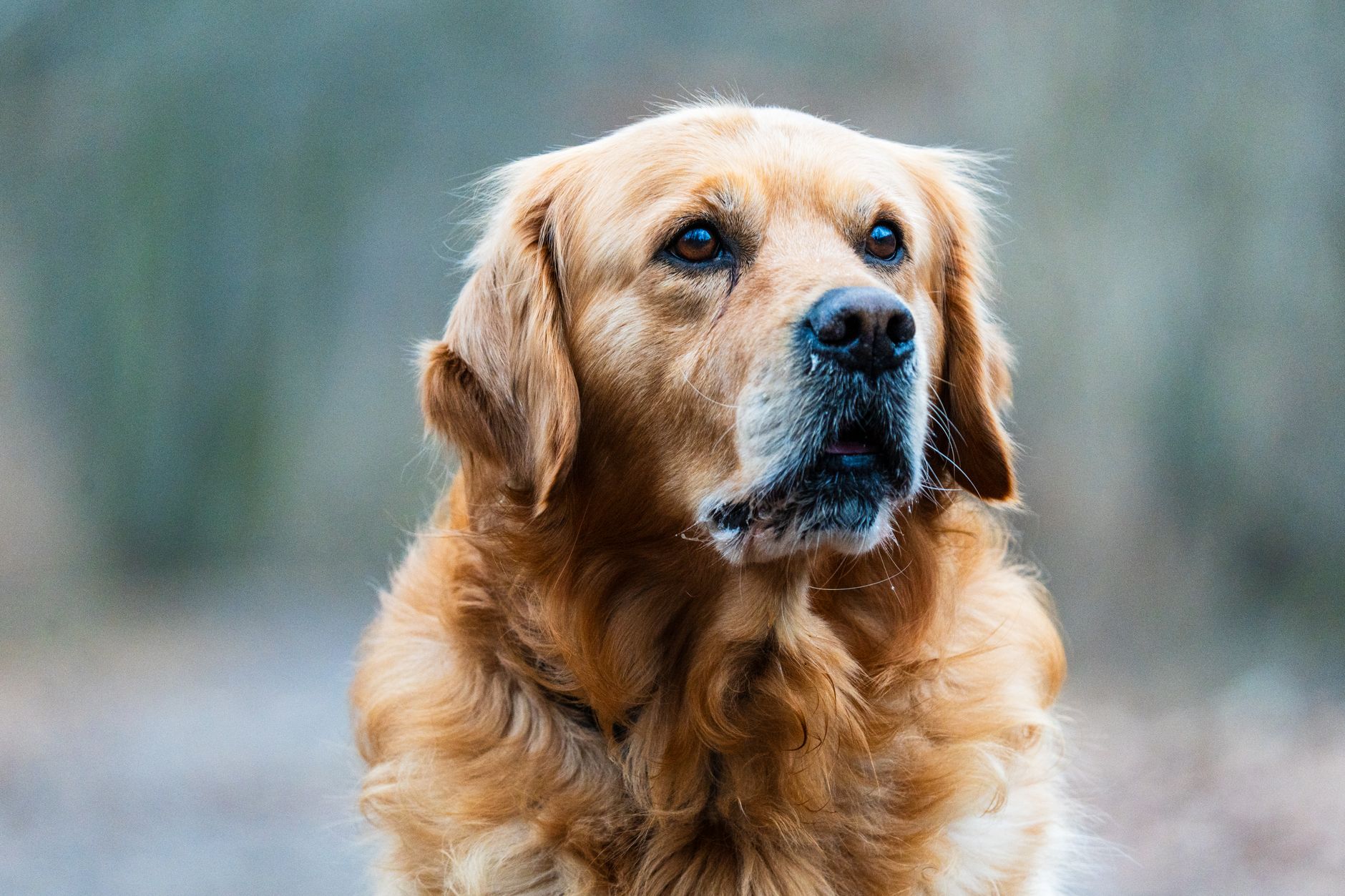
 Golden Retriever Shedding: What to Expect and How to Manage It” loading=”lazy”>
Quick Summary
Golden Retrievers possess a dense double coat that sheds moderately year-round and heavily twice a year during seasonal ‘coat blows.’ Effective management requires a combination of targeted grooming tools, proper clinical nutrition rich in Omega-3 fatty acids, and avoiding dangerous practices like shaving. Understanding the difference between normal seasonal shedding and medical hair loss is critical for maintaining your Golden’s dermatological health.
In my years treating dogs in clinical practice, I have welcomed hundreds of Golden Retrievers through my exam room doors. Their friendly eyes and beautiful, golden coats make them incredibly popular, but there is one topic every single owner asks me about eventually: the sheer volume of hair they leave behind.
Shedding is a normal, healthy biological process for this breed. However, managing it successfully requires a systematic approach rooted in veterinary science rather than internet myths.
Today, I want to share the professional strategies I prescribe to my clients to keep their homes clean and their Goldens’ skin and coats in peak condition.
Key Takeaways
- Golden Retrievers have a double coat consisting of a protective outer layer and a soft insulating undercoat.
- Major shedding events, known as ‘blowing coat,’ occur twice a year in the spring and fall due to photoperiod changes.
- Shaving a Golden Retriever ruins their natural thermoregulation and can cause permanent follicle damage.
- High-quality dietary fats, specifically EPA and DHA Omega-3 fatty acids, are clinically proven to reduce excess shedding.
- Shedding accompanied by bald patches, redness, or intense itching indicates a medical issue requiring veterinary attention.
- A high-velocity dryer is one of the most effective, underutilized tools for managing undercoat removal at home.
In This Article
- The Anatomy of the Golden Retriever Double Coat
- The Shedding Calendar: What is ‘Blowing Coat’?
- Medical vs. Normal Shedding: When to See Me
- My Essential Veterinary Grooming Toolkit
- Nutritional Strategies to Strengthen the Follicle
- The Bathing and Drying Protocol
- Why You Should Never Shave Your Golden Retriever
- Environmental Management: Keeping Your Home Sane
The Anatomy of the Golden Retriever Double Coat
To manage your dog’s shedding, you must first understand the anatomy of what you are dealing with. Golden Retrievers are a double-coated breed, meaning their fur is split into two distinct layers that serve different evolutionary purposes.
What I see most often in practice is owners treating the coat as a single entity, which leads to incorrect grooming techniques and damaged skin. The topcoat consists of longer, coarser guard hairs that repel water and shield the skin from physical debris.
The undercoat is soft, dense, and fuzzy, acting as an insulating layer to regulate body temperature in both freezing cold and extreme heat. Each hair follicle is compound, meaning a single follicle contains one primary guard hair and several smaller, softer undercoat hairs.
- Primary guard hairs: Coarse, water-resistant, and grow in a slow, continuous cycle.
- Secondary undercoat hairs: Soft, downy, and cycle rapidly to adjust to ambient temperatures.
- Sebaceous glands: Attached to each follicle, secreting natural oils that coat the guard hairs.
- Thermoregulation: The process by which the undercoat traps air to keep the dog warm in winter and cool in summer.
The Shedding Calendar: What is ‘Blowing Coat’?
While Golden Retrievers shed a moderate amount of hair every single day of the year, they experience massive shedding events twice a year. In the veterinary world, we refer to this seasonal transition as ‘blowing the coat.’
This process is primarily triggered by photoperiod changes—the amount of daylight in a day—rather than temperature changes alone. As the days lengthen in spring, the heavy winter undercoat sheds to make room for a lighter summer undercoat.
In the fall, the reverse happens: the lighter summer coat sheds to allow the thick, insulating winter undercoat to grow in. Each of these heavy shedding periods typically lasts between three to six weeks.
- Spring Blow: Occurs between March and May, releasing the thick winter undercoat.
- Fall Blow: Occurs between September and November, prepping the skin for winter coat growth.
- Daily Maintenance: Continuous, low-level shedding of older guard hairs throughout the entire year.
- Indoor Lighting Factor: Artificial indoor lighting can sometimes confuse the dog’s pineal gland, leading to constant, year-round moderate shedding.
Medical vs. Normal Shedding: When to See Me
I always tell my clients that while a house covered in golden fluff is normal, certain patterns of hair loss are highly abnormal. It is vital to distinguish between healthy seasonal shedding and clinical alopecia or skin disease.
When a dog sheds normally, the coat may look slightly thinner, but you should never see bare skin, scabs, or inflamed areas. If your Golden is losing hair in symmetrical patches, or if they are scratching and biting at their skin, we are dealing with a medical issue.
In my practice, I frequently diagnose underlying conditions that manifest as abnormal shedding, ranging from hormonal imbalances to external parasites.
- Hypothyroidism: A sluggish thyroid gland that causes dry, brittle hair, symmetrical hair loss on the flanks, and a failure to regrow shaved fur.
- Allergic Dermatitis: Food, environmental, or flea allergies that trigger intense itching, scratching, and secondary hair loss.
- Pyoderma and Hot Spots: Bacterial skin infections that cause moist, red, painful lesions and localized hair loss.
- Cushing’s Disease (Hyperadrenocorticism): An overproduction of cortisol leading to thin skin, a pot-bellied appearance, and widespread hair loss.
Diagnostic Testing in the Clinic
When a patient presents with abnormal shedding, I run a series of diagnostic tests. This typically includes a full thyroid panel, skin scrapings to look for mites, and sometimes a blood chemistry profile to check organ function.

My Essential Veterinary Grooming Toolkit
You do not need a closet full of expensive gadgets to manage Golden Retriever shedding, but you do need the right tools. Using the wrong brush can actually damage your dog’s skin or slice the primary guard hairs, ruining the coat’s integrity.
I recommend a simple, professional-grade toolkit that targets both layers of the coat safely. Regular, structured grooming sessions prevent mats from forming, which can trap moisture against the skin and lead to painful hot spots.
- Undercoat Rake: A tool with long, curved metal tines designed to slide under the topcoat and pull out loose undercoat without cutting the guard hairs.
- Slicker Brush: A flat brush with fine, wire pins ideal for daily brushing to remove minor tangles and distribute natural skin oils.
- Metal Greyhound Comb: A dual-spaced steel comb used to check your work and find hidden mats behind the ears and in the feathering.
- High-Velocity Dryer: A specialized pet dryer that blows water and loose undercoat out of the coat using air pressure rather than extreme heat.

Nutritional Strategies to Strengthen the Follicle
What goes into your dog’s body directly impacts what falls off of it. Healthy hair follicles require an immense amount of metabolic energy and specific nutrients to maintain their structure.
In fact, up to 30 percent of a dog’s daily protein intake is directed solely toward maintaining their skin and coat. If your Golden’s diet is deficient in key fatty acids or high-quality proteins, the hair follicles weaken, leading to premature shedding and a dull, dry coat.
I always review diet plans during annual exams, looking for optimal levels of essential nutrients.
- Omega-3 Fatty Acids: EPA and DHA from marine sources (like wild-caught salmon or anchovy oil) reduce cutaneous inflammation and strengthen the hair shaft.
- High-Quality Animal Protein: Look for diets listing whole meats (chicken, beef, lamb) as the first ingredients to provide essential amino acids.
- Zinc and Biotin: Crucial micronutrients that support cellular division and keratin synthesis in the hair follicle.
- Moisture Content: Proper hydration keeps the skin elastic and prevents the dryness that triggers early follicle release.
Dosing Omega-3s Safely
I recommend a therapeutic dose of approximately 100 to 150 mg of combined EPA and DHA per kilogram of body weight for dogs with dry, shedding coats. Always consult your vet before starting high-dose oil supplements to avoid gastrointestinal upset.
The Bathing and Drying Protocol
Many owners dread bathing their Golden Retrievers because the wet dog smell and subsequent clean-up can be overwhelming. However, a structured bathing routine is one of the most effective ways to control shedding during peak seasons.
To do this safely, you must use products formulated specifically for canine pH, which is much more alkaline than human skin. Washing your dog too frequently with the wrong shampoo can strip natural oils, leading to dry skin and compensatory over-shedding.
- Step 1: Perform a thorough pre-bath brush-out with an undercoat rake to remove major tangles.
- Step 2: Apply a high-quality, dilutable de-shedding shampoo containing oatmeal or aloe to soothe the skin.
- Step 3: Apply a matching conditioner and let it sit for five minutes to loosen the dead undercoat from the follicles.
- Step 4: Rinse completely with lukewarm water; leftover soap residue is a primary cause of post-bath itching.
- Step 5: Use a high-velocity dryer in an open area to blow dry the coat while brushing simultaneously to eject loose fur.

Why You Should Never Shave Your Golden Retriever
During the hot summer months, I frequently have well-meaning clients ask if they should shave their Golden Retriever to keep them cool. My answer is always an emphatic, clinical ‘no.’
Shaving a double-coated breed does not cool them down; in fact, it does the exact opposite. The undercoat acts as an insulation barrier against heat, much like the insulation in the walls of your home.
When you shave the coat, you expose their pale, sensitive skin directly to harmful ultraviolet solar rays, drastically increasing their risk of sunburn and heatstroke.
- Loss of Thermoregulation: Shaved dogs cannot regulate their body temperature efficiently in the heat.
- Sunburn Risk: Canine skin has very little melanin protection and burns easily when stripped of fur.
- Follicular Arrest: Shaving can cause the hair follicles to go into a prolonged resting state, meaning the coat may grow back patchy, coarse, or not at all.
- Insect Vulnerability: Without their protective guard hairs, shaved dogs are highly vulnerable to biting flies, mosquitoes, and ticks.
Environmental Management: Keeping Your Home Sane
Even with the best veterinary care and grooming routines, your Golden Retriever will still shed. Part of managing a Golden is accepting a certain level of hair in your living environment.
However, you can utilize clinical-grade household strategies to minimize the impact of dog hair on your indoor air quality and sanity. Reducing airborne dander and loose fur is especially important if anyone in your household suffers from allergies.
- True HEPA Filtration: Use air purifiers with medical-grade HEPA filters to capture microscopic dander and fine hairs.
- Daily Robotic Vacuuming: Program a robot vacuum with a tangle-free brush roll to run daily while you are away.
- Washable Slipcovers: Protect furniture with tightly woven, easily washable covers that do not trap pet hair.
- Humidity Control: Maintain indoor humidity between 35 and 50 percent to prevent static electricity from binding hair to carpets and clothes.
Frequently Asked Questions
How often should I brush my Golden Retriever?
For normal days, a quick five to ten-minute session with a slicker brush every other day is sufficient. During their bi-annual coat blows, you will need to brush them daily using an undercoat rake to prevent matting.
Can I use human shampoo on my Golden Retriever?
No, human skin has an acidic pH of around 5.5, while canine skin is much more neutral to alkaline, averaging 6.2 to 7.4. Using human shampoo disrupts their natural acid mantle, leading to severe dryness, irritation, and increased shedding.
At what age do Golden Retrievers start shedding heavily?
Puppies have a single, soft coat that does not shed much. They typically begin developing their adult double coat and shedding more heavily around six to eight months of age, with the full double coat maturing by age two.
Is it normal for my Golden to lose hair on their tail and ears?
No, localized hair loss on the tail, ears, or face is not typical of normal shedding. This often indicates a localized skin infection, mites, or flea allergy dermatitis and should be evaluated by a veterinarian.
Will sterilizing my Golden Retriever affect their coat?
Yes, spaying or neutering alters hormonal balances, which can cause some Goldens to develop a thicker, softer, fluffier undercoat. This is sometimes referred to as a ‘spay coat’ and may require more frequent brushing to manage.
Does swimming make Golden Retrievers shed more?
Swimming itself does not trigger shedding, but if a wet undercoat is not dried completely, the trapped moisture can cause skin maceration and hot spots. Always rinse your dog with fresh water and dry them thoroughly after a swim.
Final Thoughts
Caring for a Golden Retriever means embracing their beautiful, double-coated nature, shedding and all. By understanding the science behind their coat cycles, investing in correct grooming tools, and optimizing their nutrition with high-quality proteins and Omega-3s, you can keep shedding highly manageable.
Never resort to shaving, and always keep an eye out for signs of medical hair loss like redness or itching. With a consistent clinical approach, you can keep your dog healthy, happy, and looking their absolute best for years to come.