
Afghan Hound Breed Guide
Quick Summary
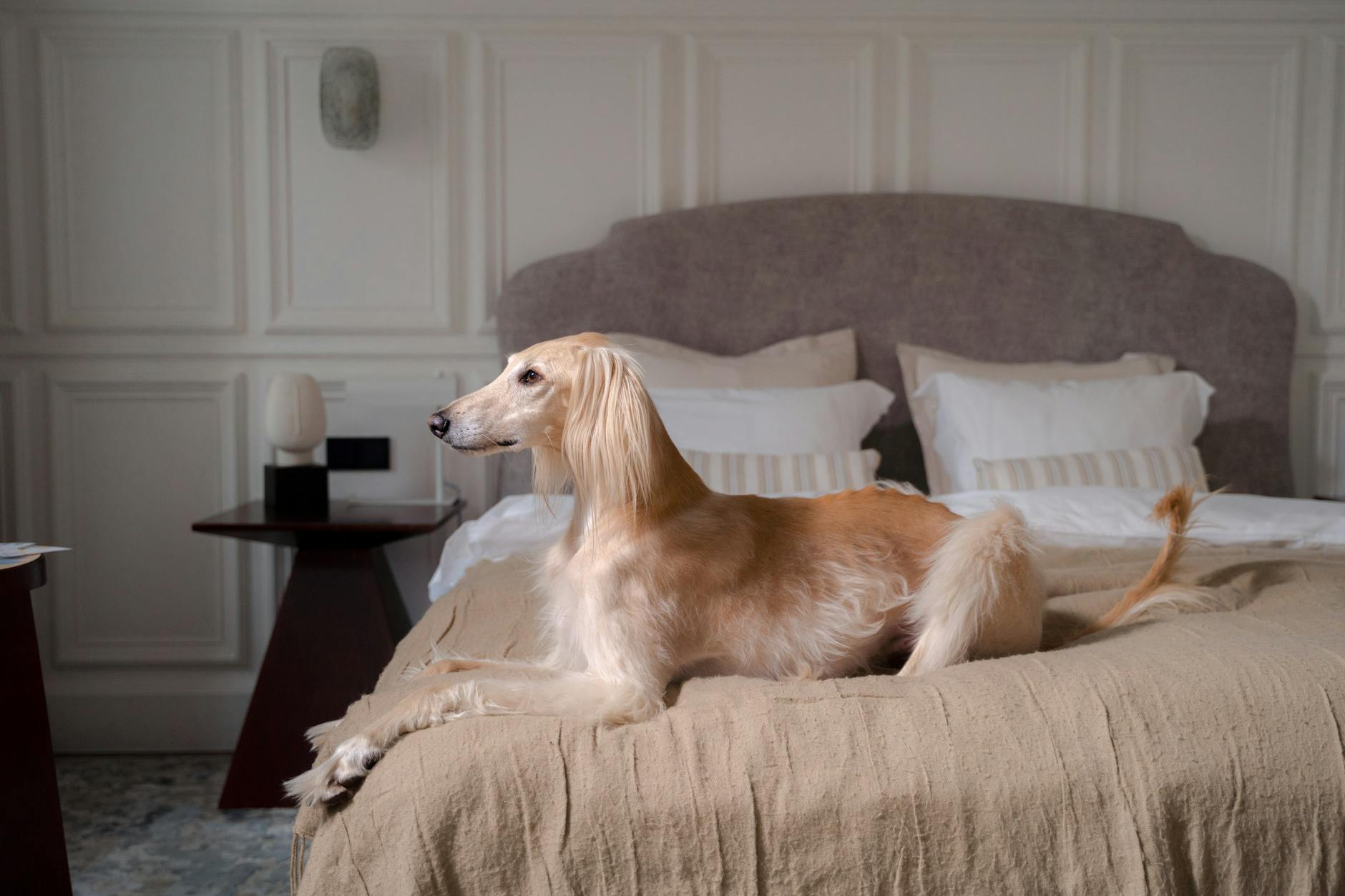
The Afghan Hound is an elegant, highly independent sighthound that pairs an aristocratic, aloof demeanor with a surprisingly clownish personality at home. Best suited for dedicated, experienced owners, this breed requires a massive commitment to intensive daily coat maintenance and an understanding of independent sighthound temperament.
Quick Facts
- origin countryAfghanistan
- breed groupHound (Sighthound)
- sizeLarge
- weight range50 to 65 pounds (23 to 29 kg)
- height range25 to 27 inches (64 to 69 cm) at the shoulder
- lifespan12 to 14 years
- coat typeLong, fine, and silky, requiring daily maintenance
- common colorsBlack, cream, red, gold, blue, domino, and brindle, often with a dark mask
- other namesTazi, Balkh Hound, Shalgar Hound
- recognized byAKC, UKC, FCI
Caring for a Afghan Hound
Living with an Afghan Hound is like sharing your home with a supermodel who has the mind of a wild cat. In my clinic, I frequently advise owners that these are not typical eager-to-please dogs; they are independent sighthounds who value their autonomy. You will spend hours each week grooming that majestic coat, and you must secure a high-fenced yard to safely accommodate their explosive sighthound speed. Daily exercise is non-negotiable, but it must be conducted in a safely enclosed area due to their incredibly strong prey drive.
Is an Afghan Hound a good family pet?
While they are incredibly loyal and affectionate with their chosen family, they are generally too aloof and sensitive for highly chaotic households with very young, rambunctious children. They do best in calmer, mature homes where their independent boundaries are respected.
Do Afghan Hounds shed a lot?
Unlike heavy-shedding double-coated breeds, Afghan Hounds actually shed very little, though their long hair can fall out in single strands much like human hair. However, because their long coat is highly prone to severe matting, any dead hair must be actively brushed out daily to prevent painful skin infections.
Is an Afghan Hound good for first-time owners?
I almost never recommend an Afghan Hound to a novice owner due to their complex grooming requirements and independent, cat-like nature. They require a subtle, highly patient approach to training and a deep understanding of sighthound instincts that beginners often find incredibly frustrating.
Temperament & Personality
The temperament of an Afghan Hound is one of the most fascinating dualities in the canine world. To strangers, they are the epitome of aristocratic aloofness, often completely ignoring people they do not know with a quiet, dignified stare. At home, however, they shed this serious persona and reveal a remarkably silly, mischievous, and almost clown-like side to their families. They are highly independent, sensitive to tension in the home, and possess a fierce prey drive that is deeply hardwired into their DNA.
Is an Afghan Hound good with other pets?
They can coexist peacefully with other large dogs, but their intense prey drive makes them highly dangerous to cats, rabbits, and other small pets. In my practice, I have treated several heartbreaking cases where a sighthound’s predatory chase instinct was suddenly triggered indoors.
How much attention does an Afghan Hound need?
They do not demand constant physical attention like a Golden Retriever, but they require a massive amount of functional attention in the form of grooming and structured exercise. They are content to lounge independently in a room near you, but they will not tolerate being relegated to an outdoor kennel or ignored.
Training & Behavior
Training an Afghan Hound is an exercise in profound patience and creative motivation. They do not possess the innate desire to please humans that working breeds do, and they will openly ignore commands if they find them boring or repetitive. In my experience, positive reinforcement using exceptionally high-value treats is the only method that yields results; harsh corrections will cause them to completely shut down.
Training Tips
- Use exceptionally high-value, smelly treats like liver or chicken rather than standard kibble.
- Keep training sessions very short—no more than 5 to 10 minutes—to prevent boredom.
- Never use physical corrections or raising your voice, as this sensitive breed will withdraw.
- Incorporate lure coursing and recall games in fully secured, double-fenced areas.
- Begin socialization within the first 12 weeks of life to prevent extreme shyness or aloofness.
Fun Activities
- Lure coursing events
- Agility training adapted for sighthounds
- Freestyle lure running in safe, high-fenced paddocks
- Scent work to stimulate their active minds
Is an Afghan Hound easy to train?
No, they are widely considered one of the most challenging breeds to train because of their independent sighthound nature. They understand what you want, but they will actively decide whether or not to comply based on what is in it for them.
Afghan Hound Health Issues
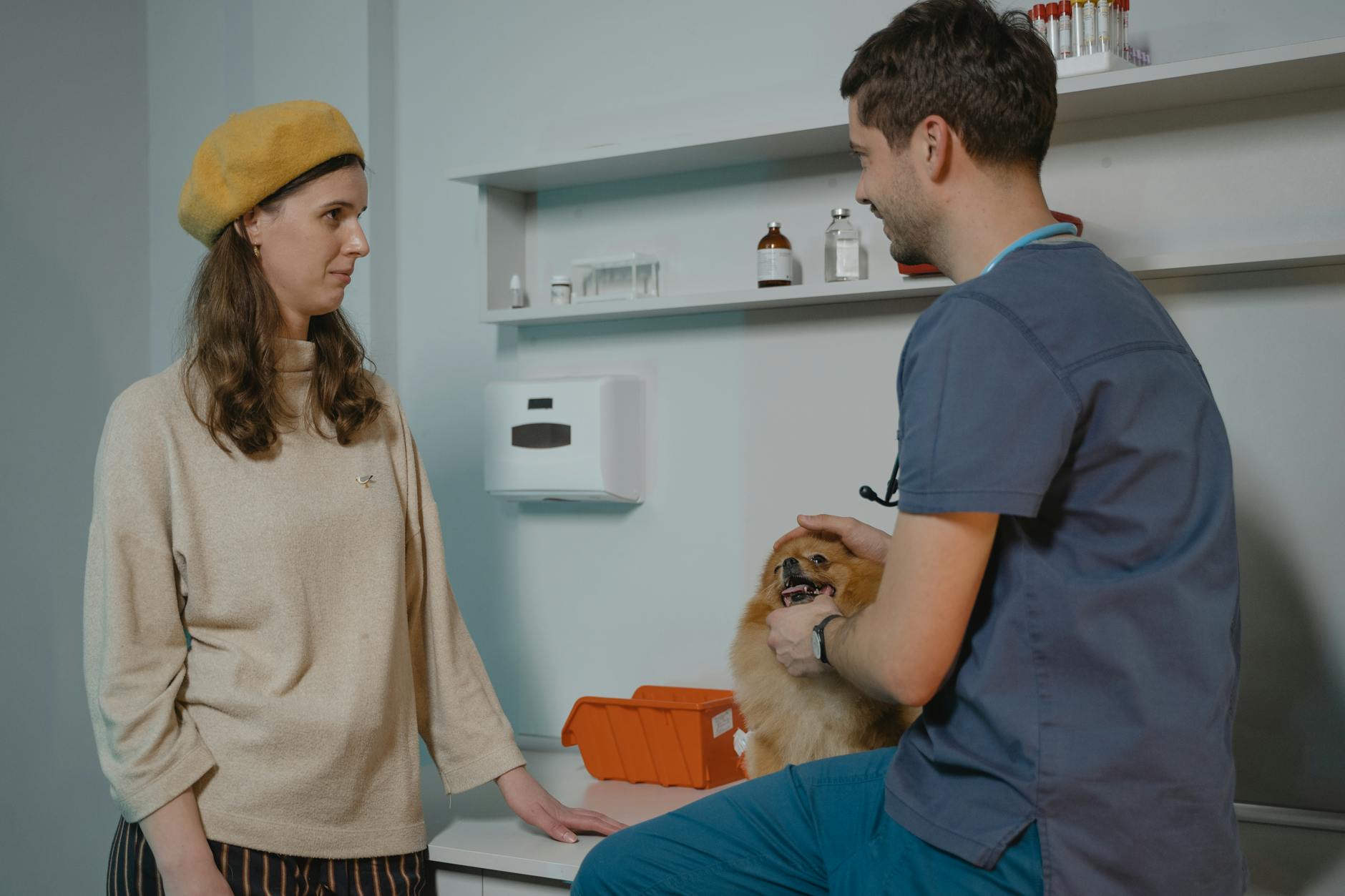
As a veterinarian, I generally view Afghan Hounds as a structurally athletic and robust breed, but they do have distinct genetic vulnerabilities. Prospective owners must be particularly aware of sighthound-specific medical quirks, especially regarding safe anesthesia administration and deep-chest conformations.
Anesthesia Sensitivity
Due to their highly unique physiology, particularly their exceptionally low body fat percentage and unique liver metabolism, Afghan Hounds process anesthetics and sedatives much more slowly than other breeds. This can easily lead to accidental overdosing if the veterinarian does not use a customized, sighthound-safe anesthetic protocol.
Chylothorax
This is a serious, relatively rare condition that is unfortunately overrepresented in Afghan Hounds, where lymphatic fluid (chyle) leaks into the chest cavity, compressing the lungs and making it incredibly difficult to breathe.
Gastric Dilatation-Volvulus (GDV / Bloat)
Their deep, narrow chest cavities put them at high risk for bloat, a life-threatening emergency where the stomach fills with gas and twists on its axis, cutting off blood supply.
Juvenile Cataracts
An inherited ophthalmic condition that can develop as early as one to three years of age, leading to progressive vision loss and potential blindness if left untreated.
Laryngeal Paralysis
A neurological condition where the cartilages of the larynx do not open properly during inhalation, restricting airflow and causing severe respiratory distress, particularly in older dogs.
How long do Afghan Hounds typically live?
With optimal veterinary care, high-quality nutrition, and proper joint management, Afghan Hounds typically live between 12 and 14 years. This is a remarkably long and healthy lifespan for a dog of their physical size.
What to Feed a Afghan Hound
Afghan Hounds are athletes with highly efficient sighthound metabolisms, meaning they require premium nutrition without excess carbohydrates. In my clinic, I stress the importance of keeping them lean; their hip bones should be slightly visible, which is normal and healthy for this breed’s skeletal design.
Best Diet
A high-quality, large-breed adult formula rich in animal-sourced proteins and essential fatty acids like Omega-3 and Omega-6 is vital to support their luxurious coat. Because of their risk for bloat, I advise avoiding grain-free diets that rely heavily on legumes until more research on DCM is finalized.
How to Feed
Always split their daily food allowance into at least two, preferably three, smaller meals. It is critical to restrict vigorous exercise, running, or playing for at least one hour before and two hours after eating to minimize the risk of gastric torsion.
How Much to Feed
Generally, active adult Afghan Hounds require between 2 to 3.5 cups of premium dry food daily, but this varies wildly based on age and metabolic rate. Consult your veterinarian for precise caloric calculations based on your dog’s body condition score.
Nutritional Tips
Adding wild-caught salmon oil or specialized zinc supplements to their diet can significantly enhance skin barrier health and keep their long coat silky. Always ensure they have access to clean, fresh water, and consider using a snood during mealtime to keep their long ears out of the food bowl.
Afghan Hound Grooming Guide
I always tell prospective owners that grooming an Afghan Hound is essentially a part-time job. Expect to spend at least 4 to 6 hours every single week maintaining their magnificent coat to prevent painful skin lesions.
Coat Care
You must never brush a dry Afghan coat, as this breaks the fine, silky hair; always mist it with a leave-in conditioner first. Use a high-quality pin brush and a metal comb to work through mats systematically from the skin outward, bathing them weekly with specialized, soap-free canine shampoo.
Skin Care
Because their skin is completely hidden under a dense curtain of hair, you must carefully run your hands over their entire body weekly to check for hot spots, ticks, or hidden dermatitis. Keep their skin moisturized with specialized coat oils during dry winter months.
Eye Care
Wipe the corners of their eyes daily with a damp, sterile cotton ball to prevent staining and irritation from hair contact.
Ear Care
Their long, heavily feathered drop ears trap moisture easily, creating a perfect breeding ground for yeast and bacterial otitis; clean them weekly with a vet-approved drying solution.
Nail & Dental Care
Trim their nails every two to three weeks to prevent splay-foot issues, and brush their teeth daily with enzymatic canine toothpaste to halt periodontal disease.
Considerations for Pet Parents
Pros
- Stunning, aristocratic, and uniquely beautiful appearance
- Intensely loyal and affectionate with their immediate family
- Typically very quiet indoors and rarely bark without reason
- Superb athletes making excellent lure coursing companions
- Shed much less dander than many other large breeds
Cons
- Extremely demanding, daily professional-level grooming requirements
- Intense prey drive makes them unsafe around small animals
- Highly independent nature makes formal obedience training difficult
- Very sensitive to chemical sedation and standard veterinary anesthetics
Best For
An experienced dog owner who appreciates a cat-like, independent canine personality and has both the financial resources and hours of free time required for professional-level grooming and secure exercise.
Not Recommended For
Busy families with young children, homes with cats or small pocket pets, or busy professionals who cannot dedicate at least one to two hours daily to grooming and sighthound-specific exercise.
Cost
- purchase price$2,000 to $4,500 from a reputable, health-testing breeder
- monthly cost$250 to $400, primarily driven by professional grooming, premium diet, and sighthound-appropriate gear
- initial setupBudget at least $1,500 for high-quality grooming tables, high-velocity blow dryers, snoods, heavy-duty sighthound collars (martingales), and secure yard fencing.
Similar Breeds

Saluki

Borzoi
Afghan Hound FAQs
Why do Afghan Hounds need a snood?
A snood is a fabric tube worn over the head to keep their long, silky ear feathers out of their food and water bowls during mealtime. This prevents the hair from getting wet, dirty, or chewed on, which can lead to severe matting and yeast infections in the ears.
Can Afghan Hounds be let off-leash in open areas?
Absolutely not. As sighthounds, their instinct to chase moving objects is incredibly strong, and they can reach speeds of up to 40 mph in seconds. Once they bolt, they develop tunnel vision and will entirely ignore your recalls, putting them at extreme risk of being hit by cars.
Why are Afghan Hounds so sensitive to anesthesia?
Sighthounds have an exceptionally low body fat percentage, which means fat-soluble anesthetics remain in their bloodstream at high levels rather than being safely absorbed by fat tissue. Additionally, their livers process drugs differently, requiring veterinarians to use specialized protocols.
How often should I bathe my Afghan Hound?
In my practice, I recommend bathing an Afghan Hound every 7 to 10 days. Frequent bathing with high-quality, conditioning shampoo is actually necessary to keep their fine hair clean and free of the dirt and static electricity that causes severe matting.
What is a domino Afghan Hound?
Domino refers to a specific genetic coat pattern unique to the breed, characterized by a light-colored face mask with darker widow’s peak and body highlights. It is named after a famous 1950s champion show dog named Tanjore Domino who exhibited this striking pattern.
Do Afghan Hounds smell bad?
Actually, they are a remarkably clean breed that lacks the typical doggy odor found in oilier, double-coated breeds like Retrievers. If your Afghan Hound smells bad, it is usually a sign of a hidden skin infection, wet matting, or an ear infection that requires immediate veterinary attention.
Are Afghan Hounds hypoallergenic?
While no dog is truly 100% hypoallergenic, Afghan Hounds are often tolerated better by allergy sufferers because they shed very little dander and hair. However, their long coats can act like a broom, bringing in environmental allergens like pollen and dust from outdoors.
What is the saddle on an Afghan Hound?
The saddle is the short, close-lying hair along the back of a mature Afghan Hound, which contrasts beautifully with the long, silky hair on their flanks and legs. This short saddle hair develops naturally as the puppy coat transitions to an adult coat around 18 months of age.
How tall of a fence do I need for an Afghan Hound?
You need a secure fence that is at least 6 feet tall. Afghan Hounds are incredibly athletic jumpers and can easily clear a standard 4-foot fence if they spot a squirrel, rabbit, or neighbor’s cat on the other side.
Can Afghan Hounds live in an apartment?
They can adapt to apartment living surprisingly well, provided they get daily, vigorous exercise in a safely fenced area. Indoors, they are famously quiet, calm couch potatoes who spend much of their day sleeping peacefully.
Why does my Afghan Hound look so thin?
Sighthounds are naturally dolichomorphic, meaning they have long limbs and very low body fat. In my clinic, I reassure owners that seeing the outline of the hip bones and ribs slightly is perfectly normal; overfeeding them to look plump damages their joints.
What is the ring tail on an Afghan Hound?
The ring tail is a classic breed characteristic where the very end of the tail curls into a complete or semi-complete ring. This tail is carried high when they are excited and helps identify them in their native mountainous terrains.
Do Afghan Hounds get cold easily?
Yes, despite their long coat, they have almost no body fat to insulate them against cold temperatures. In freezing weather, I advise putting a fleece coat on your Afghan Hound during walks to prevent shivering and hypothermia.
Can I shave my Afghan Hound’s coat to make it easier to manage?
While you can technically clip them short, I strongly advise against it unless medically necessary. Shaving alters the coat’s natural texture, ruins the protective insulating barrier against both heat and cold, and often results in a fuzzy, difficult-to-manage undercoat.