
Lykoi Breed Guide
Quick Summary
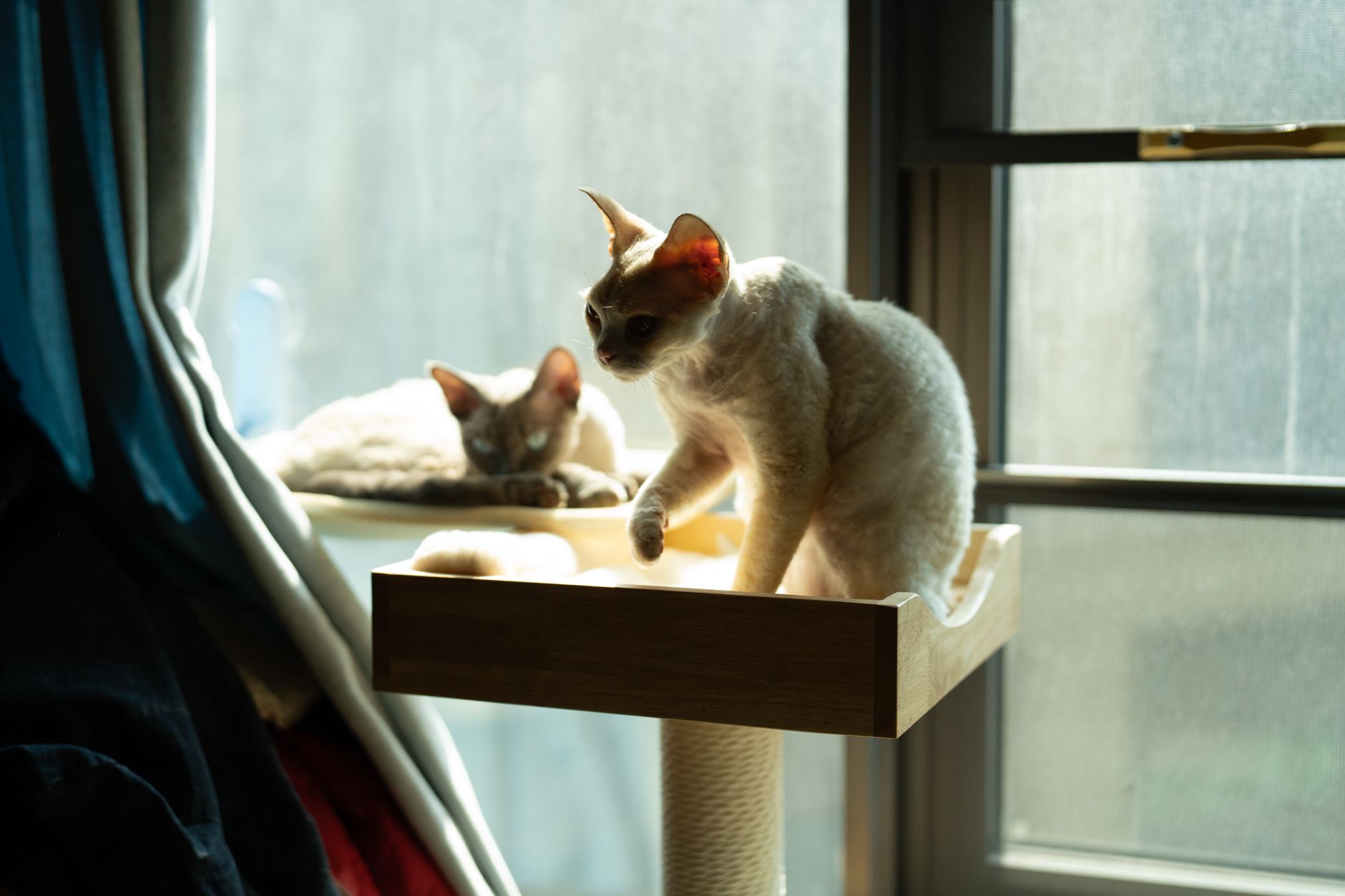
The Lykoi is a striking, partially hairless breed known for its distinctive ‘werewolf’ appearance, high intelligence, and dog-like playfulness. Best suited for active, dedicated owners who can manage their unique skin care and high energy, they are incredibly affectionate and loyal companions.
Quick Facts
- origin countryUnited States
- breed groupMutation
- sizeMedium
- weight range6 – 12 lbs (2.7 – 5.4 kg)
- height range8 – 10 inches (20 – 25 cm)
- lifespan12 – 15 years
- coat typePartially hairless, roan pattern, lacking an undercoat
- common colorsBlack Roan (most common and recognized standard), Blue Roan, Red Roan
- other namesWerewolf Cat, Wolf Cat
- recognized byTICA, CFA (Provisional)
Caring for a Lykoi
Living with a Lykoi is an active, highly engaging experience that resembles sharing your home with a small, inquisitive scent hound. In my years treating this breed, I have found that their lack of an undercoat and their unique skin chemistry require consistent, hands-on maintenance that differs significantly from standard feline care. They will undergo dramatic shedding cycles where they go almost completely bald, requiring owners to adapt to their shifting grooming and thermal needs. Expect to spend ample time on cognitive enrichment, interactive play, and weekly skin hygiene routines to keep them healthy.
Is a Lykoi a good family pet?
Yes, their highly social and playful nature makes them excellent family pets for households with active older children. However, because of their delicate skin and high prey drive, supervision around toddlers and small pocket pets is strongly recommended.
Do Lykois shed a lot?
Yes, but not in the traditional way. They experience dramatic seasonal molts where they can shed their entire coat, leaving them temporarily bald before growing a new roan coat. During these transitions, dander and loose hairs can accumulate quickly.
Is a Lykoi good for first-time owners?
I generally do not recommend them for first-time owners because of their high-maintenance skin care, susceptibility to temperature extremes, and demanding exercise requirements. They thrive best with owners who understand feline behavior and dermatological hygiene.
Temperament & Personality
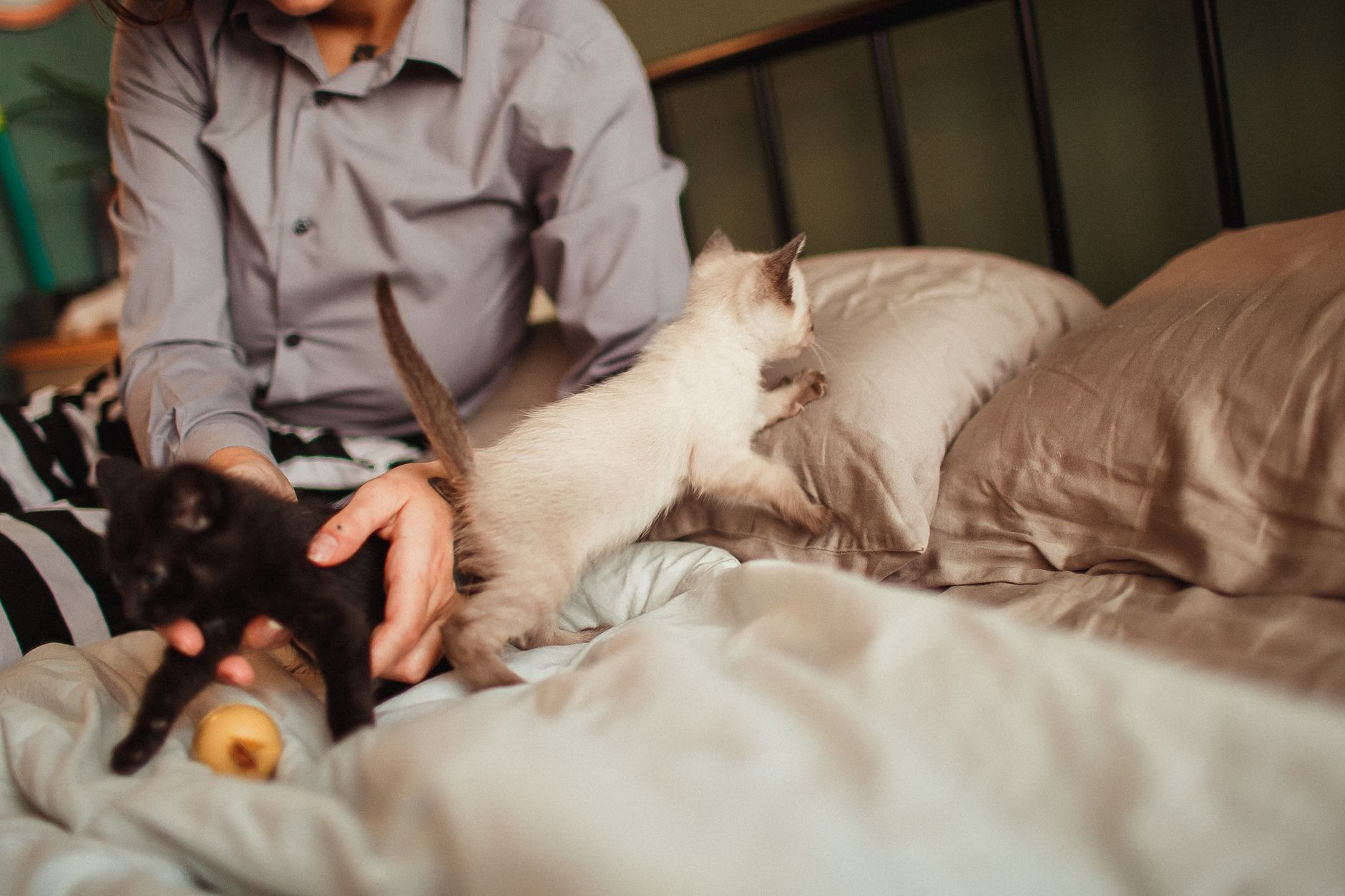
The Lykoi possesses an incredibly active, loyal, and task-oriented temperament. Often described as ‘dog-like,’ they love to retrieve toys, learn tricks, and follow their favorite humans from room to room to inspect daily activities. While they form intense bonds with their immediate families, they often display a cautious, hound-like watchfulness when meeting strangers, taking their time to assess new situations. Once comfortable, they are intensely affectionate, seeking out warm laps and under-the-covers snuggles.
Is a Lykoi good with other pets?
They generally cohabitate wonderfully with other active cats and cat-friendly dogs, often thriving on the companionship. However, due to their exceptionally strong, natural hunting instincts, they should not be trusted around birds, rodents, or reptiles.
How much attention does a Lykoi need?
They require a significant amount of daily interaction and mental stimulation. If left alone for long periods without puzzles or companions, they can become highly stressed and develop unwanted behavioral issues like destructive scratching or excessive grooming.
Training & Behavior
Lykois are exceptionally bright and eager to learn, making them one of the most trainable feline breeds I see in my clinical practice. They respond beautifully to positive reinforcement techniques and clicker training, often mastering basic dog-like commands in just a few sessions. Because of their active minds and high drive, keeping their brains occupied with structured activities is vital to preventing boredom-induced mischief.
Training Tips
- Use high-value, veterinary-approved treats to reward desired behaviors.
- Keep training sessions short, frequent, and highly engaging (3-5 minutes).
- Introduce a clicker early on to mark precise behaviors like ‘sit’ and ‘fetch’.
- Establish clear boundaries early to redirect their intense hunting instincts away from hands and feet.
Fun Activities
- Interactive food puzzles and kibble-dispensing toys
- Agility courses designed for small pets
- Playing fetch with lightweight, soft toys
- Clicker training for commands like ‘target’ and ‘high-five’
- Leash training with a secure, H-style harness for safe outdoor sniffing
Is a Lykoi easy to train?
Yes, their high intelligence and food motivation make them remarkably easy to train. They excel at learning tricks, leash walking, and puzzle-solving when trained with patience and positive reinforcement.
Lykoi Health Issues
Overall, the Lykoi is a relatively robust and healthy breed, stemming from a naturally occurring genetic mutation rather than artificial, health-compromised breeding programs. However, their unique physical traits leave them highly susceptible to dermatological issues and environmental sensitivities that owners must carefully monitor.
Sebaceous Dermatitis and Oil Buildup
Because Lykois lack a full double coat to absorb their natural skin oils, excess sebum accumulates on their skin and around their claws, leading to greasy residue, blocked pores, and secondary yeast infections.
Hypotrichia-related Thermal Instability
Their sparse coat (hypotrichia) means they lack the necessary insulation to regulate body temperature effectively, making them highly susceptible to both hypothermia in cold weather and sunburn in sunny windows.
Periodontal Disease
Like many active, medium-sized breeds, Lykois are prone to early-onset dental plaque accumulation, which can progress rapidly to gingivitis and periodontal bone loss if left untreated.
Feline Malassezia (Yeast) Overgrowth
The accumulation of skin oils creates an ideal breeding ground for Malassezia yeast, particularly in the ears, nail beds, and skin folds of the face.
How long do Lykois typically live?
With proper indoor care, a balanced diet, and routine veterinary checkups, Lykois typically enjoy a healthy lifespan of 12 to 15 years, which is consistent with most domestic feline breeds.
What to Feed a Lykoi
Due to their exceptionally high metabolic rate and energy levels, Lykois require a nutrient-dense diet to sustain their active lifestyles. In my clinic, I emphasize that their unique skin requires high levels of essential fatty acids to maintain its protective barrier.
Best Diet
An ultra-premium, high-protein diet rich in Omega-3 and Omega-6 fatty acids is ideal. Incorporating wet food is highly beneficial to support optimal hydration, which in turn promotes healthy skin elasticity and kidney function.
How to Feed
I recommend feeding adult Lykois twice daily using a scheduled feeding routine to prevent obesity, while utilizing puzzle feeders to satisfy their active minds. Free-feeding dry kibble can easily lead to overeating and excessive weight gain.
How Much to Feed
Portion sizes must be customized based on age, weight, and activity level. As a general starting point, an active 10-pound Lykoi may require around 250 to 300 calories daily, but owners should consult their veterinarian for a precise caloric plan.
Nutritional Tips
Incorporate high-quality wild-caught salmon oil or marine lipid supplements under veterinary guidance to optimize skin barrier health and minimize inflammatory skin conditions.
Lykoi Grooming Guide
Grooming a Lykoi is vastly different from grooming a standard domestic cat. Rather than focusing on brushing away loose fur, your primary goal will be managing skin oils, protecting hair follicles, and keeping their delicate skin clean.
Coat Care
During their heavy shedding phases, use a soft chamois cloth or a very soft-bristled brush to gently remove loose hairs. Never use harsh de-shedding tools, as these can easily scrape and damage their exposed skin.
Skin Care
To prevent painful sebaceous buildup, bathe your Lykoi every 2 to 4 weeks using a mild, veterinary-approved, soap-free cat shampoo. Between baths, gently wipe down their skin folds with unscented, hypoallergenic pet wipes.
Eye Care
Gently wipe the corners of their eyes daily with a damp, warm cotton ball, as they lack protective eyelashes and can accumulate dust and discharge.
Ear Care
Inspect their ears weekly. Because they lack internal ear canal hair, they accumulate wax and oil rapidly; clean them using a vet-recommended, alcohol-free ear cleanser.
Nail & Dental Care
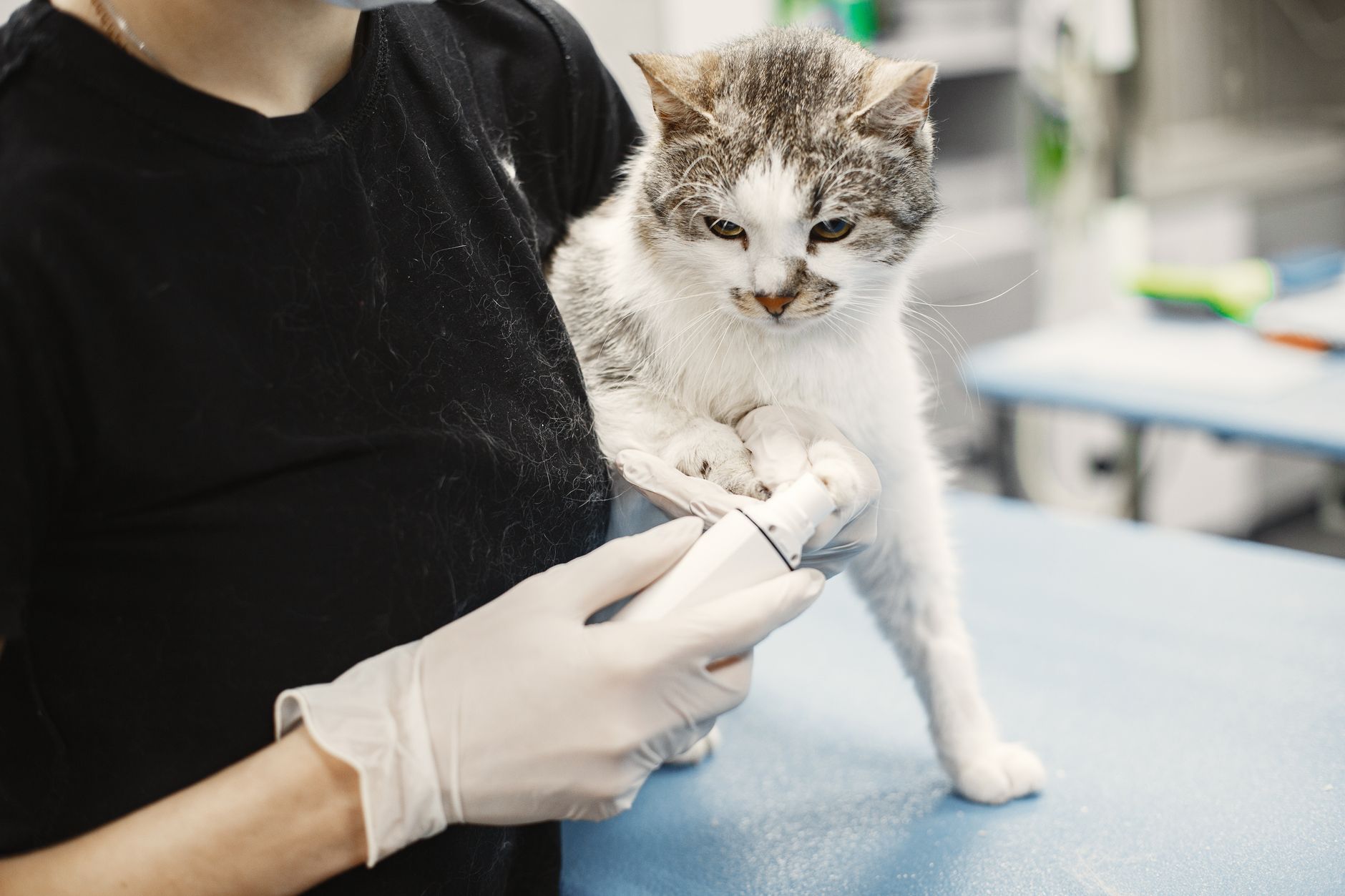
Trim their nails every two weeks and gently wipe away the greasy black sebum that pools in their nail sheaths. Brush their teeth at least three times a week with veterinary enzymatic toothpaste to combat plaque.
Considerations for Pet Parents
Pros
- Incredibly unique and striking ‘werewolf’ appearance
- Highly intelligent, easily trainable, and capable of learning tricks
- Affectionate, dog-like loyalty and deep bonding with owners
- Enthusiastic companion for play, fetch, and interactive games
- Generally robust and healthy with minimal genetic diseases
- Thrives in multi-pet households when properly socialized
Cons
- High-maintenance skin care and bathing requirements
- Very high energy levels that require daily mental stimulation
- Prone to heavy, dramatic shedding and bald spells
- Extremely sensitive to both extreme cold and sunburn
- Strong prey drive makes them unsuitable for homes with small pocket pets
Best For
Active households, families with older children, or experienced owners who can commit to a strict routine of bathing, skin care, and environmental enrichment.
Not Recommended For
Busy individuals who are away from home for long stretches, homes with small loose pets (like hamsters or birds), or anyone seeking a low-maintenance, hypoallergenic lap cat.
Cost
- purchase price$1,500 – $3,000 USD
- monthly cost$80 – $150 USD
- initial setupInitial setup costs include high-quality heated cat beds, specialized grooming wipes, veterinary-approved ear cleaners, a secure harness, and puzzle toys, totaling roughly $300 to $500.
Similar Breeds

Lykoi FAQs
Are Lykoi cats hypoallergenic?
No, Lykois are not hypoallergenic. They still produce the Fel d 1 protein in their saliva and skin oils, and because they experience intense shedding cycles, they can spread dander and allergens throughout your home.
Why does my Lykoi cat lose its hair?
Their hair loss is caused by a natural genetic mutation that prevents their hair follicles from having enough components to sustain a permanent coat. This results in periodic ‘molting’ phases where they may lose almost all their hair before it regrows.
Do Lykoi cats smell?
If they are not bathed regularly, Lykois can develop a distinct, slightly sweet or yeasty odor. This is caused by the accumulation of natural sebaceous oils on their skin, which can be easily managed with a consistent bathing routine.
Can Lykoi cats go outside?
In my clinical opinion, Lykois should be kept strictly indoors. Lacking a protective double coat, they are highly vulnerable to sunburn, skin cancer, hypothermia, and insect bites.
Why are my Lykoi’s nails and paws greasy?
Because they lack fur to absorb natural skin secretions, sebum pools around their nail beds and paw pads. This is completely normal for the breed but requires weekly wiping to prevent bacterial or yeast infections.
How often should I bathe a Lykoi cat?
I recommend bathing a Lykoi every 2 to 4 weeks using a gentle, soap-free cat shampoo. Bathing too frequently can dry out their skin, while bathing too infrequently leads to greasy buildup and blocked pores.
Do Lykoi cats get cold easily?
Yes, they lack a thermal undercoat and are highly sensitive to drafts and cold ambient temperatures. Providing them with heated pet beds, warm blankets, and cat sweaters during winter is highly recommended.
What does a Lykoi’s coat feel like?
Despite their rough, bristle-like appearance, their roan coat is actually surprisingly soft and silky to the touch, often feeling like a very soft wool or plush velvet.
Do Lykoi cats have eyelashes or whiskers?
Many Lykois lack whiskers and eyelashes entirely, or have very short, sparse, and curly ones. This is a normal genetic trait of the breed and contributes to their distinctive ‘werewolf’ facial mask.
What is the ‘roan’ color pattern in Lykoi cats?
The roan pattern consists of solid-colored hairs (typically black) interspersed with white hairs. This pattern is common in horses and dogs but is entirely unique to the Lykoi in the feline world.
Do Lykoi cats have a high prey drive?
Yes, they have an exceptionally high prey drive. They behave much like working hounds, spending hours actively tracking, stalking, and pouncing on toys, and should not be trusted around small, non-feline pets.
Can I use human sunscreen on my Lykoi?
No, you must never use human sunscreen on a cat, as many ingredients (such as zinc oxide and salicylates) are highly toxic to felines. If sun exposure is unavoidable, use only vet-approved, cat-safe sunscreens.
Are Lykois vocal cats?
They are moderately vocal, but they are not loud screamers. They tend to communicate using soft, pleasant chirps, trills, and quiet chatters, especially when they are excited about a toy or food.
How do Lykois behave around dogs?
When introduced properly, Lykois typically get along fantastic with dogs. Their high-energy, confident, and playful nature makes them excellent playmates for friendly, cat-respectful canines.
Why is the skin around my Lykoi’s eyes and muzzle bald?
This hairless ‘mask’ around the eyes, nose, muzzle, and ears is the signature physical trait of the Lykoi. It is caused by the genetic mutation affecting their hair follicles and is a defining characteristic of the breed.