
Belgian Sheepdog Breed Guide
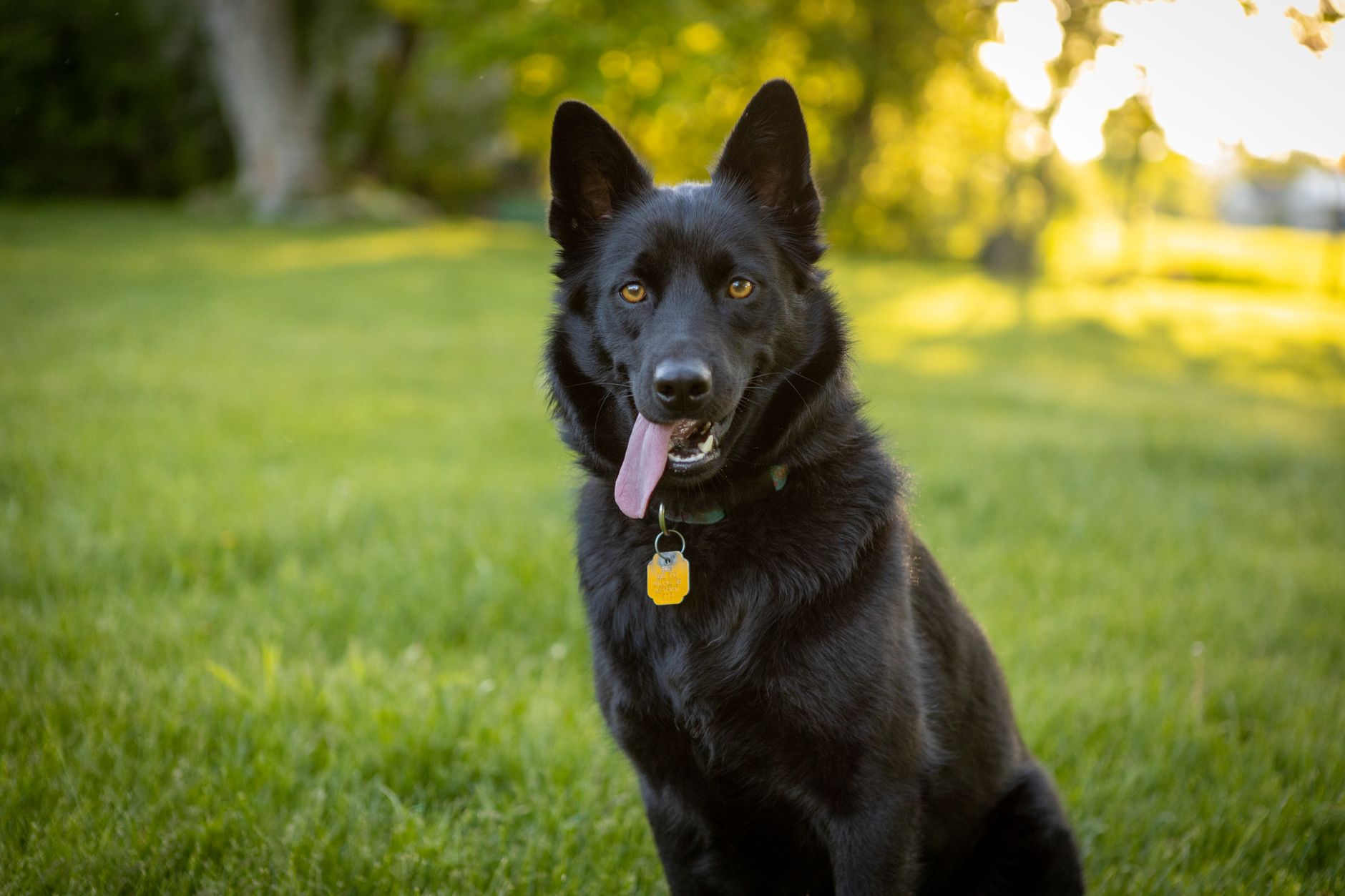
Quick Summary
The Belgian Sheepdog (Groenendael) is an incredibly intelligent, high-energy herder that thrives on close human companionship and structured work. In my clinical experience, they are best suited for experienced, active owners who can dedicate significant time to their demanding physical and mental stimulation needs.
Quick Facts
- origin countryBelgium
- breed groupHerding
- sizeLarge
- weight range45 – 75 lbs (20 – 34 kg)
- height range22 – 26 inches (56 – 66 cm)
- lifespan12 – 14 years
- coat typeLong, abundant, double coat
- common colorsSolid black (minimal white markings on chest and toes accepted)
- other namesGroenendael, Belgian Shepherd
- recognized byAKC, UKC, FCI
Caring for a Belgian Sheepdog
Living with a Belgian Sheepdog is like sharing your home with a brilliant, high-octane shadow. In my years treating this breed, I have found that they require a minimum of 90 minutes of vigorous daily exercise paired with intensive mental tasks to prevent destructive behaviors. They are deeply sensitive animals that bond intensely with their handlers, meaning they do not tolerate being relegated to the backyard. Expect a lifestyle commitment that includes advanced training, daily coat maintenance, and constant companionship.
Is a Belgian Sheepdog a good family pet?
Yes, but primarily for active families with older children who understand how to interact with a high-drive dog. Their herding instincts can prompt them to heel-nip younger, fast-moving children, which requires careful management and consistent training.
Do Belgian Sheepdogs shed a lot?
Yes, they are moderate year-round shedders and heavy seasonal blowers. Twice a year, they will drop their dense undercoat in massive clumps, requiring daily brushing and a high-velocity blow dryer to manage.
Is a Belgian Sheepdog good for first-time owners?
I strongly advise against this breed for novices. Their combination of extreme intelligence, high sensitivity, and protective instincts requires an experienced handler who can establish fair, consistent boundaries without using harsh corrections.
Temperament & Personality
The Belgian Sheepdog is renowned for its extreme alertness, loyalty, and protective nature. They are highly responsive to their environment, scanning continuously for changes, which can sometimes translate into wariness around strangers. In my practice, I notice they have an almost telepathic connection with their owners, reacting instantly to subtle shifts in human emotion and body language.
Is a Belgian Sheepdog good with other pets?
They can coexist peacefully with other household pets if raised with them from early puppyhood. However, their strong chase instincts mean they may pursue outdoor cats, small animals, or unfamiliar dogs.
How much attention does a Belgian Sheepdog need?
They require an immense amount of daily interaction and do not cope well with long periods of isolation. If left alone for hours, they frequently develop severe separation anxiety and self-destructive habits.
Training & Behavior
Their trainability is legendary, but their intelligence is a double-edged sword. A Belgian Sheepdog learns commands within a few repetitions, but they will quickly invent their own rules if they find your training repetitive or unstimulating. Because they are highly sensitive, harsh training methods will destroy their trust and trigger defensive reactivity.
Training Tips
- Use positive reinforcement and high-value rewards like toys and meat treats
- Keep training sessions brief, dynamic, and mentally challenging
- Prioritize socialization with novel people, sights, and sounds before 16 weeks
- Establish soft but firm boundaries to prevent herding behaviors inside the home
- Incorporate impulse-control exercises like ‘stay’ and ‘settle’ from day one
Fun Activities
- Agility trials
- Competitive herding
- Schutzhund / IGP
- Scent work and tracking
- Flyball
- Advanced trick training
Is a Belgian Sheepdog easy to train?
They are highly capable of learning complex tasks, but their high drive requires skilled handling. An owner must be proactive in directing their focus, making them ‘trainable’ but not necessarily ‘easy’ for a beginner.
Belgian Sheepdog Health Issues
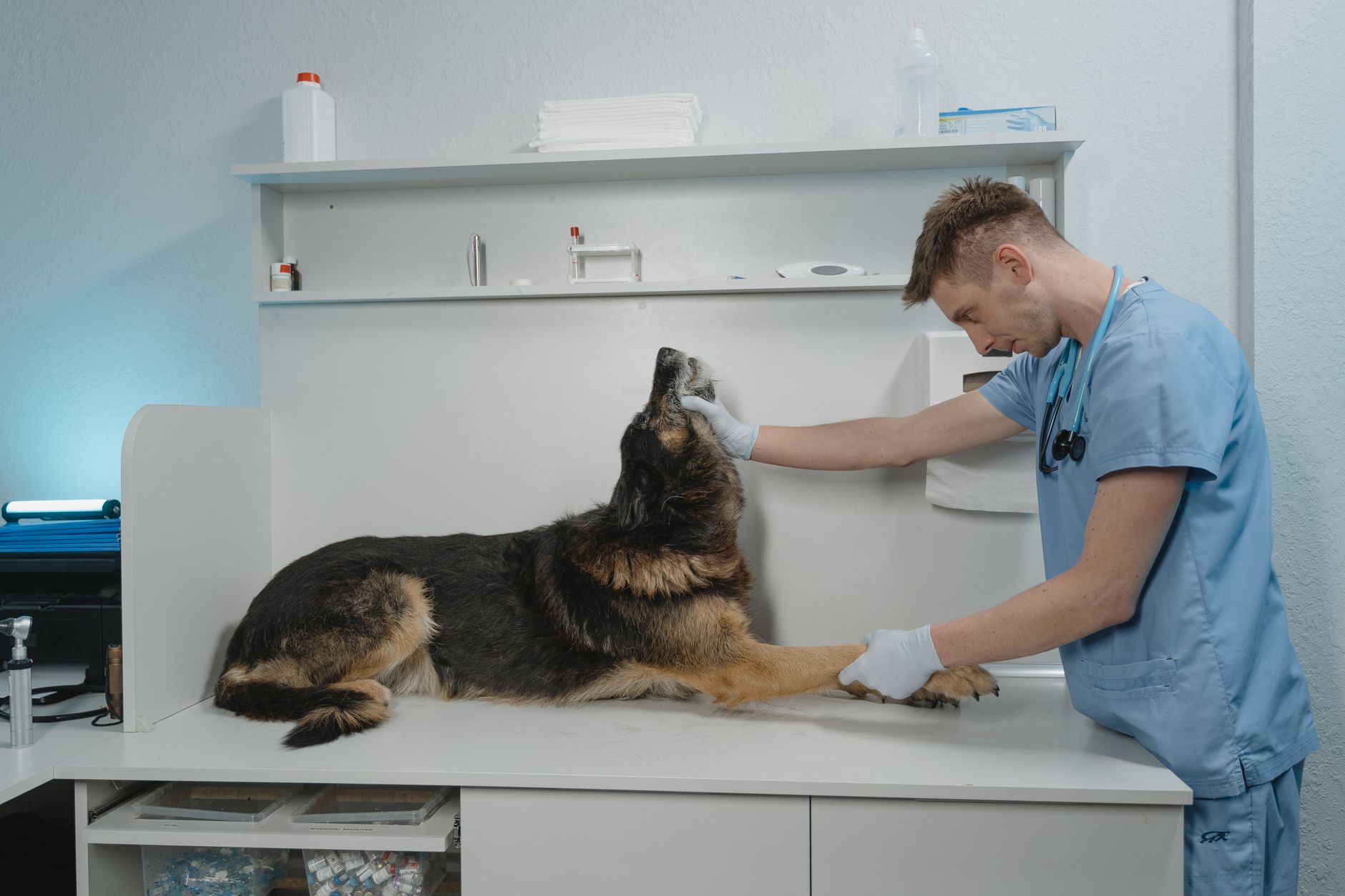
As a veterinarian, I consider the Belgian Sheepdog a relatively robust and athletic breed. However, like many purebred working dogs, they are genetically predisposed to several serious conditions that prospective owners must monitor closely.
Idiopathic Epilepsy
An inherited neurological disorder causing recurrent seizures without an identifiable structural cause. It typically manifests between 1 and 5 years of age and requires lifelong anticonvulsant therapy.
Hip and Elbow Dysplasia
Developmental orthopedic conditions where the joint components fail to fit together smoothly, leading to progressive arthritis and pain.
Progressive Retinal Atrophy (PRA)
A degenerative genetic eye disease that slowly destroys the photoreceptors in the retina, leading to irreversible blindness.
Gastric Dilation-Volvulus (Bloat)
A life-threatening medical emergency common in deep-chested breeds where the stomach fills with gas and twists on its axis, cutting off blood flow.
Hypothyroidism
An underactive thyroid gland that fails to produce adequate hormone levels, slowing down the dog’s metabolic processes.
How long do Belgian Sheepdogs typically live?
With excellent care, regular veterinary checkups, and a healthy lifestyle, they typically live between 12 and 14 years. Keeping them lean is one of the most effective ways to prolong their active years.
What to Feed a Belgian Sheepdog
Proper nutrition is vital for keeping these athletic dogs performing at their peak while protecting their joints. Caloric needs can vary dramatically depending on whether the dog is a household pet or a high-drive working companion.
Best Diet
I recommend a high-quality, large-breed dry kibble formulated for active dogs, featuring named animal proteins as the primary ingredients. For growing puppies, a precise large-breed puppy formula is mandatory to control their growth rate and protect developing skeletal structures.
How to Feed
Always divide their daily food allowance into at least two distinct meals to reduce the risk of bloat. I advise owners to enforce a strict resting period of at least one hour before and after feeding—never feed immediately following vigorous play or work.
How Much to Feed
An active adult Belgian Sheepdog typically requires between 2.5 to 3.5 cups of premium dry food daily. However, this is highly dependent on age, metabolism, and activity level, so consult your vet to establish a target Body Condition Score.
Nutritional Tips
Supplementing their diet with wild-caught fish oil (rich in EPA and DHA) helps support joint health and keeps their dense black coats glossy. Always avoid excessive calcium or vitamin supplementation in puppies, which can disrupt bone development.
Belgian Sheepdog Grooming Guide
The Belgian Sheepdog’s striking black coat is beautiful, but it requires diligent maintenance to prevent matting and manage shedding. Fortunately, their coat naturally repels dirt, meaning they do not require frequent baths.
Coat Care
Brush the double coat thoroughly 2 to 3 times a week using a long-pinned slicker brush and an undercoat rake to clear out dead hair. During seasonal shedding periods, expect to brush them daily to stay ahead of the massive hair fall.
Skin Care
Avoid over-bathing, which strips the protective natural oils from their skin and causes dryness; limit full baths to once every 3 to 4 months unless they get exceptionally dirty.
Eye Care
Check their eyes weekly for redness, excessive tearing, or cloudiness, which warrant a veterinary exam.
Ear Care
Inspect their upright ears weekly for wax buildup, foul odor, or redness, and clean them with a vet-approved, drying ear cleaner as needed.
Nail & Dental Care
Trim their nails every 3 to 4 weeks to prevent painful splaying of the toes, and brush their teeth daily with dog-safe toothpaste to prevent periodontal disease.
Considerations for Pet Parents
Pros
- Remarkable intelligence and highly responsive to training
- Deeply loyal, affectionate, and protective family companion
- Exceptional athlete excels in multiple canine sports
- Striking, elegant, and majestic appearance
- Excellent watchdog with a natural protective instinct
Cons
- Demands high levels of daily physical and mental exercise
- Prone to severe separation anxiety if left alone too long
- Strong herding drive can lead to chasing and heel-nipping
- Heavy seasonal shedding requires significant grooming time
- Can become reactive or overly defensive if under-socialized
Best For
Experienced, highly active owners, hikers, and canine sport enthusiasts who can fully integrate a high-drive dog into their daily lives.
Not Recommended For
Sedentary households, owners who work long hours away from home, apartment living without yard access, or first-time dog owners.
Cost
- purchase price$1,500 – $3,000
- monthly cost$150 – $250
- initial setupInitial setup can range from $1,200 to $2,000, covering items such as high-quality crates, puppy vaccinations, professional training classes, and spay/neuter surgery.
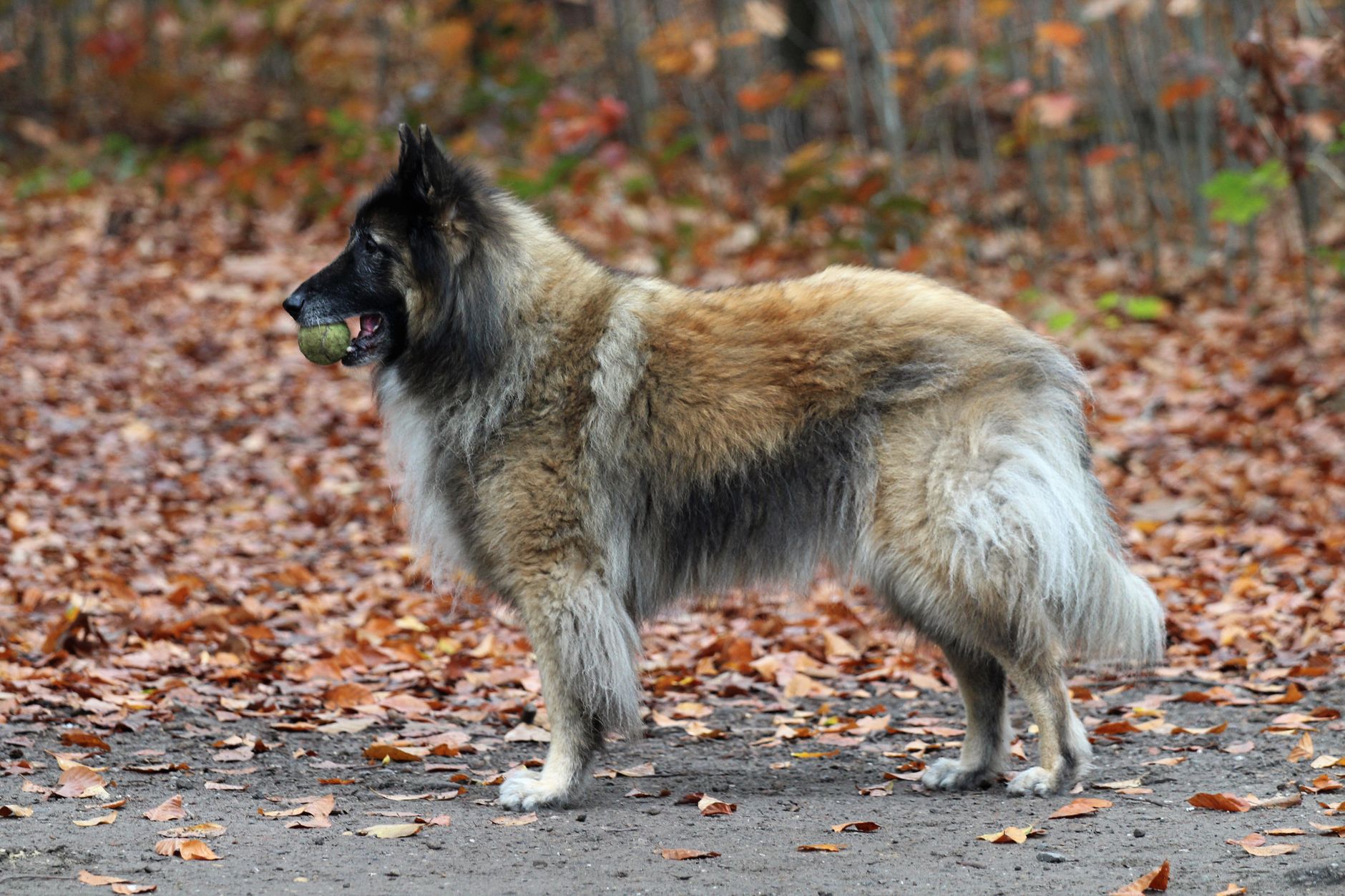
Similar Breeds
Belgian Sheepdog FAQs
Are Belgian Sheepdogs aggressive?
They are not naturally aggressive, but they are genetically programmed to be protective and naturally wary of strangers. Without intensive socialization from puppyhood, this protective instinct can manifest as fear-based reactivity or aggression.
What is the difference between a Belgian Sheepdog and a Belgian Malinois?
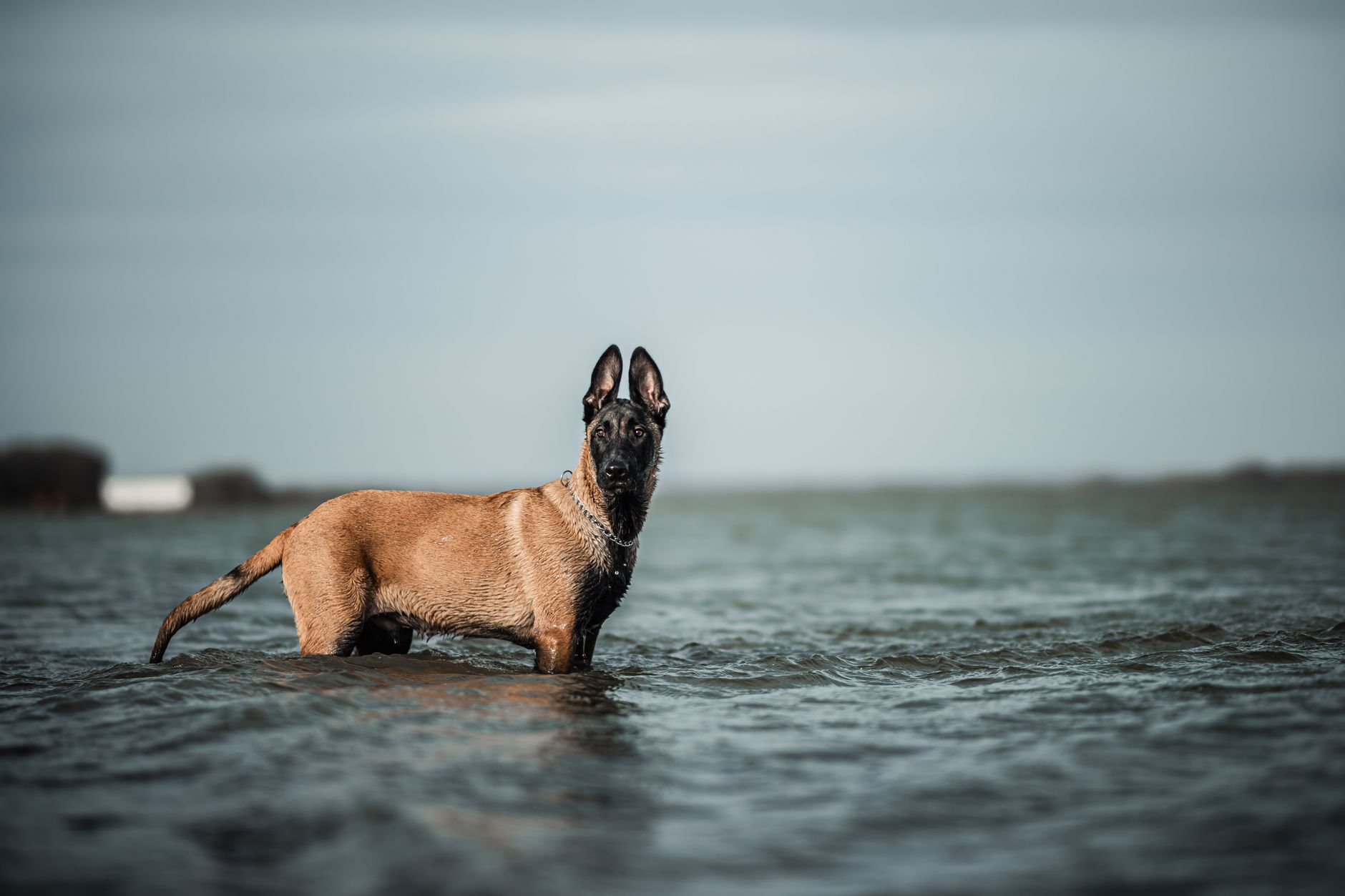
While they share Belgian ancestry, they are distinct breeds in the US. The Belgian Sheepdog (Groenendael) has a long, solid black coat and tends to be slightly more family-oriented, while the Malinois has a short, fawn-colored coat with a black mask and is often preferred for intense military and police work.
Do Belgian Sheepdogs bark a lot?
Yes, they can be vocal. Their high herding and guarding drives mean they will bark to alert you to any changes in their environment. If they are bored or under-stimulated, this alert barking can quickly spiral into a chronic, destructive habit.
Are they sensitive to anesthesia?
In my clinical practice, I treat Belgian herding breeds with caution under anesthesia. While not as highly sensitive as sighthounds, their low body-fat-to-muscle ratio means they can react strongly to certain drugs, so I always customize their anesthetic protocol.
Can a Belgian Sheepdog live in an apartment?
It is highly challenging and generally not recommended. While possible if the owner spends several hours daily exercising them outdoors, their high energy, need for a yard, and tendency to bark at hallway noises make them poor candidates for apartment life.
How do you stop a Belgian Sheepdog puppy from herding people?
When your puppy attempts to herd or nip heels, immediately freeze and stop moving, which removes the fun of the chase. Redirect their energy onto a toy like a tug rope or a ball, and reward them for calm, quiet behaviors.
How often should I bathe my Belgian Sheepdog?
Bathing should be kept to a minimum, around every 3 to 4 months. Their double coat naturally repels dirt and water, and bathing too frequently can strip away the oils that keep their skin hydrated and their coat weather-resistant.
Is epilepsy common in Belgian Sheepdogs?
Yes, idiopathic epilepsy is a recognized genetic health concern within the breed. I always advise prospective puppy buyers to ask breeders for a comprehensive family history regarding seizure disorders before making a commitment.
At what age is a Belgian Sheepdog fully grown?
They typically reach their full height by 12 months of age, but they will continue to fill out and mature structurally until they are 2 to 3 years old. Their mental maturity often lags behind, retaining puppy-like energy well into their second year.
Are Belgian Sheepdogs good off-leash?
They can be trained to have an excellent recall due to their high responsiveness, but their strong herding and prey drives are always a risk. I recommend keeping them on a leash in unfenced, high-traffic areas where sudden movements could trigger a chase response.
Do they get along with cats?
They can live harmoniously with indoor cats if they are introduced slowly and socialized from a young age. However, owners must be vigilant, as a cat running across a room can trigger the dog’s deep-seated herding and chasing instincts.
How much exercise do they need daily?
They need a minimum of 90 minutes to 2 hours of exercise daily. This should not just be leash walking; it must include high-intensity physical exertion, like running or fetching, alongside mentally draining activities like nosework or obedience.