
Shih Tzu Breed Guide

Quick Summary
The Shih Tzu is an ancient, highly affectionate companion dog bred historically for Chinese royalty, renowned for its beautiful flowing coat and outgoing, loving personality. In my experience, these ‘little lions’ are consummate lapdogs who thrive on human companionship, making them ideal for apartments, families, and retirees alike. If you are looking for an adaptable, gentle shadow who wants nothing more than to be by your side, this is the breed for you.
Quick Facts
- origin countryChina (Tibet)
- breed groupToy Group (AKC)
- sizeSmall
- weight range9 to 16 pounds (4.1 to 7.3 kg)
- height range9 to 10.5 inches (23 to 27 cm) at the shoulder
- lifespan10 to 16 years
- coat typeDouble coat, long, dense, and flowing when kept natural
- common colorsBlack, White, Gold, Silver, Red, Brindle, Liver, Blue (often in combinations)
- other namesChrysanthemum Dog, Lion Dog, Chinese Lion Dog
- recognized byAKC, UKC, KC (UK), FCI, ANKC
Caring for a Shih Tzu
Living with a Shih Tzu means welcoming a joyful, highly adaptable shadow into your home. In my experience, they are remarkably versatile; they are just as happy to snooze on the couch for hours as they are to go on a brisk walk around the block. However, their physical structure requires conscious care—their short faces mean they cannot handle extreme heat or cold, and their luxurious coats demand daily commitment. If you can stay on top of their grooming and housebreaking, you will find they are incredibly low-drama companions who simply want to participate in your daily life.
Is a Shih Tzu a good family pet?
Yes, they make wonderful family pets due to their gentle, affectionate, and resilient nature. However, because of their small size, I always advise supervising them around toddlers to prevent accidental injury from rough handling.
Do Shih Tzus shed a lot?
Surprisingly, no. While they are often considered low-shedding or hypoallergenic because their hair traps loose fur within the coat rather than dropping it on your furniture, this means they must be brushed daily to prevent severe matting.
Is a Shih Tzu good for first-time owners?
They are excellent for first-time owners because of their highly affectionate temperament and moderate exercise needs. The only major hurdles for beginners are their intense grooming schedule and a reputation for being slightly stubborn during house training.
Temperament & Personality
The Shih Tzu’s temperament is defined by warmth, playfulness, and a distinctive, dignified charm. I’ve found that they lack the high-strung, nervous energy common in some toy breeds; instead, they carry themselves with a sweet, confident calmness. They are naturally trusting and love making new friends, whether human or animal. While they are deeply devoted to their owners, they aren’t typically one-person dogs and will happily accept affection from anyone willing to offer a scratch behind the ears.
Is a Shih Tzu good with other pets?
In my experience, Shih Tzus are exceptionally social and tend to get along famously with other dogs and cats. They lack a strong prey drive, making them peaceful household companions for smaller pets, though early socialization is always recommended.
How much attention does a Shih Tzu need?
They need a high amount of human interaction and do not do well when left alone for long periods. I always tell owners that these dogs are prone to separation anxiety if they don’t get regular quality time with their families.
Training & Behavior
While Shih Tzus are highly intelligent and eager to please, they possess an independent streak that can sometimes translate to stubbornness. I’ve found that positive reinforcement, using high-value treats and praise, is the absolute key to unlocking their cooperation. Forceful or harsh training methods will cause them to shut down completely. Housebreaking is notoriously their weakest suit, often requiring months of consistency, a strict routine, and positive rewards.
Training Tips
- Use high-value, soft treats to overcome their natural stubbornness.
- Establish a strict potty schedule from day one to conquer housebreaking challenges.
- Utilize crate training to aid with housebreaking and provide a safe retreat.
- Keep training sessions short, fun, and upbeat (5 to 10 minutes max).
- Socialize them early to diverse sights, sounds, and people to build confidence.
Fun Activities
- Short, scent-based games inside the house
- Low-impact agility or obstacle courses
- Leisurely neighborhood sniffari walks
- Learning novel trick routines (like ‘spin’ or ‘play dead’)
- Interactive puzzle toy challenges
Is a Shih Tzu easy to train?
They are moderately easy to train for basic obedience but require patience. Their independent nature means they will often evaluate if a command is worth their while, so keeping training fun and rewarding is critical.
Shih Tzu Health Issues
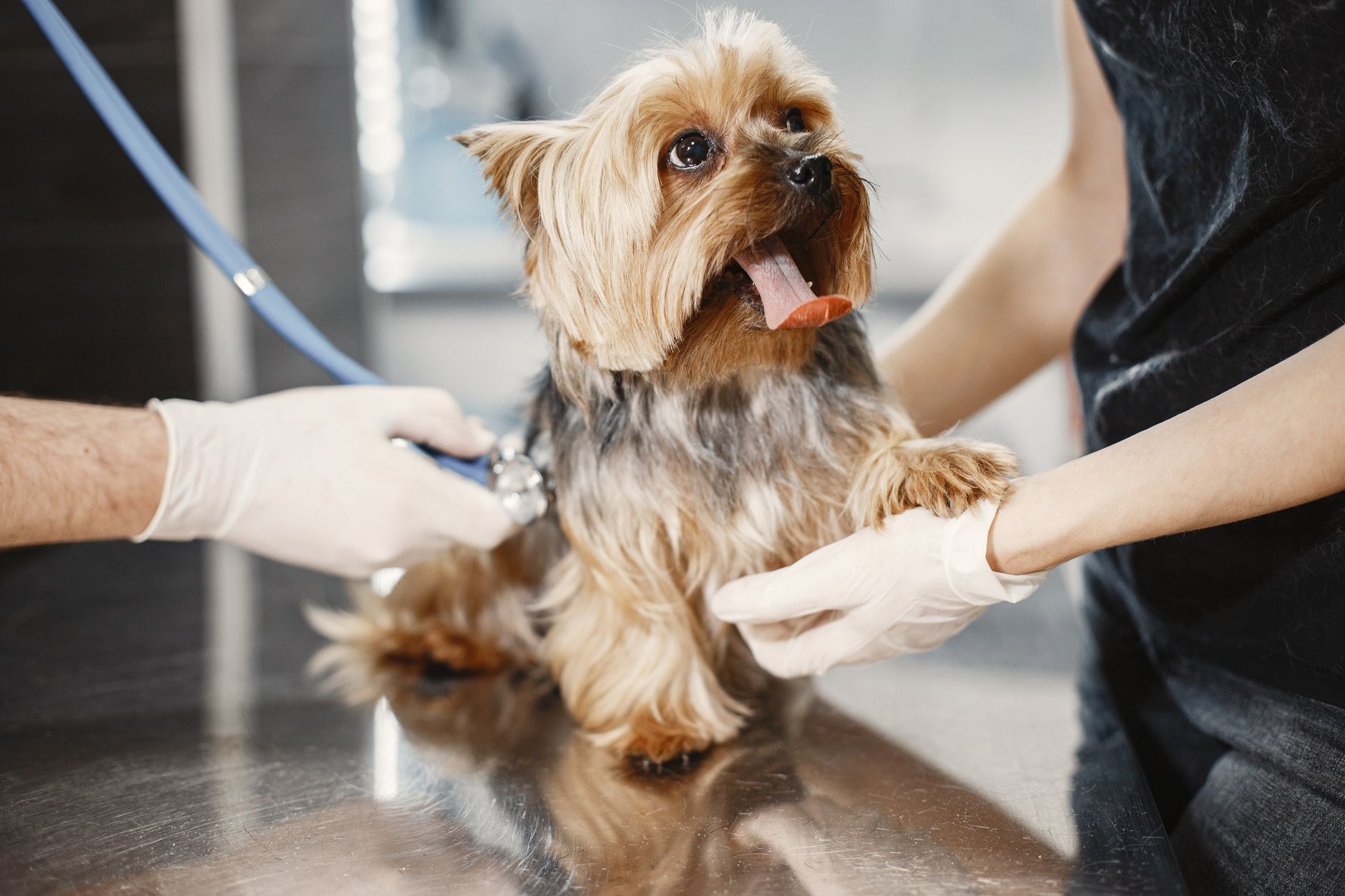
The Shih Tzu is generally a robust and long-lived toy breed, but their physical conformation makes them susceptible to specific structural issues. Because they are a brachycephalic (short-faced) and chondrodysplastic (short-legged, long-backed) breed, owners must actively manage their weight and environment to prevent spinal and respiratory strain.
Brachycephalic Obstructive Airway Syndrome (BOAS)
Due to their shortened facial bones, Shih Tzus can suffer from narrowed nostrils, an elongated soft palate, and windpipe abnormalities that restrict airflow.
Keratoconjunctivitis Sicca (KCS or Dry Eye)
This occurs when the dog’s tear glands fail to produce enough tears, leading to corneal irritation, painful ulcers, and potential blindness if untreated.
Intervertebral Disc Disease (IVDD)
Their long backs and short legs make their spinal discs prone to degeneration, herniation, or rupture, which can cause intense pain or paralysis.
Patellar Luxation
A common condition where the kneecap temporarily slips out of its anatomical groove, causing discomfort and predisposing the dog to arthritis.
Periodontal Disease
Because their small, crowded mouths house the same number of teeth as a large dog, plaque and tartar accumulate rapidly, causing severe gum disease.
How long do Shih Tzus typically live?
A healthy Shih Tzu typically lives between 10 and 16 years. Providing a balanced diet, keeping them at a healthy weight, and staying vigilant with dental and veterinary care will maximize their lifespan.
What to Feed a Shih Tzu
Proper nutrition is vital for keeping a Shih Tzu’s energy balanced and their coat glowing. In my experience, these dogs are prone to rapid weight gain, which puts dangerous pressure on their joints and back, making calorie control essential.
Best Diet
A high-quality, small-breed dry kibble formulated for their specific life stage (puppy, adult, or senior) is ideal. The kibble size should be small enough for their flat faces and tiny mouths to easily chew, and it should feature high-quality proteins as the primary ingredient.
How to Feed
I strongly recommend feeding adult Shih Tzus two to three measured meals a day rather than free-feeding. Because they are prone to hypoglycemia as puppies, young pups may require three to four small meals daily on a strict schedule.
How Much to Feed
Generally, a mature Shih Tzu requires between 1/2 to 1 cup of dry food per day, split into meals. Always consult your veterinarian to customize this amount based on your dog’s exact weight, age, activity level, and spay/neuter status.
Nutritional Tips
Adding omega-3 and omega-6 fatty acids to their diet can work wonders for maintaining their double coat’s shine and keeping their skin hydrated. Be very cautious with table scraps, as high-fat foods can trigger painful pancreatitis.
Shih Tzu Grooming Guide
Grooming a Shih Tzu is not optional; it is a major lifestyle commitment. Whether you choose to keep them in a full show coat or a practical ‘puppy cut,’ their hair requires systematic care to prevent painful matting and skin infections.
Coat Care
If keeping the coat long, you must brush it daily down to the skin using a slicker brush and metal comb to prevent mats. For those clipped in a puppy cut, a thorough brushing every two to three days and a professional groom every 4 to 6 weeks is necessary.
Skin Care
Their skin can be highly sensitive and prone to allergies; always use a gentle, soap-free canine shampoo. Ensure they are dried thoroughly after baths, as trapped moisture in their dense undercoat can quickly lead to painful hot spots.
Eye Care
Because of their shallow eye sockets and bulging eyes, you must wipe their eye area daily with a damp cloth to clear tear discharge and prevent staining. Keep the hair around their eyes trimmed or tied up in a topknot to prevent painful corneal scratches.
Ear Care
Shih Tzus grow hair inside their ear canals, which traps moisture and wax, making them highly prone to yeast infections. You must check their ears weekly, clean them with a vet-approved dryer-cleaner, and gently pluck or trim excess hair as recommended by your vet.
Nail & Dental Care
Brush their teeth daily with dog-safe enzymatic toothpaste to combat rapid tartar buildup and prevent early tooth loss. Trim their nails every 3 to 4 weeks, listening for the ‘click’ on hard floors as a sign they are too long.
Considerations for Pet Parents
Pros
- Incredibly affectionate, loyal, and loving companion
- Adaptable to small apartments and various living spaces
- Generally gets along wonderfully with kids and other pets
- Very low exercise requirements compared to working breeds
- Minimal shedding when brushed regularly
- Charming, dignified, and entertaining personality
Cons
- Very high grooming maintenance and expense
- Can be notoriously stubborn and difficult to housebreak
- Prone to heat exhaustion and respiratory issues
- High potential for separation anxiety if left alone
Best For
The ideal owner is someone who is home often, values close physical companionship, and is fully prepared for the lifelong time and financial commitment of high-end grooming. They are perfect for apartment dwellers, seniors, and calm families.
Not Recommended For
They are not recommended for busy households where the dog will be left alone for 8+ hours a day, nor for outdoorsy owners seeking a hiking partner, or those who dislike routine grooming chores and veterinary expenses.
Cost
- purchase price$1,200 to $3,500 USD from a reputable, health-testing breeder
- monthly cost$100 to $200 USD (predominantly covering professional grooming, high-quality food, and routine preventative care)
- initial setupExpect to spend $500 to $1,000 initially on high-quality grooming tools (slicker brushes, combs, professional-grade shampoos), a crate, puppy-proofing supplies, and early veterinary vaccinations.
Similar Breeds

Lhasa Apso
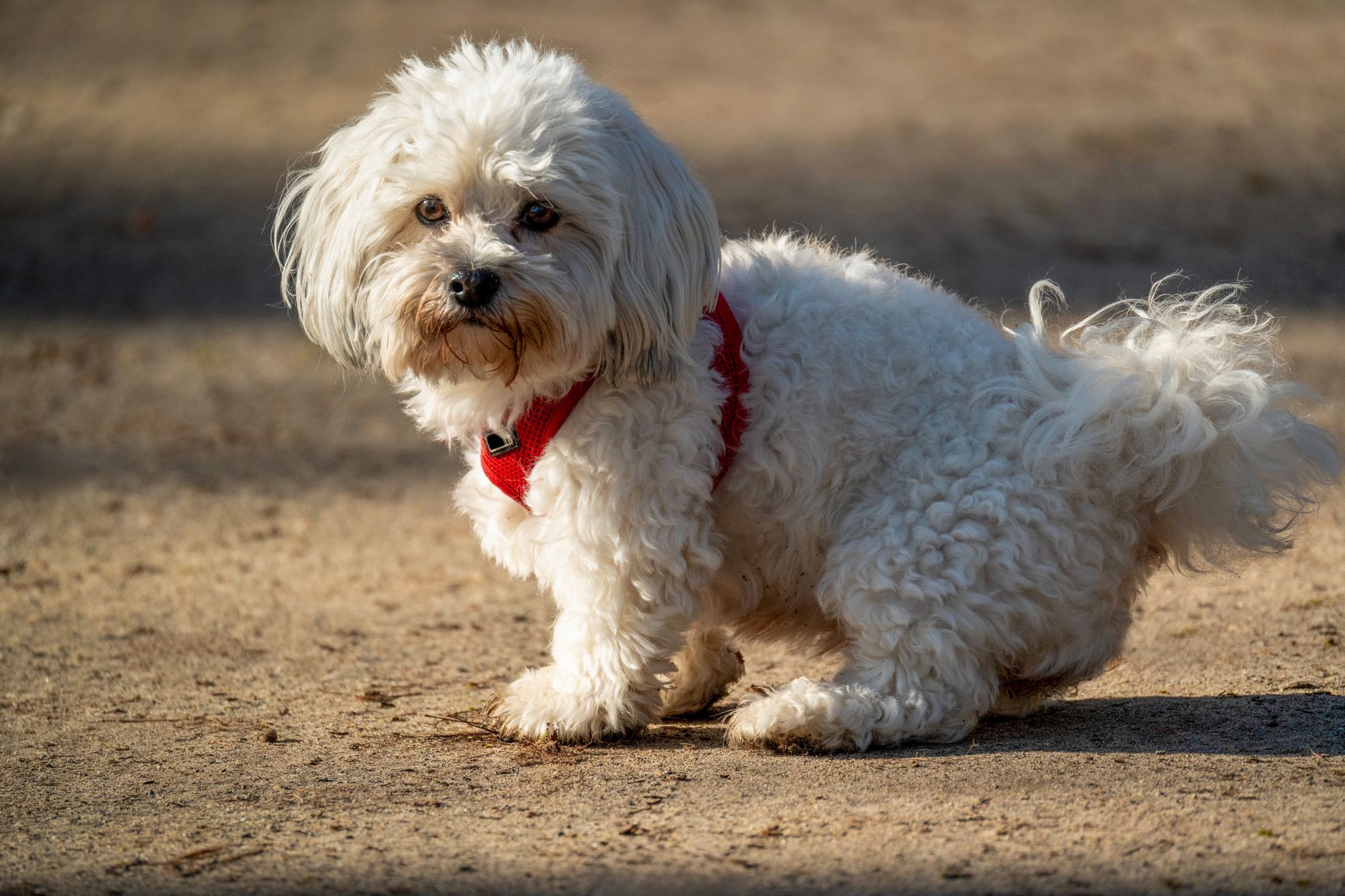
Maltese
Shih Tzu FAQs
Is a Shih Tzu hypoallergenic?
While no dog is 100% hypoallergenic, Shih Tzus are often considered a good option for allergy sufferers. Because they have hair rather than fur and shed minimally, dander and loose hair remain trapped in their coat rather than floating into the air, provided they are bathed and brushed regularly.
How do you stop a Shih Tzu from barking?
Shih Tzus are not typically excessive barkers, but they will alert you to visitors. To prevent nuisance barking, teach the ‘Quiet’ command using positive reinforcement, avoid rewarding barking with attention, and ensure they are mentally stimulated so they do not bark out of boredom.
Are Shih Tzus lazy?
They are often perceived as lazy because they love to nap and cuddle, but they still have playful bursts of energy. They enjoy short walks and indoor play, but they are highly adaptable and will happily match their owner’s lower energy levels.
Why does my Shih Tzu lick their paws so much?
Excessive paw licking in Shih Tzus is usually a sign of environmental or food allergies, or sometimes boredom and anxiety. Because they are prone to sensitive skin, I recommend consulting your vet to rule out yeast infections or contact dermatitis if you notice this behavior.
At what age is a Shih Tzu fully grown?
A Shih Tzu typically reaches their full adult height and skeletal size by 10 to 12 months of age. However, they may continue to ‘fill out’ and gain muscle and coat density until they are about 15 to 18 months old.
Why does my Shih Tzu reverse sneeze?
Reverse sneezing is common in brachycephalic breeds and occurs when the soft palate becomes irritated or spasms. It sounds like a choking or honking noise, but it is usually harmless; gently massaging their throat or covering their nostrils for a brief second to force them to swallow can help stop an episode.
How often should you bathe a Shih Tzu?
If they are kept in a short puppy cut, a bath every 3 to 4 weeks is generally sufficient. If they have a long show coat, they will need a bath every 1 to 2 weeks, always preceded by a thorough brushing to ensure there are no mats, which will shrink and tighten when wet.
Can Shih Tzus swim?
No, Shih Tzus are generally poor swimmers and should never be left unsupervised near water. Their short muzzle makes it very difficult to keep their airway above water, and their heavy double coat quickly waterlogs, pulling them under.
Why do Shih Tzus eat poop (coprophagia)?
Coprophagia is unfortunately common in this breed. It can stem from behavioral habits, boredom, or a nutritional deficiency; keeping your yard strictly cleaned up immediately after they eliminate and using vet-approved food additives can help break this habit.
Do Shih Tzus handle cold or hot weather better?
They do not handle heat well at all due to their flat faces, which make cooling down via panting highly inefficient. They can tolerate cool weather better, but because of their small size, they should wear a sweater in freezing temperatures and always live indoors with air conditioning.
How many hours a day does a Shih Tzu sleep?
Adult Shih Tzus typically sleep for 12 to 14 hours a day, while puppies and seniors can easily sleep up to 18 hours. They are champions at power-napping and will happily adjust their sleep schedule to match yours.
What is ‘teacup’ Shih Tzu, and should I buy one?
There is no officially recognized ‘teacup’ Shih Tzu; it is a marketing term used by unethical breeders to describe unnaturally small dogs. I strongly advise against buying them, as these micro-sized dogs often suffer from severe health defects, including fragile bones, organ failure, and shortened lifespans.
Are Shih Tzus prone to separation anxiety?
Yes, because they were bred exclusively for companionship, they form intense bonds with their owners and can panic when left alone. I’ve found that crate training, leaving them with interactive puzzle toys, and keeping departures low-key can help prevent this distress.
Do Shih Tzus have a high prey drive?
No, Shih Tzus have almost zero prey drive. They were bred to be companions, not hunters, meaning they are highly unlikely to chase wildlife or harm small pocket pets, making them incredibly peaceful housemates.