
Italian Greyhound Breed Guide
Quick Summary
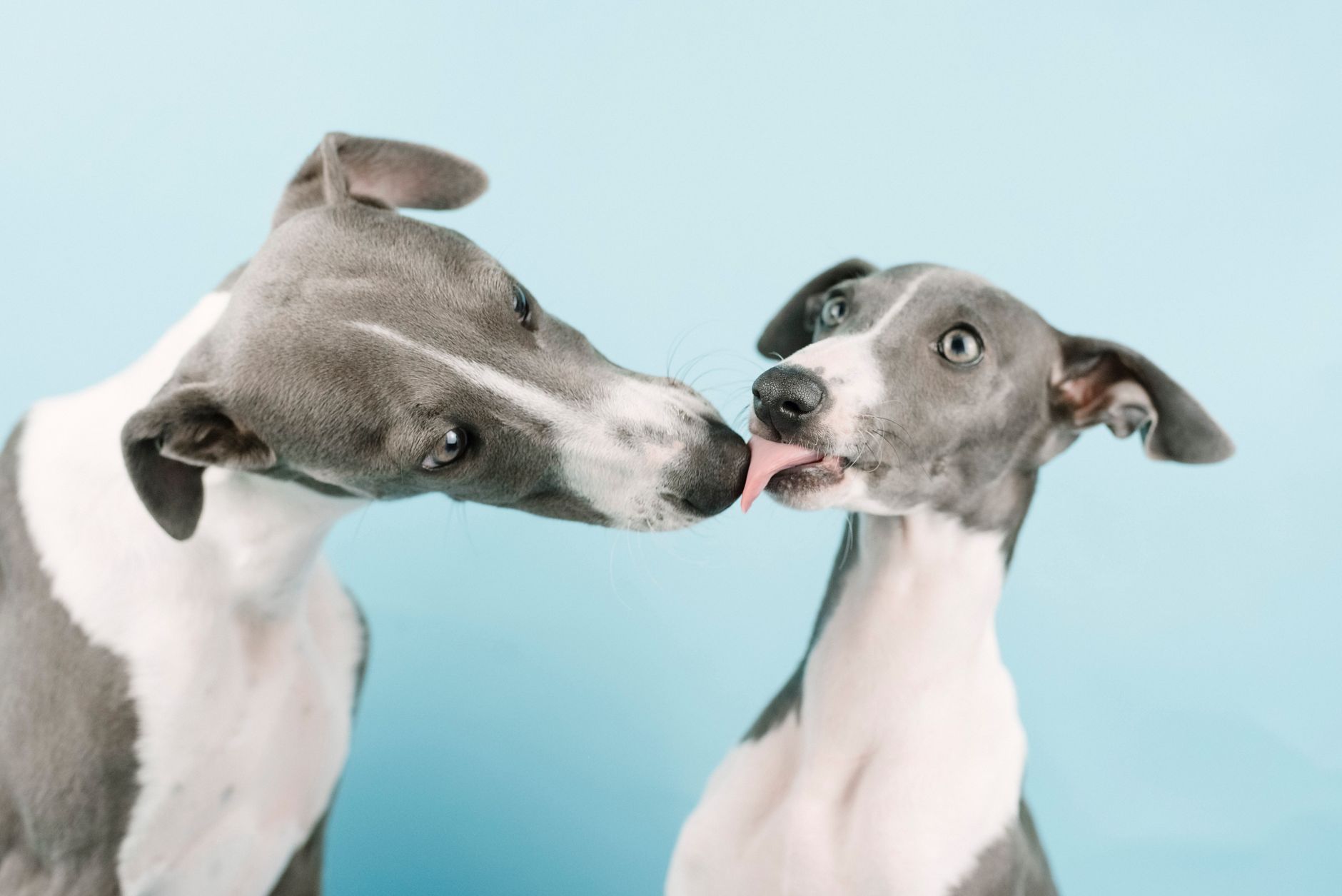
The Italian Greyhound is an elegant, ultra-sensitive companion that combines the lightning-fast reflexes of a sighthound with the deep, velcro-like affection of a toy lapdog. Ideal for attentive owners who can accommodate their fragile bone structure and notoriously difficult housebreaking, they thrive in warm, calm indoor environments. In my practice, I emphasize that they are not simply ‘small dogs’ but highly specialized pets requiring specific physical and emotional safeguards.
Quick Facts
- origin countryItaly
- breed groupToy
- sizeSmall
- weight range7 – 14 lbs (3.2 – 6.4 kg)
- height range13 – 15 inches (33 – 38 cm)
- lifespan12 – 15 years
- coat typeShort, smooth, single coat
- common colorsGrey, fawn, red, cream, black, blue, white markings
- other namesPiccolo Levriero Italiano, IG, Iggy
- recognized byAKC, UKC, FCI
Caring for a Italian Greyhound
Living with an ‘Iggy’ means sharing your home with a delicate, heat-seeking missile. In my practice, the number one rule for this breed is physical safety; their fine limbs are highly susceptible to fractures, especially during puppyhood up to 18 months. They absolutely detest cold and wet weather, meaning you will need a robust wardrobe of sweaters and coats for daily life. Additionally, prepare for a long, consistent housebreaking journey, as their physical feedback loop for elimination is incredibly subtle.
Is a Italian Greyhound a good family pet?
They make wonderful, highly affectionate companions for quiet households, but I strongly advise against placing them in homes with toddlers or highly active, boisterous children. Their fragile bones can easily fracture from a simple drop or accidental step. For older, respectful children who understand how to handle a delicate dog, they are incredibly loving companions.
Do Italian Greyhounds shed a lot?
Virtually not at all. Their single, paper-thin coat produces minimal dander and very little shedding, making them a dream for owners who hate dog hair. However, this thin coat provides zero insulation, meaning they require sweaters when indoor or outdoor temperatures drop below 60 degrees Fahrenheit.
Is a Italian Greyhound good for first-time owners?
They can be, but only if the owner is fully prepared for the twin challenges of difficult housebreaking and extreme emotional sensitivity. If you work long hours or expect a highly independent dog, this breed’s propensity for separation anxiety will make them a very challenging choice for a novice.
Temperament & Personality

The Italian Greyhound is a study in contrasts: a calm, velcro lapdog indoors, and an explosive, high-prey-drive sighthound outdoors. They are intensely devoted to their chosen humans, often shadowing them from room to room like a tiny, elegant ghost. Because they are highly sensitive, they absorb the emotional energy of their household, meaning a chaotic or loud environment will quickly produce a stressed, anxious dog.
Is a Italian Greyhound good with other pets?
They generally coexist beautifully with other indoor dogs of a similar size, particularly other sighthounds. However, their strong, hardwired prey drive means they should never be trusted around small pocket pets, birds, or outdoor cats, as a sudden chase instinct can be triggered instantly.
How much attention does a Italian Greyhound need?
They require an immense amount of emotional interaction and physical proximity. They are the quintessential ‘velcro’ dog, preferring to literally sit under your clothes or burrow beneath blankets with you. Leaving them isolated for long periods frequently leads to severe separation distress and destructive indoor behaviors.
Training & Behavior
Training an Italian Greyhound requires a gentle touch, infinite patience, and a healthy sense of humor. They are highly sensitive to harsh tones; raising your voice will cause them to shut down completely and hide. Positive, treat-based motivation is the only way to get through to them, particularly during housebreaking, which often takes up to a year of vigilant crate training and schedule enforcement.
Training Tips
- Use high-value, soft treats for immediate reinforcement.
- Never raise your voice or use physical corrections.
- Crate train early to assist with difficult housebreaking.
- Keep training sessions under five minutes to prevent boredom.
- Socialize intensely during the first 16 weeks to prevent timidity.
Fun Activities
- Lure coursing (highly recommended)
- Agility training
- Trick training
- Burrowing in custom blankets
- Sunbathing in secure yards
Is a Italian Greyhound easy to train?
Basic commands can be mastered quickly because they are highly intelligent, but reliable recall outdoors is virtually impossible due to their sighthound instincts. Housebreaking is notoriously difficult, requiring months of strict, positive reinforcement and immediate rewards, as their physical signaling is very subtle.
Italian Greyhound Health Issues
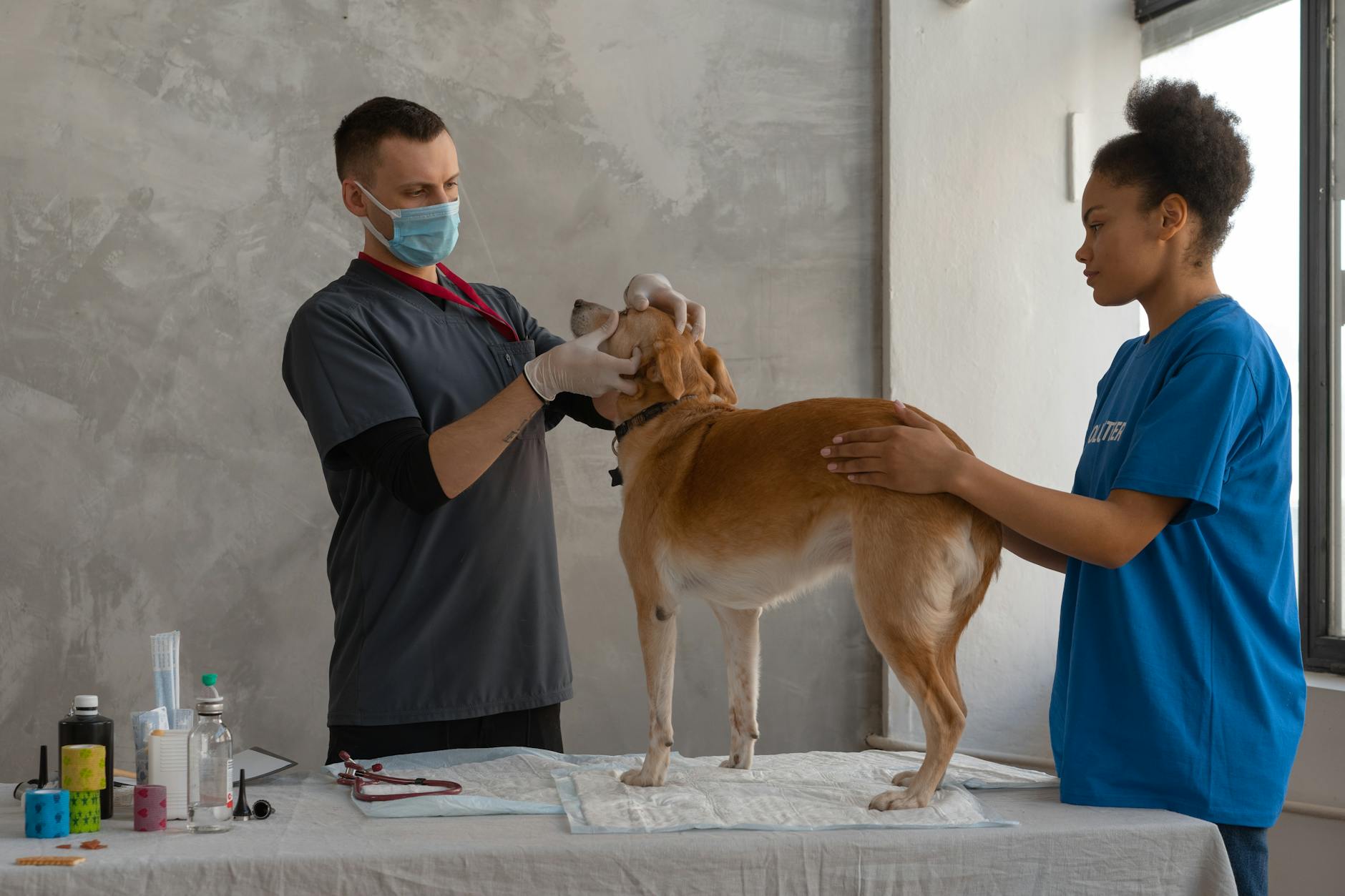
While structurally delicate, Italian Greyhounds are genetically robust and can live exceptionally long lives. However, their physical fragility and specific breed predispositions require proactive veterinary management and careful environment control to prevent orthopedic disasters.
Distal Radial and Ulnar Fractures
Due to their long, slender bones and minimal muscle shielding in the lower limbs, young Iggies frequently fracture their front legs from simple jumps off a couch or bed. These fractures typically require surgical repair with plates and screws rather than simple splints.
Severe Periodontal Disease
In my clinic, I see advanced dental decay in this breed far earlier than in others, sometimes by age three. Their narrow jaws crowd their teeth, accelerating plaque buildup, which leads to early tooth loss and systemic infections.
Patellar Luxation
This is a genetic condition where the kneecap slips out of its normal anatomical groove. While some cases are mild, severe luxation can lead to early osteoarthritis and require corrective orthopedic surgery.
Anesthesia Sensitivity
Like all sighthounds, Italian Greyhounds have very low body fat percentages and unique liver metabolic pathways, making them highly sensitive to standard anesthetics. I always use specialized, ultra-safe anesthetic protocols and active warming blankets for any surgery.
Autoimmune Mediated Thrombocytopenia/Hemolytic Anemia
They are predisposed to idiopathic immune-mediated diseases where the body’s immune system attacks its own blood cells or platelets. Prompt, aggressive immunosuppressive therapy is critical for survival.
How long do Italian Greyhounds typically live?
With excellent dental care and protection from accidental trauma, Italian Greyhounds regularly live 12 to 15 years, and I have seen several patients make it to 16 or 17. The key to their longevity is proactive joint and dental management, alongside preventing high-impact fractures.
What to Feed a Italian Greyhound
Because they are built for speed and agility, keeping an Italian Greyhound lean is absolutely critical. Even a single extra pound puts dangerous stress on their delicate skeletal system and increases fracture risks. In my practice, I evaluate their body condition score closely; you should easily feel their ribs but not see them protruding excessively.
Best Diet
A high-quality, small-breed-specific dry kibble formulated for their rapid metabolism is ideal. I highly recommend a diet containing joint-support ingredients like glucosamine and chondroitin, or supplementing early under veterinary guidance, to protect their joints as they age.
How to Feed
Divide their daily caloric intake into two or three small meals rather than one large one. This keeps their blood sugar stable, prevents digestive upset, and accommodates their small stomach capacity.
How Much to Feed
Portions should range between 1/2 to 1 cup of high-quality dry food per day, split across meals, depending on activity level. Always consult your vet to calculate their precise caloric needs based on their exact weight and body condition score.
Nutritional Tips
Incorporate fresh, dental-friendly crunchy treats, and consider omega-3 fatty acid supplements. These fatty acids support their delicate skin barrier, which is prone to dryness and irritation due to their extremely thin coat.
Italian Greyhound Grooming Guide
Grooming an Italian Greyhound is incredibly low-maintenance when it comes to their coat, but exceptionally demanding when it comes to their teeth and claws. Because they lack a protective undercoat, they are prone to minor skin scrapes and sunburn, which require gentle care.
Coat Care
Simply wipe them down weekly with a damp cloth or a soft hound glove to remove dead skin cells and keep their coat shiny. They rarely need baths, usually only when they roll in something smelly, as they lack that typical ‘doggy odor’.
Skin Care
Apply a dog-safe sunscreen to their ears and exposed belly during peak summer hours to prevent sunburn. Check their thin skin daily for minor cuts or abrasions from outdoor play.
Eye Care
Wipe away any minor morning discharge with a damp cotton ball, but watch for signs of corneal scratches, which are common due to their large, prominent eyes.
Ear Care
Clean their folded ears once a month with a vet-approved, gentle drying ear cleaner to prevent moisture buildup, though ear infections are relatively rare in this breed.
Nail & Dental Care
Brush their teeth daily with dog-safe enzymatic toothpaste to combat early-onset periodontal disease. Keep their nails trimmed short, preferably with a dremel, to prevent them from catching on fabrics and causing toe fractures.
Considerations for Pet Parents
Pros
- Extremely affectionate velcro companions
- Minimal shedding and no doggy odor
- Perfect size for apartment living
- Calm and quiet indoors
- Intelligent and highly entertaining
- Very long-lived breed
Cons
- Highly prone to leg fractures as puppies
- Notoriously difficult to housebreak
- Very sensitive to cold and wet weather
- High risk of early periodontal disease
- Can develop severe separation anxiety
Best For
Quiet, gentle households, apartment dwellers, or owners who work from home and can provide constant companionship. They thrive with owners who are patient with housebreaking and willing to invest in protective dog apparel.
Not Recommended For
Homes with very young, boisterous children or large, high-energy dogs that could accidentally injure them during play. They are also a poor fit for owners who must leave their dog home alone for long, consecutive hours.
Cost
- purchase price$1,500 – $3,500
- monthly cost$100 – $250 (higher with veterinary dental care)
- initial setupExpect to spend $500 – $1,000 on high-quality sighthound-specific collars (martingale), crates, ramps to prevent couch jumps, and a winter wardrobe of sweaters.
Similar Breeds

Italian Greyhound FAQs
Why do Italian Greyhounds shake?
They shake due to a combination of their extremely low body fat, thin skin, and naturally high-strung, sensitive nervous systems. It can be a response to feeling cold, excited, anxious, or simply processing environmental stimulation.
Are Italian Greyhounds hypoallergenic?
No dog is 100% hypoallergenic, but they are often tolerated well by allergy sufferers. They have a single, short coat that sheds minimally and produces very little dander compared to double-coated breeds.
How do I prevent my Italian Greyhound from breaking a leg?
Keep them off high furniture by using pet ramps, avoid letting them play with larger dogs, and block off stairs. I advise keeping them on a leash outdoors to prevent high-speed collisions with obstacles.
Can Italian Greyhounds live in cold climates?
Yes, but they must wear protective winter gear, including insulated coats and fleece pajamas indoors if your home is chilly. Outdoor walks should be kept very brief when temperatures drop below freezing.
Why is my Italian Greyhound so hard to potty train?
They have tiny bladders, a rapid metabolism, and an intense dislike of cold or wet weather. If it is raining or cold outside, they will actively avoid going out and seek hidden spots indoors to relieve themselves.
Do Italian Greyhounds bark a lot?
Generally, no; they are a relatively quiet breed. However, they can develop alert barking if they are anxious, or high-pitched whining if they are experiencing separation anxiety.
Do they need a special collar?
Yes, they absolutely must wear a Martingale collar or a specialized wide sighthound harness. Their narrow, aerodynamic heads can easily slip out of standard flat collars when they back up.
How much exercise does an Italian Greyhound need?
They need about 45 to 60 minutes of daily exercise, which can be achieved through brisk leash walks and controlled sprints. They love a chance to run at full speed in a securely fenced yard.
Are they prone to separation anxiety?
Yes, they are highly prone to separation anxiety due to their deeply social, velcro-like attachment to their owners. They do best in households where someone is home most of the day.
Can Italian Greyhounds jump high?
Yes, they have incredible leaping abilities and can easily clear baby gates or jump onto high counters. This is a major source of concern for leg fractures in my practice.
What is the difference between a Whippet and an Italian Greyhound?
Size is the most obvious difference; Italian Greyhounds are toy dogs weighing under 15 pounds, while Whippets are medium-sized dogs weighing 20 to 40 pounds. Italian Greyhounds are also more fragile and tend to be more sensitive indoors.
Can they go off-leash in unfenced areas?
No, they should never be off-leash in unsecured areas. As sighthounds, if they spot a squirrel or rabbit, their prey drive overrides all training, and they can bolt at speeds up to 25 mph before you can react.
Do Italian Greyhounds need dental cleanings often?
Yes, I recommend professional veterinary dental cleanings annually starting around age two or three. Their crowded teeth trap bacteria rapidly, leading to severe gum disease if left unaddressed.
Are they easy to socialize?
They are naturally cautious and can become timid or fearful if not socialized early. Expose them gently to various people, sounds, and environments during their critical socialization window up to 16 weeks.
Can they use a litter box or pee pads?
Many Italian Greyhound owners successfully train them to use indoor dog litter boxes or high-quality pee pads. This is a highly practical solution for cold winter months or rainy days when they refuse to step outside.