
Ocicat Breed Guide
Quick Summary
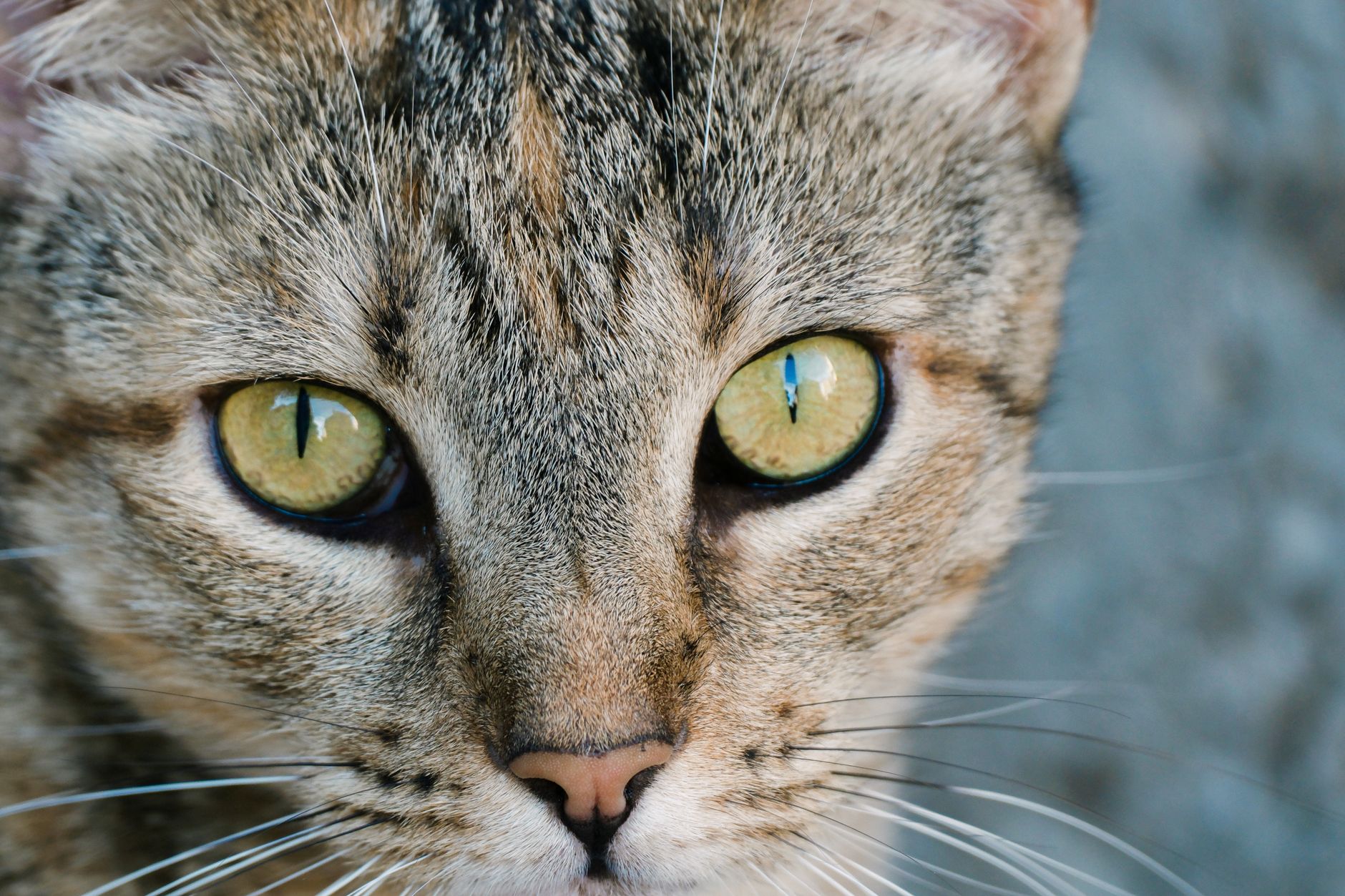
The Ocicat is an athletic, spotted domestic cat with a wild look but a deeply affectionate, dog-like personality. Highly social and energetic, they thrive in active households where they can participate in daily routines, learn tricks, and receive plenty of human interaction.
Quick Facts
- origin countryUnited States
- breed groupSpotted Cats (Domestic)
- sizeMedium to Large, surprisingly heavy and muscular
- weight range6 – 15 lbs (2.7 – 6.8 kg)
- height range9 – 11 inches (23 – 28 cm)
- lifespan12 – 15 years
- coat typeShort, smooth, tight-lying, satin texture with distinct spots
- common colorsTawny, Chocolate, Cinnamon, Blue, Lavender, Fawn (all with or without silver)
- other namesOci
- recognized byTICA, CFA, ACFA, FIFe, CCA
Caring for a Ocicat
Living with an Ocicat is like having a vibrant, perpetual-motion companion who wants to be involved in every single household task. In my experience, they are not decorative lap ornaments; they will follow you from room to room, sit on your shoulders, and chat with you about your day. They have high mental and physical stimulation needs, meaning you must provide puzzle toys, tall climbing trees, and regular interactive play sessions to keep them out of trouble. While they are incredibly social, their high-energy nature means they do best in homes where they aren’t left entirely alone for long stretches.
Is a Ocicat a good family pet?
Absolutely, Ocicats make fantastic family pets because of their highly social, outgoing, and rugged nature. I’ve found they thrive in busy households, forming close bonds with children who treat them with respect and joining in on active family games.
Do Ocicats shed a lot?
No, Ocicats are very low-maintenance when it comes to shedding. Their short, tight coat requires only a weekly brushing with a rubber curry brush or chamois cloth to keep it gleaming and minimize loose hairs in your home.
Is a Ocicat good for first-time owners?
They can be, but only if the owner is prepared for an active cat that behaves more like a dog. If a beginner expects a quiet, independent feline, the Ocicat’s high demand for attention and play might feel overwhelming, so they are best for first-timers committed to active engagement.
Temperament & Personality

The Ocicat is a fascinating mix of wild-looking athleticism and domestic sweet-temperedness. They possess an extroverted, highly social personality, often greeting guests at the door and charming them instantly. In my years working with them, I’ve observed a strong ‘pack’ mentality; they love being part of a group and are remarkably sensitive to human emotions. They are vocal, but their voice is softer and far less demanding than their Siamese ancestors.
Is a Ocicat good with other pets?
Yes, they excel in multi-pet homes and actually prefer having a companion, whether it’s another cat or a friendly dog. I always tell owners that if they work long hours, getting a second pet is highly beneficial to keep their Ocicat from getting lonely.
How much attention does a Ocicat need?
A significant amount; these are highly demanding, people-oriented cats that do not tolerate isolation well. They expect to interact with you daily through play, training, or simply lounging on your lap while you work.
Training & Behavior
Ocicats are famously trainable, often compared to dogs due to their quick intelligence and eagerness to engage. They learn commands rapidly and thrive on positive reinforcement, making clicker training a highly effective tool. In my experience, without proper mental outlets, they will invent their own games, which might include opening cabinets or fetching items you didn’t intend for them to touch.
Training Tips
- Use clicker training with high-value treats
- Teach them to walk on a harness and leash early
- Establish clear boundaries to prevent counter-surfing
- Keep training sessions short, fun, and intellectually stimulating
Fun Activities
- Fetching small toys or paper balls
- Agility courses built with household furniture
- Harness-trained outdoor walks
- Interactive puzzle feeders
- Hide-and-seek with treats
Is a Ocicat easy to train?
Yes, they are incredibly easy to train compared to most feline breeds. They naturally pick up games like fetch, can be taught to respond to their names, and readily adapt to harness and leash walking when trained patiently.
Ocicat Health Issues
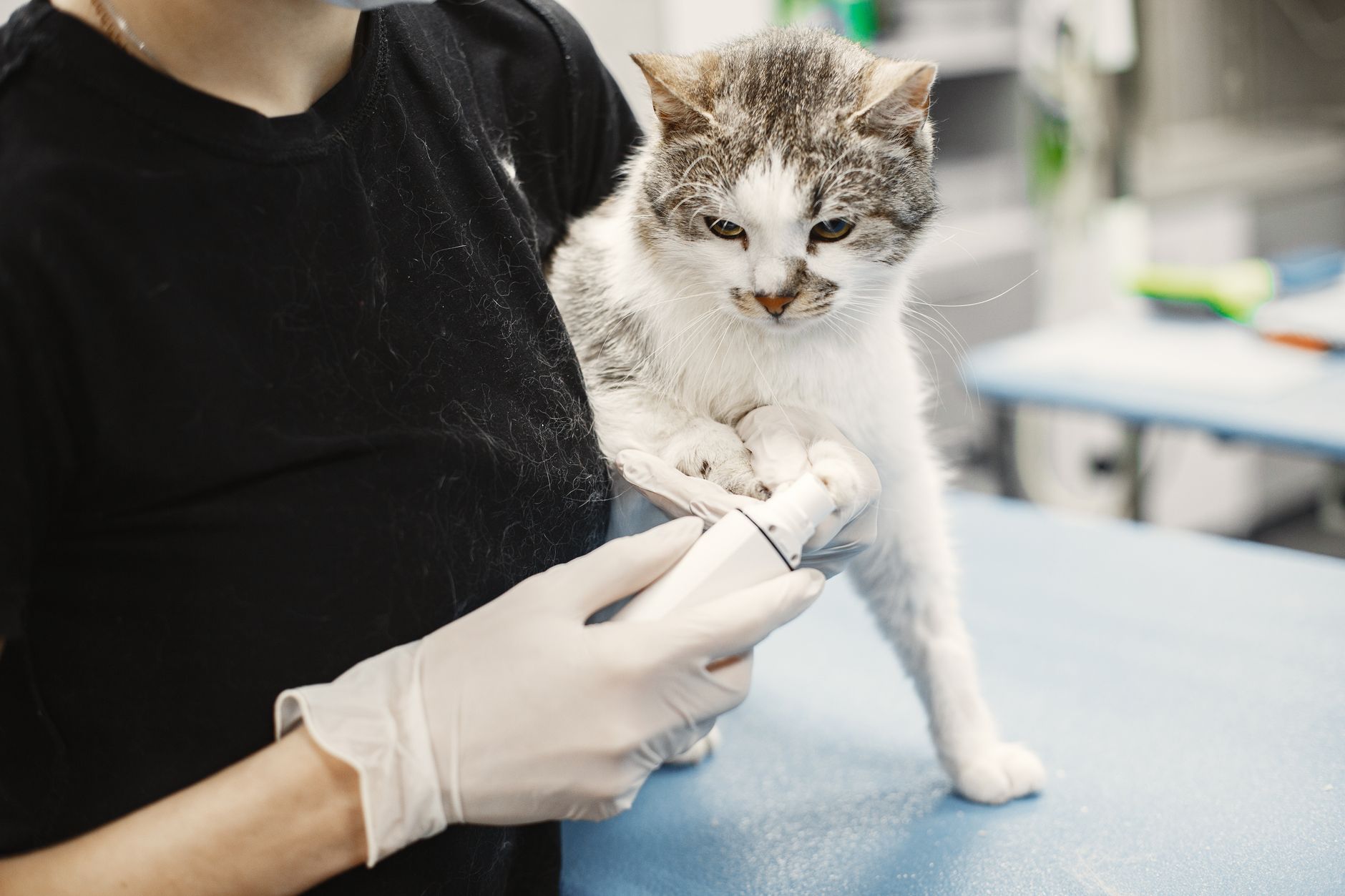
While Ocicats are generally robust and athletic, they can inherit genetic health issues from their ancestral lines of Abyssinian, Siamese, and American Shorthair cats. Responsible breeding practices have significantly reduced these risks, but regular veterinary checkups and genetic screening remain crucial.
Pyruvate Kinase (PK) Deficiency
An inherited enzyme deficiency that causes red blood cells to break down prematurely, leading to severe anemia. It can present as intermittent lethargy and pale gums.
Hypertrophic Cardiomyopathy (HCM)
A common form of heart disease in cats where the heart muscle thickens, reducing its efficiency over time. It can lead to heart failure or blood clots.
Progressive Retinal Atrophy (PRA)
A genetic eye disorder that causes the progressive degeneration of the retina, eventually leading to complete blindness.
Renal Amyloidosis
A condition where abnormal proteins (amyloids) build up in organs, particularly the kidneys, eventually causing progressive renal failure.
Periodontal Disease
Inflammation and infection of the gums and supporting tooth structures, which is highly prevalent in many domestic cat breeds.
How long do Ocicats typically live?
Ocicats are a hearty breed that typically enjoys a long lifespan of 12 to 15 years, and often even longer when kept indoors, fed a high-quality diet, and provided with routine veterinary care.
What to Feed a Ocicat
Ocicats are high-energy, muscular athletes that require a nutrient-dense diet to sustain their active lifestyle. I always tell owners that active cats burn calories rapidly, making high-quality protein the absolute foundation of their nutrition.
Best Diet
An ideal diet for an Ocicat is high in animal protein and low in carbohydrates, consisting primarily of premium canned wet food or a balanced raw diet, which also helps ensure proper hydration. Kittens, active adults, and seniors should feed on life-stage-specific formulas to match their changing metabolic demands.
How to Feed
Feed your adult Ocicat on a structured schedule of two to three measured meals daily rather than free-feeding, which helps prevent overeating and obesity. Always consult your veterinarian to establish the perfect meal schedule based on your individual cat’s body condition score.
How Much to Feed
Portion sizes should be calculated based on weight and activity level, typically ranging from 200 to 280 calories per day for a standard adult Ocicat. It’s vital to adjust portions in consultation with your vet if your cat begins gaining excess weight or shows signs of lethargy.
Nutritional Tips
Incorporating omega-3 fatty acids (like salmon oil) supports their sleek, satin coat and joint health. Ensure they always have access to clean, fresh water, ideally from a pet fountain, as Ocicats love running water.
Ocicat Grooming Guide
Grooming an Ocicat is a breeze, making them one of the easiest breeds to maintain. Their short, tight coat does not mat, meaning grooming is more about bonding and keeping the coat shining than detangling.
Coat Care
Brush their coat once a week with a soft-bristled brush or a rubber grooming mitt to remove loose hairs. Rubbing them down with a chamois cloth afterward gives their beautiful spots a stunning, glass-like sheen.
Skin Care
Their skin is generally healthy; bathe them only occasionally if they get sticky or dirty, using a gentle, cat-safe shampoo.
Eye Care
Gently wipe the corners of their eyes with a damp, soft cloth to remove any discharge, using a clean area of the cloth for each eye.
Ear Care
Check their ears weekly for dirt, redness, or a yeast odor, cleaning them gently with a cotton ball moistened with a vet-approved ear cleaner if necessary.
Nail & Dental Care
Clip their nails every two to three weeks, and brush their teeth daily (or at least three times a week) with cat-specific toothpaste to prevent periodontal disease.
Considerations for Pet Parents
Pros
- Stunning, exotic wild look without wild blood
- Extremely social, loyal, and dog-like companion
- Highly trainable and loves learning tricks
- Excellent with children and other household pets
- Low-maintenance coat and minimal shedding
- Energetic, playful, and fun-loving personality
Cons
- Does not tolerate being left alone for long periods
- Requires high mental and physical stimulation
- Can be quite vocal and demanding of attention
- Prone to opening doors, cabinets, and causing mischief
Best For
Active, engaged owners or families who want a highly interactive, dog-like cat and have plenty of time to spend playing, training, and bonding with them.
Not Recommended For
People who work long hours outside the home, live in quiet, hands-off environments, or want a calm, low-energy ‘lap cat’ that requires minimal engagement.
Cost
- purchase price$800 – $2,500 USD
- monthly cost$80 – $150 USD
- initial setupExpect to spend $300 to $600 initially on high-quality cat trees, interactive puzzle toys, a carrier, litter boxes, and initial vet checkups.
Similar Breeds
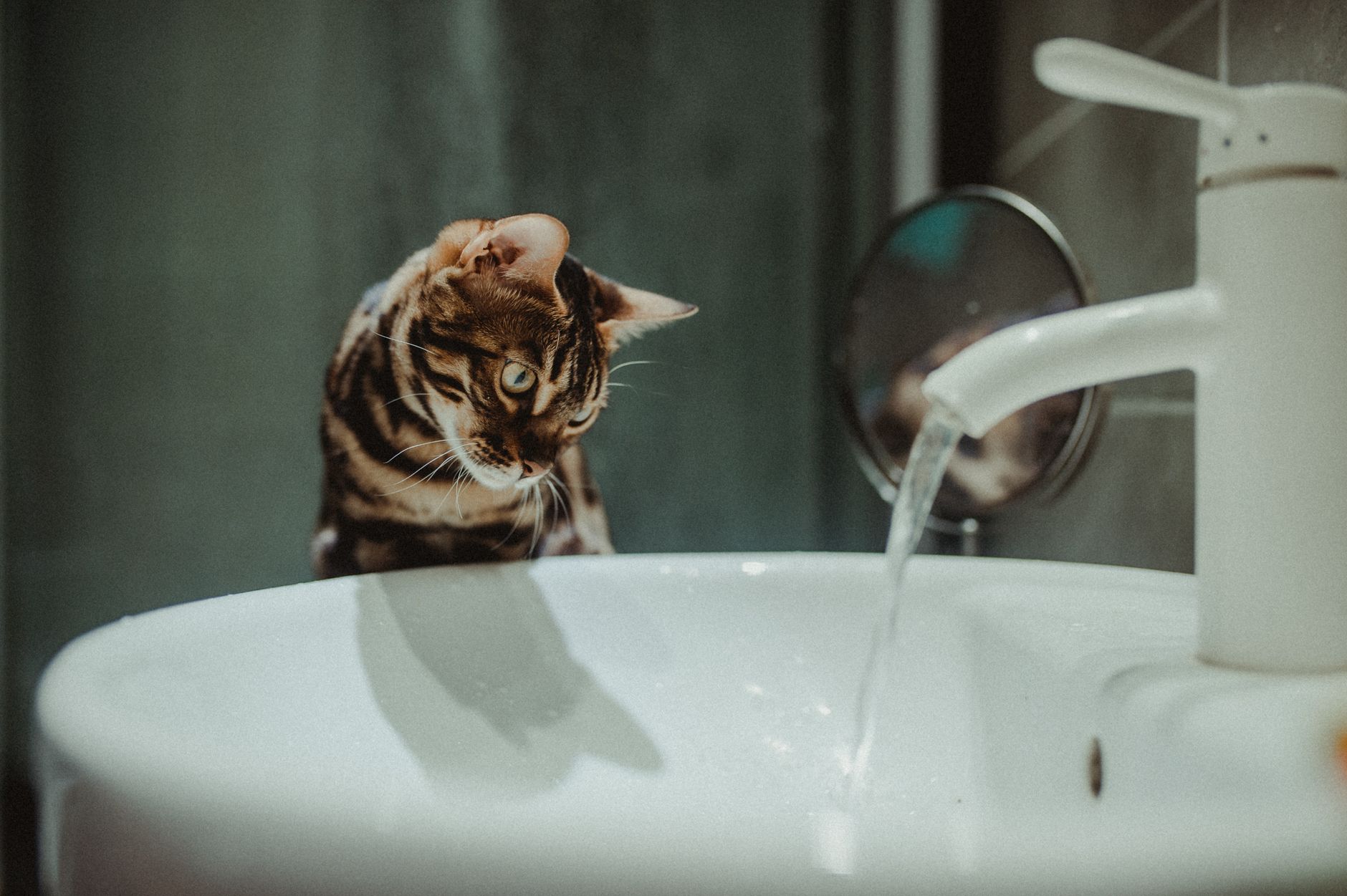
Bengal
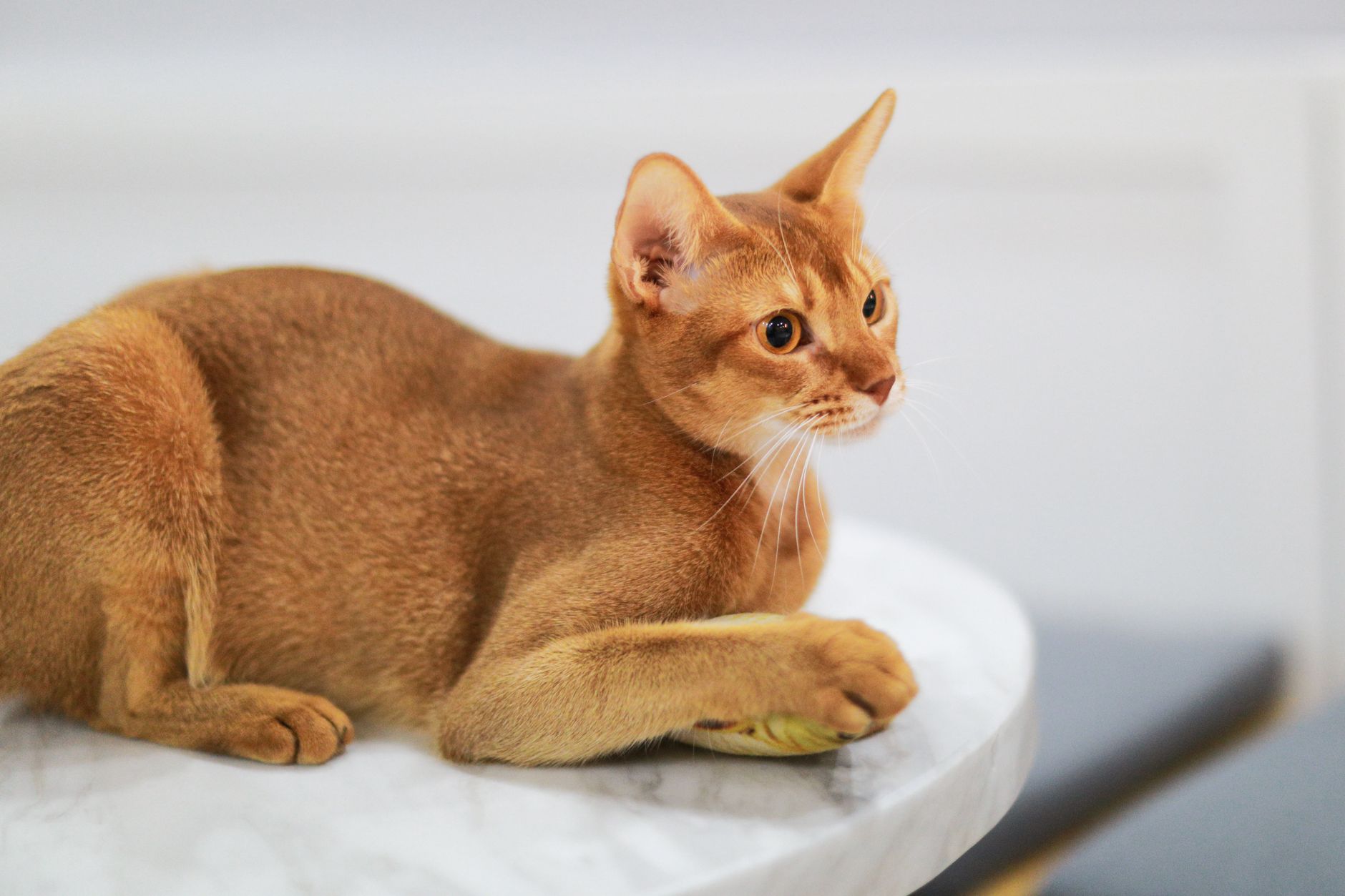
Abyssinian
Ocicat FAQs
Are Ocicats wild cats?
No, despite their wild appearance, they have no wild blood. They are entirely domestic, bred from Abyssinian, Siamese, and American Shorthair lines.
Are Ocicats hypoallergenic?
No, they are not hypoallergenic. While they have short coats and shed minimally, they still produce the Fel d 1 protein in their saliva and dander, which causes allergies.
Do Ocicats like water?
Many Ocicats do! They are often fascinated by dripping faucets, might splash in their water bowls, and some can even be trained to enjoy shallow baths.
Do Ocicats get along with dogs?
Yes, they are highly social and often bond very well with cat-friendly dogs, frequently playing together or napping side-by-side.
Can Ocicats be kept indoors?
Yes, they should be kept strictly indoors for their safety, but they thrive with vertical climbing spaces, window perches, and harness-guided outdoor walks.
How big do Ocicats get?
They are medium to large cats. Males typically weigh 9 to 15 pounds, while females are smaller, averaging 6 to 9 pounds, but they feel surprisingly heavy and muscular.
Are Ocicats very vocal?
Yes, they are vocal, inherited from their Siamese ancestry, but they tend to be quieter and have a much sweeter, less demanding tone.
Do Ocicats require a lot of exercise?
Yes, they are highly energetic and need daily interactive play sessions with feather wands, laser pointers, or fetch toys to burn off energy.
Why is my Ocicat following me everywhere?
This is classic ‘velcro’ behavior for the breed. They are intensely bonded to their humans and hate missing out on any household action.
Can Ocicats open doors or cabinets?
Yes, their high intelligence and dextrous paws mean they quickly learn how to open doors, cabinets, and drawers; childproof locks are often a must.
What is the history of the Ocicat breed?
The breed started accidentally in Michigan in 1964 when Virginia Daly crossed an Abyssinian with a Siamese, hoping for an Aby-pointed Siamese but producing a spotted kitten instead.
Do Ocicats need a companion?
If you are away from home for several hours a day, it is highly recommended to get a second active cat or a friendly dog to keep your Ocicat company.
What color combinations do Ocicats come in?
They are recognized in 12 colors: tawny, chocolate, cinnamon, blue, lavender, fawn, and the silver versions of all six of these colors.
Are Ocicats destructive?
Only if they are bored or lonely. If left without mental stimulation or physical outlets, they may scratch furniture or knock items off shelves.
How often should I trim my Ocicat’s nails?
I recommend clipping their nails every two to three weeks to prevent them from becoming too sharp and snagging on carpets or furniture.